






Zámek Vrbno pod Pradědem Chateau
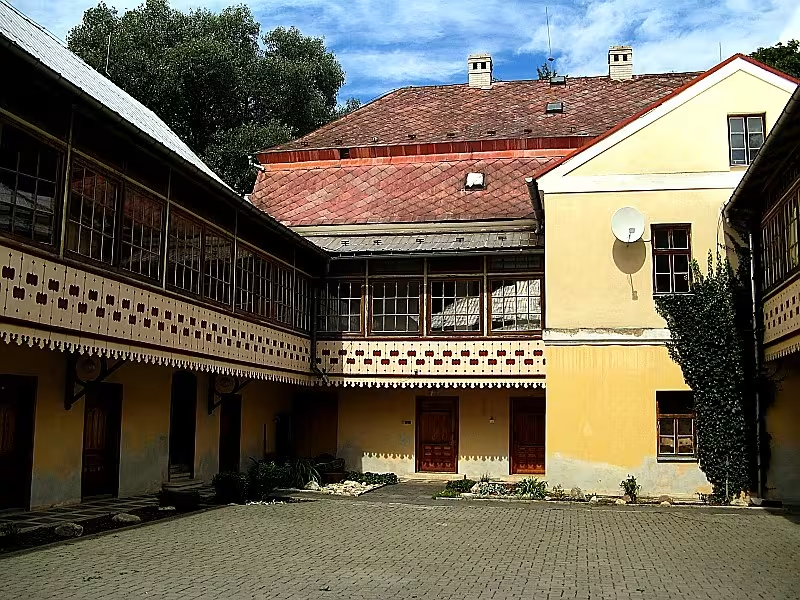
Zámek Vrbno pod Pradědem, also known as Zámek Grohmann, is a historical monument in the town of Vrbno pod Pradědem within the Moravskoslezský region. Originally built in the 17th century by the lords of Vrbno, this Baroque castle was transformed into an Empire-style palace by Ferdinand Rössler in the early 19th century. Throughout its history, it has served various roles, including housing multiple families and functioning as a dormitory for vocational school students. Since 2012, after extensive restoration efforts, it operates as an accommodation facility with a restaurant, offering visitors a unique glimpse into its storied past.
The castle's origins date back to the 17th century when it was constructed by the lords of Vrbno during a period marked by significant cultural and political developments in Bohemia, then part of the Habsburg Monarchy. This era saw the flourishing of Baroque architecture across Europe, influencing Zámek Vrbno pod Pradědem's initial construction style. In 1821, Ferdinand Rössler acquired the castle and transformed it into an Empire-style palace, reflecting broader architectural trends.
Architecturally, Zámek Vrbno pod Pradědem is notable for its complex arrangement of four separate buildings surrounding an oblong courtyard. The main building, originally constructed in Baroque style, features seven floors with three additional levels and a mansard roof covered in slate. Its façade includes stuccoed window frames and a central portico supported by Tuscan columns. Other wings include a five-story left wing with flat-framed windows and a rear wing with rusticated ground floor elements. The right wing, ten stories high, features flat dormers around the windows. A covered arcade connects these buildings within the courtyard, enhancing architectural coherence.
Ownership of the castle has seen several transitions over the centuries. After Rössler's transformation in the early 19th century, he passed it to his niece Amálie Grohmannová and her husband Johann Josef Grohmann in 1821. The couple adapted the castle for their family needs. In 1948, following nationalization, the castle served various purposes, including housing a foundry's dormitory and later an agricultural cooperative's recreational center. After the political changes of 1989, it changed hands multiple times before being restored to its historical appearance in 2012.
Throughout its history, Zámek Vrbno pod Pradědem has witnessed significant transformations both in ownership and function. The early 19th-century conversion by Ferdinand Rössler into Empire style marked a pivotal change, while the nationalization in 1948 introduced new roles for the castle. These events highlight the adaptability of the site to changing social and economic conditions.
Today, Zámek Vrbno pod Pradědem stands as a testament to its rich history and architectural evolution. The restoration completed in 2012 has returned it to its historical appearance, allowing visitors to experience its unique blend of Baroque and Empire styles. The castle's park, redesigned in 2013 with a central entrance alley of linden trees, adds to the site's charm. Its current use as an accommodation facility with a restaurant makes it accessible for those wishing to explore this cultural monument.
Zámek Vrbno pod Pradědem offers more than just historical insight; it provides a tangible connection to the past through its preserved architecture and adaptive reuse over centuries. Visitors are invited to step into this remarkable site, where history is not only remembered but also lived.
Then and now
Drag the slider to compare how the landmark may have looked when it was built with the view today.
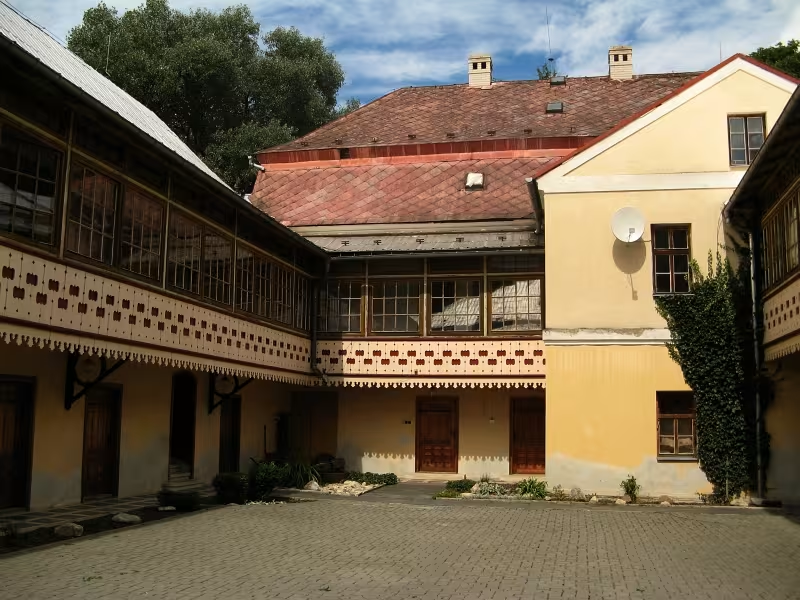

The historical appearance on the left is an AI-generated visualisation and serves as inspiration only.
Historical milestones
- 17th century
- The Vrbno pod Pradědem Castle was built by the lords of Vrbno.
- 1821
- Ferdinand Rössler transformed the castle into a palace in Empire style.
- 1821
- The castle was donated to Amálie Grohmannová and Johann Josef Grohmann.
- 1948
- Nationalization led to new functions for the castle, including accommodation.
- 2012
- After reconstruction, the castle was opened as an accommodation facility with a restaurant.
Architectural development
Initially constructed as a Baroque palace in the 17th century, Zámek Vrbno pod Pradědem underwent significant transformation to Empire style under Ferdinand Rössler. The complex consists of four separate buildings arranged around an oblong courtyard, featuring elements like mansard roofs and stuccoed window frames.
Historical events
In the early 19th century, Ferdinand Rössler transformed the castle into Empire style.
The castle was nationalized in 1948.
Owners
Originally owned by the lords of Vrbno in the 17th century, the castle was purchased by Ferdinand Rössler (1774–1838) who transformed it into Empire style. In 1821, he passed it to his niece Amálie Grohmannová and her husband Johann Josef Grohmann (1792–1873). After nationalization in 1948, the castle was used by various entities including a foundry and an agricultural cooperative before being restored for private use post-1989.
Points of interest
- The castle's transformation from Baroque to Empire style by Ferdinand Rössler in 1821 reflects the broader European architectural trends of the time and illustrates how local structures were influenced by continental styles.
- Despite its grandeur, Zámek Vrbno pod Pradědem served as a dormitory for vocational school students at one point, showcasing its adaptability to meet diverse community needs over the centuries.
- The castle's ownership changed hands several times after nationalization in 1948, including serving as a recreational center for an agricultural cooperative, highlighting its role in adapting to social and economic shifts throughout history.
- The complex arrangement of four separate buildings surrounding an oblong courtyard is unique and contributes to Zámek Vrbno pod Pradědem's distinct architectural identity within the region.
- After extensive restoration efforts completed in 2012, the castle now functions as an accommodation facility with a restaurant, offering visitors a chance to experience its storied past while enjoying modern amenities.
Guide
This guide is narrated by a synthetic voice generated by artificial intelligence.
Show guide text
This text was created by artificial intelligence and has not been editorially reviewed. It may contain inaccuracies.
Welcome to the historic Zámek Vrbno pod Pradědem, a cultural monument that stands proudly in the town of Vrbno pod Pradědem. As you stand here, take a moment to soak in the grandeur and elegance of this architectural gem. The castle's imposing structure captures your attention immediately, inviting you to explore its rich history.
The origins of Zámek Vrbno pod Pradědem trace back to the 17th century when it was constructed by the lords of Vrbno. This initial phase marked a significant period in the region’s architectural and cultural development. However, the castle's transformation into an Empire-style palace in 1821 under Ferdinand Rössler is particularly noteworthy. This change reflects broader European architectural trends of that era, showcasing how local structures were influenced by continental styles.
As you gaze upon the castle now, notice its refined elegance—a testament to its evolution over time. The transition from Baroque to Empire style can be seen in the symmetry and classical details that adorn the building's façade. These elements highlight Rössler’s vision and craftsmanship during his renovation efforts.
Several key figures are intertwined with the history of this castle, adding depth to its narrative. Ferdinand Rössler, who was instrumental in transforming the castle into an Empire-style palace, left a lasting architectural legacy here. The castle also has ties to Amálie Grohmannová and Johann Josef Grohmann, who received it as a gift in 1821, further enriching its historical tapestry.
One intriguing aspect of Zámek Vrbno pod Pradědem is how it adapted over the years. Despite its grandeur, the castle once served as a dormitory for vocational students—a fascinating twist that underscores its versatility and enduring relevance to the community.
As you continue your exploration, consider delving deeper into the stories etched within these walls. Each corner of the castle holds echoes of the past, inviting you to uncover more about its storied history. We encourage you to take your time and let the atmosphere guide you through this remarkable journey.
Thank you for visiting Zámek Vrbno pod Pradědem. May your experience here inspire a lasting appreciation for the rich cultural heritage it represents.
Frequently asked questions
Can the monument be visited?
Yes. We verified the opening hours or admission on the official website (31. 8. 2026); you will find them in the visitor information on this page. Please double-check with the operator before you travel.
What are the opening hours and admission?
Details verified on the official website (31. 8. 2026) are listed in the visitor information on this page. Official website: https://www.tic-vrbno.cz/
Where is the monument?
Location: Husova 154, Vrbno pod Pradědem, Moravskoslezský kraj. The map on this page shows the exact spot.
Why is the monument protected?
It is listed in the Central List of Cultural Monuments of the Czech Republic as a cultural monument (register no. 15321/8-207).
Businesses nearby
Do you run a restaurant, accommodation, shop, museum, rental, wellness or other visitor service near this monument? Show yourself directly to the people heading to it — this is how they will see you in the app and on the web:
Nearby
Located near Vrbno pod Pradědem, the castle is surrounded by an enclosed park with a watercourse and a stone wall. The area offers scenic landscapes typical of the Moravskoslezský region.
Accommodation nearby
Themed route
Thematic Walking Tour: Zámek Vrbno pod Pradědem and Surroundings
1. Zámek Vrbno pod Pradědem (Castle) Begin your exploration at the heart of this tour, the historic Zámek Vrbno pod Pradědem. This castle is a stunning example of Renaissance architecture with Baroque influences, offering visitors an insight into its rich history and architectural evolution. The interiors are adorned with period furnishings and art collections that reflect the grandeur of past eras.
2. Enclosed Park (Park) After exploring the castle, take a leisurely walk through the surrounding enclosed park. This beautifully landscaped area features serene pathways lined by lush greenery and an elegant watercourse. The park is perfect for enjoying tranquil moments amidst nature while appreciating the scenic landscapes typical of the Moravskoslezský region.
3. Stone Wall (Kámenová zeď) As you meander through the park, take a moment to admire the impressive stone wall that encircles the area. This structure not only adds to the historical ambiance but also serves as a reminder of the castle's strategic importance in the past. The craftsmanship and durability of the wall are worth noting for their architectural significance.
4. Watercourse (Vodní tok) Conclude your tour by exploring the charming watercourse that flows through the park. This feature enhances the picturesque setting, providing a soothing backdrop with its gentle sounds and reflections on the water's surface. It’s an ideal spot to relax and reflect on the beauty of the area after visiting the castle.
This thematic walking tour offers a comprehensive experience of Zámek Vrbno pod Pradědem and its immediate surroundings, allowing visitors to immerse themselves in history, architecture, and natural beauty.
Seasonal recommendations
Spring: Visiting Zámek Vrbno pod Pradědem during spring offers a picturesque experience as the castle grounds come alive with blossoming flowers and vibrant greenery, creating an enchanting atmosphere. The soft light of early spring mornings enhances the beauty of the historic architecture, making it ideal for photography enthusiasts. Visitors should dress in layers due to fluctuating temperatures and consider arriving earlier in the day to avoid larger crowds that gather as the weather improves.
Summer: Summer at Zámek Vrbno pod Pradědem is characterized by lush landscapes and warm, inviting sunlight that accentuates the castle's grandeur. This peak tourist season means longer opening hours but also busier grounds, so it’s advisable to arrive early in the morning or later in the afternoon to enjoy a more tranquil visit. Comfortable walking shoes and light clothing are recommended due to the warmer weather.
Autumn: Autumn brings a magical transformation to Zámek Vrbno pod Pradědem with its vibrant foliage painting the surroundings in shades of red, orange, and gold. The cooler temperatures make it a pleasant time for exploring without the summer crowds. Visitors should dress warmly and consider bringing a light jacket as evenings can be quite chilly. Late afternoon visits are particularly enchanting when the setting sun casts golden hues over the castle.
Winter: Winter at Zámek Vrbno pod Pradědem offers a serene and fairy-tale-like atmosphere, with snow-covered grounds and frosty air adding to its mystique. The castle may have shorter opening hours due to the season, so checking in advance is advisable. Visitors should dress warmly in layers, wear waterproof boots for snowy paths, and consider bringing gloves and hats to fully enjoy this enchanting winter escape.
Visualizations and artistic views


The visualisations are generated by artificial intelligence and serve as inspiration.
Photos from the area
Real photos taken near the monument


Zdroj a licence jsou uvedeny u každého snímku.
Tips from visitors
No tips yet. Be the first!
Log in and add your tip.
Sources and literature
Photos: Sovicka169 / CC BY-SA 3.0 — Wikimedia Commons. The author and licence also appear when you hover over the image.
Faktickým podkladem tohoto textu byl článek na Wikipedii, jehož autory jsou přispěvatelé Wikipedie. Článek je dostupný pod licencí CC BY-SA 4.0.
Location on the map



Příběhy a pověsti
Legendy, pověsti a příběhy spjaté s touto památkou
Fotografie návštěvníků
Zatím žádné fotografie. Buďte první, kdo přidá fotografii z návštěvy!
Log in a přidejte svou fotografii nebo hodnoťte.
Za ověřenou návštěvu v aplikaci získáte víc bodů — poznáme podle GPS, že jste na místě.
Reviews and comments