



Zboží Castle
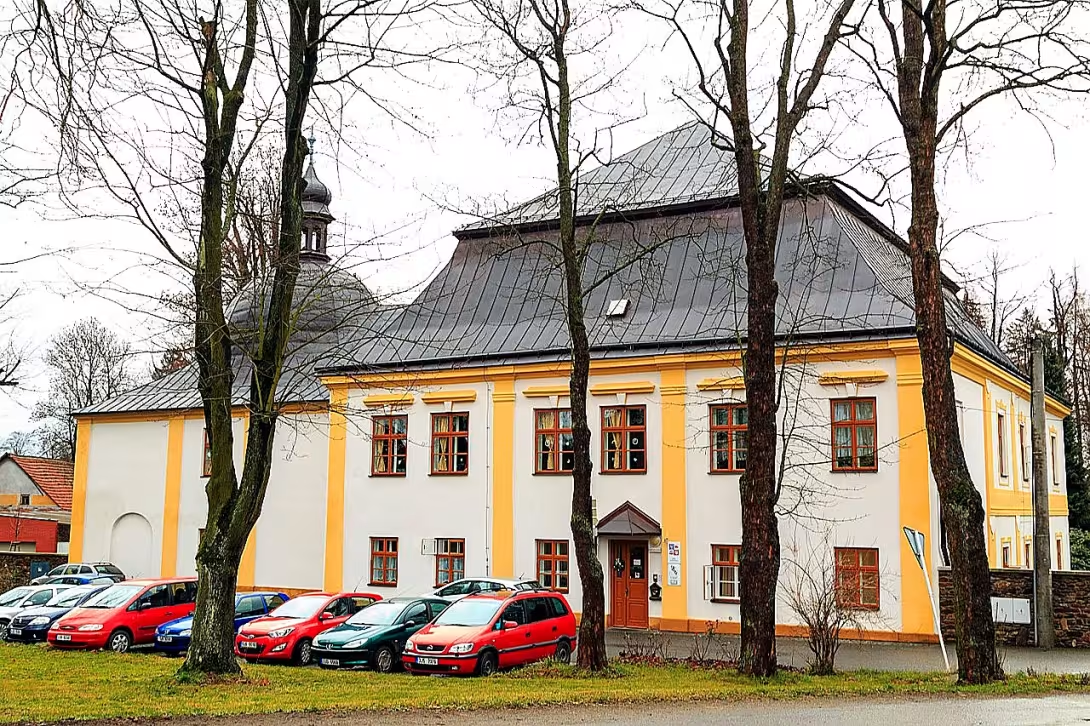
Castle Zboží is a prominent Baroque castle in the village of Zboží, within the Habry municipality of the Vysočina region in the Czech Republic. Constructed between 1700 and 1702 by Jan Vlasák Klusák z Kostelce, this historical monument has served various roles throughout its history. It functioned as a military hospital during World War I and later became an institution for mentally disabled men since 1963. Declared a cultural monument in the same year, Zámek Zboží is notable for both its architectural style and rich historical significance.
The village of Zboží dates back to at least 1307, with its first documented mention. Ownership transitioned through several hands before Jan Vlasák Klusák z Kostelce commissioned the castle's construction in the early 18th century. This period saw significant cultural and architectural development under Baroque influence across Bohemia, then part of the Habsburg Monarchy. Initially, the castle served as a noble residence, reflecting the era’s artistic flourishing.
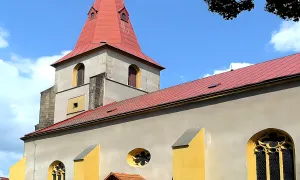
Architecturally, Zámek Zboží features a single-story structure with an oblong plan and a mansard roof covered in eternit. A distinctive dome over the former chapel area is topped by a tower with a belfry. Although much of the original interior decoration was altered during renovations in 1959, some early 19th-century elements remain intact, including paintings and stucco-like carvings in what is now used as a cultural room.
Ownership of Zámek Zboží has seen several notable figures over the centuries. Initially acquired by Beneš z Tupadel before 1419 and later by Trčkové z Lípy, it became part of the Lipnice and Světlá estate. In 1752, Lidmila Palmová sold the castle to Jan Adolf z Pöttingu, whose ownership saw significant repairs after a fire in 1780. The castle's role evolved over time; during World War I, it was converted into a military hospital by Richard Moravetz. Following the war and subsequent land reforms, it served various community functions before becoming an institution for mentally disabled men.
Throughout its history, Zámek Zboží has witnessed several key events that have shaped its current state. The 1780 fire necessitated rebuilding efforts, while the chapel was demolished in the early 19th century. During World War II, it housed a German army headquarters, reflecting its strategic importance. Post-war, the castle adapted to new societal needs, transitioning from agricultural offices to a home for the elderly and eventually serving as an institution for mental health care.
Today, Zámek Zboží remains accessible to visitors interested in exploring its historical layers and architectural features. Its transformation over centuries into a cultural monument underscores its resilience and adaptability. The castle's rich history and unique architecture make it a worthwhile destination for those keen on delving into the past while appreciating the continuity of heritage within the scenic Vysočina region.
Zámek Zboží stands as a testament to the enduring legacy of historical structures that continue to serve contemporary society, inviting visitors to explore its storied past and appreciate its cultural significance.
Then and now
Drag the slider to compare how the landmark may have looked when it was built with the view today.
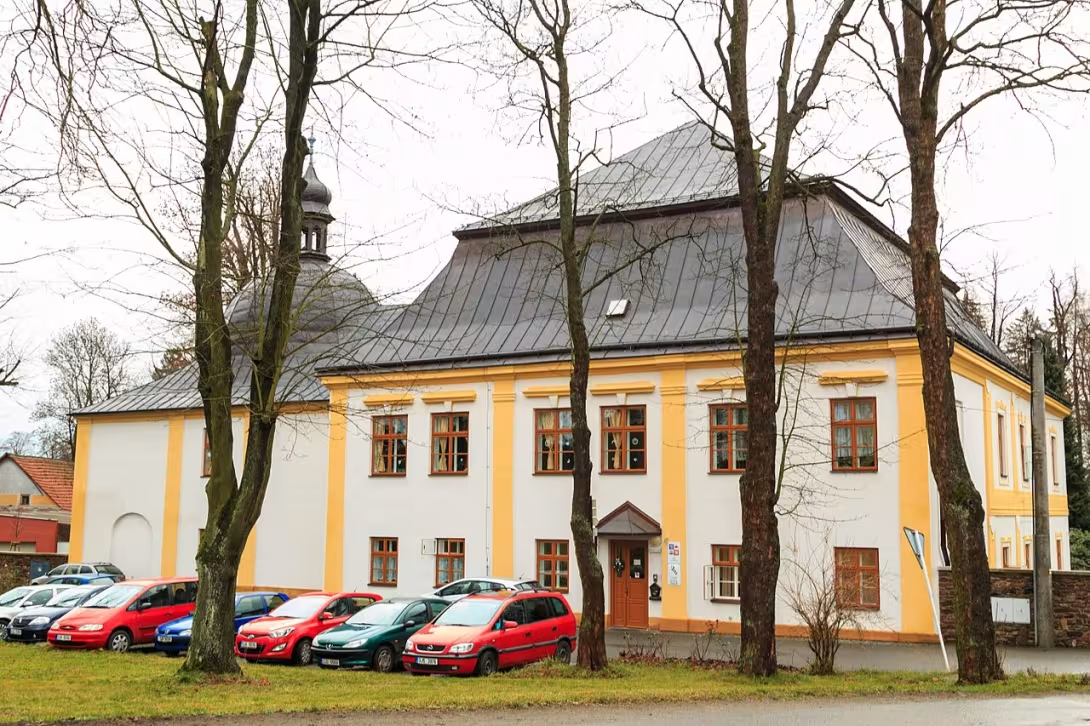

The historical appearance on the left is an AI-generated visualisation and serves as inspiration only.
Historical milestones
- 1307
- First written mention of the village Zboží.
- 1963
- Declared a cultural monument.
Architectural development
Originally constructed as a Baroque castle, Zámek Zboží underwent significant changes over the centuries. It was rebuilt after a fire in 1780 and later saw its chapel demolished in the early 19th century. The interior has been modified multiple times, with notable renovations occurring in 1959 that altered much of the original decoration.
Historical events
Built between 1700 and 1702 by Jan Vlasák Klusák z Kostelce.
The castle burned down in 1780 but was subsequently repaired.
Converted into a military hospital during World War I.
Became an institution for mentally disabled men in 1963.
Owners
Beneš z Tupadel (before 1419)
Trčkové z Lípy
Jan Vlasák Klusák z Kostelce (1700–1702)
Lidmila Palmová (sold in 1752 to Jan Adolf z Pöttingu)
Richard Moravetz (before World War II)
Points of interest
– Although Zámek Zboží is renowned for its Baroque architecture, it underwent significant interior changes in 1959 that altered much of the original decoration. This renovation preserved some early 19th-century elements like paintings and stucco-like carvings, now found in a cultural room.
– In 1780, a devastating fire required extensive rebuilding efforts at Zámek Zboží. Interestingly, this event led to significant architectural modifications that have contributed to the castle's current appearance.
– During World War II, Zámek Zboží served as a headquarters for the German army, highlighting its strategic importance during turbulent times in European history and showcasing its adaptability to various roles beyond residential use.
– The castle’s chapel was demolished in the early 19th century. This loss is notable given that chapels were often central to noble residences during earlier periods, reflecting changing religious or architectural priorities over time.
– Zámek Zboží's transition from a home for the elderly to an institution for mentally disabled men since 1963 illustrates its evolving role in addressing societal needs and challenges throughout history.
Guide
This guide is narrated by a synthetic voice generated by artificial intelligence.
Show guide text
This text was created by artificial intelligence and has not been editorially reviewed. It may contain inaccuracies.
The Zboží Castle stands on the square of the same-named village, which is today part of the town of Habry in the Vysočina region. Since 1963 it has been protected as a cultural monument.
The village of Zboží is first mentioned in 1307. Before 1419 it was acquired as a pledge by Beneš of Tupadel. Later it belonged to the Trčka family from Lípa, who attached the estate to their domains of Lipnice and Světlá. The castle itself only originated at the beginning of the eighteenth century. Between 1700 and 1702 Jan Vlasák Klusák of Kostelce had it built in the village as a baroque residence. Later a castle chapel of Saint Matthew was added to it, the first record of which appears in 1723.
The next owner was Lidmila Palmová. She sold the castle in 1752 to Jan Adolf of Pötting. During his ownership, in 1780, the castle burned down, but the owner had it repaired. The chapel was shut down in the first half of the nineteenth century.
The twentieth century brought the castle a number of new purposes. During the First World War, its then owner Richard Moravetz adapted it into a military hospital. After the land reform, in 1925 the Libeň branch of the Red Cross purchased it for one hundred thousand crowns and established a health resort for youth there. During the Second World War the castle housed the headquarters of the German army. From 1949 it had offices of the unified agricultural cooperative and in 1956 a home for the elderly was opened there. Since 1963 the castle has served as an institute for mentally disabled men.
The castle building is one-storied and has a rectangular floor plan. It is covered by a mansard roof with asbestos roofing. Above the former chapel rises a cupola, from which extends a tower with a weathervane. The interior of the chapel was divided into two stories after its closure.
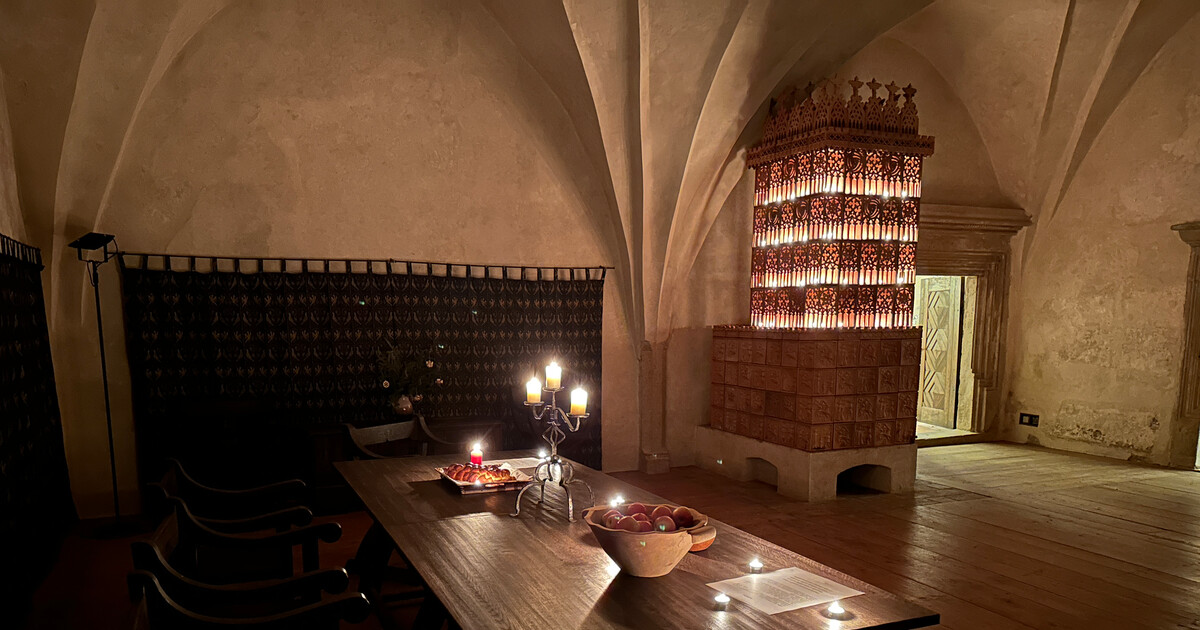
Very little has been preserved of the interior decoration from the first half of the nineteenth century. In the so-called sitting room, which serves as a cultural space, a painting with the motif of the resurrection of Lazarus and carvings imitating stucco have remained. The other paintings disappeared under white paint during the building modifications in 1959.
Frequently asked questions
Can the monument be visited?
Some buildings of this kind are open for guided tours, others serve another purpose or are privately owned. We have not verified whether and when this monument is open – please ask the operator.
What are the opening hours and admission?
We have not verified the opening hours or admission. Current information is published by the operator.
Where is the monument?
Location: Zboží č.p. 1, Habry, Kraj Vysočina. The map on this page shows the exact spot.
Why is the monument protected?
It is listed in the Central List of Cultural Monuments of the Czech Republic as a cultural monument (register no. 44742/6-362).
Businesses nearby
Do you run a restaurant, accommodation, shop, museum, rental, wellness or other visitor service near this monument? Show yourself directly to the people heading to it — this is how they will see you in the app and on the web:
Events nearby
Zdroj akcí: otevřená data měst a obcí ČR (Národní katalog otevřených dat) a kalendář akcí Národního památkového ústavu.
Nearby
Zámek Zboží is situated in the scenic region of Vysočina, known for its rolling hills and rural landscapes. The area around Habry offers several natural attractions and historical sites within a short distance.
Accommodation nearby
Trips and activities nearby
Guided tours, tickets and activities nearby from GetYourGuide
Affiliate link: if you buy from the partner, we may receive a commission. The price for you does not change.
Search tours and activities →Themed route
Thematic Route: Exploring Zámek Zboží and Its Surroundings
1. Zámek Zboží (Castle) Begin your journey at the heart of this scenic route, Zámek Zboží, nestled in the picturesque Vysočina region. This castle is renowned for its architectural beauty and historical significance, offering visitors a glimpse into the past with its well-preserved structures and intriguing history. Explore the interior to discover exquisite period furnishings and artworks that tell stories of bygone eras.
2. Habry Village A short walk from Zámek Zboží leads you to the charming village of Habry. This quaint locale provides a serene backdrop with its traditional Czech architecture, inviting visitors to stroll through cobblestone streets lined with historic buildings. The village is perfect for those who appreciate rural charm and want to experience local culture and hospitality.
3. Local Vineyards Venture into the surrounding countryside to visit nearby vineyards that capitalize on Vysočina's favorable climate for viticulture. These vineyards offer a delightful opportunity to taste regional wines, learn about winemaking processes, and enjoy panoramic views of rolling hills. It’s an ideal spot for wine enthusiasts looking to indulge in local flavors and landscapes.
4. Hiking Trails For nature lovers, the area offers several hiking trails that provide scenic routes through Vysočina's lush landscapes. These trails are perfect for a leisurely walk or a more challenging hike, allowing you to immerse yourself in the natural beauty of rolling hills and verdant fields. It’s an excellent way to unwind and connect with nature while exploring the region.
This thematic route offers a balanced experience of history, culture, and nature, making it ideal for those seeking to explore Zámek Zboží and its enchanting surroundings.
Seasonal recommendations
Spring: Visiting Záboří Castle during spring offers a unique experience as nature awakens with vibrant colors and fresh blooms. The castle grounds are particularly enchanting, surrounded by blossoming trees and lush greenery that create a picturesque backdrop for exploration. Visitors can enjoy the gentle warmth of the season, which enhances the beauty of the historic site without overwhelming crowds. It's advisable to wear comfortable layers as temperatures can vary throughout the day, ensuring you're prepared for both sunny spells and occasional spring showers. The early hours are ideal for visiting, allowing you to appreciate the serene atmosphere before larger groups arrive.
Summer: Summer at Záboří Castle is a time of lively activity and warm weather, perfect for exploring the expansive castle grounds. With longer daylight hours, visitors can take their time discovering every nook and cranny of this historic site. The lush gardens are in full bloom, offering a vibrant setting for leisurely strolls or picnics. However, it's wise to plan your visit early in the day to avoid peak tourist times and ensure a more relaxed experience. Lightweight clothing is recommended, along with sun protection such as hats and sunscreen, to stay comfortable during the warmer months.
Autumn: Autumn at Záboří Castle presents a stunning display of fall foliage, transforming the landscape into a tapestry of reds, oranges, and yellows. The cooler temperatures make it an ideal time for walking tours through the castle's grounds, where visitors can enjoy crisp air and tranquil surroundings. As the tourist season winds down, crowds are typically smaller, allowing for a more intimate exploration of the site. Layered clothing is recommended to adapt to changing weather conditions throughout the day, ensuring comfort as you soak in the autumnal beauty.
Winter: Winter at Záboří Castle offers a serene and magical experience with snow-covered grounds that enhance the castle's historic charm. The chilly air creates a quiet atmosphere, perfect for those seeking a peaceful retreat from bustling holiday activities. While some areas may be less accessible due to weather conditions, the winter landscape provides a unique perspective on the site's architecture and history. Visitors should dress warmly in layers, including hats, gloves, and insulated footwear, to comfortably explore during this season.
Visualizations and artistic views


The visualisations are generated by artificial intelligence and serve as inspiration.
Photos from the area
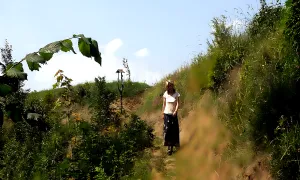
Real photos taken near the monument


Zdroj a licence jsou uvedeny u každého snímku.
Tips from visitors
No tips yet. Be the first!
Log in and add your tip.
Sources and literature
Photos: Petr1888 / CC BY-SA 4.0 — Wikimedia Commons. The author and licence also appear when you hover over the image.
Faktickým podkladem tohoto textu byl článek na Wikipedii, jehož autory jsou přispěvatelé Wikipedie. Článek je dostupný pod licencí CC BY-SA 4.0.
Location on the map


Příběhy a pověsti
Legendy, pověsti a příběhy spjaté s touto památkou
Fotografie návštěvníků
Zatím žádné fotografie. Buďte první, kdo přidá fotografii z návštěvy!
Log in a přidejte svou fotografii nebo hodnoťte.
Za ověřenou návštěvu v aplikaci získáte víc bodů — poznáme podle GPS, že jste na místě.
Reviews and comments