



Židovská obřadní síň (Břeclav) Other
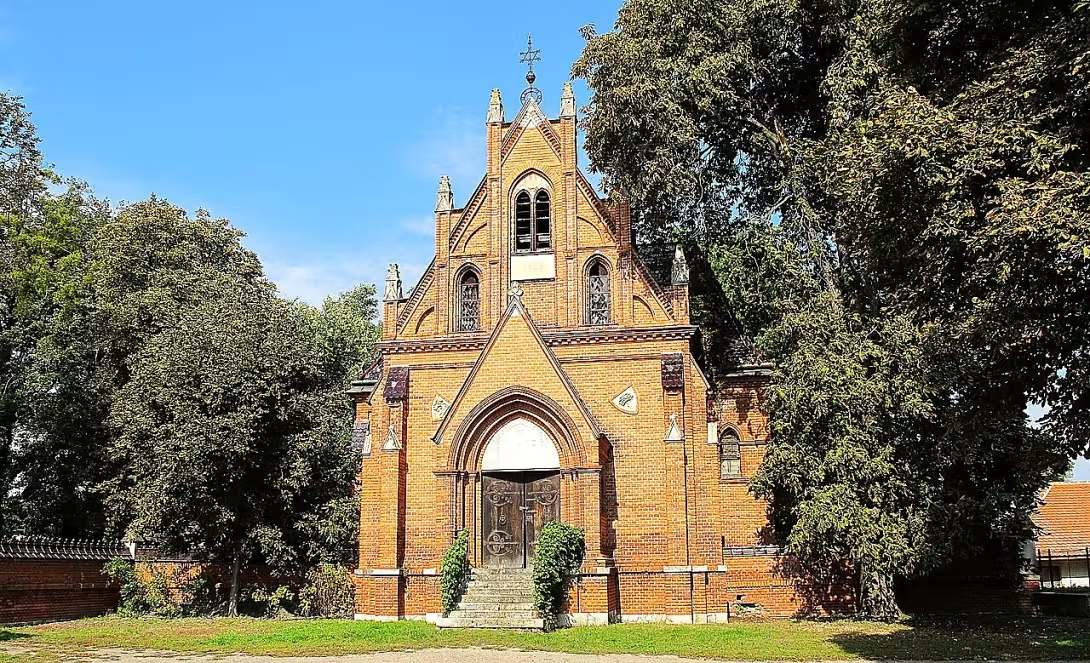
Jewish ceremonial hall in Břeclavi is a historical neo-gothic building in the area of the local Jewish cemetery. The building was built in 1892 and has been a protected cultural monument since 1958. After extensive reconstruction, completed in 2024, it serves as an exposition for the Jewish village and cultural events.
In 1892 the construction was carried out by rodina Kuffnerů at the site of the original morgue. The creation of the building dates back to the end of the 19th century, when the influence of industrial families grew in Central Europe. These contributed significantly to the beneficence and development of urban infrastructure. At that time, there was also a marked boom in historical styles, which were often inspired by goth or renaissance.
The architectural design was developed by Franz von Neumann. The building is built in a neo-gothic style. The bricks and ceramics from the Liechtenstein brick and ceramics were used for its implementation in Poštorní. A remarkable element is the deliberate architectural representation, which makes the building feel like a Christian church. This was unique in the European context of the 19th and early 20th centuries.
The original owner of the building was the Jewish village, later passed the administration of the building under the city Břeclav. After World War II, the monument stopped serving its purpose and was used as a warehouse, which led to its gradual decay. It was only thanks to the city's decision on the overall recovery that a major turnaround took place. The reconstruction project was carried out in the framework of cross-border cooperation with the Slovak town of Sládkovič, which at the same time revitalized the town park established by the Kuffner family. During repairs, the restaurants focused on maintaining as many original elements as possible.
The key milestones in the history of the building are the year 1892, when the hall was built, the year 1958, when it was declared a cultural monument, and May 19, 2024, when the ceremonial opening took place after the completion of the reconstruction.
Today the ceremonial hall is open to the public and offers an exhibition dedicated to the history of the Jewish village in Břeclavi. Visitors can also visit the Jewish cemetery or city park in the immediate vicinity. This monument represents valuable evidence of historical architecture and benefactor activity in the region. Her visit offers an opportunity to become acquainted with the history of the local Jewish community in sensitively renovated areas.
Then and now
Drag the slider to compare how the landmark may have looked when it was built with the view today.
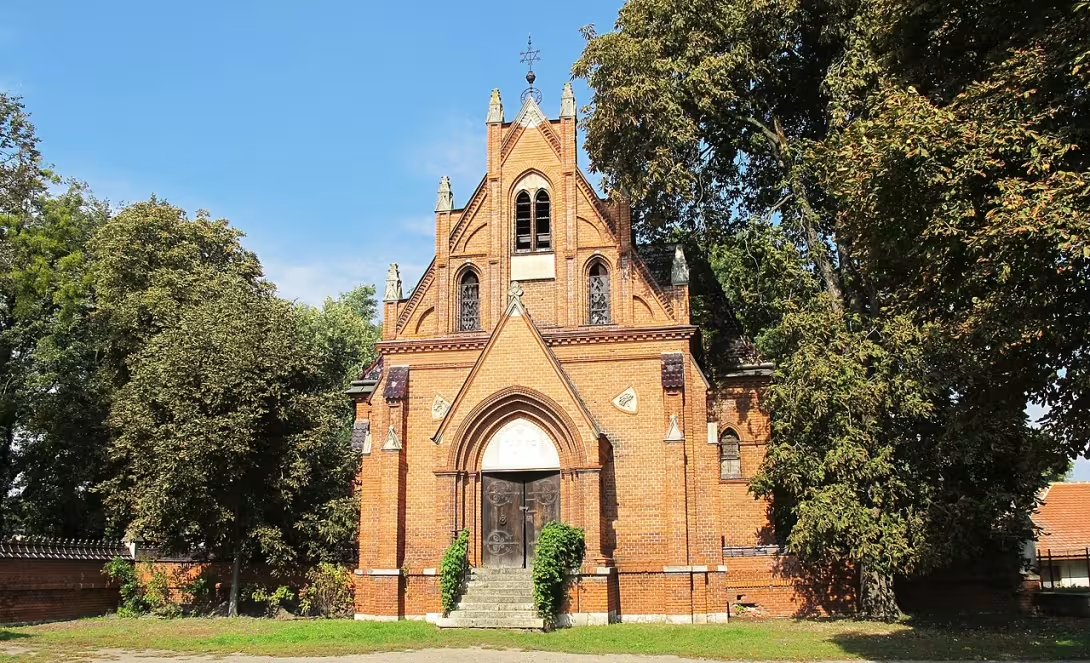
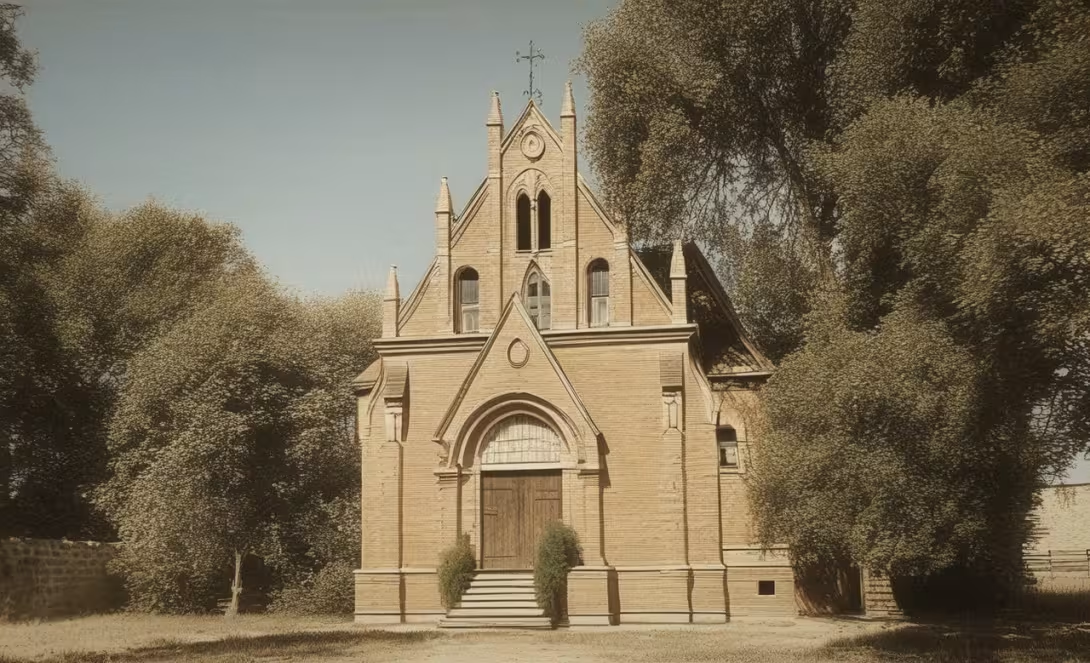
The historical appearance on the left is an AI-generated visualisation and serves as inspiration only.
Historical milestones
- 1892
- Construction of the ceremonial hall according to the design of Franz von Neumann.
- 1958
- A building registered as a protected cultural monument.
- 2024
- Festive opening after extensive reconstruction.
Architectural development
The construction was carried out in a neo-gothic style using bricks and ceramics from the Liechtenstein brick in Poštorní. After World War II, the building faded as a warehouse, which led to the need for extensive monument renewal. During the reconstruction, the restaurants focused on preserving as many original elements as possible.
Historical events
1892: Construction of the ceremonial hall by the Kuffner family. 1958: The building is declared a cultural monument. 2024: Festive opening after total reconstruction.
Owners
Originally Jewish village, later city Břeclav.
Points of interest
- The construction was built in 1892 at the site of the original morgue at the initiative of the Kuffner family. - Bricks and ceramics from Liechtenstein brick and ceramics were used for construction in Poštorní. The architectural representation of the building deliberately gives the impression of a Christian church, which was unique at the time. - After World War II, the object stopped serving its purpose and was used as a warehouse, which led to its decay. - The reconstruction of the monument took place as part of cross-border cooperation with the Slovak town of Sládkovičovo.
Guide
Show guide text
This text was created by artificial intelligence and has not been editorially reviewed. It may contain inaccuracies.
Welcome to this noble place of history and tradition - Jewish ceremonial hall in Břeclavi. You are standing in front of this architectural pearl, which is hidden in the quiet area of the Jewish cemetery. By looking at its neo-gothic elements, you can feel a deep connection to the past and the spiritual record of the community that came here over the years.
Let's go into history. In 1892, this ceremonial hall was built on the site of an older morgue. The leadership of the Kuffner family was behind its implementation, which sought a place here for its ritual needs and worship. Architect Franz von Neumann was entrusted with the design of this unique object. Its design, inspired by Christian sacral architecture, brings a touching atmosphere and dignity.
Look up at the facade with its elegant broken arches and a view of the height windows. These elements not only increase the touching atmosphere, but also contribute to the unique visual effect that is unique to the Jewish ceremonial hall at that time. The interior with its clean solutions and the use of pottery from Poštorní gives space further depth.
The interesting thing is that bricks and ceramics from Liechtenstein brick were used for construction. This detail suggests not only local connections, but also the importance of regional materials at the time.
In 1958, the building was officially recognised as a protected cultural monument. After a period of neglect and inappropriate use, when it served as a warehouse, the Jewish ceremonial hall underwent extensive reconstruction. Today, after the opening ceremony in 2024, it became once again a centre of attention and a place of worship and memory.
Now that you've looked at her architectural details, it may be time to think about the personalities and stories associated with this monument. The Kuffner family, their visions and efforts were crucial to this place, which now serves as a testament to the history of the local community.
This ceremonial hall is not only a monument to architecture, but also a lively reminder of spiritual traditions and memories. Whether you're exploring her history or using her as a place of calm and reflection, it's a place full of stories.
Thank you for your visit. If you are interested in exploring more historical monuments in Břeclavi or surroundings, do not hesitate to look at other attractions that this area offers. Whether it's more architectural pearls or historical records - in Břeclavi is something to discover. Thank you for your time and attention to this memory.
Tips for visitors
To visit the ceremonial hall, I recommend choosing a sunny day during spring or autumn, when the surrounding green cemetery is the most photogenic and light is not too bright. Take with you comfortable shoes to move on the grounds of the cemetery and possibly headgear, which is required as a token of respect when entering Jewish monuments. Photography of the exterior of the hall excels best in the morning when the sun illuminates its historical architecture, while taking care of the piety of the place. In the immediate surroundings, you can visit the adjacent Jewish cemetery or walk in a quiet city park, which was founded by rodina Kuffnerů and which offers a pleasant environment for families with children looking for rest in green.
Frequently asked questions
Can the monument be visited?
We have not verified whether this monument is accessible. Please ask the owner or operator, or the local municipal office.
Where is the monument?
Location: Břeclav, Jihomoravský kraj. The map on this page shows the exact spot.
Why is the monument protected?
It is listed in the Central List of Cultural Monuments of the Czech Republic as a cultural monument (register no. 1000147131_0004). It is protected as part of a larger listed ensemble.
Businesses nearby
Do you run a restaurant, accommodation, shop, museum, rental, wellness or other visitor service near this monument? Show yourself directly to the people heading to it — this is how they will see you in the app and on the web:
Events nearby


Zdroj akcí: otevřená data měst a obcí ČR (Národní katalog otevřených dat) a kalendář akcí Národního památkového ústavu.
Nearby
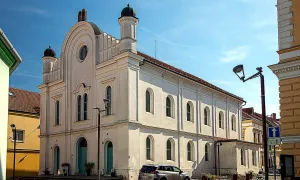
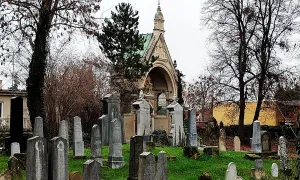
Židovský hřbitov v Břeclavi, městský park založený rodinou Kuffnerů.
Accommodation nearby
Themed route
Thematic cruise route Břeclav
1.Židovská obřadní síň (Břeclav)
Type: Historical monument
Why is it worth a visit: This hall is one of the few preserved Jewish ceremonial halls in the Czech Republic. It offers a view of the history and culture of the Jewish community in Břeclavi.
2. Jewish cemetery in Břeclavi
Type: Historical monument
Why is it worth a visit: The cemetery is a key part of the Jewish history of the city. It offers knowledge of ancient inhabitants and their traditions.
3. City park founded by the Kuffner family
Type: Green area
Why is worth a visit: The park is a beautiful place to relax and walk. It provides an opportunity to enjoy the green and quiet in the city centre.
This route offers a view of the historical and natural beauty Břeclava, ideally for those who want to know more about the Jewish community and enjoy the quiet surroundings.
Seasonal recommendations
Spring: In the spring period, the Jewish ceremonial hall in Břeclav is lit with sunlight, which irradiates walls and doors with special light. The landscape around the monument begins to bloom, bringing to the atmosphere a sense of recovery and quiet calm. It is advisable for visitors to visit the hall early in the morning when the crowd has not yet flooded and you can enjoy a happy feeling of complete solitude between historical walls. It is recommended to wear clothes suitable for mild temperatures because the morning is often colder and can be warm by day.
Summer: Summer brings full power to the sun over the Jewish ceremonial hall in Břeclav, which highlights its architectural details. The atmosphere is becoming more lively and recalling the history of the past. In the main summer season it is recommended to come before the crowd begins to accumulate so that visitors can enjoy a peaceful view of the memory. It is suitable to wear sun and water protection for possible rains that are common in summer.
Autumn: In the autumn, the Jewish ceremonial hall is influenced by darker colors of nature and less sunny days, creating a melancholy atmosphere. This season is ideal for visiting, because the crowd is decreasing and the monument is gaining peace. We recommend wearing warmer clothes for colder cold days and arriving at a quiet time of the day when visitors are starting to break up.
Winter: Winter brings a cool atmosphere around the Jewish ceremonial hall in Břeclav, where the sun is less frequent and only lights up a few hours a day. The opening times of the monument may be shortened, so it is advisable to visit it in time to enjoy a full view of its historical walls. It is important to wear warm clothes and quality shoes for a cool surface. Visiting during quiet winter days offers a calm and reflective atmosphere that is ideal for exploring the history of the monument.
Visualizations and artistic views


The visualisations are generated by artificial intelligence and serve as inspiration.
Photos from the area
Real photos taken near the monument


Zdroj a licence jsou uvedeny u každého snímku.
Tips from visitors
No tips yet. Be the first!
Log in and add your tip.
Sources and literature
Photos: Huhulenik / CC BY 3.0 — Wikimedia Commons. The author and licence also appear when you hover over the image.
Faktickým podkladem tohoto textu byl článek na Wikipedii, jehož autory jsou přispěvatelé Wikipedie. Článek je dostupný pod licencí CC BY-SA 4.0.
Location on the map



Příběhy a pověsti
Legendy, pověsti a příběhy spjaté s touto památkou
Fotografie návštěvníků
Zatím žádné fotografie. Buďte první, kdo přidá fotografii z návštěvy!
Log in a přidejte svou fotografii nebo hodnoťte.
Za ověřenou návštěvu v aplikaci získáte víc bodů — poznáme podle GPS, že jste na místě.
Reviews and comments