



Žitná brána Gate
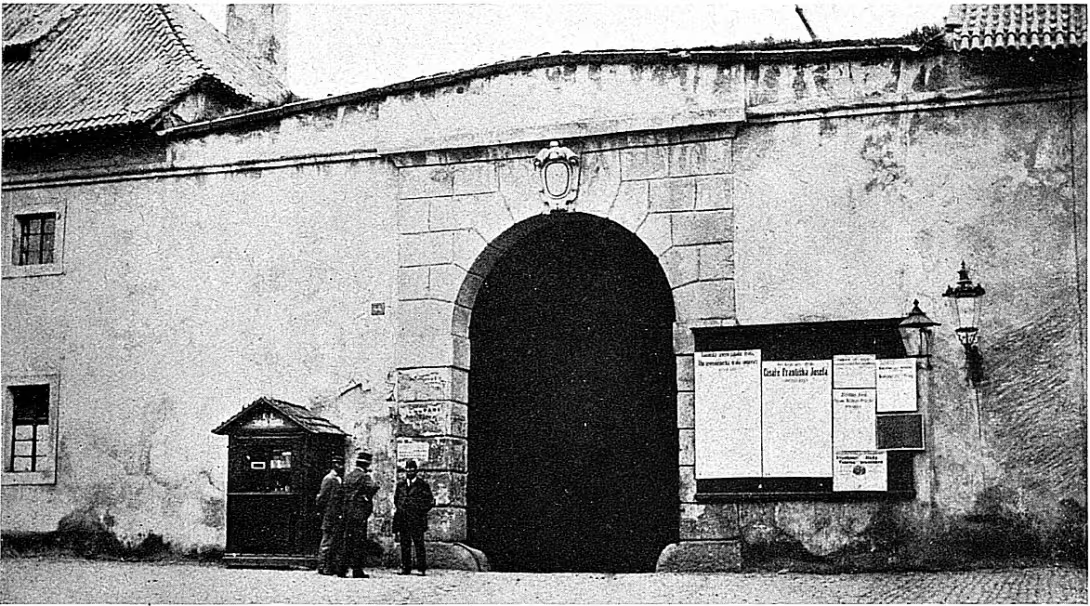
Objekt se nedochoval — na místě dnes nestojí. Následující text popisuje jeho historii, ne současnou návštěvu.
Žitná brána was part of the city fortification of the New Town of Prague in Prague 2. Its location is still mentioned in the town topography: Interbranská Street begins in the places of the older Horses Gate and ends right where Žitná brána once stood.
In the original fortification from the time of the creation of the New Town, founded by Karel IV, there was only a fortna - a gate intended for pedestrians only at the top end of Žitnobranské street (formerly also called Žitnobranské street). The nearby Swine Gate, also called the gate of St. John, was further south at Jeèná Street. Žitná brána was created in its classical form only during the second half of the 17th century, when a new city fortification was built.
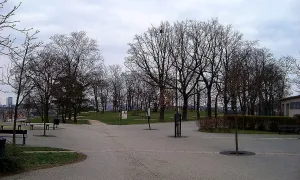
The surrounding area of the gate gained on social importance in the 19th century. In 1827, Prague's purgrave count Karel Chotek set up a "Na Šance" promenade on the walls, which led from the mountain gate through the gates of Horny and Žitnou to the gate of Blind. This promenade was adapted to the park and supplemented by benches and playgrounds, making it a popular place for walking. Two concert cafes, which worked here and revived public space with social life, also added increased attractiveness.
The fortifications were coming to an end. Žitná brána was demolished in 1875 as part of the systemic dismantling of the medieval and early fortification of Prague, which had ceased to fulfil its military function. Today the monument was preserved only in the street name and in the stories of the former promenade - one of the first public parks in Prague.
Then and now
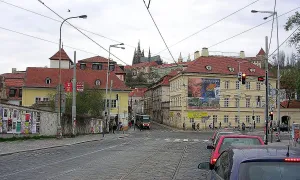
Drag the slider to compare how the landmark may have looked when it was built with the view today.
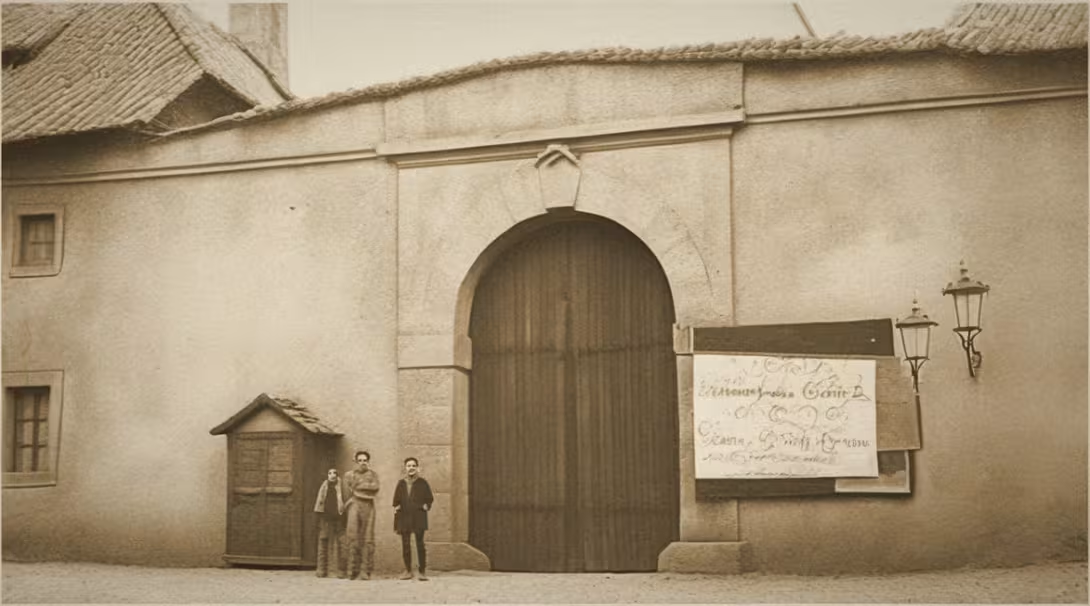
The historical appearance on the left is an AI-generated visualisation and serves as inspiration only.
Historical milestones
- 17th century (second half)
- The Rye Gate was created as part of the new city fortification of the New Town of Prague.
- 1827
- The establishment of the promenade on the walls of Šance, which led around the Žitná gate and was supplemented by cafés and children's playground.
- 1875
- The demolition of the Rye Gate along with the city walls.
Architectural development
The gate was formed as part of the Baroque fortification of New Town. In the 19th century, the walls were modified for a promenade with park elements, but the gate itself was no longer functional. The collapse took place in 1875.
Historical events
16th century: The gate was part of the city fortification
Points of interest
- Žitná brána originally served only as a walking fort in the fortification of the New Town of Prague from the time of Charles IV.
- The gate was created in its famous form only in the second half of the 17th century in the construction of a new city fortification.
- In the 19th century, there was a popular promenade called "Na Šance," which connected the gates of Horny, Žitnou and Blind.
- The promenade was modified with park benches and children's playground, while concert cafes were also available.
- Žitná brána was demolished in 1875 as part of the dismantling of medieval fortifications that could no longer perform military functions.
Guide
This guide is narrated by a synthetic voice generated by artificial intelligence.
Show guide text
This text was created by artificial intelligence and has not been editorially reviewed. It may contain inaccuracies.
The Žitná Gate was part of the city fortifications of Nové Město in Prague. It stood at the upper end of Žitná Street, which was previously also called Žitnobranská. Today it is mainly recalled by the name of Mezibranská Street. It begins at the place where the vanished Koňská Gate stood and ends precisely where the Žitná Gate was located.
In the original fortifications from the time when Charles the Fourth founded Nové Město in Prague, there was no gate for vehicles here. At the upper end of Žitná Street there was only a postern gate, that is a gate for pedestrians. The Svinská Gate, also called the gate of Saint John, stood further south at Ječná Street. The Žitná Gate came into existence only in the second half of the 17th century, when new city fortifications were being built.
In 1827, the Prague burgrave Count Charles Chotek established a promenade on the fortifications. It ran from the Horská Gate through the Koňská and Žitná gates as far as the Slepá Gate and was given the name Na Šancích. It was arranged like a park, had benches and playgrounds and there were also two concert cafés here.
The Žitná Gate was demolished in 1875 together with the city fortifications.
For kids
Imagine going back to when Praha was still a young town. The city went forward and spread, but its defense was as strong as iron. Among them was Žitná brána, which stood at the top of Žitná street in New Town.
How did it look here? Who lived here? What happened here? Žitná brána was part of an urban fortification that protected the city from attacks. The city was full of craftsmen, merchants and Greek colonists who came with Byzance. They were people who were involved in textile production, especially flax and wool.
Businesses nearby
Do you run a restaurant, accommodation, shop, museum, rental, wellness or other visitor service near this monument? Show yourself directly to the people heading to it — this is how they will see you in the app and on the web:
Events nearby

Zdroj akcí: otevřená data měst a obcí ČR (Národní katalog otevřených dat) a kalendář akcí Národního památkového ústavu.
Nearby
- The street at the top of which the gate was located is still an important road in Prague 2.
- Vanished park treatment on the walls, which led around the gate and was supplemented by cafés and children's playground.
- The extinct wall, whose remains are now part of the park areas and streets around.
Visualizations and artistic views


The visualisations are generated by artificial intelligence and serve as inspiration.
Photos from the area
Real photos taken near the monument


Zdroj a licence jsou uvedeny u každého snímku.
Tips from visitors
No tips yet. Be the first!
Log in and add your tip.
Sources and literature
Photos: Unknown photographer / Public domain — Wikimedia Commons. The author and licence also appear when you hover over the image.
Faktickým podkladem tohoto textu byl článek na Wikipedii, jehož autory jsou přispěvatelé Wikipedie. Článek je dostupný pod licencí CC BY-SA 4.0.
Location on the map
Příběhy a pověsti
Legendy, pověsti a příběhy spjaté s touto památkou

Fotografie návštěvníků
Zatím žádné fotografie. Buďte první, kdo přidá fotografii z návštěvy!
Log in a přidejte svou fotografii nebo hodnoťte.
Za ověřenou návštěvu v aplikaci získáte víc bodů — poznáme podle GPS, že jste na místě.
Reviews and comments