



Bavorov Ruin
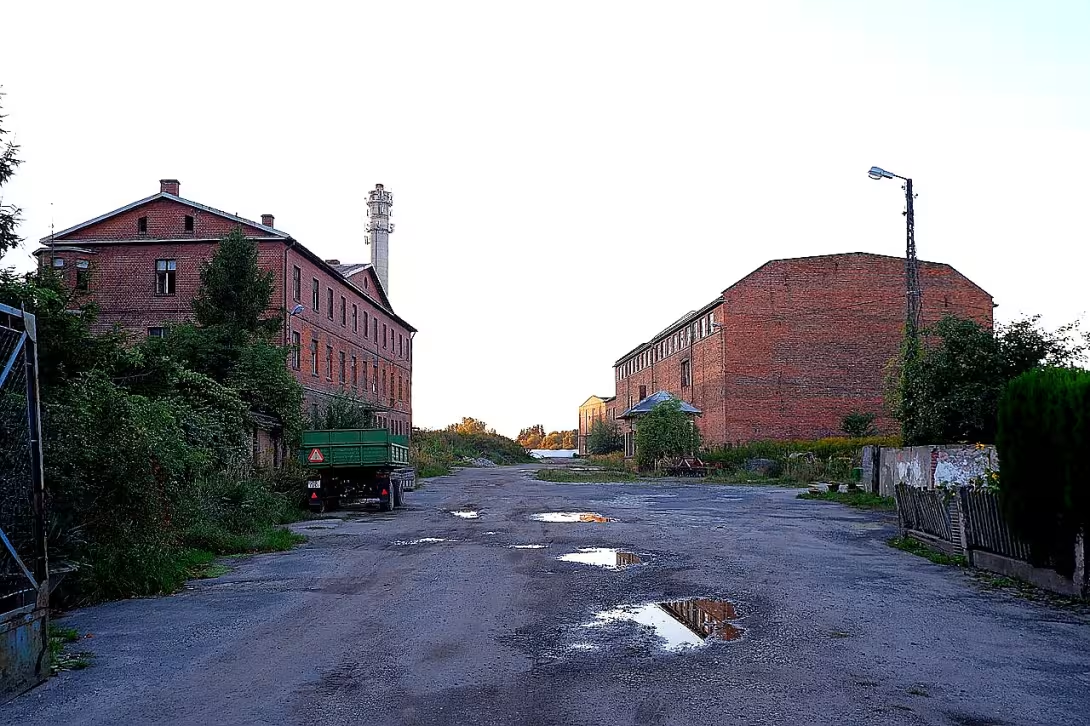
The Bavorov Castle, now a silent ruin, once stood as an imposing medieval fortress in the town of Bavorov, Jihočeský kraj. Established at the end of the 13th century by Bavor III. ze Strakonic, it reflects the turbulent feudal era of 13th-century Bohemia. The castle's history is intertwined with notable figures such as the Rožmberk family. After its decline following the construction of nearby Helfenburk Castle, only a local name 'Hradiště' and a pond established in 1519 remain to mark its existence.
The origins of Bavorov Castle date back to around 1290 when it was founded by Bavor III. ze Strakonic. This period marked significant feudal developments under the reign of King Wenceslaus II, characterized by the consolidation of power among noble families such as the Rožmberks and Strakonics. The castle's strategic importance diminished after the construction of Helfenburk Castle, leading to its eventual disuse and ruin.
Architecturally, Bavorov Castle was built on a low hill surrounded by newer buildings that completely covered its remains. Its layout suggests an oval ground plan, typical of medieval fortifications designed for defense and control over surrounding territories. The castle's strategic location allowed it to play a crucial role in regional power dynamics until it lost significance with the rise of Helfenburk Castle.
Ownership of Bavorov Castle changed hands several times throughout its history. After Bavor III.'s death in 1318, his brother Vilém ze Strakonic inherited the estate, but it remained with Bavor's widow Markéta z Rožmberka until it passed to Petr z Rožmberka. By 1351, the Rožmberk family had acquired the Bavorov property, marking a significant shift in its administration.
Key events in the castle's history include King John of Luxembourg renouncing his right to the estate's escheat in 1334. This decision underscored the shifting power dynamics and the importance of noble alliances during this period. The construction of Helfenburk Castle nearby further diminished Bavorov Castle's strategic value, leading to its eventual decline.
Today, Bavorov Castle exists only as a local name 'Hradiště' and a pond established in 1519, with no physical remnants visible above ground. Despite this, the site remains an intriguing historical marker for visitors interested in Bohemian medieval history. The surrounding area of Bavorov offers other attractions, such as the Church of the Assumption of the Virgin Mary and the historic town center, making it a worthwhile destination for those exploring South Bohemia.
The remnants of Bavorov Castle serve as a testament to the region's rich feudal past and the shifting fortunes of noble families. While physical traces are scarce, the historical significance of the site invites visitors to reflect on the medieval landscape that once shaped this part of Bohemia. Exploring Bavorov offers a unique glimpse into the history and culture of South Bohemia, making it an enriching experience for history enthusiasts.
Then and now
Drag the slider to compare how the landmark may have looked when it was built with the view today.
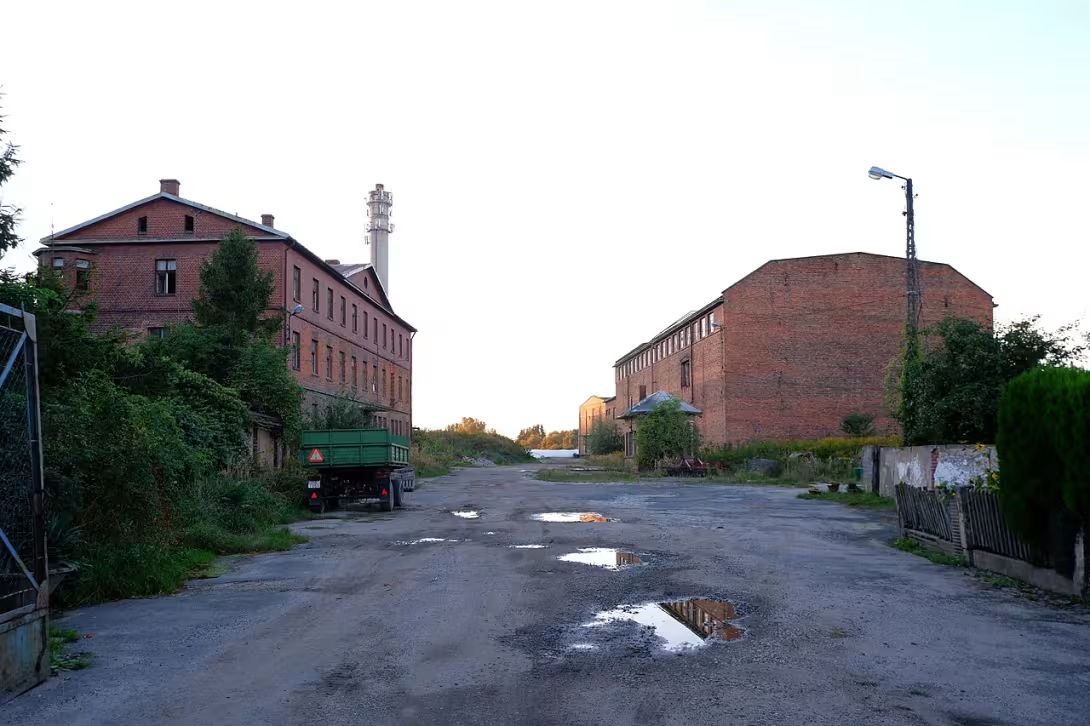

The historical appearance on the left is an AI-generated visualisation and serves as inspiration only.
Historical milestones
- 1334
- King John of Luxembourg renounced his right to the estate's escheat.
- 1351
- The Rožmberk family acquired the Bavorov property.
Architectural development
The castle was built on a low hill surrounded by newer buildings that completely covered its remains. Its layout suggests an oval ground plan. After losing its strategic importance with the construction of Helfenburk Castle, it fell into disuse and eventually became a ruin.
Historical events
Founded around 1290 by Bavor III. ze Strakonic.
In 1334, King John of Luxembourg renounced his right to the estate's escheat.
By 1351, the Rožmberk family had acquired the Bavorov property.
Owners
Founded by Bavor III. ze Strakonic around 1290; after his death in 1318, the estate was inherited by his brother Vilém ze Strakonic but remained with Bavor's widow Markéta z Rožmberka until it passed to Petr z Rožmberka.
Points of interest
- Bavorov Castle's history is marked by a notable renunciation of rights by King John of Luxembourg in 1334, highlighting the complex feudal power dynamics and alliances during that period.
- Despite its eventual ruin, Bavorov Castle was once part of significant noble families, including the Rožmberks and Strakonics, who played crucial roles in shaping Bohemian medieval history.
- The castle's strategic importance waned after the construction of Helfenburk Castle nearby, illustrating how shifts in regional power could lead to the decline of even formidable fortresses.
- Today, only a local name 'Hradiště' and a pond established in 1519 remain as markers of Bavorov Castle’s existence, serving as subtle reminders of its past grandeur amidst modern developments.
- The castle's layout, with an oval ground plan typical for medieval defenses, reflects the architectural strategies used during the period to control territories and protect against invasions.
Guide
This guide is narrated by a synthetic voice generated by artificial intelligence.
Show guide text
This text was created by artificial intelligence and has not been editorially reviewed. It may contain inaccuracies.
On the southeastern edge of the town of Bavorov, there once stood a castle. Today, nothing remains of it that would be visible. It was created together with the town at the end of the thirteenth century and disappeared roughly a hundred years later.
The castle was founded by Bavor the Third of Strakonice, probably together with the small town around 1290. Bavor died in 1318. His property was inherited by his brother William of Strakonice, but the actual holder remained Bavor's widow Margaret of Rosenberg. From her, the estate was then acquired by Peter of Rosenberg.
The first written mention of the castle comes from 1334. At that time, King John of Luxembourg renounced his right to escheat, that is, to the property that would otherwise have passed to the ruler after Bavor's death. However, the scholar Thomas Durdík believes that the Rosenbergs acquired the Bavorov property only in 1351.
The end of the castle came with the construction of nearby Helfenburk. The Bavorov castle thereby lost its function and soon disappeared. Today it is commemorated only by the place name Hradiště. It appears for the first time in 1519, when a fishpond was established beneath it.
The castle stood on a low elevated ridge. This was later built upon by younger houses, which completely covered its remains. Based on the layout of this development, one can infer that the castle had an oval ground plan.
Frequently asked questions
Can the monument be visited?
This is a ruin. Such sites are often freely accessible, but some can only be visited with a guide or are closed for safety reasons. We have not verified the current situation – take care and respect any restrictions.
Where is the monument?
Location: Bavorov, Jihočeský kraj. The map on this page shows the exact spot.
Businesses nearby
Do you run a restaurant, accommodation, shop, museum, rental, wellness or other visitor service near this monument? Show yourself directly to the people heading to it — this is how they will see you in the app and on the web:
Events nearby

Zdroj akcí: otevřená data měst a obcí ČR (Národní katalog otevřených dat) a kalendář akcí Národního památkového ústavu.
Nearby
Bavorov is located on the southeastern edge of the town with newer buildings covering the site. The surrounding area includes natural features like ponds and possibly other historical sites within a 5 km radius.
Accommodation nearby
Themed route
Thematic Walking Tour: Bavorov and Surroundings
1. Bavorov Castle Ruins - Type: Historical Site - Why Visit: Explore the remnants of this medieval castle, a testament to the region's rich history. The ruins offer a glimpse into the past with their strategic location on the southeastern edge of Bavorov. As you wander through the remains, imagine the stories and events that unfolded within these walls.
2. Bavorov Ponds - Type: Natural Feature - Why Visit: Just a short walk from the castle ruins, the serene ponds provide a tranquil escape into nature. These water bodies are perfect for a leisurely stroll or a moment of reflection amidst the natural beauty of the area. The surrounding landscape offers picturesque views and a peaceful atmosphere.
3. Bavorov Village Center - Type: Cultural Experience - Why Visit: After exploring the historical and natural sites, visit the heart of Bavorov village. This area showcases local architecture and culture, offering insights into daily life in this charming Czech town. It's a great opportunity to interact with locals and perhaps discover small shops or cafes that capture the essence of the region.
This tour provides a balanced experience of history, nature, and culture, all within a short distance from each other, making it an ideal day trip for anyone interested in exploring the historical and natural beauty of Bavorov.
Seasonal recommendations
Spring: Visiting Bavorov Castle ruins during spring offers a unique experience as the surrounding landscape bursts into life with vibrant wildflowers and fresh greenery, providing a picturesque backdrop to the ancient stones. The gentle warmth of the sun enhances the natural beauty, casting soft light that accentuates the textures of the crumbling walls. This season is ideal for those who enjoy exploring nature's awakening alongside historical sites. Visitors should wear comfortable walking shoes and layers, as temperatures can vary throughout the day. Early mornings are often quieter, allowing for a more peaceful exploration before larger crowds arrive.
Summer: Summer at Bavorov Castle ruins is characterized by long daylight hours and warm weather, creating an inviting atmosphere for extended visits. The lush greenery surrounding the site offers ample shade, making it comfortable to explore even on sunnier days. This season attracts many visitors, so arriving early in the morning can help avoid crowds and ensure a more intimate experience with the ruins. Sturdy footwear is recommended due to uneven terrain, and carrying water is essential to stay hydrated during your exploration.
Autumn: Autumn transforms Bavorov Castle into an enchanting landscape of golden hues and crisp air, making it a particularly appealing time for visitors seeking a serene atmosphere. The cooler temperatures provide comfortable conditions for walking around the ruins without the summer heat, while the changing leaves create stunning visual contrasts against the ancient stones. This season is less crowded than summer, offering a more tranquil experience. Visitors should dress in layers to accommodate fluctuating temperatures and consider bringing a light jacket as evenings can become chilly.
Winter: Winter at Bavorov Castle ruins offers a mystical and atmospheric experience, with snow-covered landscapes adding an ethereal quality to the ancient site. The lower visitor numbers during this season allow for a more solitary exploration, where one can appreciate the stark beauty of the ruins in silence. However, accessibility may be limited due to weather conditions, so checking ahead is advisable. Warm clothing, including thermal layers and waterproof outerwear, is essential to stay comfortable. Early visits are recommended as daylight hours are shorter, providing ample time to explore before dusk.
Visualizations and artistic views


The visualisations are generated by artificial intelligence and serve as inspiration.
Photos from the area
Real photos taken near the monument


Zdroj a licence jsou uvedeny u každého snímku.
Tips from visitors
No tips yet. Be the first!
Log in and add your tip.
Sources and literature
Faktickým podkladem tohoto textu byl článek na Wikipedii, jehož autory jsou přispěvatelé Wikipedie. Článek je dostupný pod licencí CC BY-SA 4.0.
Location on the map




Příběhy a pověsti
Legendy, pověsti a příběhy spjaté s touto památkou
Fotografie návštěvníků
Zatím žádné fotografie. Buďte první, kdo přidá fotografii z návštěvy!
Log in a přidejte svou fotografii nebo hodnoťte.
Za ověřenou návštěvu v aplikaci získáte víc bodů — poznáme podle GPS, že jste na místě.
Reviews and comments