






bazilika svatého Jakuba Většího v Praze Basilica
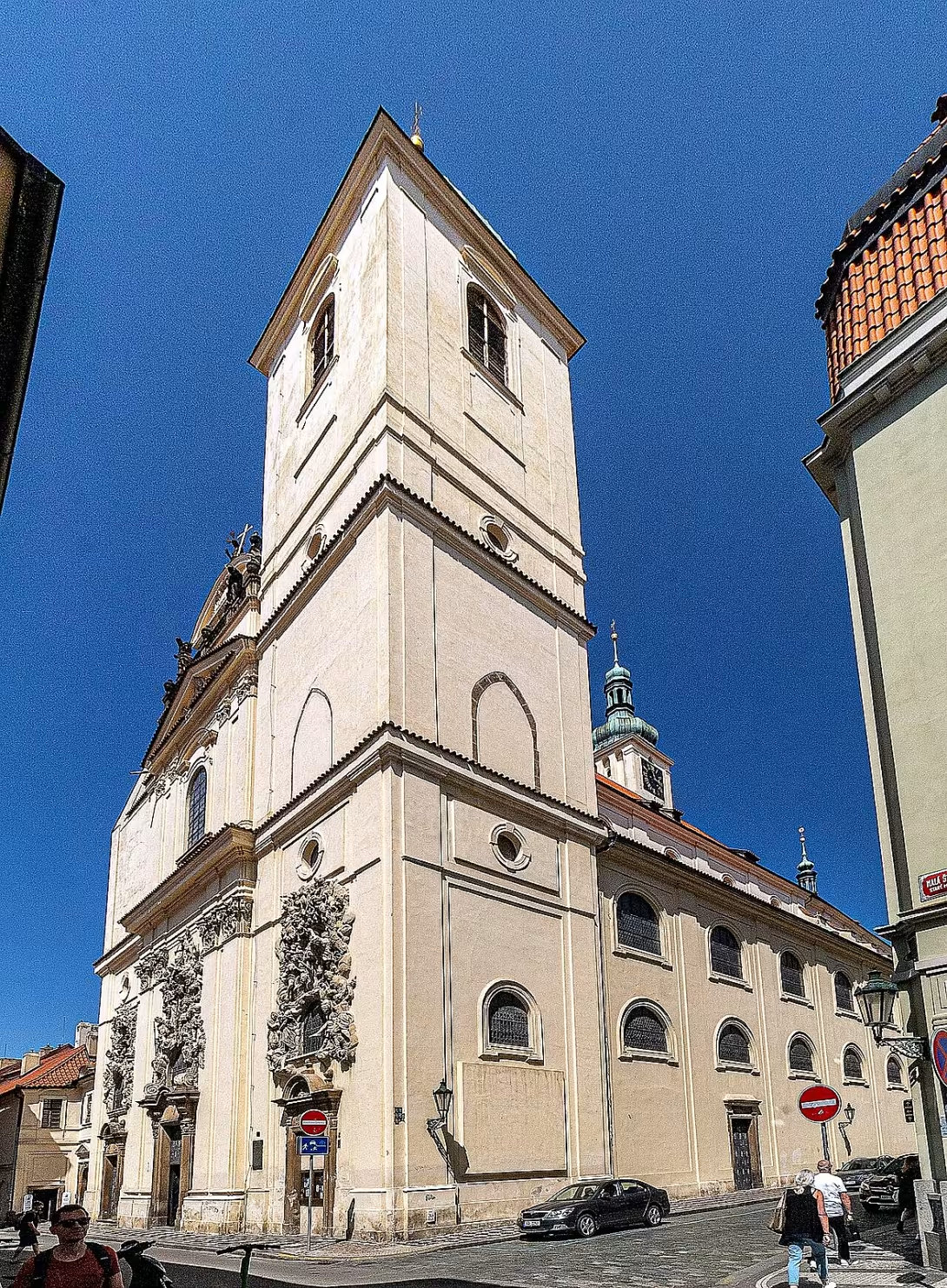
The Basilica of St. James the Greater in Prague stands as a remarkable testament to both Gothic and Baroque architectural styles. Located in the heart of Old Town Prague, this basilica is one of the city's largest churches and holds significant historical and cultural importance. Originally constructed in the 13th century for the Franciscans, it was built following the acquisition of relics belonging to Ottokar I of Bohemia. The church's significance is further enhanced by its status as a minor basilica, granted by Pope Paul VI in 1974.
The origins of the Basilica date back to 1232 when construction began after an older Přemyslid chapel was demolished. This period marked a surge of religious fervor across Europe, influenced by the Crusades and leading to the rise of mendicant orders like the Minorites. King Václav I invited these orders to Prague, reflecting broader European trends towards urbanization and new social structures. By 1244, the original monastery structure was completed, and in 1311, a banquet celebrated King John of Luxembourg's coronation within its walls.
The Basilica underwent significant architectural evolution over the centuries. Initially built in Gothic style, it faced destruction by fire in 1689 during the Nine Years' War, believed to have been started by agents of Louis XIV of France. The subsequent reconstruction introduced Baroque elements, transforming it into one of Prague's largest churches. This new structure featured over 20 altars adorned with paintings by artists such as Jan Jiří Heinsch, Václav Vavřinec Reiner, and Petr Brandl. In 1702, an organ was installed, further enhancing the basilica's cultural significance.
The Basilica is also notable for its association with Count Vratislav of Mitrovice, Bohemian Chancellor to Holy Roman Emperor Joseph I. After his death in Vienna in 1712, his remains were transferred to Prague and placed within a magnificent Baroque tomb designed by Johann Bernhard Fischer von Erlach. A curious feature lies near the tomb: a mummified forearm believed to belong to a jewel thief who attempted to steal from the high altar's Virgin Mary statue. Legend has it that when the thief tried to take the jewels, Mary grasped his arm and would not let go, leading monks to sever it.
The organ within the Basilica is another highlight, originally crafted in 1705 by Abraham Starka of Loket. Over time, it underwent several reconstructions, with significant changes made in 1754, 1906, and 1941. The most recent major reconstruction between 1981 and 1982 restored many of Starka's original sounds using the original pipes, resulting in an instrument with four manuals, 91 stops, and 8,277 pipes.
Today, the Basilica of St. James the Greater remains a vibrant part of Prague's cultural landscape. It hosts regular organ concerts, drawing visitors from around the world to experience its rich history and architectural beauty. Located near significant sites such as Staroměstské náměstí and Náměstí Republiky, it continues to be a focal point for both religious devotion and historical exploration.
Visiting the Basilica offers a unique opportunity to delve into Prague's storied past while appreciating its artistic and architectural achievements. Whether you are drawn by its historical significance or captivated by its musical heritage, the Basilica of St. James the Greater is a must-see destination for anyone exploring Old Town Prague.
Then and now
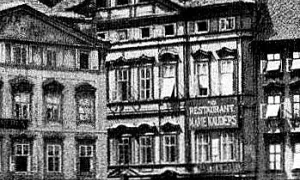
Drag the slider to compare how the landmark may have looked when it was built with the view today.
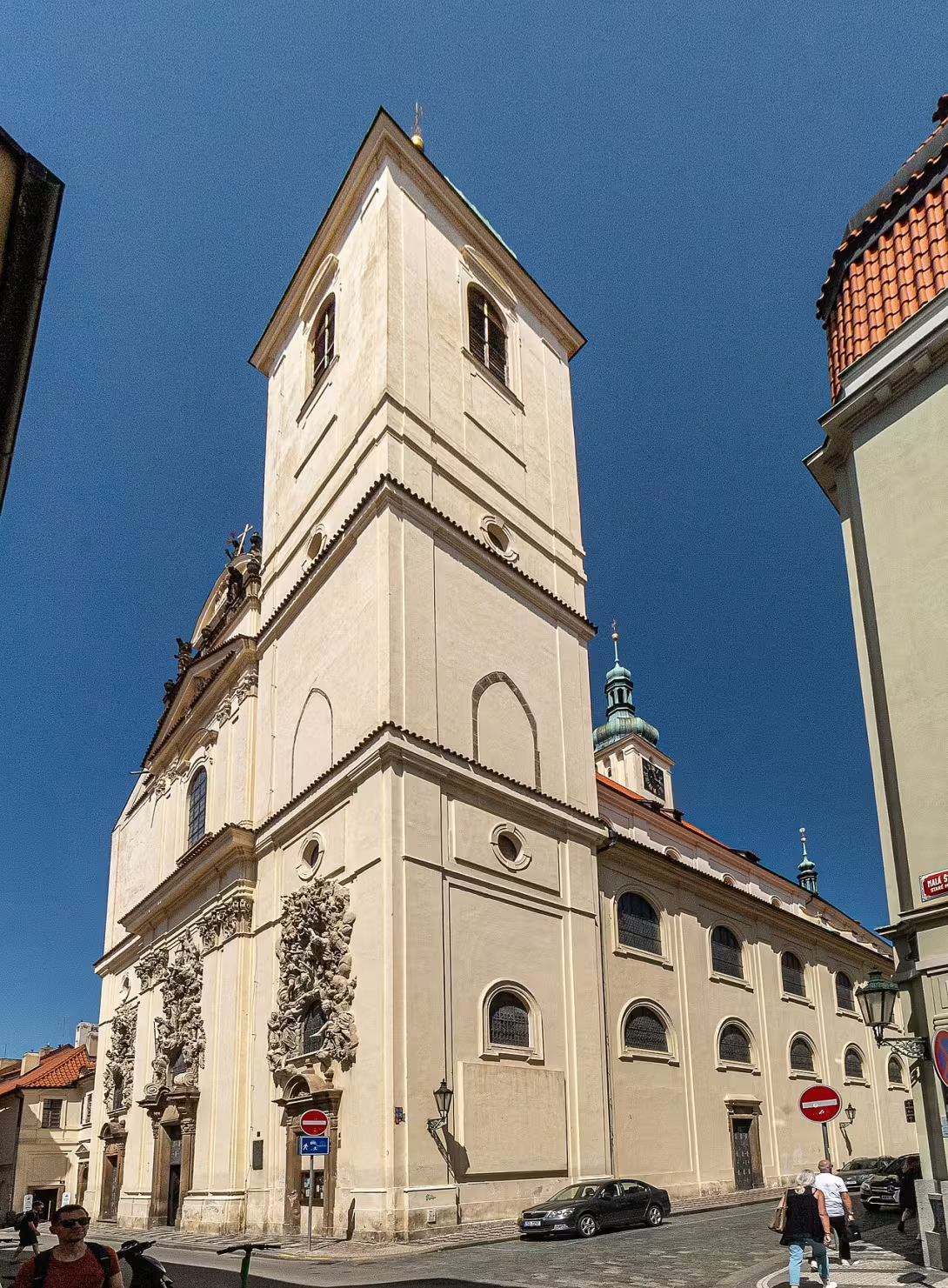
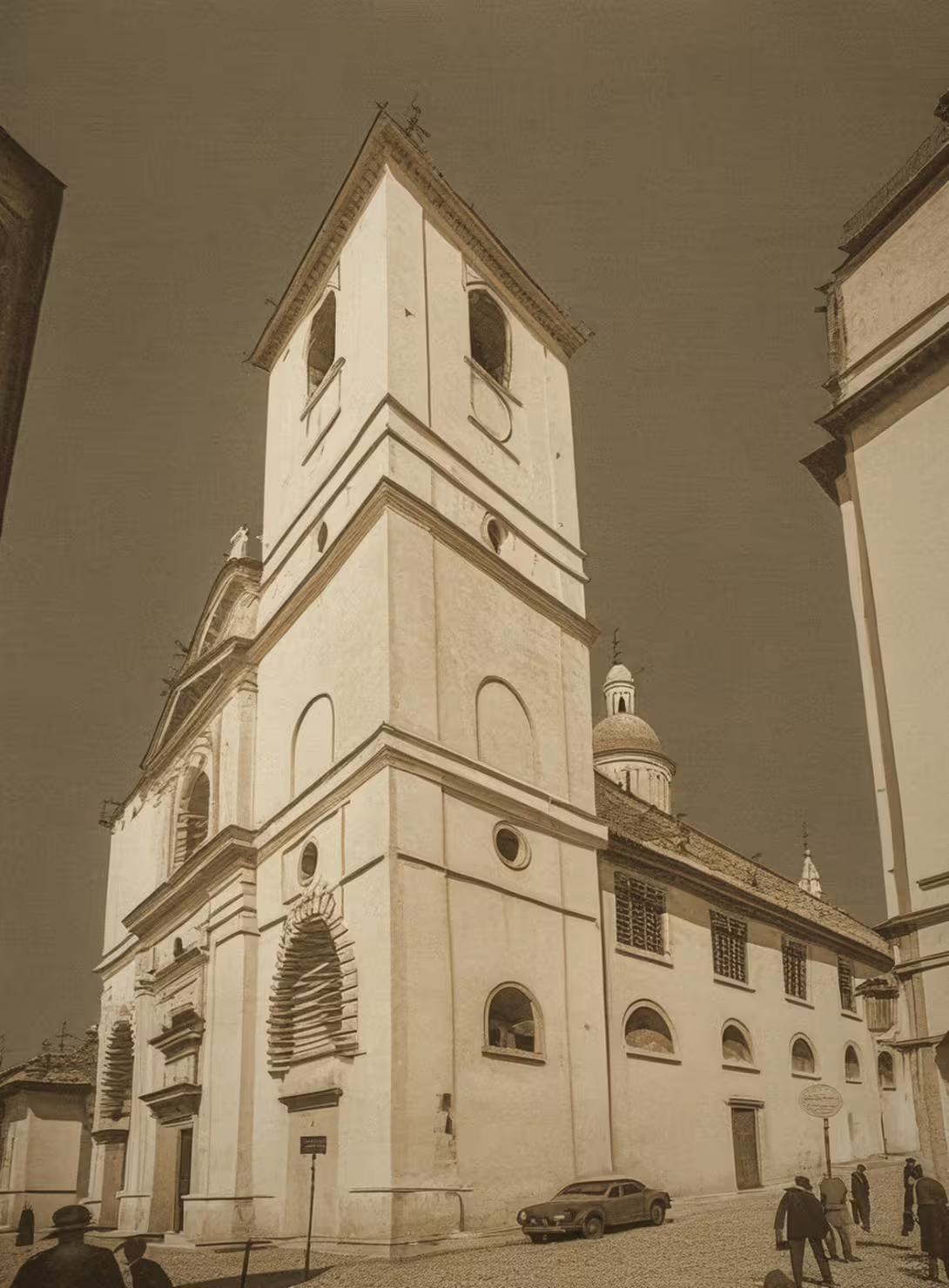
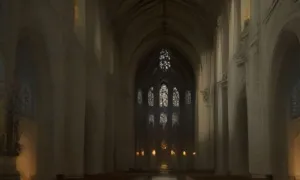
The historical appearance on the left is an AI-generated visualisation and serves as inspiration only.
Historical milestones
- 1232
- Foundation stone laid after demolishing an older chapel.
- 1244
- Completion of the original monastery structure.
- 1311
- Banquet held in the refectory for King John's coronation.
- 1374
- Consecration by Jan Očko z Vlašimi.
Architectural development
The Basilica of St. James the Greater underwent significant architectural evolution, beginning with its Gothic origins in the early 13th century. Following a devastating fire in 1316, King John of Luxembourg spearheaded its reconstruction, introducing Baroque elements and expanding it into one of Prague's largest churches. The basilica features three towers, which were added to serve as landmarks for pilgrims on the St. James Way.
Historical events
1232: Foundation stone laid, marking the beginning of construction after demolishing an older Přemyslid chapel.
1244: Completion of the original monastery structure.
1311: A banquet was held in the refectory to celebrate the coronation of King John of Luxembourg.
1374: Consecration of the church by Jan Očko z Vlašimi.
Points of interest
- The Basilica of St. James the Greater is unique in Prague for its combination of Gothic and Baroque architectural styles, reflecting a significant transformation after being destroyed by fire during the Nine Years' War.
- A peculiar legend surrounds the mummified forearm near Count Vratislav's tomb; it is said to belong to a jewel thief who tried to steal from the Virgin Mary statue at the high altar. According to the tale, when he attempted the theft, Mary grasped his arm and would not let go, leading monks to sever it.
- The organ in the Basilica holds historical significance as one of the oldest musical instruments in Prague, originally built by Abraham Starka of Loket in 1705. Its recent reconstruction between 1981 and 1982 aimed to restore many of its original sounds using the original pipes.
- The basilica's status as a minor basilica was granted relatively late, in 1974 by Pope Paul VI, which underscores its enduring religious importance despite centuries of architectural changes and historical events.
- Within the Basilica lies a Baroque tomb designed by Johann Bernhard Fischer von Erlach for Count Vratislav of Mitrovice, Bohemian Chancellor to Holy Roman Emperor Joseph I. This tomb is notable not only for its artistic design but also for housing the remains of an influential figure in Prague's history.
Guide
This guide is narrated by a synthetic voice generated by artificial intelligence.
Show guide text
This text was created by artificial intelligence and has not been editorially reviewed. It may contain inaccuracies.
The Basilica of Saint James the Greater is one of the largest churches in Prague. It stands in the Old Town on Malá Štupartská Street, halfway between the Old Town Square and the Republic Square. It is a monastery church with an adjoining Minorite monastery, and it ranks among five minor basilicas in Prague. The originally Gothic structure was later rebuilt in the Baroque style. In addition to religious services, organ concerts are regularly held here.
A small palace with a chapel probably stood on this site as early as the end of the twelfth century. Its establishment was probably connected to the fact that Přemysl Otakar I obtained the relics of Saint James. We do not know exactly where the chapel stood or what it looked like.
Saint Agnes first brought the mendicant orders to Bohemia when she founded a convent of the Poor Clares on Františku. With them, Gothic architecture penetrated Prague. Her brother, King Václav I, then summoned the Minorites, or the Lesser Brothers, to Prague. He demonstrated his favor toward them by the choice of location. The monastery grew at an important crossroads near the main Prague marketplace, today's Old Town Square. Nearby stood Ungelt, the courtyard of foreign merchants, and the butcher stalls of the butchers' guild.
The cornerstone was laid in the year twelve thirty-two. The older chapel had to make way, but the new church inherited its dedication. The monastery was completed in twelve forty-four and stood north of today's structure. From that time, early Gothic rib vaults have been preserved in the cellars of the building of the secondary industrial school of communications technology. According to the Zbraslav Chronicle, on February seventh, thirteen eleven, a banquet was held in the monastery refectory in honor of the coronation of Jan Luxemburg.
In thirteen sixteen, a fire destroyed the monastery. Jan Luxemburg and his wife Eliška Přemyslovna undertook the restoration. The nobility built tombs in monasteries and supported them generously, and therefore the new plans were more grandiose than was typical for the Minorites. A spacious three-aisled church with a convent on the north side was created. The three towers are untypical for the Minorites. They are connected with the church's dedication, because the monastery became a stopping point on the Saint James Way to Santiago de Compostela and the towers were to help pilgrims find their way.
In thirteen twenty-three, the chapel of Saint Anne was completed, in thirteen thirty the northern and southern parts of the ambulatory. Finally, the church itself was built, which for unknown reasons deviated from its axis during construction. It was consecrated by Jan Očko z Vlašimi only in thirteen seventy-four. At that time it belonged, together with the Cathedral of Saint Vitus, to the largest and highest churches in Prague.
Tips for visitors
The best time to visit the Basilica of St. James the Greater is during late spring or early autumn when the weather is pleasant, allowing for a comfortable exploration of both the basilica and its surroundings. These seasons offer moderate temperatures and fewer crowds compared to peak tourist months like summer, providing an ideal setting to appreciate the architectural beauty without the hustle. Additionally, visiting in these periods allows you to experience local events that might be taking place around Staroměstské náměstí, adding a vibrant cultural layer to your visit.
Transportation to the basilica is convenient via both public transit and car. The area is well-served by Prague's extensive tram network, with several lines passing close to the basilica, making it easy to reach from other parts of the city.
When planning your visit, consider bringing comfortable walking shoes as exploring Old Town Prague involves navigating cobbled streets and uneven terrain. A camera is also recommended to capture the stunning architecture of the basilica and its surrounding historic sites. For photography enthusiasts, early morning or late afternoon light provides the best conditions for capturing the intricate details and ambiance of the area.
For families with children, visiting the Basilica of St. James the Greater can be both educational and entertaining. The nearby Staroměstské náměstí offers a variety of attractions such as the Astronomical Clock and historic buildings that fascinate young minds. Additionally, the proximity to Náměstí Republiky allows for easy access to other family-friendly spots within walking distance, ensuring an enjoyable day out in Prague's vibrant heart.
Frequently asked questions
Can the monument be visited?
Religious buildings are usually open mainly during services; at other times a visit is normally arranged with the parish or the operator. We have not verified specific times.
Where is the monument?
Location: Staré Město, Hlavní město Praha. The map on this page shows the exact spot.
Why is the monument protected?
It is listed in the Central List of Cultural Monuments of the Czech Republic as a cultural monument. It is protected as part of a larger listed ensemble.
Businesses nearby
Do you run a restaurant, accommodation, shop, museum, rental, wellness or other visitor service near this monument? Show yourself directly to the people heading to it — this is how they will see you in the app and on the web:
Events nearby

Zdroj akcí: otevřená data měst a obcí ČR (Národní katalog otevřených dat) a kalendář akcí Národního památkového ústavu.
Nearby
Located in the heart of Old Town Prague, the basilica is near significant sites such as Staroměstské náměstí and Náměstí Republiky. The area was historically a bustling commercial hub with markets and trade centers.
Accommodation nearby
Trips and activities nearby
Guided tours, tickets and activities nearby from GetYourGuide
Affiliate link: if you buy from the partner, we may receive a commission. The price for you does not change.
Search tours and activities →Themed route
Thematic Walking Tour: Exploring the Heart of Old Town Prague
1. Basilica of St. James the Greater (Bazilika svatého Jakuba Většího) - Type: Basilica - Why Visit: Begin your journey at this stunning basilica located in the heart of Old Town Prague. Known for its Baroque architecture and rich history, it offers a serene escape from the bustling city streets. The church's interior is adorned with beautiful frescoes and intricate stucco work that captivate visitors.
2. Old Town Square (Staroměstské náměstí) - Type: Historic Square - Why Visit: A short walk from the basilica, this iconic square is a vibrant hub of history and culture. Known for its medieval atmosphere, it features landmarks such as the Astronomical Clock and the Church of Our Lady before Týn. The square has been a central point for commerce and public life since the 13th century.
3. Wenceslas Square (Náměstí Republiky) - Type: Urban Square - Why Visit: Continue your exploration to this bustling urban space, which connects Old Town with other parts of Prague. Náměstí Republiky is a major commercial and cultural center, known for its lively atmosphere and as a starting point for many city tours. The square's modern architecture contrasts beautifully with the historic surroundings.
4. Old Town Hall (Staroměstská radnice) - Type: Historic Building - Why Visit: Adjacent to Old Town Square, this Gothic-Renaissance building is a testament to Prague’s architectural evolution. The tower offers panoramic views of the city and houses an exhibition on the history of the square. Its astronomical clock is another must-see feature, showcasing medieval craftsmanship.
5. Jewish Quarter (Josefov) - Type: Historic District - Why Visit: Conclude your tour in this historically significant area just a short distance from Old Town Square. The Jewish Quarter offers a poignant glimpse into Prague's past with sites like the Old New Synagogue and the Pinkas Synagogue, which houses memorial walls for Holocaust victims. This district is rich in history and culture, providing insight into the diverse heritage of Prague.
This tour encapsulates the essence of Old Town Prague, offering a blend of architectural beauty, historical depth, and cultural richness.
Seasonal recommendations
Spring: The arrival of spring at the Basilica of St. James the Greater is marked by a rejuvenating atmosphere as nature awakens around Staré Město. The soft, diffused light filtering through budding trees creates a serene and picturesque setting for visitors. This season often sees an increase in tourists drawn to Prague's blossoming beauty, so it’s advisable to visit early in the day to avoid larger crowds. Light layers are recommended due to fluctuating temperatures, allowing you to adapt comfortably as the day progresses.
Summer: Summer at the Basilica of St. James the Greater offers vibrant energy and long daylight hours, perfect for exploring Prague's historic charm. The warm weather invites visitors to linger in the open spaces around the basilica, where they can enjoy outdoor cafes and street performances. With higher tourist traffic during this peak season, it’s best to arrive early or visit later in the afternoon when crowds begin to thin out. Comfortable walking shoes and light clothing are recommended, along with sun protection for a pleasant experience.
Autumn: Autumn transforms the Basilica of St. James the Greater into a warm haven amidst the cool, colorful landscape of Staré Město. The falling leaves create a picturesque backdrop that enhances the basilica's architectural beauty. As temperatures drop, it’s wise to dress in layers and bring a light jacket for the crisp air. This season offers fewer crowds compared to summer, making it an ideal time for those seeking a more tranquil visit. The softer lighting of late afternoon can add a magical touch to your exploration.
Winter: Winter at the Basilica of St. James the Greater is characterized by its enchanting snow-covered surroundings and festive atmosphere in Staré Město. The shorter days mean earlier closures, so plan your visit accordingly to make the most of the daylight hours. While the basilica itself remains a serene refuge from the bustling city streets, it's advisable to dress warmly with layers, hats, gloves, and scarves to enjoy the experience comfortably. Despite potential icy conditions, the winter charm adds a unique allure to this historic site.
Visualizations and artistic views


The visualisations are generated by artificial intelligence and serve as inspiration.
Photos from the area
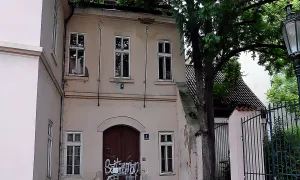
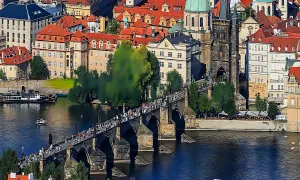
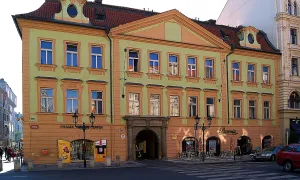
Real photos taken near the monument

Zdroj a licence jsou uvedeny u každého snímku.
Tips from visitors
No tips yet. Be the first!
Log in and add your tip.
Sources and literature
Photos: VitVit / CC BY-SA 4.0 — Wikimedia Commons. The author and licence also appear when you hover over the image.
Faktickým podkladem tohoto textu byl článek na Wikipedii, jehož autory jsou přispěvatelé Wikipedie. Článek je dostupný pod licencí CC BY-SA 4.0.
Location on the map

Příběhy a pověsti
Legendy, pověsti a příběhy spjaté s touto památkou
Fotografie návštěvníků
Zatím žádné fotografie. Buďte první, kdo přidá fotografii z návštěvy!
Log in a přidejte svou fotografii nebo hodnoťte.
Za ověřenou návštěvu v aplikaci získáte víc bodů — poznáme podle GPS, že jste na místě.
Reviews and comments