



Brána svatého Ondřeje Gate
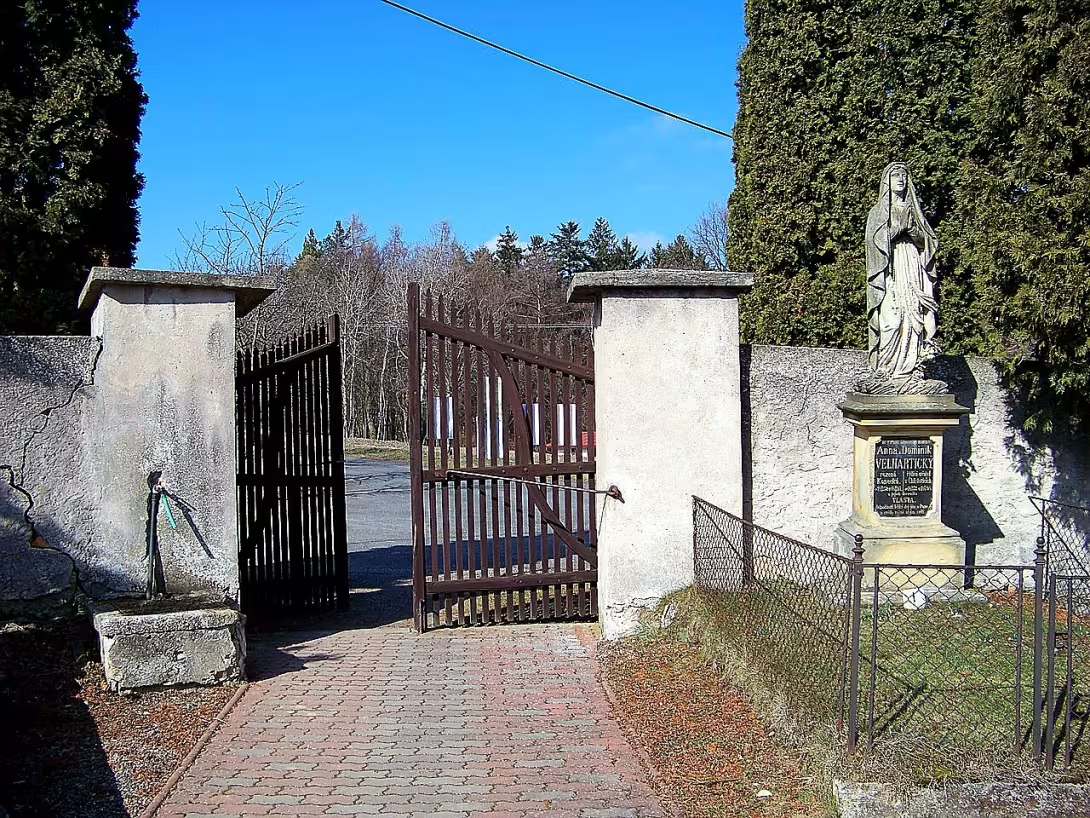
Objekt se nedochoval — na místě dnes nestojí. Následující text popisuje jeho historii, ne současnou návštěvu.
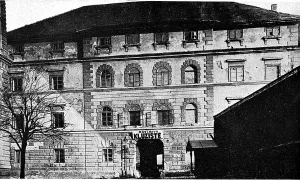
Brána svatého Ondřeje was a medieval gate in Prague's fortifications, located at the end of Betlémská Street in Staré Město. Named after the nearby Church of St. Andrew, it formed part of the city's defensive walls alongside other gates such as Brána svatého Štěpána to the south and Brána svatého Jana on the rampart to the north. Although no longer standing, its historical significance is rooted in its role within Prague’s urban defense system during a period when the city was a significant center of political and cultural activity.
The gate's origins are tied to the medieval fortifications that surrounded Prague, serving as an essential component for the city's defense against various threats. While specific details about its construction are not documented, it is clear that Brána svatého Ondřeje was integral to the network of gates protecting Staré Město. Its strategic location at the end of Betlémská Street highlights its importance in controlling access and movement within the city.
The area around Brána svatého Ondřeje held several notable features during the 15th century, reflecting its vibrant urban life. Nearby, apothecary Augustin owned four mills whose dam extended to Střelecký ostrov and further mills on Malá Strana. This indicates a thriving economic activity centered around water management and milling. Additionally, the gate was adjacent to baths that were destroyed by floods in 1432 but subsequently rebuilt within the same century, showcasing resilience and adaptation to natural challenges.
The vicinity of Brána svatého Ondřeje also had other significant landmarks contributing to its historical context. The area was known as "Dolní Solní" due to a salt storehouse located there, emphasizing its role in trade and storage. Furthermore, it was referred to as "Převozní uličkou," or Ferry Street, because of a ferry crossing situated near the gate, highlighting its function as a transportation hub.
Key events associated with Brána svatého Ondřeje include the devastating floods of 1432 that destroyed both the baths and Augustin's mills. This event underscores the challenges faced by medieval Prague in managing natural disasters while maintaining urban infrastructure. Despite these setbacks, the community demonstrated resilience by rebuilding essential facilities within the same century.
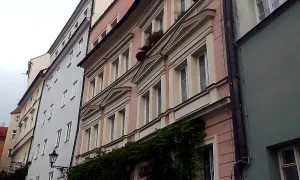
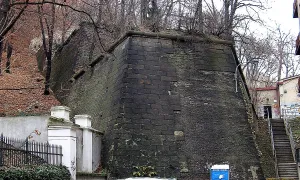
Today, Brána svatého Ondřeje no longer exists as a physical structure, but its historical footprint remains significant for those interested in Prague's rich past. While visitors cannot see the gate itself, exploring Staré Město offers insights into the medieval urban landscape that once included this important fortification. The nearby Church of St. Andrew and remnants of the city’s ancient walls provide context to the area where Brána svatého Ondřeje once stood.
Reflecting on its value, Brána svatého Ondřeje serves as a reminder of Prague's historical resilience and strategic importance during medieval times. Its story invites visitors to delve deeper into the city’s past, exploring how such structures contributed to the cultural and economic fabric of Staré Město. For those intrigued by history, a visit to this area offers a tangible connection to the vibrant life that once thrived around this now-vanished gate.
Historical milestones
- 1432
- Floods destroyed the baths and four mills owned by apothecary Augustin near the gate.
Historical events
In the 15th century, baths were located near the gate, which were destroyed by floods in 1432 and subsequently rebuilt within the same century.
The area around the gate was known as 'Dolní Solní' due to a salt storehouse, and it was also referred to as 'Převozní uličkou' because of a ferry crossing located there.
Points of interest
- Although Brána svatého Ondřeje no longer exists, its location at the end of Betlémská Street was once a bustling hub for trade and transportation, highlighted by nearby features like Ferry Street and a salt storehouse.
- The area around Brána svatého Ondřeje experienced significant flooding in 1432, which destroyed local baths and mills owned by apothecary Augustin, demonstrating the challenges of medieval urban life and infrastructure resilience.
- Despite its absence today, the gate's strategic position was crucial for controlling access to Staré Město, serving as a key part of Prague’s defensive network alongside other gates like Brána svatého Štěpána and Brána svatého Jana.
- The nearby Church of St. Andrew not only lent its name to the gate but also served as a landmark for medieval travelers, indicating the interconnection between religious sites and urban fortifications in Prague’s history.
- The reconstruction of the baths destroyed by the 1432 floods within the same century illustrates the community's determination to restore essential services despite natural disasters, reflecting the adaptive spirit of medieval Prague.
Guide
This guide is narrated by a synthetic voice generated by artificial intelligence.
Show guide text
This text was created by artificial intelligence and has not been editorially reviewed. It may contain inaccuracies.
Welcome to the historic site of Brána svatého Ondřeje, once a significant gate within Prague's medieval fortifications in Staré Město. As you stand here at the end of Betlémská Street, imagine the bustling activity that would have surrounded this location centuries ago—a hub for trade and transportation vital to the city's lifeblood.
Brána svatého Ondřeje was part of a larger defensive system designed to protect Prague. It stood alongside other gates such as Brána svatého Štěpána to the south and Brána svatého Jana to the north, forming an integral component of the city's defenses. Although the gate itself no longer stands, its historical significance is palpable in this area.
The location was not only strategic but also a witness to significant events. In 1432, for instance, floods devastated nearby structures, including baths and mills owned by apothecary Augustin, highlighting the challenges faced by those who lived here during medieval times. Such events remind us of the resilience required to maintain life in this historic city.
As you stand here, imagine the architecture that once defined this space—a testament to the craftsmanship of unknown architects whose work has left an indelible mark on Prague's history. While specific details are lost to time, envision the sturdy construction and strategic design intended to protect and serve the city.
The area around Brána svatého Ondřeje was a vibrant center for commerce. Nearby features like Ferry Street and a salt storehouse underscored its importance as a trade nexus. These elements contributed to an atmosphere of constant activity, with goods and people moving through this crucial point in Prague's urban landscape.
One intriguing aspect of Brána svatého Ondřeje is its connection to the nearby Church of St. Andrew, from which it derived its name. This relationship highlights the interplay between religious and civic life in medieval Prague, where churches often served as focal points for communities.
As we conclude this auditory journey, take a moment to reflect on the layers of history that have unfolded here at Brána svatého Ondřeje. While the physical structure may no longer exist, its legacy endures through stories and records, inviting us to explore further the rich tapestry of Prague's past.
Thank you for joining me today. As you continue your exploration of Staré Město, I encourage you to delve deeper into the history that surrounds you, discovering more about the vibrant life that once thrived in this historic city. Safe travels on your journey through time!
Businesses nearby
Do you run a restaurant, accommodation, shop, museum, rental, wellness or other visitor service near this monument? Show yourself directly to the people heading to it — this is how they will see you in the app and on the web:
Events nearby

Zdroj akcí: otevřená data měst a obcí ČR (Národní katalog otevřených dat) a kalendář akcí Národního památkového ústavu.
Visualizations and artistic views


The visualisations are generated by artificial intelligence and serve as inspiration.
Photos from the area
Real photos taken near the monument

Zdroj a licence jsou uvedeny u každého snímku.
Tips from visitors
No tips yet. Be the first!
Log in and add your tip.
Sources and literature
Faktickým podkladem tohoto textu byl článek na Wikipedii, jehož autory jsou přispěvatelé Wikipedie. Článek je dostupný pod licencí CC BY-SA 4.0.
Location on the map
Příběhy a pověsti
Legendy, pověsti a příběhy spjaté s touto památkou
Příběh: Brána svatého Ondřeje
Bylo to v pondělí ráno, kdy Bartoloměj z Říčany opustil své obydlí na Betlémské ulici a vyrazil do města podle svých běžných zvyků. Když se blížil k Bráně sv…
Číst příběh
Pověst: Brána svatého Ondřeje
Traduje se, že ještě v dobách, kdy kamenná Brána svatého Ondřeje pevně svírala konec Betlémské ulice, žil v jejím stínu muž, jehož jméno znal každý pražský m…
Číst příběhFotografie návštěvníků
Zatím žádné fotografie. Buďte první, kdo přidá fotografii z návštěvy!
Log in a přidejte svou fotografii nebo hodnoťte.
Za ověřenou návštěvu v aplikaci získáte víc bodů — poznáme podle GPS, že jste na místě.
Reviews and comments