






Bratronice Chateau
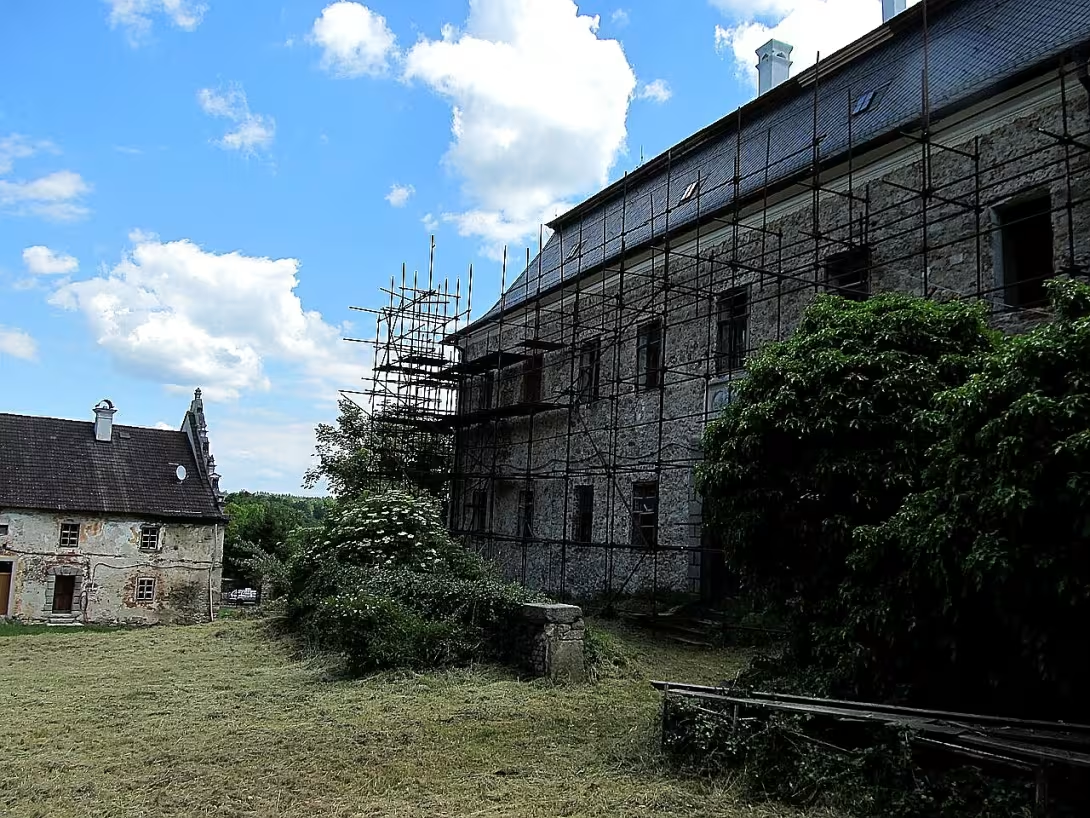
Bratronice Chateau stands as a testament to architectural evolution and historical significance in Bratronice village, located within Jihočeský kraj, Czech Republic. Originally built on the site of an earlier fortress in the 14th century, it was transformed into its current Renaissance form by Jan Horčic z Prostého in the early 17th century. This transformation occurred during a period marked by political and religious upheaval across Europe, notably the Thirty Years' War. The chateau's architectural journey continued with further modifications in the 18th century, incorporating Baroque and Classical styles. Today, Bratronice Chateau is recognized as a protected cultural monument, reflecting its enduring historical and architectural importance.
The origins of Bratronice Chateau trace back to a fortress established in the 14th century by Mikuláš z Bratronic. The site's transformation into a Renaissance chateau began with Jan Horčic z Prostého, who undertook significant renovations in the early 17th century. This period was characterized by notable political and religious tensions within Bohemia, part of the broader context of the Thirty Years' War. These historical circumstances influenced the architectural and functional evolution of the site.
Architecturally, Bratronice Chateau is distinguished by its Renaissance style, later enhanced with Baroque and Classical elements in the 18th century. The main building features an oblong plan topped with a mansard roof, while a chapel adjoins the east side. These modifications reflect evolving tastes and influences of different periods, contributing to the chateau's unique character.
Ownership of Bratronice Chateau has seen several notable figures throughout its history. Jan Horčic z Prostého initiated its transformation in the early 17th century. In 1699, Adam Antonín Lažanský z Bukové acquired the property, followed by Kristián Josef Gfässer after 1737. The Battagli family owned it from 1864 until their expropriation post-1948 due to political changes in Czechoslovakia. In a significant restitution event in 1990, the chateau was returned to descendants of the Czech branch of the Battagli family. Currently, Jiří Lobkowicz holds ownership.
Key events and curiosities associated with Bratronice Chateau include its transformation from fortress to Renaissance structure by Jan Horčic z Prostého. The property's architectural evolution in the 18th century further highlights its historical significance. Additionally, the chateau has cultural connections through literature; writer Ota Pavel visited it and wrote about its last owners, Blanka and Christian Battaglio, in his story "Baroni na kolech." Jana Poncarová also featured Blanka in her novel "Cyklistka: osud poslední baronky," adding a layer of cultural intrigue to the site. The nearby Rošický Forest serves as a burial site for the Enis and Battaglio families, further linking the chateau to its historical narratives.
Today, Bratronice Chateau remains an accessible monument within a village setting, surrounded by agricultural courtyards and parks. Its rich history, architectural evolution, and cultural connections make it a compelling destination for visitors interested in exploring Czech heritage. The chateau's significance is not only rooted in its past but also in its ability to connect contemporary audiences with the stories of those who shaped its legacy. Visitors are invited to experience this remarkable site firsthand, where history and architecture converge to tell a captivating story.
Then and now
Drag the slider to compare how the landmark may have looked when it was built with the view today.
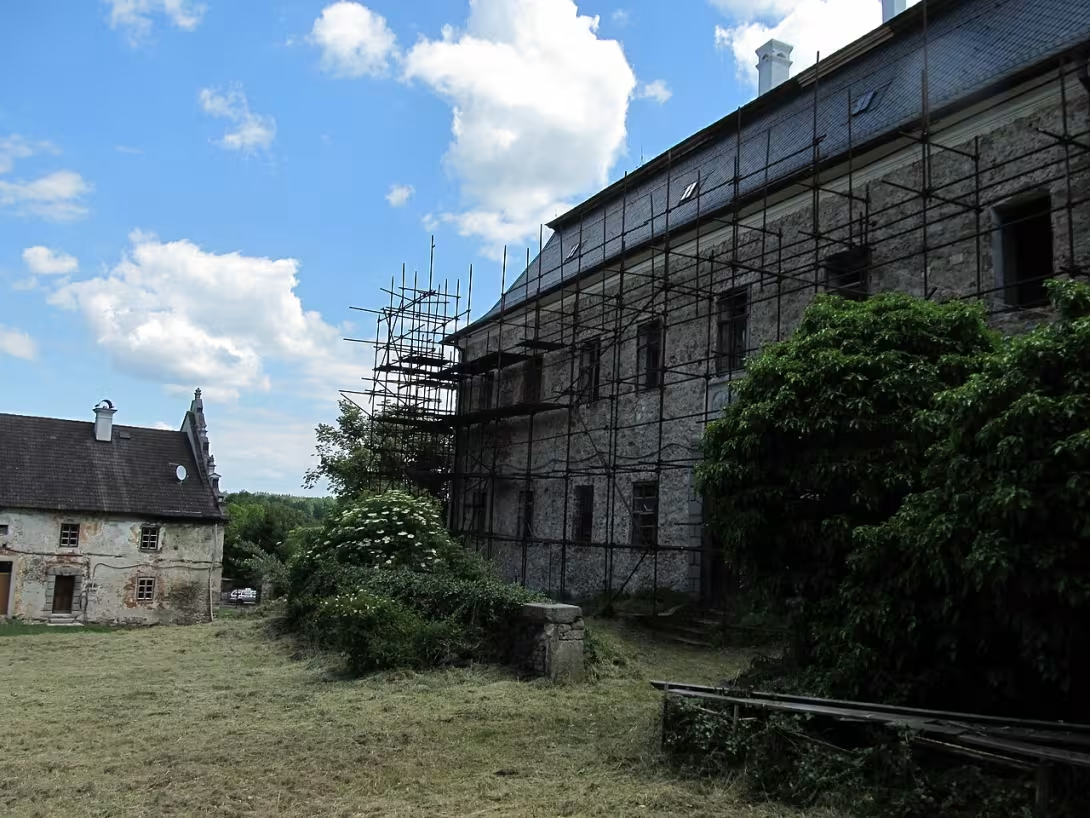

The historical appearance on the left is an AI-generated visualisation and serves as inspiration only.
Historical milestones
- 1361
- Mikuláš z Bratronic resided at the site.
- 1616
- Jan Horčic, who transformed the fortress into a Renaissance chateau, died.
- 1699
- Adam Antonín Lažanský z Bukové acquired Bratronice.
- 1990
- The chateau was restituted to descendants of the Battagli family.
Architectural development
The chateau began as a fortress in the 14th century and was transformed into a Renaissance structure by Jan Horčic z Prostého in the early 17th century. It underwent further modifications in the 18th century, incorporating Baroque and Classical elements. The main building features an oblong plan with a mansard roof, and it includes a chapel attached to its east side.
Historical events
Transformation from fortress to Renaissance chateau by Jan Horčic z Prostého in the early 17th century.
Further architectural modifications in the 18th century, incorporating Baroque and Classical styles.
Expropriation of the Battagli family's property post-1948.
Restitution to descendants of the Czech branch of the Battagli family in 1990.
Owners
Jan Horčic z Prostého (early 17th century)
Adam Antonín Lažanský z Bukové (1699-1737)
Kristián Josef Gfässer (post-1737)
Battagli family (1864-1945)
Jiří Lobkowicz (post-2007)
Points of interest
- Bratronice Chateau's transformation from a fortress to its Renaissance form was initiated during the early 17th century by Jan Horčic z Prostého, amidst the turbulent era of the Thirty Years' War. This period significantly influenced both the architectural style and strategic importance of the chateau.
- The chateau has been owned by several notable figures throughout history, including Adam Antonín Lažanský z Bukové in 1699 and Kristián Josef Gfässer after 1737. These owners contributed to its evolving architecture and historical narrative, reflecting broader European cultural shifts.
- Writer Ota Pavel visited Bratronice Chateau and wrote about its last owners, Blanka and Christian Battaglio, in his story "Baroni na kolech." This literary connection adds a layer of cultural intrigue, highlighting the chateau's influence beyond architectural history.
- The nearby Rošický Forest serves as a burial site for members of the Enis and Battaglio families. This proximity links the chateau to its historical narratives, offering insights into the personal histories associated with its past owners.
- In 1990, Bratronice Chateau was returned to descendants of the Czech branch of the Battagli family in a significant restitution event following political changes in Czechoslovakia. This return marked an important moment in the chateau's history, reflecting broader post-communist restitutions across Europe.
Guide
This guide is narrated by a synthetic voice generated by artificial intelligence.
Show guide text
This text was created by artificial intelligence and has not been editorially reviewed. It may contain inaccuracies.
Welcome to Bratronice Chateau, a remarkable testament to history nestled in the charming village of Jihočeský kraj. As you stand here, take a moment to absorb the grandeur before you—a structure that has witnessed centuries unfold, its walls echoing stories from times long past.
The origins of this majestic chateau trace back to the 14th century when Mikuláš z Bratronic made it his residence. Over time, the site evolved from a simple fortress into the Renaissance masterpiece we see today. The transformation began in earnest in the early 17th century, spearheaded by Jan Horčic z Prostého. Amidst the turbulence of the Thirty Years' War, he reimagined the structure, infusing it with Renaissance elegance and strategic fortification.
As you explore, notice how the chateau's architecture has been shaped by various hands over the centuries. The early 17th-century renovations under Jan Horčic z Prostého laid the foundation for its current form. Later in the 18th century, further modifications introduced Baroque and Classical elements, creating a harmonious blend of styles that you can still appreciate today.
The chateau's history is rich with intriguing figures who have left their mark here. In 1699, Adam Antonín Lažanský z Bukové acquired Bratronice, adding another chapter to its storied past. The chateau also has connections to notable personalities like Kateřina z Kokořova and Kristián Josef Gfässer, each contributing to its legacy in their own way.
One of the most fascinating aspects of Bratronice Chateau is its journey through time. In 1990, it was restituted to descendants of the Battagli family, a poignant reminder of how history's threads are woven into the present day.
As you continue your exploration, let yourself be drawn into the chateau's atmosphere—its blend of architectural styles and historical depth creating an enchanting experience. Each corner holds echoes of the past, inviting you to imagine the lives that once moved through these halls.
We invite you to delve deeper into this captivating site, where every stone tells a story. Thank you for joining us on this journey through time at Bratronice Chateau. May your visit be both enlightening and inspiring.
Tips for visitors
The best time to visit Bratronice Chateau is during late spring or early autumn when the weather is mild, making it ideal for exploring both the chateau grounds and the surrounding Rošický Forest. This period also offers beautiful natural lighting for photography, enhancing the picturesque views of the Renaissance architecture and lush landscapes.
When visiting Bratronice Chateau, consider bringing comfortable walking shoes as you'll likely explore both the chateau grounds and the surrounding park area. Sunscreen, hats, or umbrellas are also recommended depending on the weather. A camera is a must for capturing the stunning views of the chateau and its historical ambiance, especially during golden hours.
Photography enthusiasts will find several spots around Bratronice Chateau ideal for capturing its beauty. The best lighting conditions are typically in the early morning or late afternoon when the sunlight softly illuminates the chateau's features. The park area offers a serene backdrop for landscape shots, while the interior of the chateau provides unique opportunities for architectural photography.
For families with children visiting Bratronice Chateau, the nearby Rošický Forest is an excellent spot to explore after touring the chateau. It's perfect for a leisurely walk or a picnic amidst nature. The forest also contains historical sites like the burial site of the Enis and Battaglio families, offering educational opportunities in a family-friendly setting.
Frequently asked questions
Can the monument be visited?
Some buildings of this kind are open for guided tours, others serve another purpose or are privately owned. We have not verified whether and when this monument is open – please ask the operator.
What are the opening hours and admission?
We have not verified the opening hours or admission. Current information is published by the operator.
Where is the monument?
Location: č.p. 1, Bratronice, Jihočeský kraj. The map on this page shows the exact spot.
Why is the monument protected?
It is listed in the Central List of Cultural Monuments of the Czech Republic as a cultural monument (register no. 15367/3-4044).
Businesses nearby
Do you run a restaurant, accommodation, shop, museum, rental, wellness or other visitor service near this monument? Show yourself directly to the people heading to it — this is how they will see you in the app and on the web:
Nearby
Bratronice Chateau is situated in a village setting with an agricultural courtyard and park. Nearby features include the Rošický Forest, which contains the burial site of the Enis and Battaglio families.
Accommodation nearby
Themed route
Thematic Vlog Tour: Bratronice Chateau and Surroundings
1. Bratronice Chateau - Type: Historical Site - Why Visit: Begin your journey at the heart of Bratronice, where the chateau stands majestically amidst a serene village setting. Explore its rich history and architectural beauty, with an agricultural courtyard that offers a glimpse into traditional Czech rural life.
2. Castle Park - Type: Natural Area - Why Visit: After exploring the chateau, take a leisurely stroll through the surrounding park. This green oasis provides a peaceful retreat where you can enjoy scenic views and perhaps spot local wildlife. It's an ideal place to relax and reflect on your visit.
3. Rošický Forest - Type: Natural Area - Why Visit: A short drive or walk from the chateau, Rošický Forest invites nature enthusiasts with its lush landscapes. The forest is not only a haven for hiking but also holds historical significance as it contains the burial site of the Enis and Battaglio families, adding an intriguing layer to your exploration.
4. Enis and Battaglio Burial Site - Type: Historical Site - Why Visit: Within Rošický Forest lies this poignant memorial. Discover the stories behind these notable figures and their connection to the region. It's a reflective stop that ties together history and nature, offering a unique perspective on Bratronice’s past.
5. Return to Bratronice Chateau - Type: Historical Site - Why Visit: Conclude your tour back at the chateau where you can revisit any areas of interest or simply enjoy the ambiance of this historical landmark one more time. Reflect on the day's discoveries and the rich tapestry of history and nature that defines Bratronice.
This thematic route offers a balanced mix of cultural heritage and natural beauty, providing an enriching experience for visitors to Bratronice Chateau and its surroundings.
Seasonal recommendations
Spring: Visiting Bratronice Chateau during spring offers a rejuvenating experience as the landscape bursts into life with blooming flowers and fresh greenery, creating a picturesque backdrop for exploring the historic site. The mild weather allows visitors to comfortably stroll through the chateau grounds and enjoy outdoor activities. It's advisable to wear layers that can be adjusted throughout the day due to fluctuating temperatures. Spring is generally less crowded than summer, making it an ideal time for those seeking a more tranquil visit.
Summer: Summer at Bratronice Chateau is characterized by vibrant nature and longer daylight hours, enhancing the beauty of its historic architecture. The warm weather invites visitors to spend extended periods exploring both indoors and outdoors, with lush gardens providing a perfect setting for leisurely walks or picnics. To avoid large crowds, it's recommended to arrive early in the day. Comfortable walking shoes and light clothing are essential due to the heat, along with sun protection such as hats and sunscreen.
Autumn: Autumn brings a stunning display of colors to Bratronice Chateau, with the surrounding landscape adorned in shades of orange, red, and gold. The cooler temperatures make it a pleasant time for longer visits without the summer heat. This season is ideal for photography enthusiasts looking to capture the chateau's beauty against the backdrop of fall foliage. Visitors should dress warmly in layers as the weather can be unpredictable, with potential chilly mornings and evenings.
Winter: Winter transforms Bratronice Chateau into a serene and magical destination, often covered in a blanket of snow that adds an enchanting atmosphere to its historic charm. This season offers a quieter visit with fewer tourists, allowing for a more intimate experience. Visitors should dress warmly in thermal layers, wear waterproof boots, and bring gloves and hats to fully enjoy the winter wonderland setting.
Visualizations and artistic views


The visualisations are generated by artificial intelligence and serve as inspiration.
Photos from the area
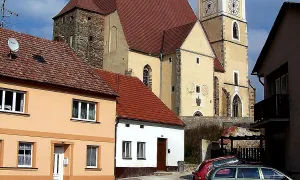
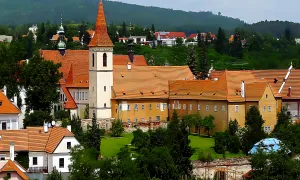
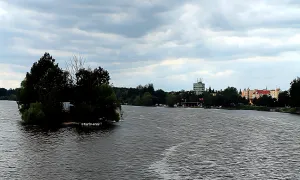
Real photos taken near the monument


Zdroj a licence jsou uvedeny u každého snímku.
Tips from visitors
No tips yet. Be the first!
Log in and add your tip.
Sources and literature
Photos: Helena Dvořáková / CC BY-SA 4.0 — Wikimedia Commons. The author and licence also appear when you hover over the image.
Faktickým podkladem tohoto textu byl článek na Wikipedii, jehož autory jsou přispěvatelé Wikipedie. Článek je dostupný pod licencí CC BY-SA 4.0.
Location on the map

Příběhy a pověsti
Legendy, pověsti a příběhy spjaté s touto památkou
Fotografie návštěvníků
Zatím žádné fotografie. Buďte první, kdo přidá fotografii z návštěvy!
Log in a přidejte svou fotografii nebo hodnoťte.
Za ověřenou návštěvu v aplikaci získáte víc bodů — poznáme podle GPS, že jste na místě.
Reviews and comments