



Budova Podlipanského muzea Museum building
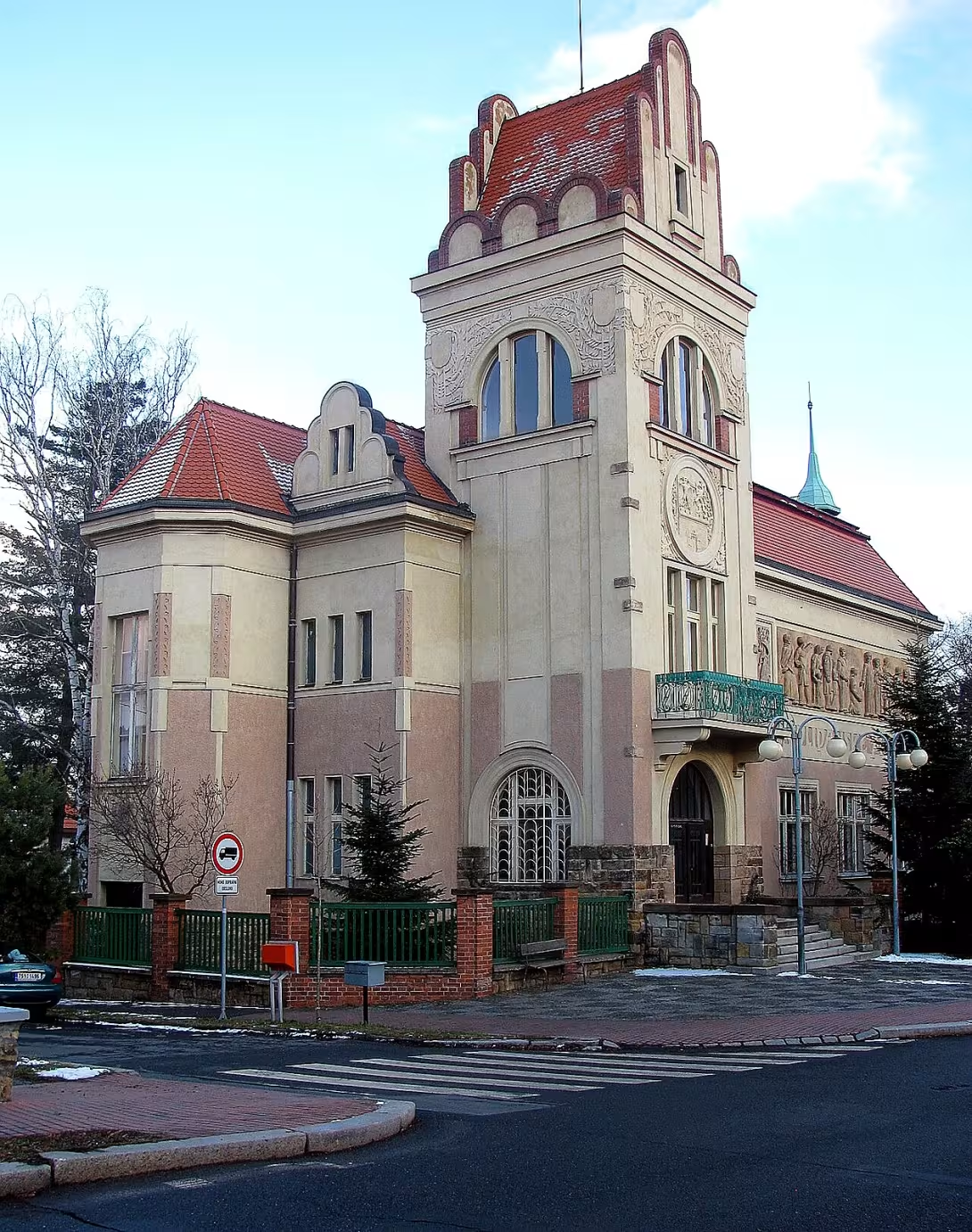
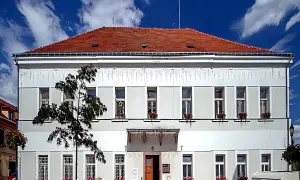
Budova Podlipanského muzea is a cultural monument of the Czech Republic in the village Český Brod in the district of Kolín in the Central Bohemia region. The building was built by a renowned architect Antonín Balšánek during the period of cultural flourishing of the city.
The monument is located in a quiet part of the village, which consists mainly of low housing of family houses and villas. Location at the address Žitomířská 761 corresponds to the nature of the surrounding environment.
The key aspect of architecture is the authorship of Antonín Balšánek. Specific details on materials or building elements are not specified in the available register documents.
The building is registered in the register of cultural monuments under number 12417 / 2-4239. This protection confirms its importance for local cultural heritage.
The building serves as a museum and testifies to the development of Czech Brod. Its value lies in linking the architecture of a particular creator to the history of the city.
Visiting the building offers the possibility to see architecture from the flowering of the city within a quiet residential zone. It is a place that documents the cultural identity of the region.
Points of interest
- The building was built by a renowned architect Antonín Balšánek during the time of cultural flourishing of the city. - The building is registered in the register of cultural monuments under number 12417 / 2-4239. The building serves as a museum and testifies to the development of Czech Brod. - The monument stands in a quiet part of the village in the area of low housing of family houses and villas.
Guide
Show guide text
This text was created by artificial intelligence and has not been editorially reviewed. It may contain inaccuracies.
Welcome to Czech Broda, in the heart of Central Bohemia. Right now you're standing in front of the Podlipan Museum building, which carries the silent testimony of the history of this place right in the premises of the Kolín district. If you look at it now, you will see a building that is officially recognized as a cultural monument of the Czech Republic. It is a place where the memory of the region meets architectural art, and that is why it is so important that you look at it in peace now.
Let's think together about how this building came into being. Although the exact date of its filing is not clearly defined in the records, we know one fundamental thing about it that gives it considerable weight. The project was created by Antonín Balšánek. If that name sounds familiar in our context, it's because it was a very important creator of its time. Balšanek put precision and taste into his works, which is also visible here. The building was not built randomly, it was intended to serve as a space for preserving values and passing knowledge to future generations, which is exactly what the museum represents in the core.
Now pay attention to the architecture itself. Look at the overall composition of the building that's surrounding you right now. Note how the building is inserted into the surroundings of Český Brod. Even if we do not talk about specific materials or ornaments that could be deceptive, I suggest you now carefully monitor the building lines and the way in which they are laid out. Look at the facade and see the atmosphere that this space radiates. The architecture of Antonín Balšánka is often characterized by its balance and harmony, and it is these elements you must try to perceive in the overall impression of the building. It's a space that's not meant to be loud, but rather dignified, which exactly matches the function of the museum.
When we think about the people who were connected to this place, we have to get back to the creator, Balshank. Imagine how he planned at the time of the building's creation, to make people feel comfortable in these areas and to make the exhibition collection protected and accessible to the public. Although history has not noticed specific personalities writing their memoirs in these walls or having major political debates here, the very existence of the museum in this city speaks for itself. This is proof that the inhabitants of Czech Brod and the wider surroundings of Kolína have always placed emphasis on education and care for their cultural heritage.
You may now wonder if there's any hidden mystery in or around the building. That's where the magic of these monuments lies. The mystery is often what is left unsaid. When exactly was the year completed? What details of the internal layout was Balšanek planning and how they were approached over the decades? It is these empty spaces in the chronology that encourage us to be more interested in finding answers in archives or interviews with local residents. It's an invitation to discover where a visitor becomes a bit of a history detective.
Now that you've looked at the building from the outside and thought about its origin and creator, I suggest you see the peace and quiet that this place offers. You are standing in front of a piece of Czech culture that has survived the trials of time and still stands as a symbol of stability in our region. Notice how light is reflected from the walls and how the building operates in the context of today's modern city. It's a bridge between the past and the present.
Let's slowly finish this short walk at the Podlipan Museum building. I hope you are interested in this view of the construction of Antonín Balšánek and that you have felt respect for this cultural monument. The building now invites you to further explore whether by visiting the inner spaces, if they are open, or by continuing the journey along the beautiful Czech Brod.
Thank you for your attention and I wish you a pleasant rest of the day full of new discoveries and inspiration. I hereby end my recording and bid you farewell. Enjoy your stay in our region.
Tips for visitors
The best time to visit is late spring or autumn, when the colors of the countryside around Český Brod are the most distinctive and the building excels in natural light. The village can be reached by car or public transport; Check the specific connection in the current timetables.
We recommend that you bring comfortable shoes for city walks and a notebook if you are interested in the history of local cultural monuments. The building is an interesting architectural element, which is also worth paying attention from the outside.
For the best photos we recommend using the morning or afternoon light to highlight the facade details. The best angles for the images are from adjacent streets, where you can see the entire liquor building.
Families with children can join the visit with a walk around the centre of the village and exploring local sights, which will help children better understand the history of the region.
Frequently asked questions
Can the monument be visited?
Some buildings of this kind are open for guided tours, others serve another purpose or are privately owned. We have not verified whether and when this monument is open – please ask the operator.
What are the opening hours and admission?
We have not verified the opening hours or admission. Current information is published by the operator.
Where is the monument?
Location: Žitomířská 761, Český Brod, Středočeský kraj. The map on this page shows the exact spot.
Why is the monument protected?
It is listed in the Central List of Cultural Monuments of the Czech Republic as a cultural monument (register no. 12417/2-4239).
Businesses nearby
Do you run a restaurant, accommodation, shop, museum, rental, wellness or other visitor service near this monument? Show yourself directly to the people heading to it — this is how they will see you in the app and on the web:
Nearby
➜ Zobrazit interaktivní přehled okolí – restaurace, ubytování, půjčovny a další místa v okruhu 15 km.
Data: OpenStreetMap contributors, okruh 15 km.
🏰 Historické památky
- Pomník Prokopa Velikého (0.3 km)
- Památník předešlým starostům (3.1 km)
- Památník T.G.M. a obětem odboje (3.2 km)
- Klepec (6.1 km)
- bývalá tvrz Tuklaty (6.3 km)
- Šember (7.4 km)
- Zřícenina tvrze (7.5 km)
- Památník posledního zastřeleného jelena (8.6 km)
🍽️ Restaurace a stravování
- Kiosek (9.2 km)
- Na Zavisti (9.6 km)
- U Henců (12.2 km – Na Vyhlídce 17)
- U Huberta (12.3 km)
- restaurace (12.3 km – Na Návsi 12)
- bistro (12.4 km)
- Bašta Na budech (12.4 km)
- Galerie Kollmanka (12.7 km)
🏨 Ubytování
- Apeyron (0.3 km)
- Romantic baroque nest (7.6 km)
- Penzion Lony (7.8 km)
- Ubytování v pivováru (8.6 km)
- Hotel Sokol (8.9 km)
- Residence Da Antonio (9.3 km)
- Polabí (9.8 km – 317)
- Bungalovy Kersko (11.0 km)
🚲 Půjčovny a sport
- AutoMotoVelo (0.4 km – Suvorovova 136)
- Sokolovna (3.6 km)
- TJ Sokol Kounice (3.9 km – 483)
- Koupaliště Úvaly (9.6 km)
- ekolo-kolo (10.5 km – Pražská 694)
- Cykloservis Vyžlovka - Josef Dřízhal (10.8 km – Skalská 275)
- Veslařský klub (11.1 km)
- Cyklosport Škarnitzl (11.9 km)
🥾 Turistika a příroda
- Dům mafiána Františka Mrázka (0.7 km – Františka Macháčka 1364)
- Břístevská hůra (7.0 km)
- Šember (hradiště, odbočka) (7.4 km)
- Svatovojtěšská studánka (9.3 km)
- Semická hůra (9.5 km)
- Přerovská hůra (9.7 km)
- Zárybník (dvůr) (12.1 km)
- Ve Vidrholci (12.2 km)
Accommodation nearby
Themed route
Budova Podlipanského muzea (museum): The main stop where you can discover local history and monuments within exhibitions. Museum area: Walk in the immediate vicinity of the building, which complements the internal tour.
Seasonal recommendations
In the spring, the surroundings of the building are awakened to live colours and fresh greenery. Soft spring light is ideal for observing facade details. We recommend shoes suitable for humid terrain and light coating of clothing, because morning cold can still be felt. The best place to visit is in the morning when the air is the cleanest.
Summer brings intense sun and hot air, which creates contrast with the cold emergency areas. Nature is in full bloom and trees provide a pleasant shade. It is advisable to choose light, breathable clothes and a hat on your head. Due to strong lighting, the best time is shortly after sunrise or before it sets.
Autumn paints the landscape around the museum into golden and brown tones, which gives the place a melancholy atmosphere. The light is golden and less sharp in this period. Practical is to carry a waterproof jacket and comfortable shoes to walk on the leaves. We recommend a visit in the afternoon when the colors of the surroundings are the most distinctive.
Winter turns space into a quiet and quiet place that can be covered with a layer of snow. The atmosphere is cramped and mysterious, especially in short days with low sun. Hot clothes, thermo-pads and solid winter shoes are essential. It is best to come in time around noon to make use of maximum daylight.
Visualizations and artistic views


The visualisations are generated by artificial intelligence and serve as inspiration.
Photos from the area
Real photos taken near the monument


Zdroj a licence jsou uvedeny u každého snímku.
Tips from visitors
No tips yet. Be the first!
Log in and add your tip.
Sources and literature
Photos: Jindřich Běťák / CC BY-SA 3.0 — Wikimedia Commons. The author and licence also appear when you hover over the image.
Location on the map


Příběhy a pověsti
Legendy, pověsti a příběhy spjaté s touto památkou
Fotografie návštěvníků
Zatím žádné fotografie. Buďte první, kdo přidá fotografii z návštěvy!
Log in a přidejte svou fotografii nebo hodnoťte.
Za ověřenou návštěvu v aplikaci získáte víc bodů — poznáme podle GPS, že jste na místě.
Reviews and comments