



Kostel svatého Gotharda (Český Brod) Church
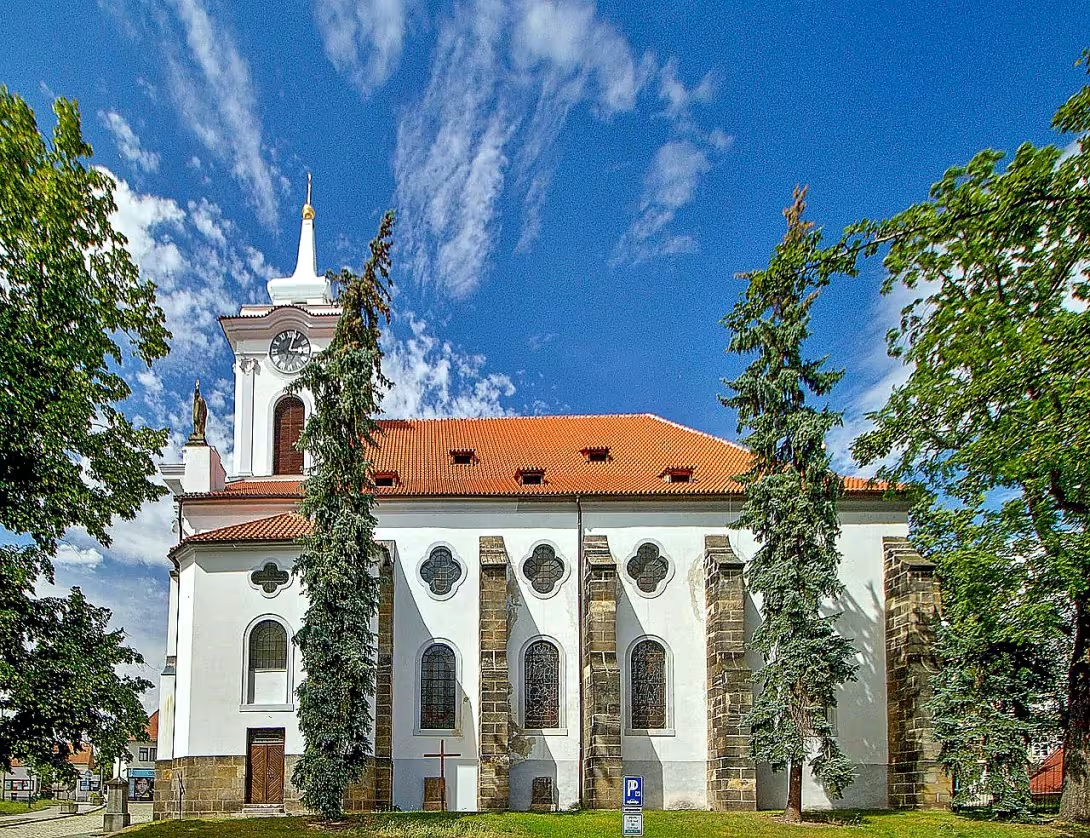
A Romanesque church built in 1136 was originally built in the place where the church stands today. From that time he survived only a fraction - masonry made of sandstone blocks that make up today's sacristy.
The new temple was brought here by Archbishop Arnošta of Pardubice around 1350. The yard of Arrasov construction plant participated in the construction. Gradually, there was a Gothic church with a five-sided presbytery and basilical tripods. At the end of the 14th century, under Archbishop Olbram III of Škvorka, the church won a dominant western front with two towers.
The history of костела was a series of difficult trials. In 1421, when the Hussites besieged the city, the church burned down. In doing so, about 200 people died looking for protection. The repair came in 1457, but fifty years later the church burned down again and was restored in late Gothic style. In the 17th century, late Renaissance reconstructions awaited him - side ships were raised and the tripod was covered with new lunet vaults.
A major change was brought about by the Baroque. Jan Josef Wirch led a radical Baroque reconstruction between 1765 and 1776. The original Gothic towers were lowered, the facade covered with a new form with a single central tower. The construction extended, but the character of the Gothic basilica was changed forever.
The twentieth century brought about a gradual decline in construction. After the reconstruction in 1880, in 1905 a fundamental renewal was decided. Architect František Mikš designed a radical regotization which the Central Commission for the Conservation of Monuments rejected. The approved plan was milder and overhaul took place in 1912-1913. Further repairs were followed in 1935, 1992-1994, 2000, 2004, 2007 and last in 2011- 2012.
Today's construction with dimensions of about 37 × 21.5 meters shows the layering of styles. It's being structured from the outside by gothic restraints. The facade is three-piece with Yonian columns - in the niche are statues of saints (Ludmila, Wenceslas, Jan Baptist, Gothard) from the sculptor Stephen Zalesák in 1913. The interior surprises: side ships are separated by arcades on octave columns, presbytery has a gothic cross vault with ribs, supplemented by renaissance lunet vaults in the main ship with remains of original gothic consoles.
There's a historical bell tower next to the church. The original bell tower was destroyed in 1421 along with the church, but in 1578-1585 it was replaced by Czech stone master Pavel with a new Renaissance bell tower with onion-shaped beating. The construction process changed in the 18th century - the pit disappeared and the plastered roof replaced it. After the general repair in 2011, the bell tower is made available to the public.
Since 1958, the church has been protected as a cultural monument and still serves believers. Its gradual transformation - from Romanesque foundations to Gothic temple to baroque appearance - makes it a unique witness to Czech history.
Then and now
Drag the slider to compare how the landmark may have looked when it was built with the view today.
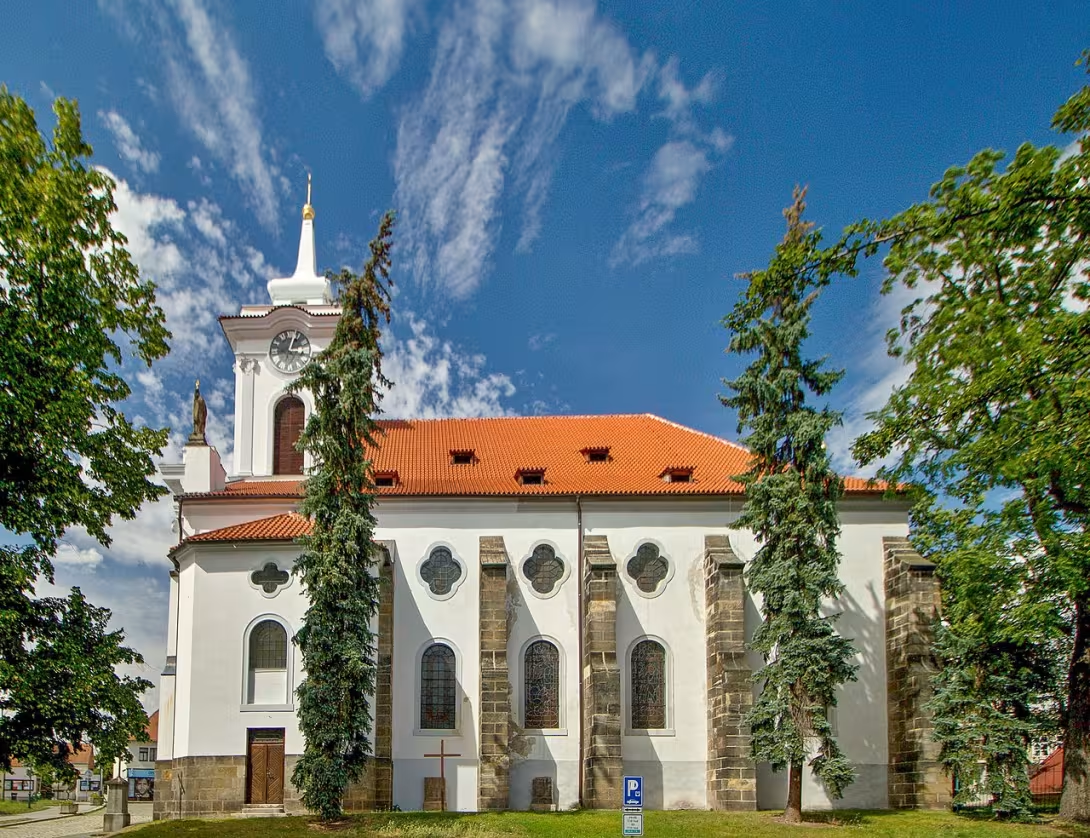

The historical appearance on the left is an AI-generated visualisation and serves as inspiration only.
Historical milestones
- 1136
- The foundation of the Romanesque church, which preserved the masonry of the sacristy.
- 1350
- Opening of the Gothic presbytery and tripod building at the impulse of Archbishop Arnošt of Pardubice.
- 1421
- The destruction of the church and the bell tower of the husita, the subsequent repair in the late goth.
- 1765-1776
- Baroque reconstruction of the church, where the original towers were lowered and a new facade was built.
- 1958
- Declaration of the church and the bell tower for a cultural monument.
Architectural development
The original Romanesque church from 1136 was gradually expanded. In the 14th century, a Gothic presbytery and a tripod were built, at the end of the century, the western facade with a two-seater structure. In the 17th century, Renaissance modifications took place, but the final Baroque reconstruction of 1765- 1776 completely transformed the original Gothic form. In the 20th century conservation interventions were carried out which preserved the historical character of the building.
Historical events
- 1421
- The church was burned by Hussites during the siege of Český Brod, while approximately 200 people were killed in the church seeking refuge.
- 1765-1776
- Radical Baroque reconstruction of the church to the impetus of the Archbishop from the complete reduction of original Gothic towers to the newly designed facade.
- 1958
- The church and the bell tower were declared by cultural monuments.
Owners
Parish Office Český Brod
Points of interest
- The original Romanesque church from 1136 was preserved only a fraction - sandstone masonry, which is today's sacristy.
- In 1421, the church was burned by Hussites during the siege of Český Brod, with approximately two hundred people perished in it.
- In the 17th century the church underwent late Renaissance modifications, when side ships and the main ship were raised with lunet vaults.
- A radical Baroque reconstruction took place between 1765 and 1776, during which the original Gothic towers were reduced and the facade was transformed into a simple form with a single central tower.
- The facade of the church is decorated with statues of saints (Ludmila, Václav, Jan Baptist and Gothard) from the sculptor Stephen Zalěk in 1913.
Guide
This guide is narrated by a synthetic voice generated by artificial intelligence.
Show guide text
This text was created by artificial intelligence and has not been editorially reviewed. It may contain inaccuracies.
The Church of Saint Gothard stands on Arnošta z Pardubic Square in Český Brod. Together with the adjoining bell tower, it belongs to the city's landmarks, is protected as a cultural monument, and continues to serve religious purposes to this day. Its appearance has been gradually marked by all architectural styles.
Originally, a single-nave Romanesque church from the year 1136 stood on this site. From it, masonry made of sandstone blocks has been preserved, which today forms the sacristy. Around 1350, at the urging of Archbishop Arnošta z Pardubic, construction of a new church began, and the court building workshop of the time participated in it. First, a five-sided presbytery was created, followed by a basilical three-nave structure. At the end of the 14th century, under Archbishop Olbram III ze Škvorce, a western facade with two towers was added.
In 1421, the Hussites set fire to the church during the siege of the city. Approximately 200 people who sought shelter inside perished. The church was repaired in 1457, but burned down again in 1512 and underwent a Late Gothic restoration. In 1613, Late Renaissance modifications were made. The side aisles were raised and both the three-nave structure and the sacristy received new lunette vaults.
The Gothic character of the basilica was significantly changed only by the Baroque reconstruction led by Jan Josef Wirch from 1765 onward. It dragged on due to lack of funds. The original towers were lowered to the level of the nave and the facade was covered with a new one, featuring a single central tower. At the beginning of the 20th century, architect František Mikš proposed a radical return to Gothic style, but the monument commission did not approve it. The general restoration in 1912 and 1913 therefore took place according to a revised plan that preserved the original character of the building.
The facade is divided by Ionic columns. Statues of Saint Ludmila and Saint Václav stand in niches at the main entrance, and on either side of the tower are Saint John the Baptist and Saint Gothard. All were created in 1913 by sculptor Štěpán Zálešák. The presbytery, made of unplastered quarried stone, has a ribbed cross vault inside. The side aisles are separated from the main nave by arcades resting on octagonal columns. Along the southern wall lies a broken Renaissance tombstone made of red marble from 1614.
The older bell tower was destroyed by fire in 1421. A new Renaissance bell tower was built between 1578 and 1585 by the Český Brod stonemason Pavel in the corner of the former cemetery. Its onion-shaped dome with a lantern was replaced in the second half of the 18th century by today's chisel roof. After restoration in 2011, the bell tower was opened to the public.
Frequently asked questions
Can the monument be visited?
Religious buildings are usually open mainly during services; at other times a visit is normally arranged with the parish or the operator. We have not verified specific times.
Where is the monument?
Location: nám. Arnošta z Pardubic, Český Brod, Středočeský kraj. The map on this page shows the exact spot.
Why is the monument protected?
It is listed in the Central List of Cultural Monuments of the Czech Republic as a cultural monument (register no. 37731/2-712).
For kids
Imagine coming back 676 years... Until the Czechs were still medieval kingdoms and churches were amazing buildings that lured people to prayer and respect. This is how it is here in Český Broda, where the beautiful church of St. Gothard stands.
How did it look here? Who lived here? What happened here? At that time, people lived in small villages and towns that fed on agriculture and craft. In Český Broda there was a main street that narrowly led to the sazava. People gathered here on markets and gatherings, where fruit, vegetables, meat and other things were sold.
Businesses nearby
Do you run a restaurant, accommodation, shop, museum, rental, wellness or other visitor service near this monument? Show yourself directly to the people heading to it — this is how they will see you in the app and on the web:
Accommodation nearby
Themed route
Thematic cruise route from Český Brod
1. Kostel svatého Gotharda (Český Brod) - Church Start your trip to the main destination, the church of St. Gothard, which is one of the oldest Gothic temples in Central Bohemia. Its history dates back to the 13th century and is among the most important sacral monuments in the region. The church is famous for its architectural beauty and rich history, which is reflected in the construction style and artistic elements.
2. Castle Český Brod - Castle After visiting the church, go to the city centre where the Český Brod chateau is situated. This historical complex was built in the early 14th century and served as the seat of the ruling nobility. The chateau is an important cultural monument, which shows the rich history of the city. Its complex offers beautiful spaces and views of the surrounding countryside.
3. Pilgrimage Church of the Assumption of the Virgin Mary (Český Brod) - Church Also visit the pilgrimage church of the Assumption of the Virgin Mary, which is another important religious place in Český Broda. This church is famous for its architecture and historical events associated with pilgrimage. Its interior contains rich artistic elements, which are an important part of the cultural heritage of the city.
4. National Nature Reserve Cheetah - Nature To conclude your trip, unplug historical monuments and look at nature in the National Nature Reserve Chimphere, which is located about 10 km from the city. This reservation offers beautiful landscapes with rich flora and fauna. It is an ideal place to relax and explore the natural formations that are unique in this area.
This route offers a combination of historical monuments and nature, allowing a general view of the cultural and natural wealth of the Czech Brod.
Seasonal recommendations
Spring: The Church of St. Gothard in Český Broda offers a unique atmosphere in the spring when the sun's rays of gold are tangled with new tree leaves. This time of year is ideal for visiting without overloading the crowd, which allows a more peaceful exploration of the historical monument and its surroundings. In the spring sun, decorated portals of the church are even better manifested, while blooming benches in the park in front of it add color contrast. It is recommended to visit early in the afternoon when the sun illuminates the church from the side while the temperature is calmed for walking. A good outfit is a light dress or jacket for a possible cold morning, along with shoes suitable for walking on the lawn.
Summer: In the summer period, St. Gothard's Church becomes a popular destination for tourists and locals. Sunshine days bring long and warm trips where the atmosphere is full of life. The church is particularly bright in the sun, which highlights its architectural details. A larger number of visitors may be expected in the main summer season, so it is advisable to visit the memory of the earlier afternoon to avoid the hottest hours and crowd loads. By dressing, choose light materials that keep the cool, such as wide dresses and ties, and do not overlook the sun cover.
Autumn: The Church of St. Gothard in autumn offers quiet and mild days with warm leaf colors that bring a special atmosphere to the surroundings. The sun season is ideal for visiting when beautiful sun rays can appear, which by decorating the church provide tones of golden and pink shades. This season, a smaller number of visitors are expected, which allows you to explore the memory more calmly. Recommended clothing includes warmer clothes and jackets for any cool morning or evening as well as shoes suitable for possible rainy weather.
Winter: In the winter months, the Church of St. Gothard offers a peaceful and quiet atmosphere. The visit this season is particularly interesting when the church appears with lit fluorescent lights or on an ice night. Winter weather may be cold and snow sheets provide areas with a romantic feel, but the opening times of the sights are often shorter. It is recommended to visit the early afternoon when the temperature is milder and the sun rays can illuminate the church. By dressing, choose warm clothes, jackets and shoes on dry conditions to avoid cold and possible snow.
Visualizations and artistic views


The visualisations are generated by artificial intelligence and serve as inspiration.
Photos from the area
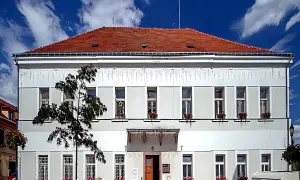
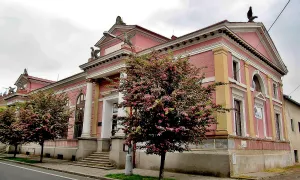
Real photos taken near the monument


Zdroj a licence jsou uvedeny u každého snímku.
View from the area
This animation was generated by artificial intelligence from a real photograph of the surroundings. The motion and details are not real footage of the location.
Atmosphere of the place
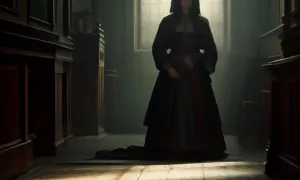
This atmospheric visualisation of the place and period was generated by artificial intelligence. It is not real footage of the location.
Tips from visitors
No tips yet. Be the first!
Log in and add your tip.
Sources and literature
Photos: VitVit / CC BY-SA 4.0 — Wikimedia Commons. The author and licence also appear when you hover over the image.
Faktickým podkladem tohoto textu byl článek na Wikipedii, jehož autory jsou přispěvatelé Wikipedie. Článek je dostupný pod licencí CC BY-SA 4.0.
Location on the map


Příběhy a pověsti
Legendy, pověsti a příběhy spjaté s touto památkou
Fotografie návštěvníků
Zatím žádné fotografie. Buďte první, kdo přidá fotografii z návštěvy!
Log in a přidejte svou fotografii nebo hodnoťte.
Za ověřenou návštěvu v aplikaci získáte víc bodů — poznáme podle GPS, že jste na místě.
Reviews and comments