






kostel svaté Máří Magdalény v Českém Brodě Church
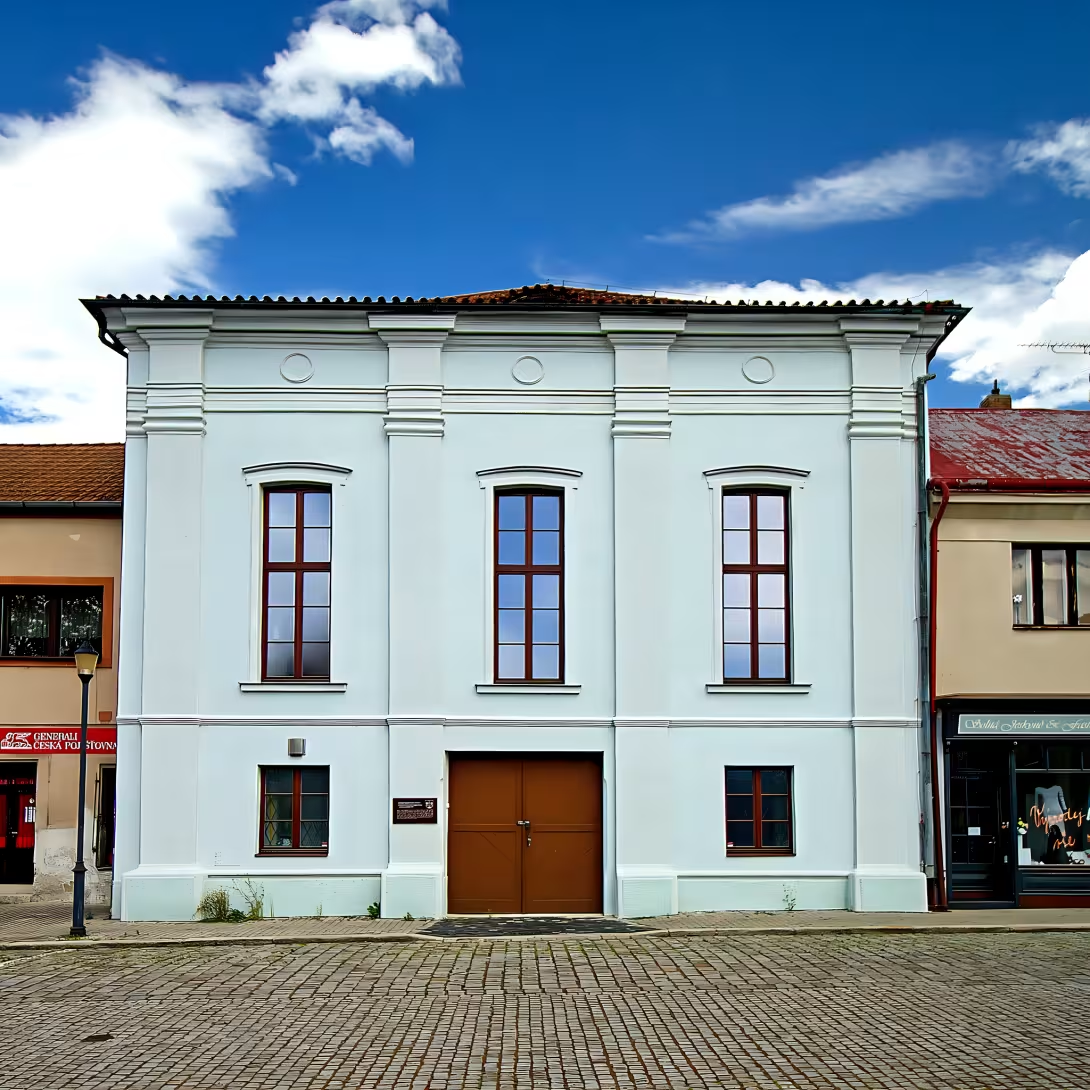
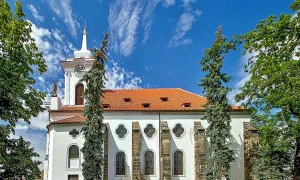
The Church of St. Mary Magdalene in Český Brod is a former Roman Catholic church in the town center, built in the 14th century as a parish church. This monument is notable for its rich history, architectural transformations, and cultural significance. Today, it serves as a cultural monument and part of the Podlipanské muzeum.
The church was built in the 14th century as a Gothic church, but the exact date and circumstances of its construction are unclear. During this period, Český Brod was experiencing economic and cultural growth, and the church was likely built as a symbol of the town's prosperity. Initially, the church served as a parish church for the local community.
In the 18th century, the church underwent significant changes. Between 1711 and 1720, it was rebuilt in the Baroque style. The Capuchin order acquired the church in 1746 and converted it into a monastery, which was later converted into a granary in 1786. The church's interior features a preserved ribbed vault, while its exterior was rebuilt in the Late Classicist style in the 19th century. The church's façade, dating back to this period, is a notable example of Late Classicist architecture.
Throughout its history, the church has had several owners, including the municipality, the Capuchin order, and the state. The church was converted into a granary and later into a gallery and exhibition space before being returned to private ownership after 1989. Today, the church is a cultural monument and part of the Podlipanské muzeum.
The church's history is marked by significant transformations, from its original purpose as a parish church to its later uses as a monastery, granary, and exhibition space. The preserved ribbed vault and the Late Classicist façade are notable features of the church's architecture. Visitors can explore the church and learn about its rich history and cultural significance.
The Church of St. Mary Magdalene in Český Brod is a unique and fascinating monument that offers a glimpse into the town's history and cultural heritage. Its transformation from a parish church to a monastery, granary, and exhibition space reflects the changing needs and values of the community over the centuries. Visitors can explore the church and its surroundings, gaining a deeper understanding of the town's history and cultural significance.
Then and now
Drag the slider to compare how the landmark may have looked when it was built with the view today.
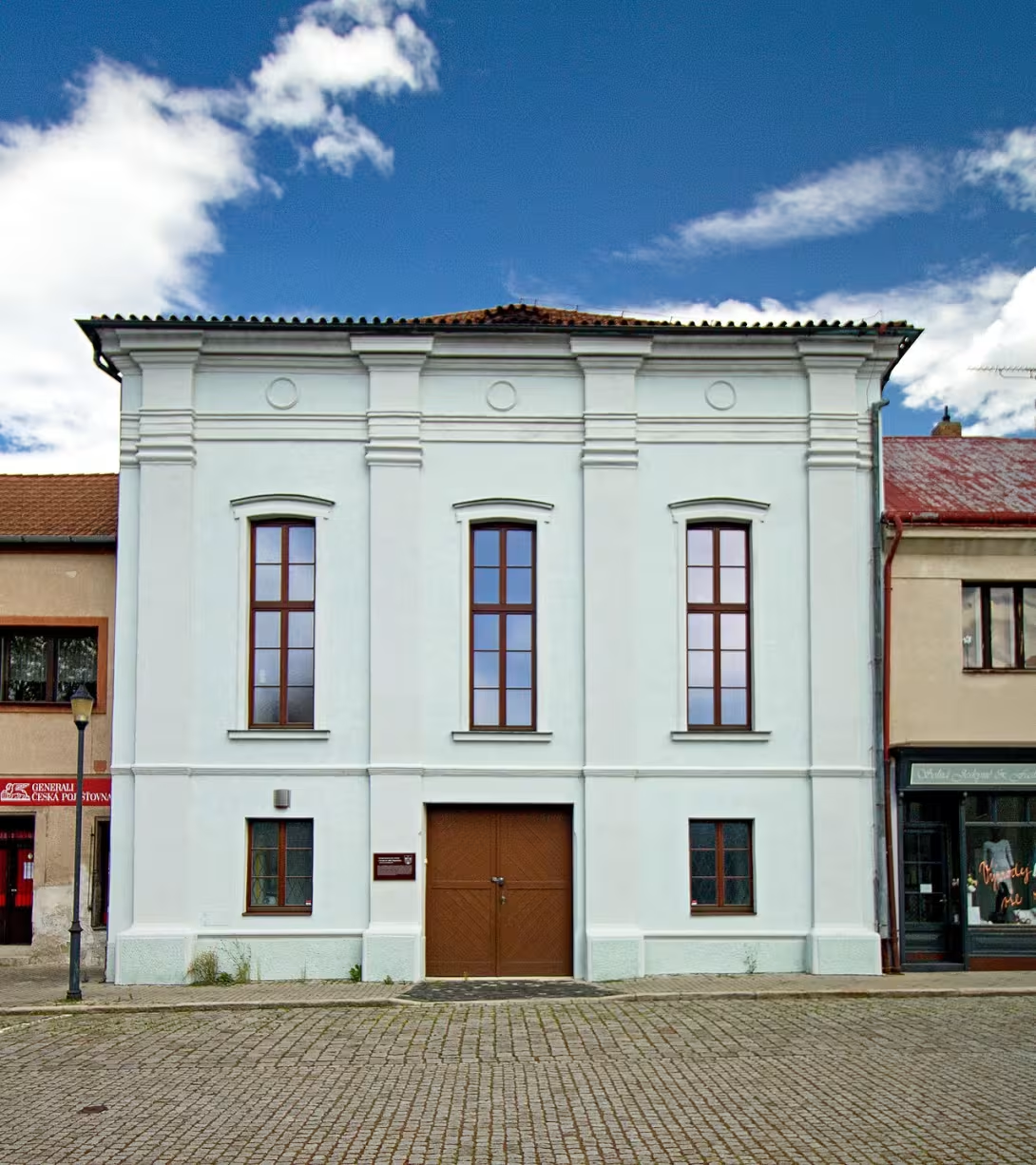
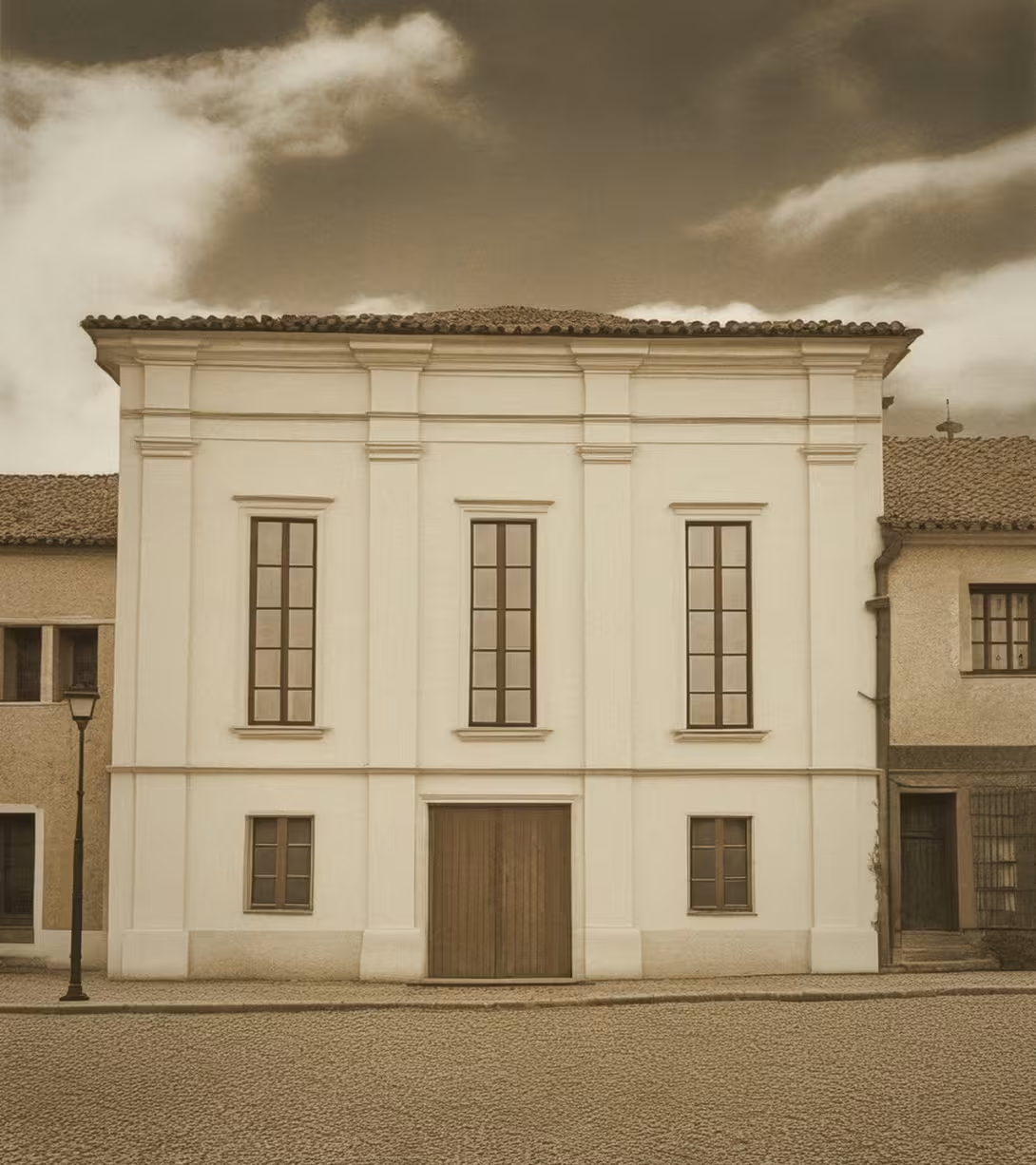
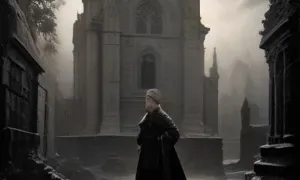
The historical appearance on the left is an AI-generated visualisation and serves as inspiration only.
Historical milestones
- 14th century
- The church was built as a parish church.
- 1711-1720
- The church was rebuilt.
- 1746
- The Capuchin order acquired the church.
- 1786
- The church was converted into a granary.
- 1954-1959
- The church was converted into a gallery and exhibition space.
Architectural development
The church was built in the 14th century as a Gothic church. It was rebuilt in the 18th century in the Baroque style and again in the 19th century in the Late Classicist style. The church was converted into a granary and later into a gallery and exhibition space.
Historical events
The church was built in the 14th century.
The church was rebuilt in 1711-1720.
The Capuchin order acquired the church in 1746 and converted it into a monastery.
The church was converted into a granary in 1786.
The church was rebuilt in the 19th century and converted into a gallery and exhibition space in 1954-1959.
Owners
The church was owned by the municipality, the Capuchin order, and the state.
Points of interest
– The church's interior features a preserved ribbed vault, which is a rare example of a well-preserved Gothic vault in the region.
– The church's façade, dating back to the 19th century, is a notable example of Late Classicist architecture, featuring a unique blend of classical elements and local architectural styles.
– The church has been used as a granary and a gallery and exhibition space, reflecting the changing needs and values of the community over the centuries.
– The Capuchin order acquired the church in 1746 and converted it into a monastery, which is a significant event in the church's history, marking a shift in its purpose and function.
– The church's transformation from a parish church to a monastery, granary, and exhibition space is a testament to its adaptability and resilience, making it a unique and fascinating monument in the region.
Guide
This guide is narrated by a synthetic voice generated by artificial intelligence.
Show guide text
This text was created by artificial intelligence and has not been editorially reviewed. It may contain inaccuracies.
The Church of Saint Mary Magdalene in the center of Český Brod has long ceased to serve religious purposes. It was once part of the local Capuchin monastery and today it is protected as a cultural monument.
Its origins date back to the middle of the 14th century. At that time, a church with a hospital, or poorhouse as it was called, was built on the site of a townsman's house on the Český Brod town square, and it came into the possession of the municipality. Between 1711 and 1720, the church underwent reconstruction.
In 1746, the Capuchins acquired the complex and over the following four years adapted it into their monastery. However, they did not stay long. The convent was closed during the Josephine reforms in April 1786, and the church became a granary. Some of the interior furnishings were transferred to the Church of Saint Gothard in Český Brod and to the nearby Church of Saint Simon and Jude in Vítice.
In the third quarter of the 19th century, the building was reconstructed again. It acquired a late classicist façade that no longer suggests in any way that it had been a church.
Between 1954 and 1959, it was adapted according to a design by architect Josef Petřů into an exhibition hall, gallery, and storage facility for the Podlipanské Museum. But as early as 1960, it became a storage facility again. After 1989, the former church passed into private ownership.
Inside, a barrel vault has been preserved. From the sanctuary, only the southern wall remains.
Tips for visitors
The best time to visit the Church of St. Mary Magdalene in Český Brod is during the spring and summer months when the weather is pleasant and the surrounding gardens are in bloom.
You can check the current schedule on the town's official website or a journey planner website.
It's a good idea to bring a camera to capture the beautiful architecture and stained glass windows of the church. The best spots for photography are from the front and side entrances, where the light is soft and the colors of the windows are most vibrant.
If you're visiting with children, consider bringing a guidebook or a map of the church to keep them engaged and interested in the history and architecture of the building.
There are several other historical buildings and landmarks within a 30-minute walk of the church, including the town hall and the old town square. You can also visit the nearby Museum of the Town of Český Brod to learn more about the town's history and culture.
Frequently asked questions
Can the monument be visited?
Religious buildings are usually open mainly during services; at other times a visit is normally arranged with the parish or the operator. We have not verified specific times.
Where is the monument?
Location: nám. Arnošta z Pardubic 274, Český Brod, Středočeský kraj. The map on this page shows the exact spot.
Why is the monument protected?
It is listed in the Central List of Cultural Monuments of the Czech Republic as a cultural monument (register no. 105705).
Businesses nearby
Do you run a restaurant, accommodation, shop, museum, rental, wellness or other visitor service near this monument? Show yourself directly to the people heading to it — this is how they will see you in the app and on the web:
Nearby
The church is located in the center of Český Brod, a town in the Central Bohemian Region.
Accommodation nearby
Themed route
Start in the historic town center of Český Brod and head to the Kostel svaté Máří Magdalény. This beautiful church is a must-visit due to its stunning Gothic architecture and peaceful atmosphere. Take a moment to admire the intricate stone carvings and stunning stained-glass windows.
From the church, walk to the Český Brod Town Hall, a charming example of Renaissance architecture that now houses a museum. Explore the exhibits to learn more about the town's history and significance.
Next, visit the Český Brod Square, a picturesque hub of activity surrounded by shops, cafes, and restaurants. Take a break and enjoy a snack or meal at one of the local eateries.
Finally, stroll along the Vltava River, which runs through the heart of Český Brod. Take in the scenic views and enjoy the tranquil atmosphere of this charming town.
Seasonal recommendations
Jaro: In the spring season, St. Mary Magdalene Church in Český Brod is surrounded by blooming trees and flowers, creating a pleasant atmosphere. We recommend visiting the church during the spring when nature is in full bloom. The best time to visit the church is in May or June, when the weather is sunny and temperatures are mild. We suggest bringing sunglasses and comfortable shoes so you can walk comfortably on the green grass.
Léto: In the summer season, St. Mary Magdalene Church in Český Brod is very popular with tourists, so it's a good idea to come early to avoid large crowds. The best time to visit the church is in July or August when the weather is sunny and temperatures are high. We suggest bringing sunscreen and comfortable shoes so you can walk comfortably on the hot asphalt.
Podzim: In the autumn season, St. Mary Magdalene Church in Český Brod is surrounded by beautiful autumn foliage colors, creating a pleasant atmosphere. We recommend visiting the church during the autumn when the weather is mild and nature is at peace. The best time to visit the church is in September or October when the weather is sunny and temperatures are mild. We suggest bringing warm clothing so you can stay comfortable in the cool air.
Zima: In the winter season, St. Mary Magdalene Church in Český Brod is closed and only open a limited number of days per week. We recommend visiting the church during the winter if you enjoy quiet and peaceful surroundings. The best time to visit the church is in December or January when the weather is cold and nature is at peace. We suggest bringing warm clothing and shoes so you can stay comfortable in the cold air.
Visualizations and artistic views


The visualisations are generated by artificial intelligence and serve as inspiration.
Photos from the area
Real photos taken near the monument

Zdroj a licence jsou uvedeny u každého snímku.
Tips from visitors
No tips yet. Be the first!
Log in and add your tip.
Sources and literature
Photos: VitVit / CC BY-SA 4.0, rozlišení zvýšeno umělou inteligencí — Wikimedia Commons. The author and licence also appear when you hover over the image.
Faktickým podkladem tohoto textu byl článek na Wikipedii, jehož autory jsou přispěvatelé Wikipedie. Článek je dostupný pod licencí CC BY-SA 4.0.
Location on the map

Příběhy a pověsti
Legendy, pověsti a příběhy spjaté s touto památkou
Fotografie návštěvníků
Zatím žádné fotografie. Buďte první, kdo přidá fotografii z návštěvy!
Log in a přidejte svou fotografii nebo hodnoťte.
Za ověřenou návštěvu v aplikaci získáte víc bodů — poznáme podle GPS, že jste na místě.
Reviews and comments