






Kostel Nejsvětější Trojice (Český Brod) Church
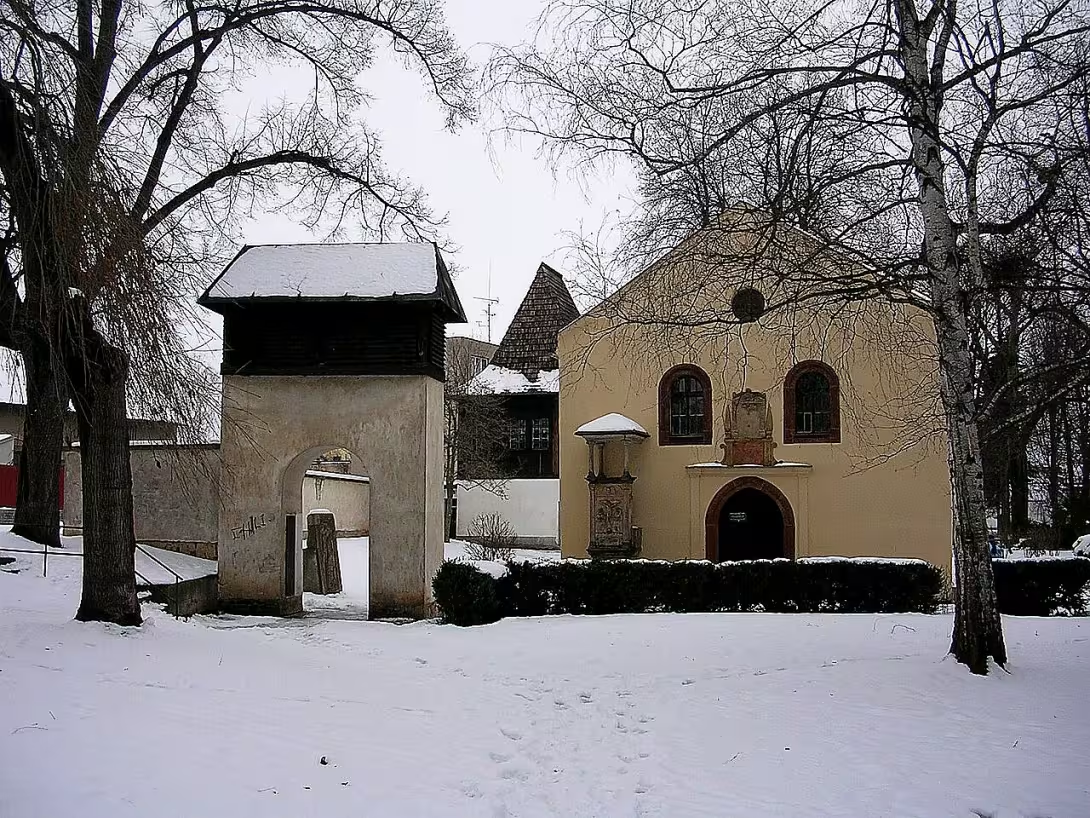
The Church of the Holy Trinity in Český Brod is a remarkable Renaissance monument known for its unique architecture and historical importance. Situated in Jiráskovy Sady park, Štolmíř, it was built in 1560 as a cemetery chapel. The church features a single-nave layout with a three-sided presbytery, oriented slightly north of the traditional east-west alignment.
A standout feature is its Renaissance stone pulpit, adorned with reliefs and supported by four columns, designed by Wolf Schulthess z Plavna in 1585. This architectural gem is now protected as a cultural monument of the Czech Republic and serves as a place of worship for the local Českobratrská církev evangelická congregation.
Constructed during Bohemia's significant religious and cultural transformations, reflective of the broader European Renaissance movement, this era saw the rise of Protestantism and a flourishing of arts and architecture. Initially serving as a cemetery chapel, it played an integral role within its community, reflecting the evolving spiritual landscape.
Architecturally, the church exemplifies Renaissance style through its use of stone and symmetrical design elements. The exterior pulpit on the south-western façade is particularly striking with its intricate reliefs and column-supported roof, crafted by Wolf Schulthess z Plavna in 1585. Internally, while no original elements have survived, contemporary furnishings now occupy the space, including an organ and bell from the mid-19th century relocated from a closed church in Kšely.
Throughout its history, the Church of the Holy Trinity has undergone several transformations. The surrounding cemetery was replaced by a park in 1928 after being closed in 1898, marking a significant change in the landscape around the church. Despite these changes, it remains an important cultural and religious site under the care of the local Českobratrská církev evangelická congregation.
The church is surrounded by historical gravestones within Jiráskovy Sady park, offering visitors a glimpse into its past as part of an old cemetery. This serene setting enhances its appeal as a site of both cultural and natural interest. The unique Renaissance pulpit remains a highlight for those interested in architectural history, while the modern furnishings provide a contrast to the historical elements that have been preserved.
Today, the Church of the Holy Trinity is accessible to visitors who wish to explore its rich history and architectural beauty. As a protected cultural monument, it offers insights into the religious and artistic developments of 16th-century Bohemia. The church's serene park setting makes it an ideal destination for those seeking both historical knowledge and peaceful reflection.
The Church of the Holy Trinity in Český Brod is not only a testament to Renaissance architecture but also a symbol of cultural resilience through centuries of change. Its unique features, such as the Renaissance pulpit by Wolf Schulthess z Plavna, continue to draw interest from historians and tourists alike. Visitors are invited to explore this historical gem, where they can appreciate its architectural splendor and reflect on its enduring legacy in Czech history.
Then and now
Drag the slider to compare how the landmark may have looked when it was built with the view today.
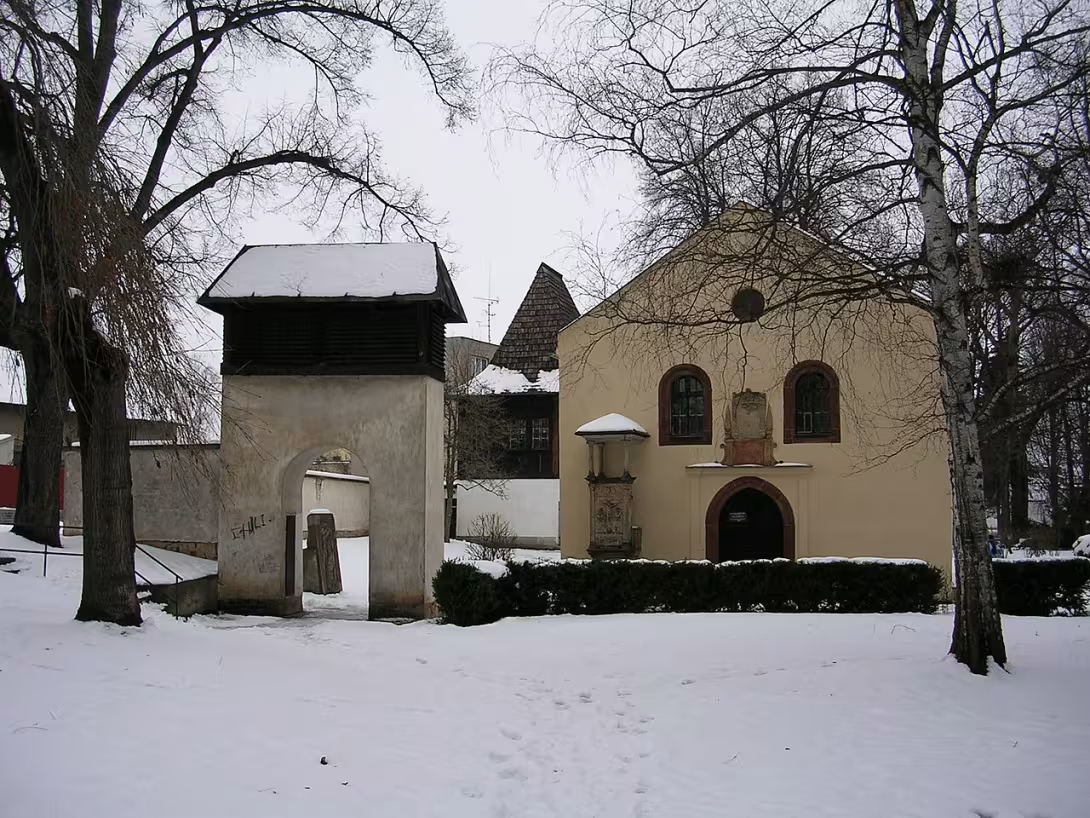
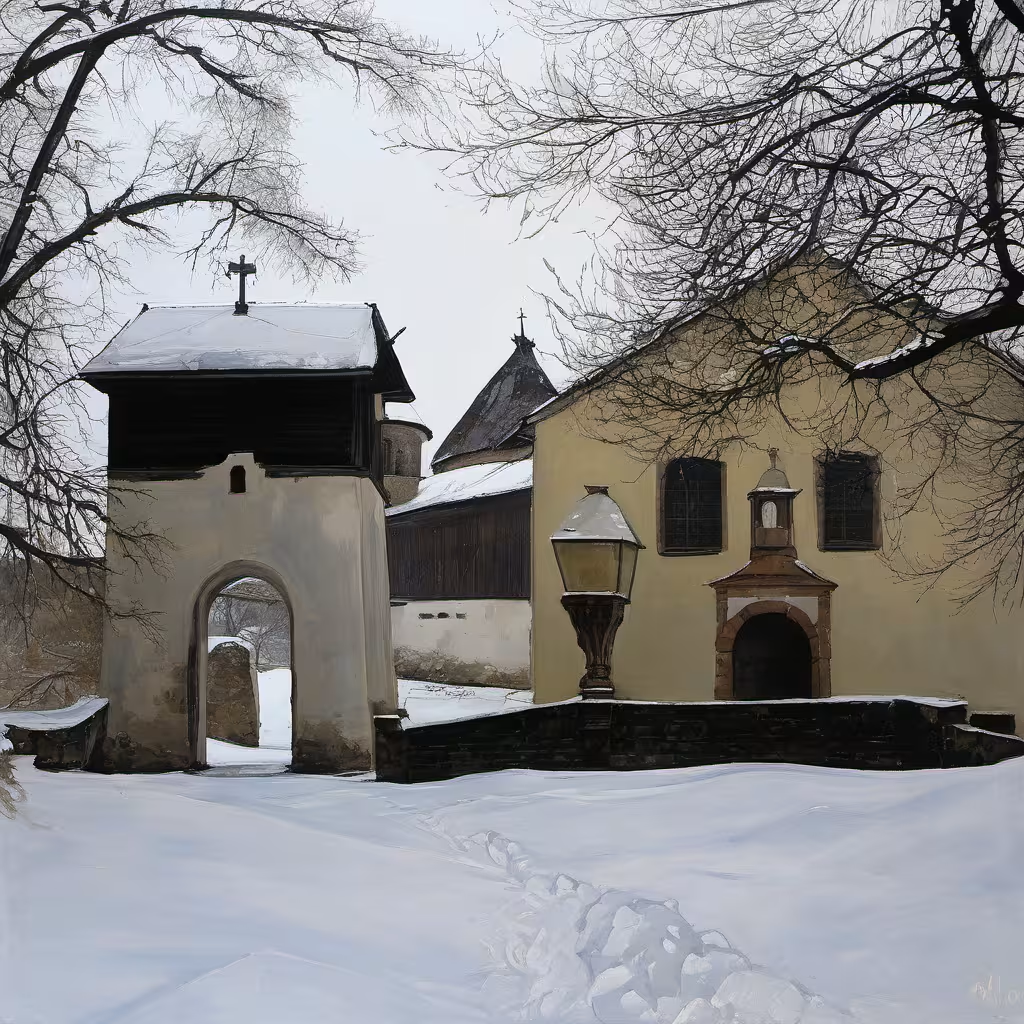
The historical appearance on the left is an AI-generated visualisation and serves as inspiration only.
Historical milestones
- 1560
- The Church of the Holy Trinity was built as a cemetery chapel.
- 1585
- The Renaissance stone pulpit was designed by Wolf Schulthess from Plavno.
- 1898
- The cemetery around the church was closed.
- 1928
- In place of the cemetery, Jiráskovy Sady park was established.
Architectural development
Originally serving as a cemetery chapel, the Church of the Holy Trinity underwent significant changes over time. The surrounding cemetery was replaced by a park in 1928, following its closure in 1898. Internally, the church has been modernized, with contemporary furnishings replacing original elements. Notably, the organ and bell from the mid-19th century were transferred here from a closed church in Kšely.
Historical events
The church was constructed in 1560 as a cemetery chapel, reflecting its original purpose within the community.
In 1585, Wolf Schulthess z Plavna designed and built the unique Renaissance pulpit that remains a highlight of the church's architecture.
Guide
This guide is narrated by a synthetic voice generated by artificial intelligence.
Show guide text
This text was created by artificial intelligence and has not been editorially reviewed. It may contain inaccuracies.
Welcome to the Church of the Most Holy Trinity in Český Brod, one of the most distinguished works of Renaissance architecture in our region. Before you stands an architectural gem with a simple courtyard and a three-lobed presbytery that slightly turns towards the north. If you pay attention to the details on the façade, you will see a unique stone Renaissance pulpit adorned with exquisite reliefs, supported by four columns. This distinctive feature can remind you of the richness of history and artistic traditions surrounding this church.
Let's delve into its history. The church was built in 1560 as a cemetery chapel, reflecting its original purpose – to provide spiritual refuge for those resting in the nearby cemetery. In 1585, Wolf Schulthess from Plavno contributed his architectural genius by designing and constructing the Renaissance stone pulpit that continues to fascinate visitors with its complexity and artistic value. Although Protestantism was spreading at the time, this church retained its Catholic roots.
Now focus on its architecture and details before you. This single-nave building with a three-lobed presbytery is an example of elegance and functionality. Notice how the pulpit stands as the focal point – its Renaissance style and reliefs are true references to the era of its design. This church exemplifies how history and art can collaborate to create an unforgettable space.
When it comes to key stories and personalities associated with this landmark, we cannot overlook Wolf Schulthess from Plavno. His pulpit design is the most striking evidence of his artistic influence and architectural abilities. Although many individuals connected to this place remain unknown, Schulthess's work remains a clear testament to the significance of the Church of the Most Holy Trinity.
An interesting aspect of this site is that it originally served as a cemetery chapel. The cemetery around the church was closed in 1898 and replaced by Jiráskovy Sady Park. This story of transformation shows how the role and function of this place have evolved over time.
An invitation for further exploration is to explore the surrounding Jiráskovy Sady Park, which now encircles the church. This park will offer you a peaceful moment to rest and reflect on the rich history of this site. We hope that this church has inspired and captivated you just as much as it does us. When you return, we'll be here to welcome you again into this beautiful part of our history.
Tips for visitors
The best time to visit the Church of the Holy Trinity in Český Brod is during late spring or early autumn, when the weather is pleasant and the park surrounding the church, Jiráskovy Sady, is lush with greenery. This period offers a serene atmosphere, ideal for appreciating the Renaissance architecture without the crowds typically found in summer months. Additionally, visiting on weekdays can provide a more tranquil experience.
The church is accessible by both car and public transport; however, for the most current routes and schedules, checking a local transit website or app is recommended.
When planning your visit, consider bringing comfortable walking shoes as exploring the surrounding park area can be quite rewarding. A camera is also advisable to capture the unique pulpit and architectural details of this Renaissance masterpiece. Since photography might be subject to certain restrictions inside the church, it's wise to check any guidelines beforehand.
For those interested in photography, early morning or late afternoon offers the best natural light for capturing the Church of the Holy Trinity and its surroundings. The park setting provides a variety of angles and backdrops, especially with historical gravestones adding character to your shots. Always be mindful of any restrictions on flash photography inside the church.
Within 30 minutes from the church, visitors can explore additional sites such as the old cemetery that once surrounded the area, now part of Jiráskovy Sady park. This offers a glimpse into the historical context of the location. For families with children, the serene landscape and open spaces in the park provide an excellent opportunity for leisurely walks or picnics.
Frequently asked questions
Can the monument be visited?
Religious buildings are usually open mainly during services; at other times a visit is normally arranged with the parish or the operator. We have not verified specific times.
Where is the monument?
Location: Jungmannova, Český Brod, Středočeský kraj. The map on this page shows the exact spot.
Why is the monument protected?
It is listed in the Central List of Cultural Monuments of the Czech Republic as a cultural monument (register no. 33567/2-713).
Businesses nearby
Do you run a restaurant, accommodation, shop, museum, rental, wellness or other visitor service near this monument? Show yourself directly to the people heading to it — this is how they will see you in the app and on the web:
Nearby
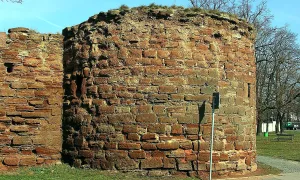
Located in the Jiráskovy Sady park, the church is surrounded by a serene landscape that was once part of an old cemetery. The area now features a park setting with historical gravestones.
Accommodation nearby
Themed route
Thematic Walking Tour: The Church of the Holy Trinity and Surroundings
1. Church of the Holy Trinity (Český Brod)
Type: Historical Religious Site
Why Visit: Begin your journey at this stunning example of Baroque architecture, surrounded by the serene Jiráskovy Sady park. Originally part of an old cemetery, the church offers a tranquil setting where history and nature intertwine.
2. Historical Gravestones in Jiráskovy Sady
Type: Historical Landmark
Why Visit: Explore the historical gravestones scattered throughout the park. These stones provide a glimpse into the past lives of those who once resided nearby, adding depth and context to your visit to the Church of the Holy Trinity.
3. Park Setting in Jiráskovy Sady
Type: Scenic Park Area
Why Visit: Stroll through the lush greenery of Jiráskovy Sady park, which offers a peaceful retreat with its well-maintained paths and scenic views. The park's natural beauty complements the historical significance of the church and gravestones.
This tour provides an enriching experience by combining architectural admiration with historical exploration, all within the tranquil setting of Jiráskovy Sady park.
Seasonal recommendations
Spring: Visiting the Church of the Holy Trinity during spring offers a unique experience as nature awakens with vibrant blooms and lush greenery surrounding Český Brod's historic landscape. The soft, natural light enhances the church’s architectural details, creating an ethereal atmosphere perfect for photography enthusiasts. Springtime typically sees fewer visitors compared to summer, making it a quieter time to explore. It is advisable to wear comfortable layers as temperatures can vary, and bring a jacket in case of cooler evenings. Early morning visits are recommended to enjoy the serene ambiance before larger crowds arrive.
Summer: The Church of the Holy Trinity shines under the bright summer sun, casting dramatic shadows that highlight its intricate stonework. This is the peak tourist season, so expect larger crowds, especially during the main summer months. The surrounding area buzzes with activity, offering a lively atmosphere for those interested in cultural events or outdoor activities. To fully enjoy your visit, arrive early to avoid the midday heat and crowds. Dress in light, breathable clothing and consider wearing comfortable shoes as you explore both the church and nearby attractions.
Autumn: Autumn transforms Český Brod into a picturesque scene with fiery foliage that beautifully complements the Church of the Holy Trinity’s historic charm. The softer autumn light provides an ideal setting for capturing stunning photographs, while cooler temperatures make it pleasant to stroll around the area. This season often sees moderate visitor numbers, offering a balance between summer crowds and winter quietude. Layered clothing is recommended to adapt to fluctuating temperatures throughout the day, and carrying an umbrella might be wise due to unpredictable weather.
Winter: In winter, the Church of the Holy Trinity exudes a serene and mystical ambiance under the soft glow of streetlights against a backdrop of snow-covered surroundings. It’s essential to dress warmly in layers, including a hat and gloves, to stay comfortable during your visit. Winter is also the perfect time for those who appreciate the church's quiet beauty away from the hustle and bustle of busier seasons.
Visualizations and artistic views


The visualisations are generated by artificial intelligence and serve as inspiration.
Photos from the area
Real photos taken near the monument


Zdroj a licence jsou uvedeny u každého snímku.
View from the area
This animation was generated by artificial intelligence from a real photograph of the surroundings. The motion and details are not real footage of the location.
Atmosphere of the place
This atmospheric visualisation of the place and period was generated by artificial intelligence. It is not real footage of the location.
Tips from visitors
No tips yet. Be the first!
Log in and add your tip.
Sources and literature
Photos: cs:ŠJů / CC BY-SA 3.0 — Wikimedia Commons. The author and licence also appear when you hover over the image.
Faktickým podkladem tohoto textu byl článek na Wikipedii, jehož autory jsou přispěvatelé Wikipedie. Článek je dostupný pod licencí CC BY-SA 4.0.


Příběhy a pověsti
Legendy, pověsti a příběhy spjaté s touto památkou
Fotografie návštěvníků
Zatím žádné fotografie. Buďte první, kdo přidá fotografii z návštěvy!
Log in a přidejte svou fotografii nebo hodnoťte.
Za ověřenou návštěvu v aplikaci získáte víc bodů — poznáme podle GPS, že jste na místě.
Reviews and comments