






Budova Právnické fakulty Univerzity Karlovy v Praze University building
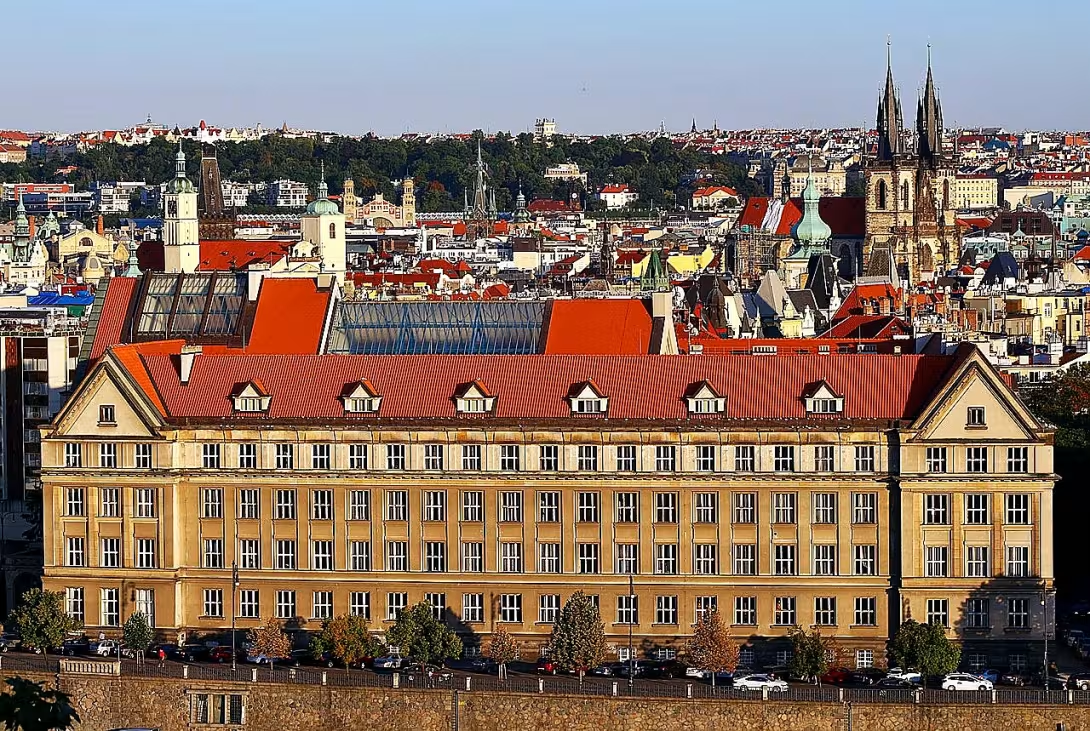
The Budova Právnické fakulty Univerzity Karlovy is a significant architectural landmark in Prague's Old Town, situated along the Vltava River near Čechův most. Constructed between 1924 and 1931, this university building serves as the main seat of Charles University's Faculty of Law. It is renowned for its late functionalist architecture with neoclassical influences, designed primarily by Jan Kotěra and completed by Ladislav Machoň. The building is protected as a cultural monument due to its historical and architectural significance.
The origins of this university building are deeply rooted in the history of Charles University, one of Europe's oldest universities, founded in 1348. Over centuries, the Faculty of Law operated from various locations until the early 20th century when opportunities arose for establishing a dedicated site. In 1906, the imperial government acquired land for both Czech and German university buildings, setting the stage for this architectural endeavor. The project was initially entrusted to Jan Kotěra in 1907 by then-university rector Jaroslav Hlaváček. Despite delays caused by World War I, the foundation stone was laid in 1908 by Leopold Heyrovský, father of Nobel laureate Jaroslav Heyrovský.
Architecturally, the building reflects a transition from historicism to modernist influences prevalent across Europe during its construction period. Jan Kotěra's initial design embraced a decorative style influenced by late secession, which evolved into a neoclassical form through subsequent modifications. After Kotěra's death, his student Ladislav Machoň took over the project, adhering closely to the original vision while making necessary adjustments. The building features high-quality materials such as granite for facades and marble for interior finishes, though financial constraints left some artistic elements unfinished. Notably, a statue of Myslbek's "Oddanost" adorns the entrance hall, adding artistic value despite these limitations.
Throughout its history, the Budova Právnické fakulty has witnessed significant events. During World War II, it became a site of dramatic occurrences, including student arrests by German police following the funeral of Jan Opletal in 1939. The building was occupied by SS units and played a strategic role during the Prague Uprising in May 1945. These historical episodes underscore its importance beyond academia.
Today, the Budova Právnické fakulty remains an active part of Charles University's Faculty of Law. Its architectural elegance and historical significance make it a compelling site for visitors interested in both legal history and early 20th-century architecture. The building continues to serve as a hub for education while offering insights into its storied past, making it a worthwhile destination for those exploring Prague's rich cultural heritage.
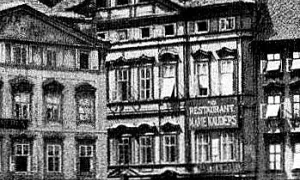
Then and now
Drag the slider to compare how the landmark may have looked when it was built with the view today.
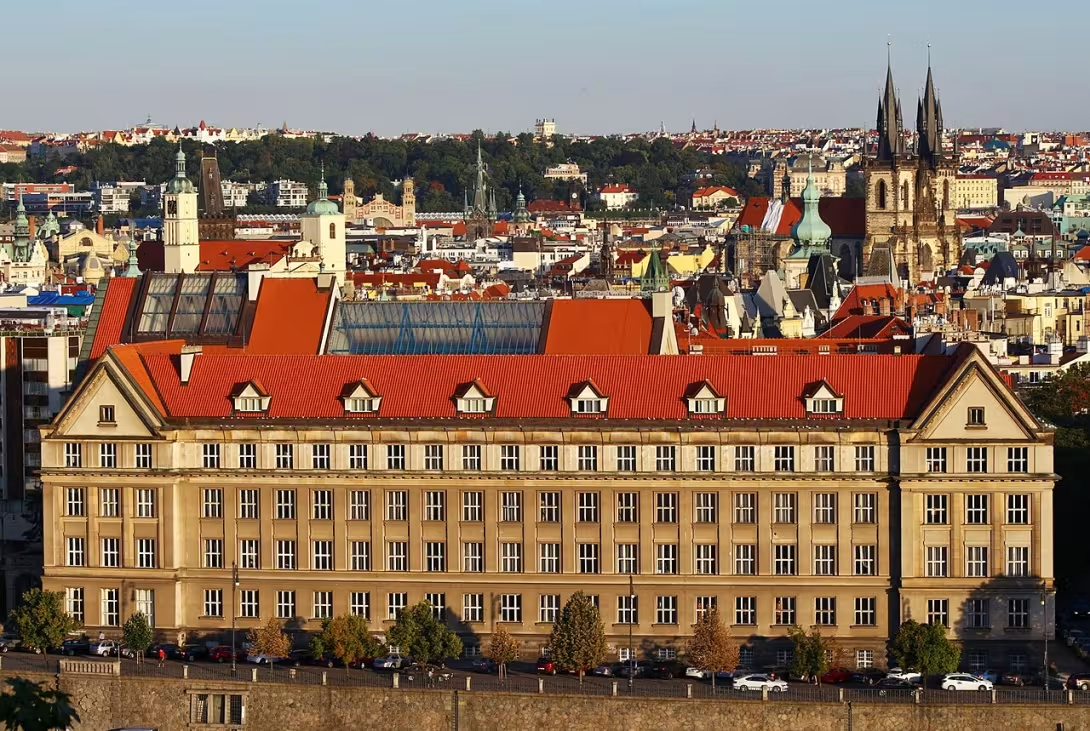

The historical appearance on the left is an AI-generated visualisation and serves as inspiration only.
Historical milestones
- 1908
- Foundation stone laid by university rector Leopold Heyrovský.
- 1931
- Teaching commenced in the newly completed building.
Architectural development
Initially designed by Jan Kotěra, the project faced delays due to World War I. After Kotěra's death, his student Ladislav Machoň completed the design and construction from 1924 to 1931. The building features high-quality materials such as granite for facades and marble for interior finishes. Despite financial constraints, it retains a unique architectural style with some unfinished artistic elements.
Historical events
- 1939
- During World War II, dramatic events occurred including an insigniáda and student arrests by German police following the funeral of Jan Opletal.
- 1945
- The building was occupied by SS units during WWII and played a strategic role during the Prague Uprising in May 1945.
Points of interest
- The foundation stone of the Budova Právnické fakulty was laid by Leopold Heyrovský, who is notably the father of Nobel laureate Jaroslav Heyrovský. This connection adds a layer of scientific prestige to the building's history.
- Despite financial constraints during its construction, the building features high-quality materials like granite and marble. However, some artistic elements were left unfinished, leaving room for speculation about what these might have looked like if completed.
- The Budova Právnické fakulty played a significant role during World War II, including being occupied by SS units and serving as a strategic site during the Prague Uprising in May 1945. These events highlight its importance beyond academia during tumultuous times.
- A statue of Myslbek's "Oddanost" is prominently placed in the entrance hall, adding artistic value to the building. This piece symbolizes dedication and loyalty, themes resonant with the university’s mission and history.
- The transition from Jan Kotěra’s initial decorative style influenced by late secession to a neoclassical form reflects broader architectural trends of early 20th-century Europe, showcasing how global influences shaped local designs.
Guide
This guide is narrated by a synthetic voice generated by artificial intelligence.
Show guide text
This text was created by artificial intelligence and has not been editorially reviewed. It may contain inaccuracies.
Welcome to the Budova Právnické fakulty Univerzity Karlovy, a historic gem nestled on the banks of the Vltava River in Prague's Old Town. As you stand here, take a moment to absorb the grandeur before you—a testament to architectural brilliance and academic legacy.
Imagine stepping back to 1908 when the foundation stone was laid by university rector Leopold Heyrovský. This building wasn't just constructed; it was envisioned as a beacon of learning for Charles University's Faculty of Law. Despite financial constraints, the visionaries behind this project persevered, and in 1931, teaching commenced within these walls.
The architecture here is a fascinating blend of late functionalism with neoclassical influences, primarily designed by Jan Kotěra and completed by Ladislav Machoň. As you look around, notice how the structure harmoniously balances modernist lines with classical elements—a true reflection of its dual architectural inspirations.
Now, let's delve into some intriguing stories linked to this place. Leopold Heyrovský, who laid the foundation stone, was not just an academic leader but also a father to Nobel laureate Jaroslav Heyrovský. This connection infuses the building with scientific prestige, reminding us of the intellectual giants whose footsteps echo through these halls.
As you continue your exploration, ponder over how this building has stood the test of time, serving as a hub for legal minds and scholars. Its walls have witnessed countless debates, breakthroughs, and the evolution of law itself.
Before you move on, consider this: despite its financial challenges during construction, the building emerged as a symbol of resilience and dedication to education. It's a reminder that great things can be achieved with vision and perseverance.
We invite you to delve deeper into this architectural marvel and uncover more stories hidden within its walls. Thank you for joining us on this journey through history and design. Enjoy your exploration!
Tips for visitors
The best time to visit the Budova Právnické fakulty Univerzity Karlovy is during late spring or early fall when the weather is pleasant, allowing for comfortable exploration of both the building and its surroundings. These seasons offer vibrant foliage along Dvořákovo nábřeží and a less crowded experience, enhancing your visit to this historic site.
For transportation, the university building is accessible by both car and public transport.
When visiting, consider bringing comfortable walking shoes as you'll likely explore the surrounding streets and riverbank. A camera is also recommended for capturing the architectural beauty of the building and the picturesque views along Dvořákovo nábřeží, especially during golden hour when the light is soft and warm.
Nearby attractions within a 30-minute walk include Čechův most, offering stunning river views and photo opportunities. The area around 17. listopadu and Břehová streets also provides charming streetscapes and historical insights into Prague's Old Town. These spots are ideal for extending your visit beyond the university building.
For families with children, the vicinity of the Budova Právnické fakulty offers a mix of cultural exploration and leisurely strolls along the Vltava River. The area is family-friendly, with plenty of space to explore at a relaxed pace. Consider bringing snacks or visiting nearby cafes for refreshments during your visit.
Frequently asked questions
Can the monument be visited?
The building is in use (offices, a school, shops and the like). The interior is generally accessible only during operating hours and tours are not usually offered; we have not verified the details. You can see the exterior from the street.
Where is the monument?
Location: nám. Curieových 901/7, Staré Město, Praha, Hlavní město Praha. The map on this page shows the exact spot.
Why is the monument protected?
It is listed in the Central List of Cultural Monuments of the Czech Republic as a cultural monument (register no. 38808/1-413).
Businesses nearby
Do you run a restaurant, accommodation, shop, museum, rental, wellness or other visitor service near this monument? Show yourself directly to the people heading to it — this is how they will see you in the app and on the web:
Events nearby

Zdroj akcí: otevřená data měst a obcí ČR (Národní katalog otevřených dat) a kalendář akcí Národního památkového ústavu.
Nearby
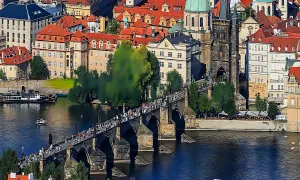
The building is situated near Čechův most and bordered by streets such as 17. listopadu and Břehová, with Dvořákovo nábřeží separating it from the Vltava River.
Accommodation nearby
Trips and activities nearby
Guided tours, tickets and activities nearby from GetYourGuide
Affiliate link: if you buy from the partner, we may receive a commission. The price for you does not change.
Search tours and activities →Themed route
Thematic Walking Tour: The Legal and Historical Heart of Prague
1. Prague University Main Building (Univerzitní budova) - Type: Educational Institution - Why Visit: Begin your journey at the heart of legal education in Prague, where the main building of Charles University's Faculty of Law stands as a testament to academic excellence and historical significance. This architectural gem offers insight into centuries of legal scholarship and is an essential starting point for understanding the city's intellectual heritage.
2. Čechův Most - Type: Bridge - Why Visit: A short walk from the university, Čechův most provides a picturesque view of Prague’s skyline against the backdrop of the Vltava River. This bridge is not only a functional piece of infrastructure but also offers a moment to reflect on its role in connecting different parts of the city and facilitating cultural exchange.
3. Dvořákovo nábřeží - Type: Riverside Promenade - Why Visit: Adjacent to Čechův most, Dvořákovo nábřeží offers a serene walk along the Vltava River. This promenade is named after the famous Czech composer Antonín Dvořák and provides an ideal setting for appreciating both natural beauty and urban architecture. It's perfect for those who enjoy leisurely strolls with views of riverboats and historical buildings.
4. 17. Listopadu Street - Type: Urban Street - Why Visit: As you return towards the university, explore 17. listopadu street, which is lined with a mix of historic and modern architecture. This area reflects Prague's dynamic blend of past and present, offering insights into its urban development and cultural evolution over time.
5. Břehová Street - Type: Urban Street - Why Visit: Conclude your tour by walking along Břehová street, which borders the university building. This area provides a glimpse into daily life in Prague with its vibrant atmosphere and proximity to both educational institutions and local businesses. It's an excellent spot for those interested in experiencing the city’s contemporary urban culture.
This thematic tour offers a blend of historical exploration and cultural appreciation, focusing on key locations that highlight Prague's legal history and architectural beauty.
Seasonal recommendations
Spring: Visiting the University of Charles' Faculty of Law Building during spring offers a unique experience as nature awakens around the historic site. The surrounding greenery is lush and vibrant, with cherry blossoms adding a delicate charm to the area. This season provides soft natural lighting that enhances the architectural details of the building. Visitors should be prepared for occasional showers, so carrying an umbrella or wearing water-resistant clothing is advisable. Springtime can attract moderate crowds as people enjoy the pleasant weather, but arriving in the morning helps avoid larger groups and ensures a more peaceful visit.
Summer: In summer, the Faculty of Law Building basks under bright sunlight that highlights its historic architecture beautifully. The warm atmosphere invites visitors to spend extended hours exploring both the interior and exterior spaces. Due to the peak tourist season, it's wise to arrive early in the day to avoid long lines and large crowds. Lightweight clothing is recommended to stay comfortable in the heat, along with sun protection like hats or sunglasses. This is an ideal time for photography enthusiasts who want to capture the building against a clear blue sky.
Autumn: Autumn transforms the area around the Faculty of Law Building into a tapestry of warm colors as leaves change from green to shades of orange and red. The cooler temperatures make it pleasant for walking tours, and the softer light during this season provides a perfect backdrop for photography. While crowds are less intense compared to summer, visiting on weekdays can offer an even quieter experience. Layered clothing is recommended due to the variable weather, which can range from crisp days to chilly evenings.
Winter: Winter offers a unique atmosphere around the Faculty of Law Building with its historic architecture set against a backdrop of snow and festive lights. Wearing warm clothing, including coats and hats, is essential to stay comfortable during the winter months. Although fewer visitors might be expected compared to summer, it's still wise to arrive early to fully enjoy the serene beauty of the site without feeling rushed by closing times.
Visualizations and artistic views


The visualisations are generated by artificial intelligence and serve as inspiration.
Photos from the area
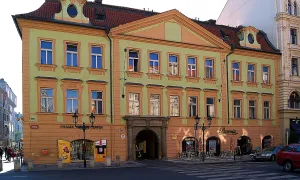
Real photos taken near the monument


Zdroj a licence jsou uvedeny u každého snímku.
Atmosphere of the place
This atmospheric visualisation of the place and period was generated by artificial intelligence. It is not real footage of the location.
Tips from visitors
No tips yet. Be the first!
Log in and add your tip.
Sources and literature
Photos: VitVit / CC BY-SA 4.0 — Wikimedia Commons. The author and licence also appear when you hover over the image.
Faktickým podkladem tohoto textu byl článek na Wikipedii, jehož autory jsou přispěvatelé Wikipedie. Článek je dostupný pod licencí CC BY-SA 4.0.
Location on the map

Příběhy a pověsti
Legendy, pověsti a příběhy spjaté s touto památkou
Fotografie návštěvníků
Zatím žádné fotografie. Buďte první, kdo přidá fotografii z návštěvy!
Log in a přidejte svou fotografii nebo hodnoťte.
Za ověřenou návštěvu v aplikaci získáte víc bodů — poznáme podle GPS, že jste na místě.
Reviews and comments