






Budova Ředitelství Buštěhradské dráhy Palace
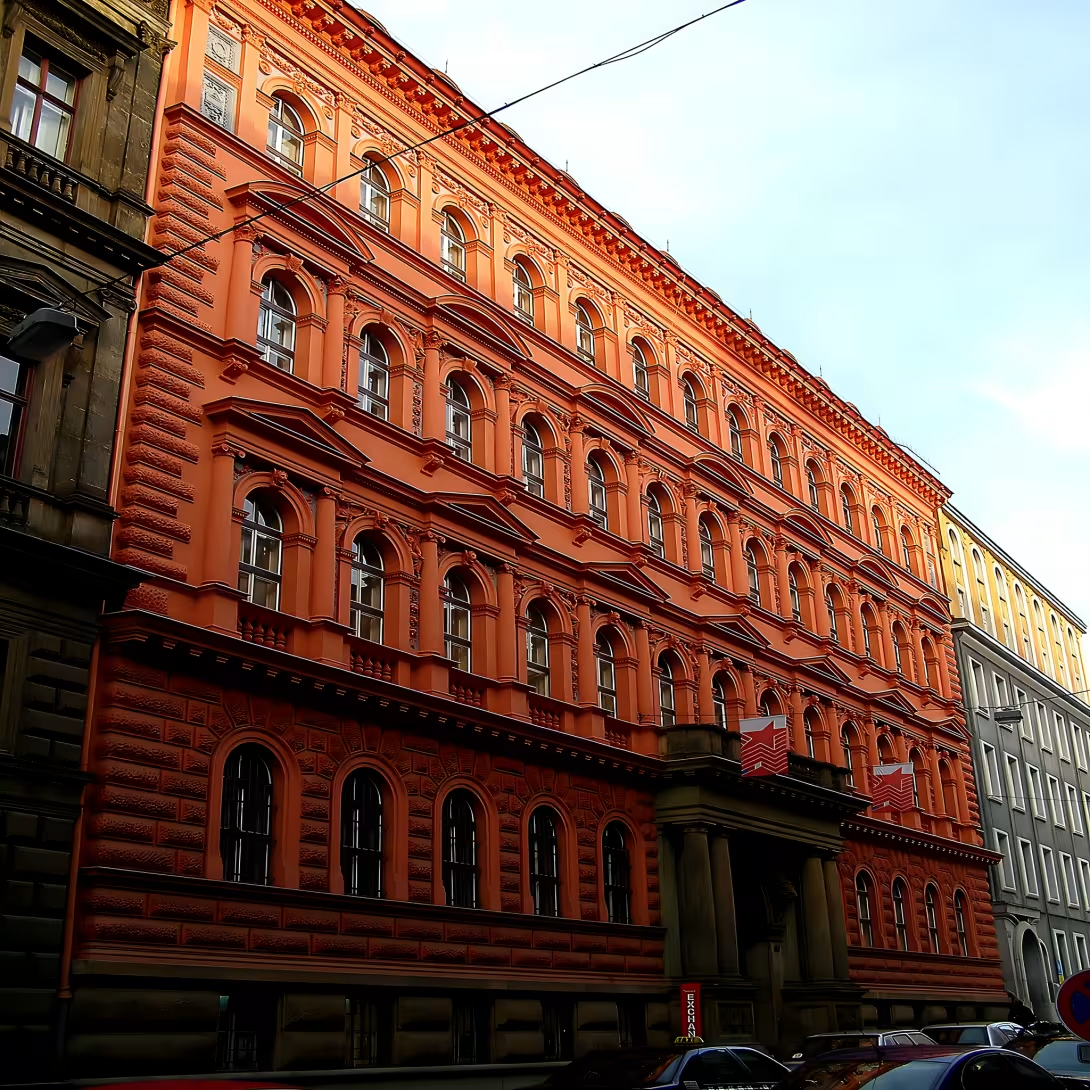
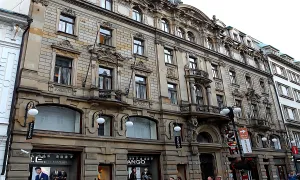
The Budova Ředitelství Buštěhradské dráhy is a notable neorenaissance building located at Politických vězňů 1531/9 in Prague's New Town district. Constructed between 1871 and 1874, it served as the headquarters for the influential railway company Buštěhradská dráha, which developed rail lines from Prague to coal mining regions. Since 1964, it has been designated a cultural monument of the Czech Republic.
The building's origins are linked to the industrial expansion in late 19th-century Bohemia, part of the Austro-Hungarian Empire. During this period, Europe saw significant growth in transportation infrastructure, including railway networks. The Buštěhradská dráha played a crucial role by constructing rail lines connecting Prague to important coal mining areas in the north and northwest.
Architecturally, the Budova Ředitelství Buštěhradské dráhy is designed in the neorenaissance style, inspired by Roman renaissance elements. Architect Vojtěch Ignác Ullmann crafted this building to complement Schebek's Palace, constructed nearby between 1870 and 1872. Both structures feature symmetrical entrance portals but differ in window arrangements and facades, reflecting late 19th-century architectural trends.
Ownership of the building has changed over time. Initially belonging to Buštěhradská dráha until its nationalization in 1922, it then transferred to Československé státní dráhy. In a notable shift, the Communist Party of Bohemia and Moravia purchased the building in 1990, maintaining it as their headquarters.
Key events associated with this site include its construction from 1871 to 1874 as Buštěhradská dráha's headquarters, its nationalization in 1922, and its acquisition by the Communist Party of Bohemia and Moravia in 1990. These milestones highlight the building's evolving role within Czech history.
Today, the Budova Ředitelství Buštěhradské dráhy remains a significant cultural monument, reflecting both historical and architectural heritage. Located in Prague's New Town district, it is surrounded by other historically rich landmarks, making it an accessible and worthwhile visit for those interested in Czech history and architecture.
The Budova Ředitelství Buštěhradské dráhy stands as a testament to the industrial and architectural advancements of its time. Its preservation as a cultural monument ensures that future generations can appreciate its historical significance and architectural beauty. Visitors are invited to explore this remarkable site, where history and architecture converge in Prague's vibrant urban landscape.
Then and now
Drag the slider to compare how the landmark may have looked when it was built with the view today.
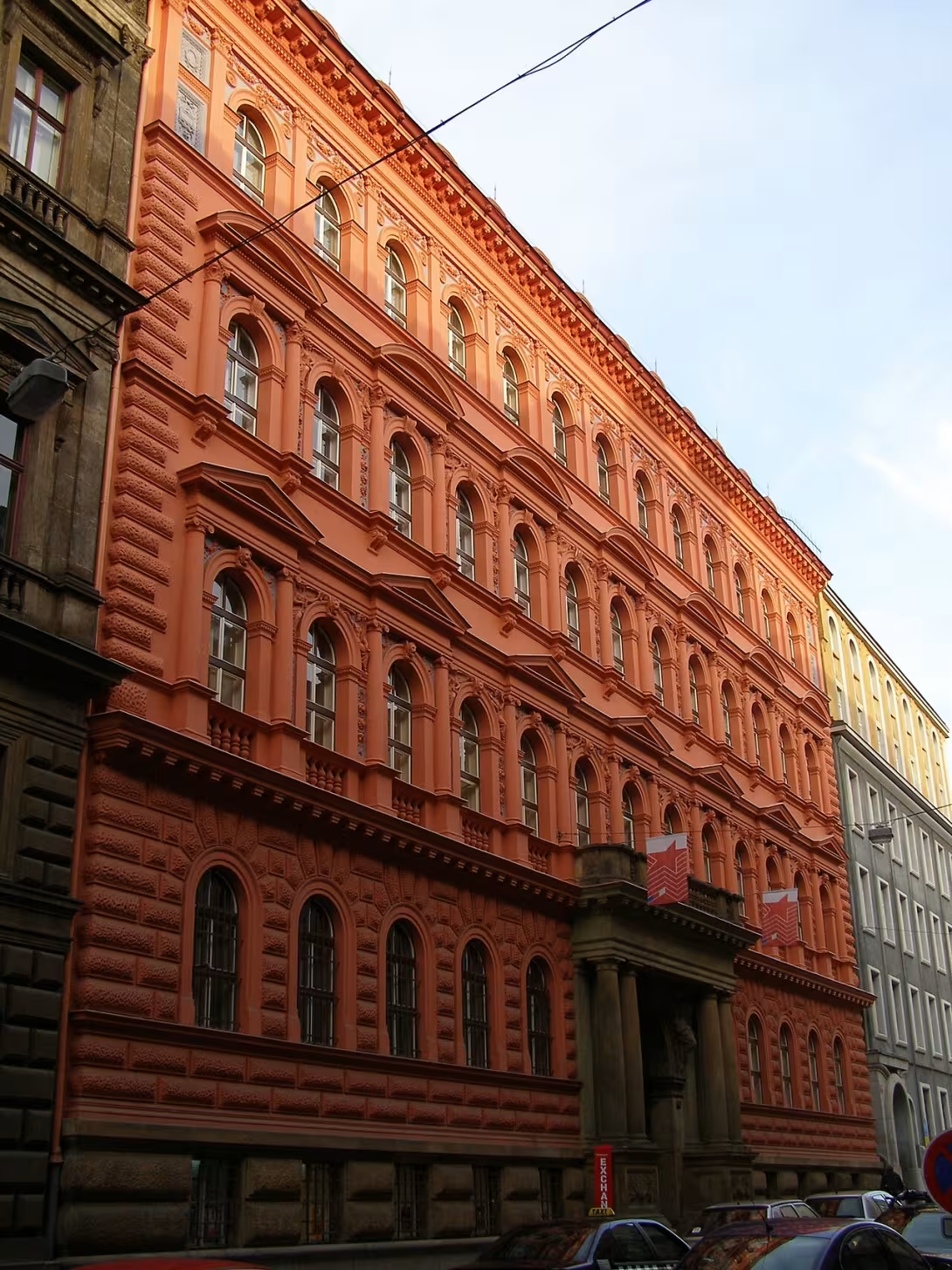
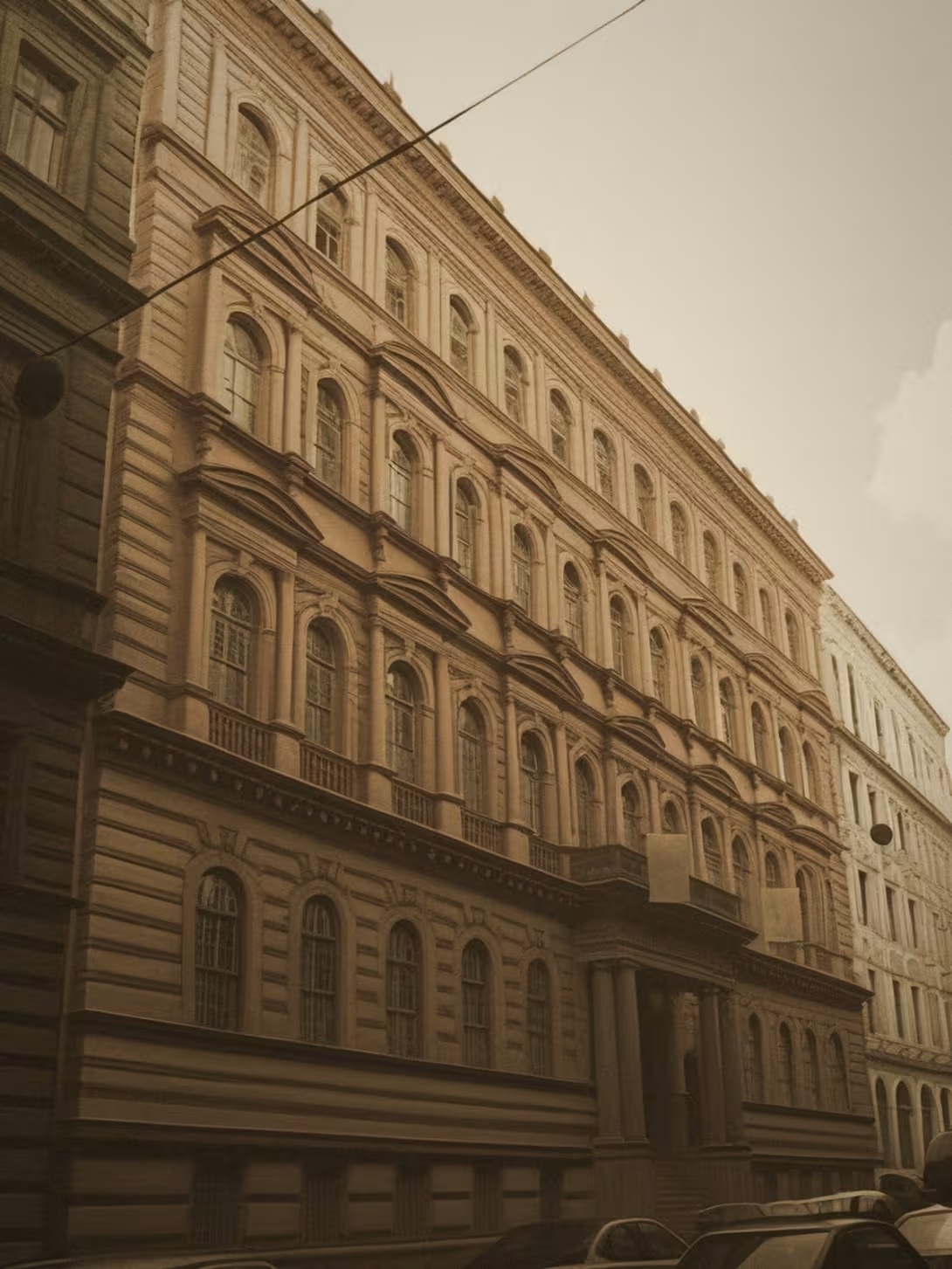
The historical appearance on the left is an AI-generated visualisation and serves as inspiration only.
Historical milestones
- 1964
- The building was designated as a cultural monument of the Czech Republic.
Architectural development
The building was designed in a neorenaissance style by architect Vojtěch Ignác Ullmann, reflecting the architectural trends of the late 19th century. It complements Schebek's Palace, constructed nearby between 1870 and 1872, with both buildings sharing symmetrical entrance portals but differing in window arrangements and facades.
Historical events
1871-1874: Construction of the building as a headquarters for Buštěhradská dráha.
1922: Nationalization of Buštěhradská dráha, transferring ownership to Československé státní dráhy.
1990: Purchase by the Communist Party of Bohemia and Moravia.
Owners
The building was initially owned by Buštěhradská dráha until its nationalization in 1922, after which it became property of Československé státní dráhy. In 1990, it was purchased by the Communist Party of Bohemia and Moravia, who have maintained ownership since.
Guide
This guide is narrated by a synthetic voice generated by artificial intelligence.
Show guide text
This text was created by artificial intelligence and has not been editorially reviewed. It may contain inaccuracies.
Welcome to the Budova Ředitelství Buštěhradské dráhy, an architectural gem nestled in Prague's vibrant New Town district. As you stand here, you're greeted by its impressive neorenaissance façade—a testament to a time when elegance and power were etched into stone.
This grand structure was erected between 1871 and 1874, serving as the headquarters for the Buštěhradská dráha railway company. This prosperous enterprise played a crucial role in expanding rail lines from Prague toward coal-rich regions, fueling both industry and connectivity during that era.
Take a moment to appreciate the architectural elegance before you. The building's design reflects the neorenaissance style popular in late 19th century Prague—a period marked by symmetrical grandeur and an air of sophistication. Notice how the façade presents itself with balanced proportions and detailed ornamentation, capturing both the spirit and ambition of its time.
While specific historical figures connected to this location remain largely unknown, the building's story is interwoven with the broader narrative of Prague's urban development during that period. The Buštěhradská dráha was more than just a railway company; it was an agent of progress, shaping not only infrastructure but also the economic landscape.
An intriguing aspect of this site is its designation as a cultural monument in 1964—a recognition of its historical and architectural significance within the Czech Republic. This honor underscores the building's enduring legacy and its role in narrating Prague’s rich history.
As you continue your exploration, I invite you to delve deeper into the layers of history that surround you. Each corner of this site whispers tales from a bygone era, waiting for you to uncover them. Thank you for joining me on this journey through time. May your curiosity lead you to further discoveries as you wander through Prague's storied streets.
Tips for visitors
The best time to visit the Budova Ředitelství Buštěhradské dráhy is during late spring or early autumn when the weather is mild and pleasant, making it ideal for exploring both the building and its surroundings. This period also coincides with fewer tourists compared to summer, allowing for a more relaxed visit. Additionally, the soft natural light enhances the architectural details of this neorenaissance structure, perfect for photography enthusiasts.
Parking near the Budova Ředitelství Buštěhradské dráhy can be limited due to its central location in Prague's New Town district. Visitors are encouraged to use public transportation or park at a nearby facility and walk from there. The area is well-served by trams and buses, so checking the latest routes online before your visit will ensure convenient access.
When visiting, it’s advisable to bring comfortable walking shoes as you’ll likely explore both the building and its surroundings. A camera or smartphone for capturing the architectural beauty of the palác is recommended, especially during golden hours in the morning or late afternoon when the light accentuates the neorenaissance details beautifully. Additionally, carrying a water bottle and some snacks can enhance your visit, particularly if you plan to explore nearby attractions.
For photography enthusiasts, the best spots around Budova Ředitelství Buštěhradské dráhy are those that capture its grandeur against Prague's skyline. The front façade is most striking in the early morning light or late afternoon when shadows add depth to its intricate details. Exploring nearby streets can also provide unique angles and compositions, especially with the urban landscape as a backdrop.
Nearby attractions within 30 minutes include the iconic Charles Bridge and Prague Castle, both of which offer rich historical experiences and stunning views. For families with children, consider visiting Letná Park, where they can enjoy open spaces and playgrounds while you appreciate the panoramic cityscape from the nearby observation tower.
Businesses nearby
Events nearby
Zdroj akcí: otevřená data měst a obcí ČR (Národní katalog otevřených dat) a kalendář akcí Národního památkového ústavu.
Nearby
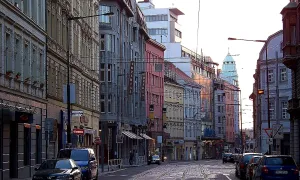
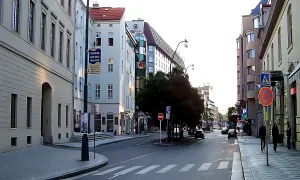
Located in Prague's New Town district, the area is known for its historical architecture and proximity to other significant landmarks. The surrounding landscape includes urban features typical of central European cities.
Accommodation nearby
Trips and activities nearby
Guided tours, tickets and activities nearby from GetYourGuide
Affiliate link: if you buy from the partner, we may receive a commission. The price for you does not change.
Search tours and activities →Themed route
Thematic Walking Tour: The Architectural and Historical Journey of Prague's New Town
1. Budova Ředitelství Buštěhradské dráhy (Palác) - *Type:* Historic Building - *Why Visit:* This grand building, designed by architect Josef Schulz in the late 19th century, serves as a stunning example of Neo-Renaissance architecture. Originally built to house the management offices for the Buštěhrad Railway, it now hosts various cultural events and exhibitions. Its impressive facade and richly decorated interiors make it a must-see for anyone interested in architectural history.
2. Kostel svatého Mikuláše (Church of St. Nicholas) - *Type:* Historic Church - *Why Visit:* Located just a short walk from the Buštěhradská dráhy Palác, this church is an iconic example of Gothic architecture with later Baroque additions. Its striking tower offers panoramic views of Prague's New Town and beyond. The church’s rich history and beautiful interior make it a fascinating stop for those interested in religious art and architecture.
3. Náměstí Jiřího z Poděbrad (Jiří of Poděbrady Square) - *Type:* Historic Square - *Why Visit:* This vibrant square is named after the Czech king known for his efforts to maintain peace during a tumultuous period in Bohemian history. The area features several historic buildings and statues, including one of King Jiří himself. It's an ideal spot to experience the lively atmosphere of Prague’s New Town, with its bustling cafes and charming architecture.
4. U Starého rodu (Old House) - *Type:* Historic Building - *Why Visit:* Situated near Jiřího z Poděbrad Square, this building is one of the oldest in Prague's New Town, dating back to the 14th century. Known for its unique façade and historical significance as a former town hall, it provides insight into medieval urban life. Its proximity to other historic sites makes it an excellent addition to your architectural exploration.
This tour offers a glimpse into the rich history and architecture of Prague's New Town, providing both cultural insights and visual delights.
Seasonal recommendations
Spring: Visiting the Buštěhrad Railway Administration Building during spring offers a unique experience as nature awakens around this historic site. The blooming gardens and vibrant greenery provide a picturesque backdrop, enhancing the architectural beauty of the building. Spring light is soft and diffused, casting gentle shadows that accentuate the intricate details of the structure. Visitors should be prepared for occasional showers, so carrying an umbrella or wearing a waterproof jacket is advisable. This season tends to attract fewer crowds compared to summer, making it ideal for those who prefer a more tranquil visit. Early mornings are particularly serene and offer the best lighting conditions for photography.
Summer: Summer at the Buštěhrad Railway Administration Building is characterized by long daylight hours that illuminate the structure in warm hues, highlighting its grandeur. The lush gardens surrounding the building are in full bloom, creating an inviting atmosphere perfect for leisurely strolls. However, this season also brings larger crowds, particularly during weekends and holidays, so arriving early in the day can help avoid peak times. Light, breathable clothing is recommended to stay comfortable in the warm weather, along with sunscreen and a hat. The summer months are ideal for enjoying outdoor activities nearby, such as picnicking or exploring local parks.
Autumn: Autumn offers a stunning display of colors at the Buštěhrad Railway Administration Building, with the surrounding foliage turning into shades of red, orange, and gold. This seasonal transformation provides a dramatic contrast to the building's historic architecture, making it an excellent time for photography enthusiasts. The cooler temperatures make exploring more comfortable, though visitors should be prepared for unpredictable weather, including sudden rain showers or chilly winds. Layered clothing is advisable to adapt to changing conditions throughout the day. Autumn tends to have fewer tourists than summer, allowing for a more relaxed visit.
Winter: Winter at the Buštěhrad Railway Administration Building presents a serene and enchanting atmosphere as snow blankets the landscape, transforming it into a picturesque winter wonderland. The building's architecture takes on a majestic quality against the white backdrop, with soft lighting adding to its charm. Visitors should dress warmly in layers, including thermal wear and insulated outerwear, to stay comfortable during their visit. It’s also wise to check opening hours as they may be reduced during this season. Winter offers a quieter experience compared to other times of the year, providing an intimate setting for those looking to explore without the bustle of larger crowds.
Visualizations and artistic views


The visualisations are generated by artificial intelligence and serve as inspiration.
Photos from the area
Real photos taken near the monument

Zdroj a licence jsou uvedeny u každého snímku.
Tips from visitors
No tips yet. Be the first!
Log in and add your tip.
Sources and literature
Fotografie: Michal Kmínek / CC BY-SA 3.0, rozlišení zvýšeno umělou inteligencí — Wikimedia Commons. The author and licence also appear when you hover over the image.
Faktickým podkladem tohoto textu byl článek na Wikipedii, jehož autory jsou přispěvatelé Wikipedie. Článek je dostupný pod licencí CC BY-SA 4.0.
Location on the map
More monuments – Nové Město
Show all in the municipality


Příběhy a pověsti
Legendy, pověsti a příběhy spjaté s touto památkou
Fotografie návštěvníků
Zatím žádné fotografie. Buďte první, kdo přidá fotografii z návštěvy!
Přihlaste se a přidejte svou fotografii nebo hodnoťte.
Za ověřenou návštěvu v aplikaci získáte víc bodů — poznáme podle GPS, že jste na místě.
Reviews and comments