






Buquoyský palác Palace
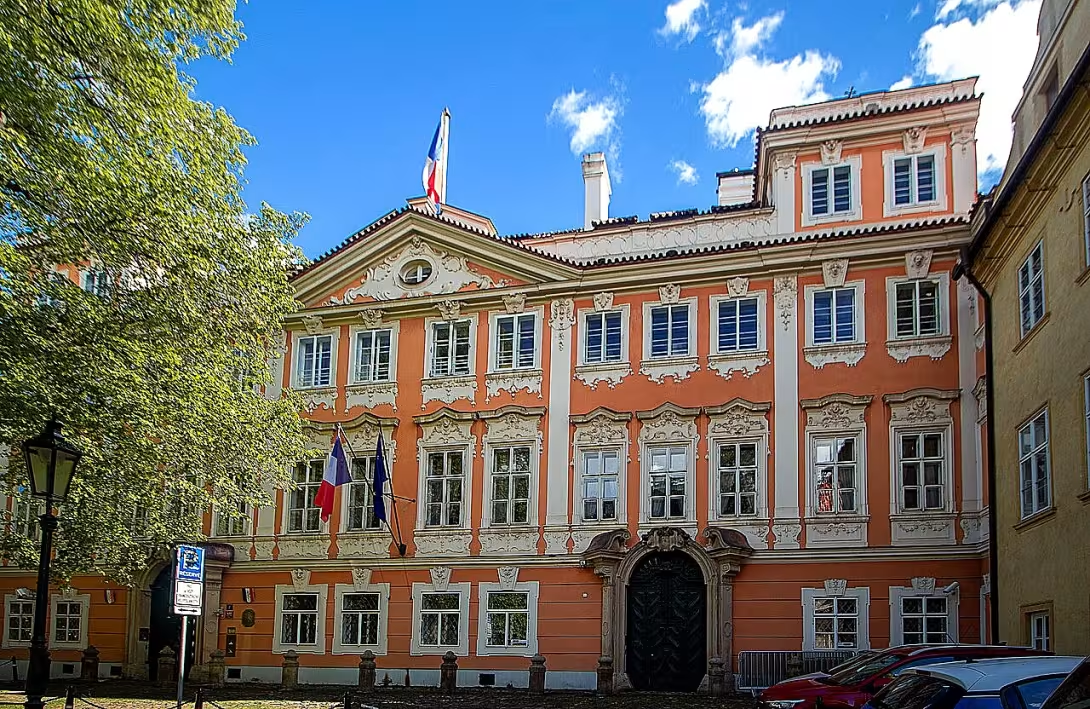
Buquoyský Palace, located in Prague's Malá Strana district at Velkopřevorské náměstí, is renowned for its baroque architecture and historical significance. Originally serving as a school and later an alumnat of the Order of Malta, it underwent significant transformations under various owners. Today, it serves as the residence of the French embassy in Prague, marking its importance as a diplomatic site since 1919.
The origins of Buquoyský Palace trace back to when the area housed a school and several homes, including those of a furrier and carpenter. In 1667, its transformation into a baroque structure began under Jan Bedřich z Valdštejna and his half-brother Karel Ferdinand. This marked its evolution from a modest educational institution to an architectural masterpiece. The palace's design features optical illusions typical of Baroque architecture, creating an impression of monumentality that belies its actual height.
Throughout its history, Buquoyský Palace has seen several owners who contributed to its development and expansion. Marie Josefa Thunová expanded the palace in 1719 by connecting multiple plots, while architect Jan Jiří Achbauer shaped its baroque facade between 1729 and 1738. The property changed hands again when Maria Anna Fürstenbergová acquired it in 1732, followed by Maria Anna Hrzánová z Harasova in 1735. In 1748, František Leopold Buquoy purchased the palace, establishing it as a prestigious residence for his family until 1919.
The palace's role as a diplomatic site began when Karel Jiří Buquoy, a relative of the last private owner, decided to reside in the nearby Malý Buquoyský Palace and leased the larger palace to the French state. This arrangement led to the establishment of the French embassy in 1919, a status solidified when the French government purchased the property in 1930. A notable event occurred on December 9, 1988, when Czech dissidents met with French President François Mitterrand at the palace, highlighting its significance as a venue for political discourse.
Architecturally, Buquoyský Palace is distinguished by its baroque style, characterized by optical illusions that enhance its perceived height and grandeur. The main facade features stone columns contributing to this illusion, while the southern facade facing Nosticova ulice includes prominent risalits echoing the design elements of the main entrance. The palace's layout includes several wings and three inner courtyards, with an extensive garden on its eastern side extending towards Čertovka.
Today, Buquoyský Palace stands as a testament to Prague's cultural and architectural evolution during the Baroque period. Its historical significance is underscored by its role in diplomatic relations since 1919. Visitors are drawn not only to its architectural beauty but also to its rich history, making it a must-see landmark for those exploring Prague's Malá Strana district. The palace invites exploration and appreciation of its enduring legacy as both an architectural marvel and a pivotal site in European diplomacy.
Then and now
Drag the slider to compare how the landmark may have looked when it was built with the view today.
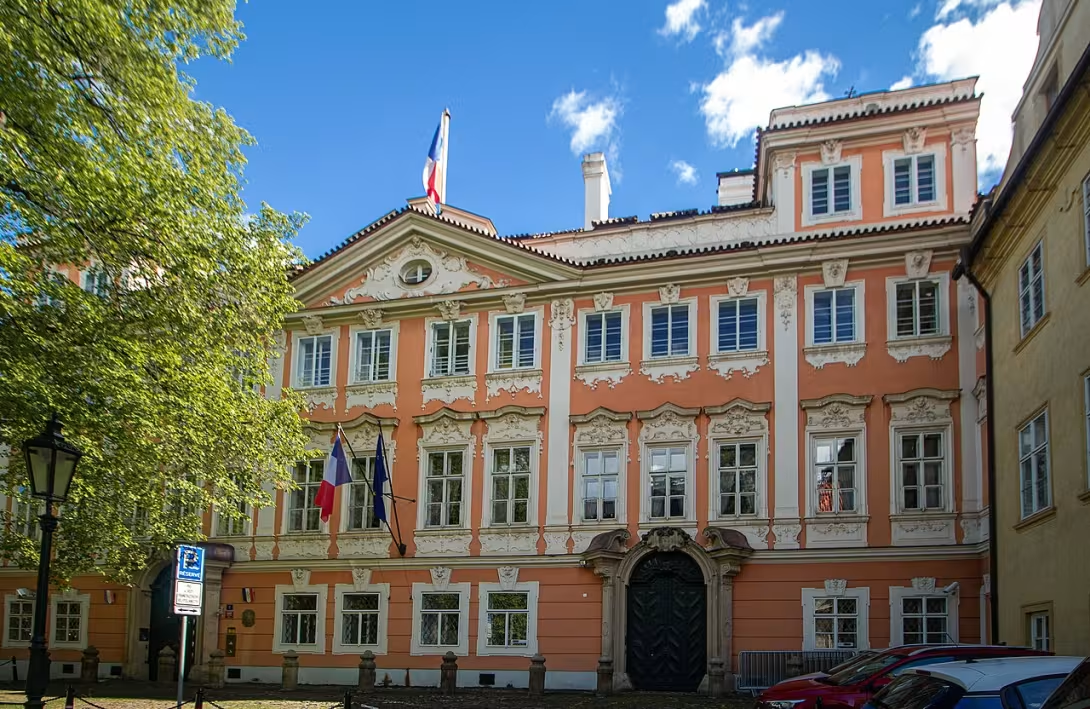
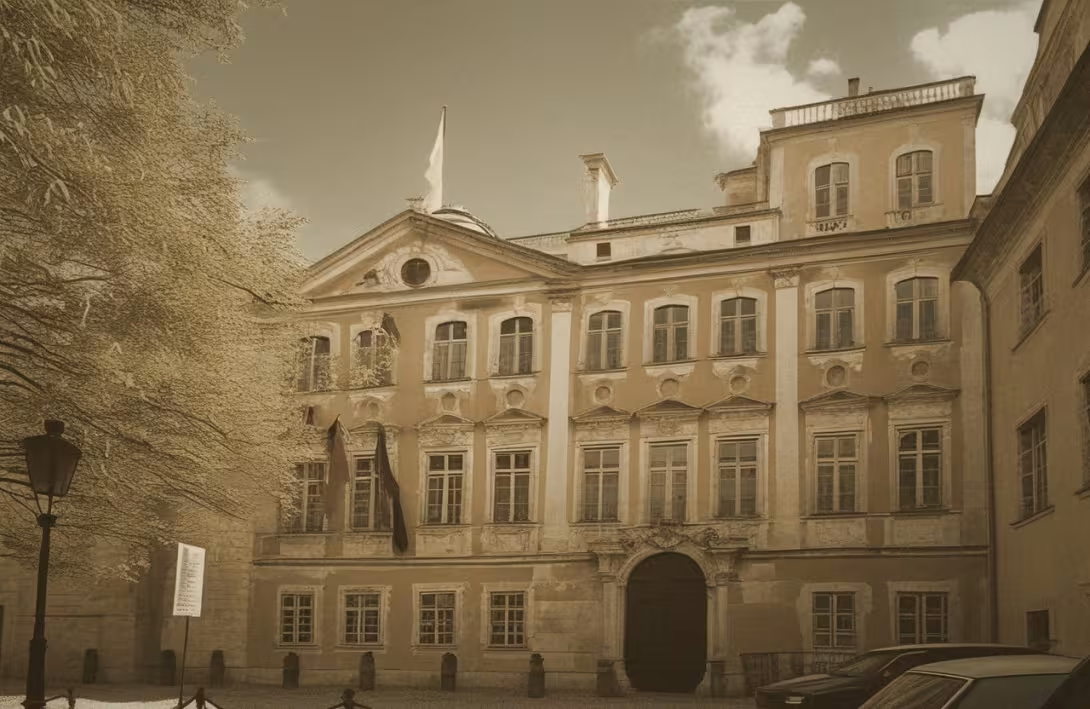
The historical appearance on the left is an AI-generated visualisation and serves as inspiration only.
Historical milestones
- 1667
- Transformation into a baroque structure began.
- 1719
- Palace expanded by Marie Josefa Thunová.
- 1732
- Sold to Maria Anna Fürstenbergová.
- 1919
- Became the residence of the French embassy.
- 1988
- Meeting with François Mitterrand by Czech dissidents.
Architectural development
The Buquoyský palác underwent several architectural phases starting from its origins as a school. In 1667, it was transformed by Jan Bedřich z Valdštejna and Karel Ferdinand into a baroque structure. Further expansions were made in the early 18th century, culminating in a significant redesign by Jan Jiří Achbauer. The palace's facade features Baroque elements designed to create optical illusions of height.
Historical events
In 1919, the palace became the residence of the French embassy.
On December 9, 1988, Czech dissidents met with French President François Mitterrand in the palace.
Owners
Jan Bedřich z Valdštejna and Karel Ferdinand (1667-1719)
Marie Josefa Thunová (1719-1735)
Maria Anna Fürstenbergová (1735-1738)
Maria Anna Hrzánová z Harasova (1738-1748)
František Leopold Buquoy (1748-1767)
Buquoy family (until 1919)
French state (since 1930)
Points of interest
- The Buquoyský Palace's baroque architecture incorporates optical illusions that make it appear taller and more grandiose than its actual size, a clever design choice typical of the Baroque period.
- In 1988, the palace became a significant venue for political discourse when Czech dissidents met with French President François Mitterrand, highlighting its role in international diplomacy beyond serving as an embassy.
- The palace's transformation from a modest educational institution to a baroque masterpiece began in 1667 under the guidance of Jan Bedřich z Valdštejna and his half-brother Karel Ferdinand, marking a significant architectural evolution.
- Architect Jan Jiří Achbauer was instrumental in shaping the palace’s baroque facade between 1729 and 1738, contributing to its distinctive style that features stone columns creating an illusion of height.
- The property's history includes multiple expansions and renovations by various owners, such as Marie Josefa Thunová who connected several plots in 1719, reflecting its evolving role and significance over the centuries.
Guide
This guide is narrated by a synthetic voice generated by artificial intelligence.
Show guide text
This text was created by artificial intelligence and has not been editorially reviewed. It may contain inaccuracies.
Welcome to the historic Buquoyský Palác, a gem nestled in the heart of Prague's Malá Strana district. As you stand before this magnificent structure, take a moment to absorb its grandeur and the stories it holds within its walls.
The journey of the Buquoyský Palace began in 1667 when it was transformed into a baroque architectural masterpiece. Originally serving as a school, it later became an alumnat for the Order of Malta. Over time, the palace underwent significant transformations under various owners, each adding their own touch to its evolving story.
As you look at the facade, notice how the Baroque architecture plays with your perception. The design incorporates optical illusions that make the building appear taller and more grandiose than it actually is—a clever trick typical of the Baroque period. These visual effects are not just for show; they reflect the artistic ingenuity of the era.
The palace's history is intertwined with notable figures who have left their mark on its legacy. Among them, Jan Jiří Achbauer, the architect responsible for much of its design, and Marie Josefa Thunová, who expanded it in 1719. In 1732, Maria Anna Fürstenbergová became one of its owners, further contributing to its rich history.
One of the most significant events in the palace's recent past occurred in 1988 when Czech dissidents met with François Mitterrand here. This meeting marked a pivotal moment in political discourse, highlighting the building's role as more than just an architectural marvel but also a witness to history.
As you continue your exploration, imagine the lives and stories that have unfolded within these walls. Each corner of the palace whispers tales of transformation and resilience.
We invite you to delve deeper into this fascinating site, where every step reveals another layer of its storied past. Thank you for joining us on this journey through time at the Buquoyský Palác.
Tips for visitors
The best time to visit Buquoyský palác is during the late spring or early fall, when the weather is pleasant for exploring its grand architecture without the summer crowds. The milder temperatures and natural light enhance the experience of viewing the intricate baroque details that adorn the palace complex. Additionally, visiting outside peak tourist seasons often means shorter lines at entry points and a more relaxed atmosphere to enjoy the historical site.
Transportation options to Buquoyský palác are convenient as it is accessible both by car and public transport. For those driving, there are parking facilities nearby, though availability can vary depending on the time of day and season. Public transportation, including buses and trams, offers a practical alternative with several lines stopping close to the palace. It's advisable to check current routes and schedules in advance using a reliable transit app or website.
When planning your visit, consider bringing comfortable walking shoes as you'll likely explore both the palatial grounds and nearby historical sites. A camera is essential for capturing the stunning architecture and vibrant atmosphere of Malá Strana. Early morning or late afternoon visits are ideal for photography, as the soft light accentuates the baroque features and provides a warm glow to your photos. Additionally, carrying water and sunscreen can enhance comfort during warmer months.
For families with children, Buquoyský palác offers an engaging historical experience. The palace grounds provide ample space for kids to explore, making it easier to keep them entertained while appreciating the architecture. Nearby attractions such as Malý Buquoyský palác and Štěpánský mlýn are within a 30-minute walk or short public transport ride, offering additional opportunities for family exploration. These sites provide varied historical insights and scenic views that can captivate both adults and children alike.
Businesses nearby
Do you run a restaurant, accommodation, shop, museum, rental, wellness or other visitor service near this monument? Show yourself directly to the people heading to it — this is how they will see you in the app and on the web:
Events nearby

Zdroj akcí: otevřená data měst a obcí ČR (Národní katalog otevřených dat) a kalendář akcí Národního památkového ústavu.
Nearby
Surrounded by Velkopřevorské náměstí and Maltézské náměstí, the palace is near other historical sites like Malý Buquoyský palác and Štěpánský mlýn.
Accommodation nearby
Trips and activities nearby
Guided tours, tickets and activities nearby from GetYourGuide
Affiliate link: if you buy from the partner, we may receive a commission. The price for you does not change.
Search tours and activities →Themed route
Tematická výletní trasa Buquoyského paláce
1. Buquoyský palác (Palác)
Proč stojí za návštěvu: Tento impozantní barokní palác, postavený pro francouzského generála Louis de Boufflersa, je známý svou architekturou a historickou významností. Je to nejlepší místo k začátku vašeho výletu, abyste si prohlédli jeho elegantní interiéry a pochopili jeho důležitost ve francouzských vojenských kampaních.
2. Malý Buquoyský palác
Proč stojí za návštěvu: Tento menší, ale elegantní palác byl postaven jako součást komplexu pro Louis de Boufflersa a je známý svou harmonickou architekturou. Je ideálním místem k prozkoumání detailů barokního designu a pochopení historie rodiny Buquoy.
3. Štěpánský mlýn
Proč stojí za návštěvu: Tento starobylý vodní mlýn, nacházející se poblíž paláců, nabízí pohled na historické průmyslové praktiky a je zajímavým připomenutím minulých způsobů života. Je to krásné místo k prozkoumání po návštěvě paláců.
4. Maltézské náměstí
Proč stojí za návštěvu: Toto historické náměstí je známé svými krásnými barokními domy a slavnou Maltézskou kaplí. Je to ideální místo k procházce po návštěvě Buquoyských paláců, abyste si užili klidného prostředí a pohledu na historický architektonický styl.
5. Velkopřevorské náměstí
Proč stojí za návštěvu: Toto náměstí slouží jako spojovací část mezi Buquoyskými palácemi a dalšími historickými místy v okolí. Je to ideální místo k uzavření vašeho výletu, abyste si užili atmosféru staré Prahy a pochopili její kulturní dědictví.
Tato trasa nabízí pohled na klíčová historická místa spojená s Buquoyskými palácemi, poskytující hluboký vhled do barokní architektury a historie Prahy.
Seasonal recommendations
Spring: Visiting Buquoy's Palace during spring offers a delightful experience as the surrounding gardens begin to bloom with vibrant colors, creating an enchanting atmosphere that complements the historical elegance of the palace. The soft light and gentle breezes enhance the beauty of the architecture, making it a perfect time for photography enthusiasts. Visitors should dress in layers, as temperatures can vary throughout the day, and consider bringing sunglasses to shield against the brighter sunlight. Although crowds are generally manageable during this season, arriving early in the morning is advisable to enjoy a quieter exploration.
Summer: The summer months at Buquoy's Palace bring long days filled with warm sunshine, ideal for leisurely strolls through its lush gardens. This period often sees the highest visitor traffic due to school holidays and favorable weather conditions, so planning ahead is crucial. Arriving early in the morning can help avoid larger crowds, allowing more time to appreciate the palace’s intricate details without haste. Light clothing and comfortable shoes are recommended, along with staying hydrated and using sunscreen to protect against the sun's intensity.
Autumn: Autumn at Buquoy's Palace offers a unique charm as the foliage transforms into rich hues of red, orange, and gold, providing a picturesque backdrop that enhances the historical ambiance. The cooler temperatures make for a pleasant visit without the summer crowds, allowing visitors to explore more leisurely. It’s advisable to wear warm layers, including a light jacket, as evenings can be quite chilly. This season is perfect for those who appreciate nature's beauty and enjoy a quieter atmosphere.
Winter: Winter transforms Buquoy's Palace into a serene destination, with its historic architecture standing out against the crisp, snowy landscape. While some areas of the gardens may be less accessible due to snow cover, the palace itself remains a captivating sight. Visitors should dress warmly in layers, including hats and gloves, as temperatures can drop significantly. It’s important to check opening hours, which might be reduced during this season, and consider visiting on weekdays when there are fewer tourists. The subdued lighting inside adds an intimate feel, perfect for those looking to escape the hustle and bustle of city life.
Visualizations and artistic views


The visualisations are generated by artificial intelligence and serve as inspiration.
Photos from the area
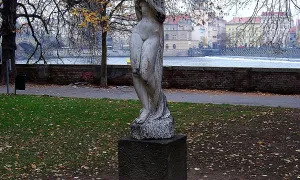
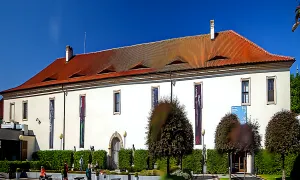
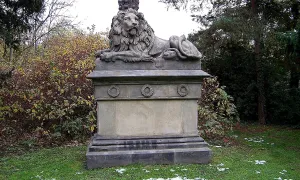
Real photos taken near the monument


Zdroj a licence jsou uvedeny u každého snímku.
Tips from visitors
No tips yet. Be the first!
Log in and add your tip.
Sources and literature
Photos: VitVit / CC BY-SA 4.0 — Wikimedia Commons. The author and licence also appear when you hover over the image.
Faktickým podkladem tohoto textu byl článek na Wikipedii, jehož autory jsou přispěvatelé Wikipedie. Článek je dostupný pod licencí CC BY-SA 4.0.
Location on the map

Příběhy a pověsti
Legendy, pověsti a příběhy spjaté s touto památkou
Fotografie návštěvníků
Zatím žádné fotografie. Buďte první, kdo přidá fotografii z návštěvy!
Log in a přidejte svou fotografii nebo hodnoťte.
Za ověřenou návštěvu v aplikaci získáte víc bodů — poznáme podle GPS, že jste na místě.
Reviews and comments