



Bývalý koncentrační tábor ve statku - pamětní deska Memorial plaque
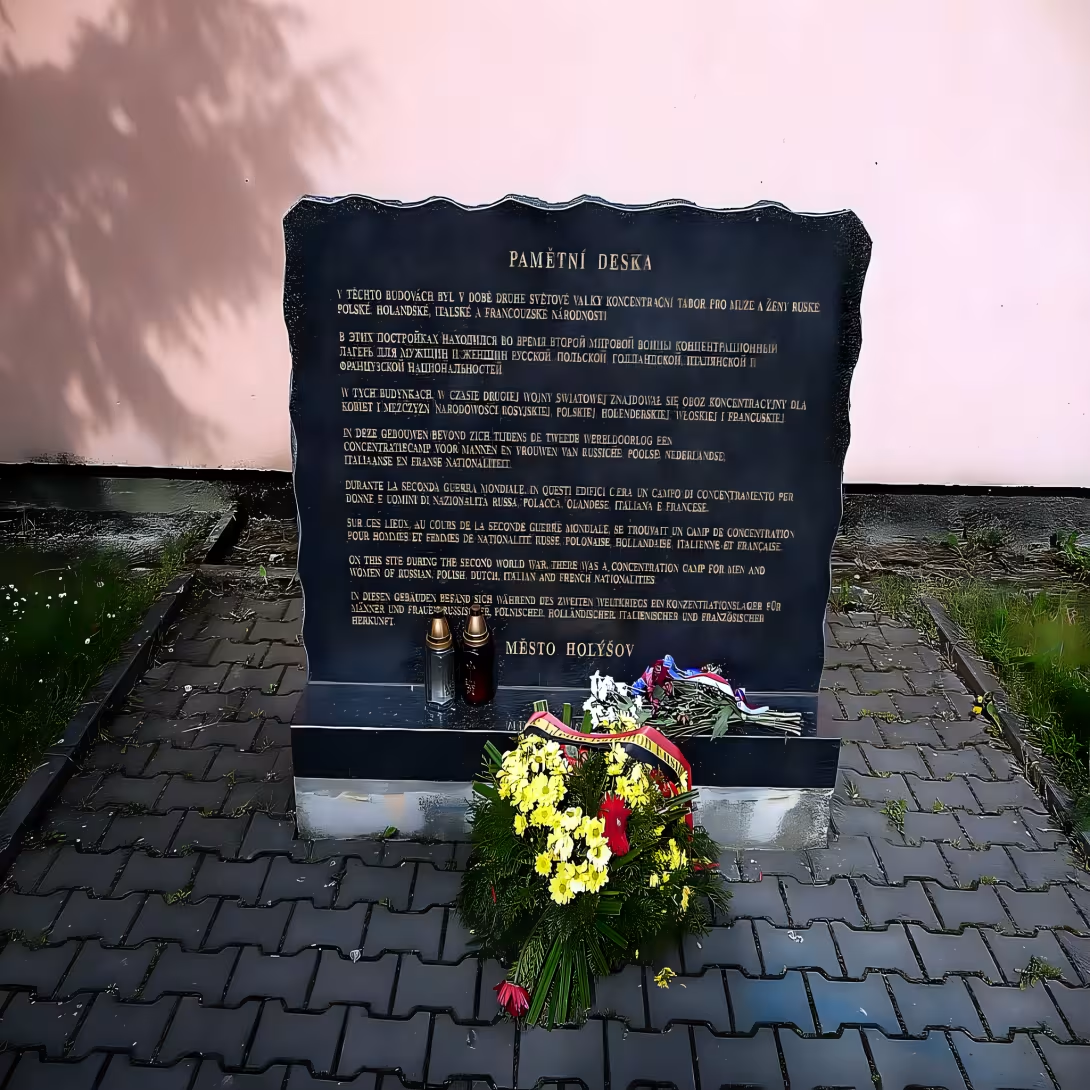
The Bývalý koncentrační tábor ve statku - pamětní deska is a poignant memorial plaque located in Holýšov, Plzeňský kraj. It commemorates a former concentration camp that was part of the Flossenbürg network during World War II. Established near a munitions factory in April 1944, this subcamp imprisoned thousands from various nationalities under harsh conditions. The site is now marked by residential buildings and a private company's premises, with memorial plaques detailing its history and the suffering endured there.
The camp at Holýšov was established as a subcamp of Flossenbürg concentration camp in April 1944 near the village of Holýšov. It operated under the administration of KT Flossenbürg until September 1944, after which it formally fell under KT Ravensbrück. The site served as both a labor and internment facility for diverse groups, including Hungarian Jewish women, French nationals, Polish women, Russian women, and others. A total of 1,091 women and 250 men were imprisoned here, enduring forced labor at the nearby munitions factory.
The camp was liberated by the Polish Svatokřížská brigade on May 5, 1945. Tragically, eleven inmates perished during their imprisonment, with their remains buried alongside those from other Holýšov camps in a local cemetery marked by nineteen white crosses bearing victims' names and three unmarked graves of Soviet prisoners.
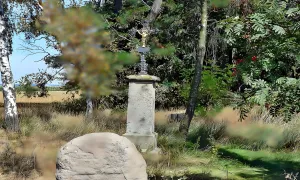
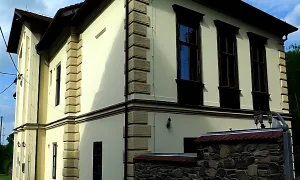
Today, the site is transformed into a residential area in its front section, while the rear hosts an enclosed private company's premises. A memorial plaque at the entrance road commemorates not only the groups mentioned but also Italian and Dutch prisoners, despite omitting Hungarian Jewish women from this particular inscription. Additionally, a stone brought from Flossenbürg in 2010 serves as a poignant reminder of the forced labor endured by the inmates.
The historical context of the Holýšov camp reflects the broader atrocities committed during World War II under Nazi Germany's oppressive regime. It stands as a testament to the suffering and resilience of those imprisoned there, highlighting the diverse nationalities affected by these wartime horrors.
Visiting this site offers a sobering reminder of history's darker chapters. The memorial plaques provide valuable insights into the lives and struggles of those who suffered here, making it a significant place for reflection and remembrance. It is worth visiting to honor their memory and understand the importance of preserving such historical sites.
Historical milestones
- 1944
- The concentration camp in Holýšov was established as a subcamp of Flossenbürg.
- 1945
- The camp was liberated by the Polish Svatokřížská brigade.
Historical events
The camp was established as a subcamp of Flossenbürg concentration camp in April 1944 near Holýšov.
It was liberated by the Polish Svatokřížská brigade on May 5, 1945.
Points of interest
- The transformation of the Holýšov camp site into a residential area and private company premises highlights how modern development can obscure historical sites, requiring deliberate efforts to preserve memory through plaques.
- Despite its significance, the memorial plaque at the entrance road notably omits Hungarian Jewish women from the list of prisoner groups commemorated, reflecting complexities in historical remembrance and recognition.
- The stone brought from Flossenbürg in 2010 serves as a poignant connection between the Holýšov subcamp and the main Flossenbürg concentration camp, symbolizing shared histories and collective memory across different sites within the Nazi network.
- The liberation of the camp by the Polish Svatokřížská brigade on May 5, 1945, underscores the role of diverse military units in ending Nazi oppression, highlighting lesser-known contributions to World War II's conclusion.
- The presence of nineteen white crosses and three unmarked graves at the local cemetery marks a silent yet powerful tribute to those who perished, emphasizing how memorial practices can vary and evolve over time while maintaining their significance for remembrance.
Guide
This guide is narrated by a synthetic voice generated by artificial intelligence.
Show guide text
This text was created by artificial intelligence and has not been editorially reviewed. It may contain inaccuracies.
Welcome to a poignant site of history nestled in the heart of Holýšov, Plzeňský kraj. As you stand here, your attention is drawn to a modest yet significant memorial plaque mounted on an unassuming wall beside the entrance road. This plaque serves as a silent testament to the turbulent past that once unfolded in this very location.
The story behind this site begins during World War II, specifically in 1944, when it was established as a subcamp of Flossenbürg. Situated near a munitions factory, its primary purpose was to support the war effort by imprisoning thousands of men and women from various nationalities under harsh conditions. The camp operated until 1945, when liberation came through the efforts of the Polish Svatokřížská brigade.
As you gaze upon the plaque, notice how it stands as a solitary reminder amidst modern development. The architectural simplicity of this memorial contrasts sharply with the complex and tragic history it commemorates. While specific details about its design are not documented, its presence is a deliberate act to ensure that the memory of those who suffered here endures.
Although the names of many individuals connected to this site remain unknown, their stories resonate through time, reminding us of the resilience of the human spirit in the face of adversity. This memorial plaque marks more than just a geographical location; it symbolizes the countless untold narratives of courage and endurance.
An intriguing aspect of this site is its transformation over the years. What once was a place of suffering has now become part of a residential area, with private company premises nearby. This evolution serves as a stark reminder of how easily historical sites can be obscured by modern development. It underscores the importance of deliberate efforts to preserve memory and history through such memorials.
As you conclude your visit here, we invite you to reflect on the significance of this place and consider exploring further into Holýšov to discover more about its rich history. Thank you for taking the time to honor those who endured hardships in these grounds. May their memories continue to inspire us all.
Frequently asked questions
Can the monument be visited?
This is a structure in a public space that can usually be seen from outside free of charge. We have not verified that this particular one is freely accessible.
Where is the monument?
Location: Politických vězňů, Holýšov, Plzeňský kraj. The map on this page shows the exact spot.
Why is the monument protected?
It is listed in the Central List of Cultural Monuments of the Czech Republic as a cultural monument (register no. 37095/4-2073).
Businesses nearby
Do you run a restaurant, accommodation, shop, museum, rental, wellness or other visitor service near this monument? Show yourself directly to the people heading to it — this is how they will see you in the app and on the web:
Events nearby
Zdroj akcí: otevřená data měst a obcí ČR (Národní katalog otevřených dat) a kalendář akcí Národního památkového ústavu.
Accommodation nearby
Trips and activities nearby
Guided tours, tickets and activities nearby from GetYourGuide
Affiliate link: if you buy from the partner, we may receive a commission. The price for you does not change.
Search tours and activities →Themed route
Thematic Walking Tour: The Legacy of the Former Concentration Camp Site
1. Former Concentration Camp Memorial Plaque - Type: Historical Memorial - Why Visit: Begin your journey at this poignant site in the Holýšov district, where a memorial plaque commemorates the former concentration camp. This location serves as a solemn reminder of historical events and offers visitors an opportunity to reflect on the past.
2. Holýšov Village Square - Type: Cultural Landmark - Why Visit: After visiting the memorial plaque, take a short walk to the village square in Holýšov. This area provides insight into local life and history, with its traditional architecture and community atmosphere offering a peaceful contrast to the somber beginnings of your tour.
3. Local Historical Museum (if available) - Type: Educational Site - Why Visit: If there is a small museum or historical exhibit in Holýšov, it can provide deeper context about the region's history and its connection to broader national events. This visit will enrich your understanding of the area’s past.
4. Surrounding Countryside Walk - Type: Nature Trail - Why Visit: Conclude your tour with a leisurely walk through the surrounding countryside near Holýšov. The natural beauty and tranquility offer a moment of reflection and peace, allowing visitors to process their thoughts on history while enjoying the serene landscape.
This thematic walking tour provides a meaningful exploration of history and culture in the Holýšov area, focusing solely on significant local sites related to the former concentration camp site.
Seasonal recommendations
Spring: Visiting the historical site of the former concentration camp memorial plaque during spring offers a unique experience as nature begins to awaken around the area. The landscape, which may have been dormant in winter, starts blooming with vibrant colors and fresh greenery, providing a poignant contrast to the somber history of the location. This season's gentle light enhances the reflective atmosphere, making it an ideal time for contemplation. Visitors are advised to dress in layers as temperatures can vary significantly throughout the day. Early mornings or late afternoons are recommended to avoid larger crowds and to fully appreciate the site’s tranquil environment.
Summer: Summer brings longer daylight hours and warmer weather, creating a vibrant atmosphere around the memorial plaque. The lush greenery is at its peak, offering a stark backdrop that can make the visit more impactful. However, this season also sees increased visitor numbers, especially during holidays and weekends, so arriving early in the day is advisable to avoid crowds. Comfortable walking shoes and light clothing are recommended due to the warm temperatures, along with sunscreen and water to stay hydrated.
Autumn: The autumn months offer a serene and contemplative atmosphere at the memorial site as the landscape transforms into shades of orange, red, and yellow. This season provides a unique visual experience that can deepen the emotional impact of the visit. Visiting during weekdays or outside peak holiday periods can ensure a more peaceful experience.
Winter: Winter at the memorial plaque site presents a stark and solemn atmosphere as snow may blanket the landscape, adding a layer of quiet introspection to the visit. The cold weather necessitates warm clothing, including coats, hats, gloves, and thermal layers to stay comfortable during your visit. Winter also tends to see fewer visitors, allowing for a more private reflection on the site’s history.
Visualizations and artistic views


The visualisations are generated by artificial intelligence and serve as inspiration.
Tips from visitors
No tips yet. Be the first!
Log in and add your tip.
Sources and literature
Photos: Albert Miskiewicz / CC BY-SA 4.0, rozlišení zvýšeno umělou inteligencí — Wikimedia Commons. The author and licence also appear when you hover over the image.
Faktickým podkladem tohoto textu byl článek na Wikipedii, jehož autory jsou přispěvatelé Wikipedie. Článek je dostupný pod licencí CC BY-SA 4.0.
Location on the map


Příběhy a pověsti
Legendy, pověsti a příběhy spjaté s touto památkou

Fotografie návštěvníků
Zatím žádné fotografie. Buďte první, kdo přidá fotografii z návštěvy!
Log in a přidejte svou fotografii nebo hodnoťte.
Za ověřenou návštěvu v aplikaci získáte víc bodů — poznáme podle GPS, že jste na místě.
Reviews and comments