






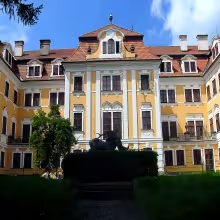
Chlum u Třeboně is a notable market town in the Jihočeský kraj region of the Czech Republic, renowned for its baroque castle that reflects the area's rich historical tapestry. Built on an older fortress site in 1710, the castle has ties to prominent noble families like the Fünfkirchen and Este families. This monument is significant not only for its architectural evolution but also for showcasing Bohemia's baroque grandeur under the Habsburg Monarchy.
The origins of Chlum u Třeboně date back to 1399, initially owned by the Rosenberg family until 1508. In 1505, the Krajíř of Krajek family acquired it and established fishponds and a fortress in Chlum. Later, ownership passed to the Slavata family and then the Counts of Fünfkirchen, who boosted the local economy by initiating glass making and iron production.
Architecturally, the castle underwent significant transformations over time. The original fortress was replaced by a baroque two-story structure in 1710. Between 1872 and 1875, renovations created a more cohesive building, adding features like a dining room and billiards hall. Its current neo-Baroque appearance is due to Heinrich Johann Leopold Gerl's work from 1901 to 1903.
Notable owners include Jan Arnošt z Fünfkirchenu (1710-1834), František V. d’Este (1861-1875), and Archduke Franz Ferdinand d’Este (1875-1918). Under the Este family, industrial activities ceased, transforming the castle into a summer residence.
Key historical events include its promotion to a market town in 1857 and the establishment of a chapel in 1746. In 1912, Archduke Franz Ferdinand d’Este's secretary offered the estate for lease, highlighting its economic relevance.
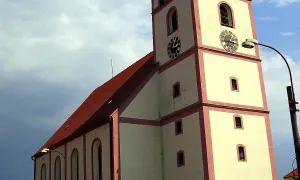
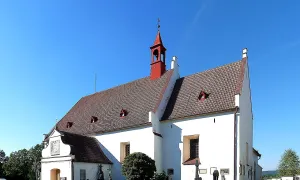
Today, Chlum u Třeboně Castle remains privately owned and operates as a hotel, making it inaccessible to the general public. Despite this, it is recognized as a cultural monument, with its romantic park being one of southern Bohemia's most significant preserved Baroque areas. The Church of the Assumption of the Virgin Mary and the Church of All Saints are also notable sights, enhancing the town's historical allure.
Visiting Chlum u Třeboně offers insight into the baroque splendor that once defined this region. While the castle itself may not be open for public tours, its presence and surrounding landscape provide a rich context for understanding the area's noble past. The market town's blend of historical architecture and cultural heritage makes it a worthwhile destination for those interested in exploring Czech history.
Historical milestones
- 1399
- Chlum u Třeboně owned by the Rosenberg family.
- 1505
- Krajíř of Krajek family acquired Chlum and established fishponds and a fortress.
- 1710
- Baroque castle built on the site of an older fortress.
- 1746
- Establishment of a chapel in Chlum u Třeboně.
- 1857
- Chlum promoted to a market town status.
- 1872
- Renovations began, adding dining room and billiards hall.
Architectural development
The original fortress was replaced by a baroque two-story castle in 1710. Significant renovations occurred from 1872 to 1875, transforming the northeast wing into a more cohesive structure with a dining room and billiards hall. The current appearance of the castle is attributed to Heinrich Johann Leopold Gerl's work between 1901 and 1903.
Historical events
Construction of the baroque castle in 1710.
Renovation and architectural changes between 1872–1875.
Owners
Jan Arnošt z Fünfkirchenu (1710-1834)
František V. d’Este (1861-1875)
František Ferdinand d’Este (1875-1918)
Points of interest
- The Chlum u Třeboně castle was initially built on the site of an older fortress in 1710, indicating a strategic importance and continuity of defense from medieval times through to the baroque era.
- In 1746, a chapel was established within the grounds of the estate, reflecting the historical significance of religious structures in enhancing the cultural and spiritual life of noble families during that period.
Guide
Show guide text
Welcome to the historic site of Chlum u Třeboně, a remarkable baroque castle nestled in the scenic Jihočeský kraj region of the Czech Republic. As you stand here, imagine yourself stepping back into time, surrounded by the whispers of history and tales of nobility that echo through these grounds.
The origins of this site trace back to 1399 when it was owned by the Rosenberg family, a name synonymous with power during medieval times. By 1505, Chlum u Třeboně found itself under the stewardship of the Krajíř of Krajek family, who added fishponds and fortified the site further, hinting at its strategic importance. However, it was in 1710 that a significant transformation took place — the old fortress was replaced by this stunning baroque castle, designed by Heinrich Johann Leopold Gerl, also known as Heinz Gerl.
As you gaze upon the complex architecture of Chlum u Třeboně, notice how its grandeur reflects not just an era but a lineage of influential families. The Fünfkirchen family and later the Este family played pivotal roles in shaping its legacy. The baroque style is evident in the symmetry and elegance that define the castle's appearance, inviting you to appreciate the craftsmanship of the 18th century.
Let’s delve into some key stories tied to this site. Kunrát Krajíř z Krajku was among those who left a lasting mark here, along with Julius Krajíř z Krajku and Kateřina Terezie Slavatová. The influence of Jan Arnošt z Fünfkirchenu is palpable in the castle's history, as is that of František V. d’Este, both of whom contributed to its rich narrative.
A fascinating aspect of Chlum u Třeboně is the chapel established here in 1746. This addition reflects not only religious devotion but also the cultural significance of such structures during the baroque period. The castle's evolution continued into the 19th century when, in 1857, it was elevated to a market town status, further cementing its role as a central hub.
Now, let’s take a moment to reflect on an intriguing feature: the continuity of defense from medieval times through to the baroque era. This site has been a silent witness to centuries of history, adapting and evolving while maintaining its strategic importance.
As we conclude our tour, I invite you to explore the surrounding area further, perhaps imagining the lives that once flourished within these walls. Though Chlum u Třeboně remains inaccessible for an up-close visit, its stories continue to captivate those who walk its grounds. Thank you for joining me on this journey through time, and may your curiosity lead you to discover even more hidden gems in the Czech Republic.
Farewell!
Tips for visitors
The best time to visit Chlum u Třeboně is during the late spring or early autumn months, specifically from May to September. During this period, the weather is typically mild and pleasant, making it ideal for exploring the castle grounds and enjoying the surrounding landscapes. The gardens are in full bloom in spring, offering a picturesque setting, while autumn provides stunning foliage colors that enhance the beauty of the area.
Parking at Chlum u Třeboně is available on-site, but spaces can be limited during peak tourist seasons. Visitors may also consider using public transportation as an alternative; local buses and trains can bring you close to the site. It's advisable to check current routes and schedules in advance through a travel planner or the official website of the castle for the most accurate information.
When planning your visit, it is recommended to wear comfortable walking shoes, especially if you intend to explore the extensive grounds and gardens. Additionally, bringing a hat, sunscreen, and water can help ensure comfort during warmer months. Since weather conditions can change, carrying a light jacket or raincoat might also be prudent.
For photography enthusiasts, Chlum u Třeboně offers several picturesque spots. The best lighting for photographs is typically in the early morning or late afternoon when the sunlight is softer and more flattering. The castle's baroque architecture provides striking backdrops, while the gardens offer a variety of natural scenes to capture. Exploring different angles around the estate can yield unique perspectives.
Nearby attractions within a 30-minute drive include other historical sites associated with the Rožmberk and Krajíř families, which contribute to the region's rich cultural heritage. These sites provide additional context and history related to Chlum u Třeboně, making them worthwhile visits for those interested in exploring more of the area’s historical significance.
Businesses nearby
Do you run a restaurant, accommodation, shop, museum, rental, wellness or other visitor service near this monument? Show yourself directly to the people heading to it — this is how they will see you in the app and on the web:
Nearby
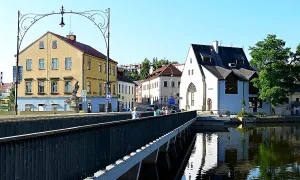
Chlum u Třeboně is surrounded by a landscape that includes historical estates and natural features. Nearby are other sites associated with the Rožmberk and Krajíř families, contributing to its rich cultural heritage.
Accommodation nearby
Themed route
Tematická výletní trasa: Chlum u Třeboně a jeho historické okolí
1. Chlum u Třeboně (Zámek) - *Typ:* Historický zámek - *Proč stojí za návštěvu:* Chlum u Třeboně je původní sídlem rodu Rožmberků, jedné z nejvlivnějších šlechtických rodin v historii Čech. Zámek nabízí návštěvníkům přehled o bohaté historii a architektuře 16. století, s jeho jedinečnými gotickými prvky a barokními úpravami.
2. Rožmberská zahrada - *Typ:* Historická zahrada - *Proč stojí za návštěvu:* Tato zahrada, součást zámku Chlum u Třeboně, je příkladem raně novověkého zahradního umění. Její pečlivě upravené kvetoucí návrhy a historický charakter poskytují pohled na životní styl šlechty v této oblasti.
3. Chlumský park - *Typ:* Park - *Proč stojí za návštěvu:* Chlumský park, nacházející se blízko zámku, je ideálním místem pro relaxaci a procházky. Jeho přírodní krása nabízí klidné chvíle v rozsáhlých lesních oblastech a útulných sadech.
4. Sedlec u Třeboně (Rožmberský hrad) - *Typ:* Historický hrad - *Proč stojí za návštěvu:* I když je umístěn trochu dál, Sedlec u Třeboně představuje další významnou historickou lokalitu spojenou s rodem Rožmberků. Hrad poskytuje vhled do života a činnosti šlechtického rodu na konci středověku.
5. Krajířský dvůr v Třeboni - *Typ:* Historická budova - *Proč stojí za návštěvu:* Původně spojen s rodem Krajířů, tento dvůr je důležitou součástí kulturního a historického dědictví regionu. Dnes slouží jako muzeum, které návštěvníkům představuje životní styl a významnou roli rodiny Krajířů.
Tato trasa nabízí komplexní pohled na historické a kulturní dědictví Chlmu u Třeboně a jeho okolí, zdůrazňující významnou roli rodin Rožmberků a Krajířů.
Seasonal recommendations
Spring: Visiting Chlum u Třeboně during spring offers a unique experience as the castle grounds come alive with blooming wildflowers and lush greenery, creating a vibrant backdrop for exploring historical architecture. The soft morning light enhances the picturesque views of the surrounding landscape. Visitors should consider arriving early to enjoy the tranquility before larger crowds arrive, especially on weekends when local interest peaks. Wearing comfortable walking shoes is advisable due to potential muddy paths after rain showers. Layered clothing is recommended as temperatures can vary throughout the day.
Summer: The summer months at Chlum u Třeboně are marked by long daylight hours and warm weather, ideal for leisurely strolls through the castle's expansive gardens. This period often attracts more visitors, particularly during peak holiday weeks, so arriving early in the morning can help avoid crowds. Sun protection is essential—bring sunscreen, hats, and sunglasses to enjoy outdoor activities comfortably. The vibrant atmosphere of summer provides a lively setting to appreciate both the historical significance and natural beauty of the site.
Autumn: Autumn at Chlum u Třeboně offers a stunning display of fall foliage, with the landscape transforming into rich hues of orange, red, and gold. This season is particularly magical as the cooler temperatures make for pleasant exploration without the summer heat. The air carries a crispness that enhances the castle's historical ambiance. Visitors should wear layers to accommodate fluctuating temperatures throughout the day and consider bringing a light jacket in the evenings when it can get chillier. This time of year also sees fewer tourists, providing a more serene experience.
Winter: Winter transforms Chlum u Třeboně into a quiet, enchanting retreat with snow-covered grounds that add a mystical charm to the castle's historic architecture. The shorter days mean earlier closures, so planning your visit for late morning or early afternoon is wise to maximize daylight hours. Dress warmly in layers and wear sturdy boots suitable for potentially icy paths. While some areas may be less accessible due to weather conditions, the winter atmosphere offers a unique perspective on this historical landmark, with fewer visitors allowing for a more intimate experience.
Visualizations and artistic views


Vizualizace jsou generovány umělou inteligencí a slouží jako inspirace.


Tips from visitors
No tips yet. Be the first!
Log in and add your tip.


Reviews and comments