






Cibulka Villa
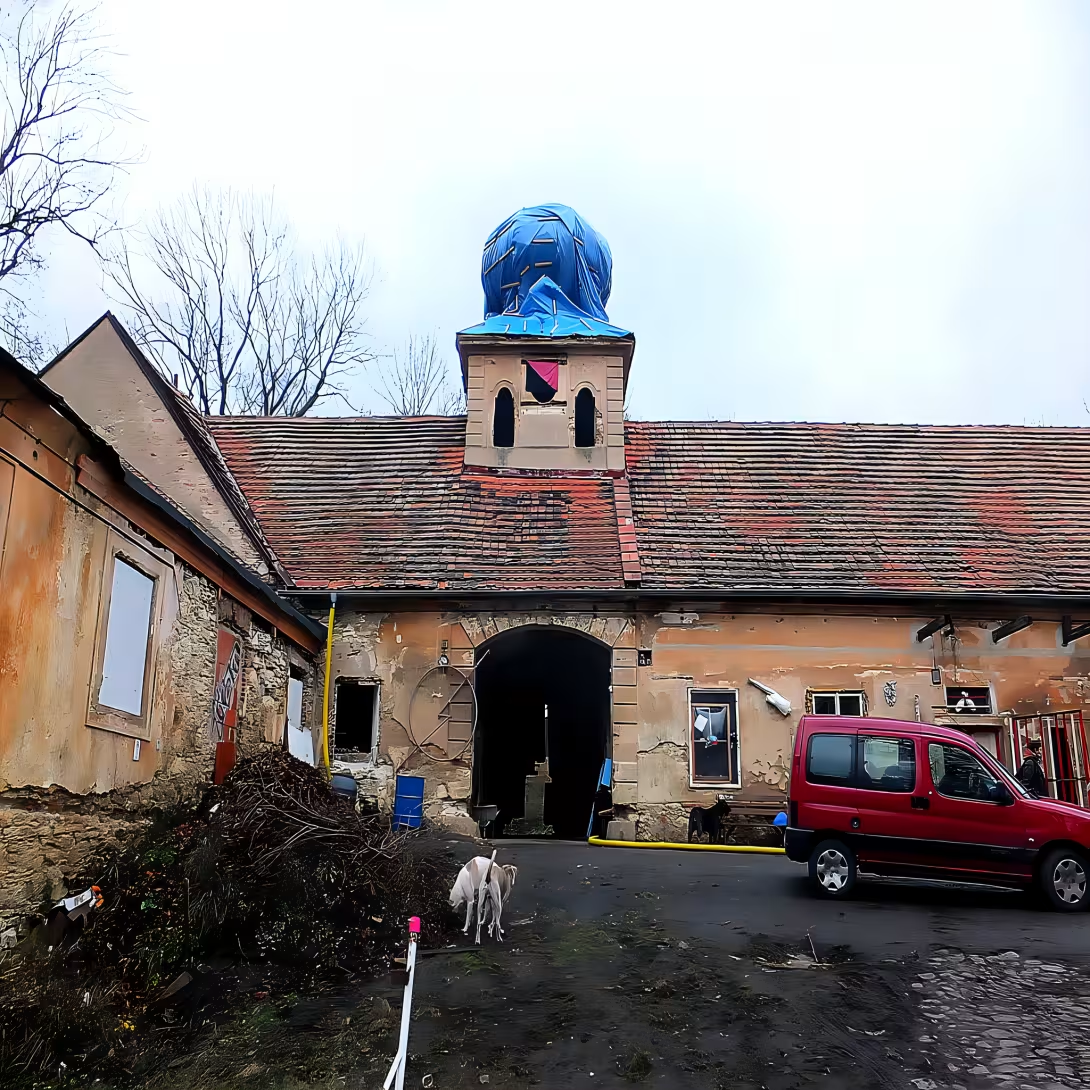
Cibulka, originally called the Cibulky, has a very rich history. The oldest mention of the estate in its vicinity dates back to the 14th century, when the area belonged to Jindřich Naz, the typists of the court kitchen of Emperor Charles IV. In the 16th century it became the property of the House of Cibulks from Veleslavin, after which the whole area gained its name. The estate worked as a farm with fields and fruit orchard, but its main wealth was the vineyards that were declared the area of the basketball hills.
The Thirty Years' War has damaged the manor considerably and later abandoned it completely. In such a devastated state, in 1681, the university professor Johann Georg von Funcke bought it, who restored it and built a new fruit orchard. It was taken up by other owners - among them, the Purkrabi cashier Karel Schönfeld or the township Vojtěkovský. In 1758 Filip Krakovský Kolovrat, who owned it for the purposes of Prague's purgrave, won it for the longest time - until 1817.
That year, Onion brought a major transformation. The last prince of Pasov - Bishop Leopold Leonhard Raymund Reichsgraf Joseph Thun-Hohenstein bought it for 112,000 gold pieces. During the wars of Naples, he lost his title as a prince, but remained a church representative of the divided Priests of Pasov. When he refused to continue working in Pasov, he decided to spend his last years in Prague - right here, in Onion.
Leopold Leonhard Thun had the entire complex radically rebuilt. The estate took the form of an empirical castle with a two-track building, several stables and economic buildings. The owner was surrounded by a precisely invented English park with a forest park. In the main yard there was an empir fountain, романтic building and interesting stone doves - dogs. In the bishop's gardens, the most beautiful part of which was the name "Secret Garden," the Tuscan Column, the Prachner Stones, garden gazes, swimming pools and stone terraces were scattered. The whole was a unified and aesthetically balanced whole, which experts still admire.
After the bishop's death, the estate burned down and gradually fell to nothing. Today's forest park Cibulka is situated in an adjacent romantically modified area and contains a number of valuable works from important Prague artists in the early 19th century. The name has spread over time to a whole nearby colony of family houses on the southern Kosland slope and gave the name and railway stop, which today bears the name Praha -Cibulka. Cibulka presents a unique testimony to the Prague architectural culture of its time.
Then and now
Drag the slider to compare how the landmark may have looked when it was built with the view today.
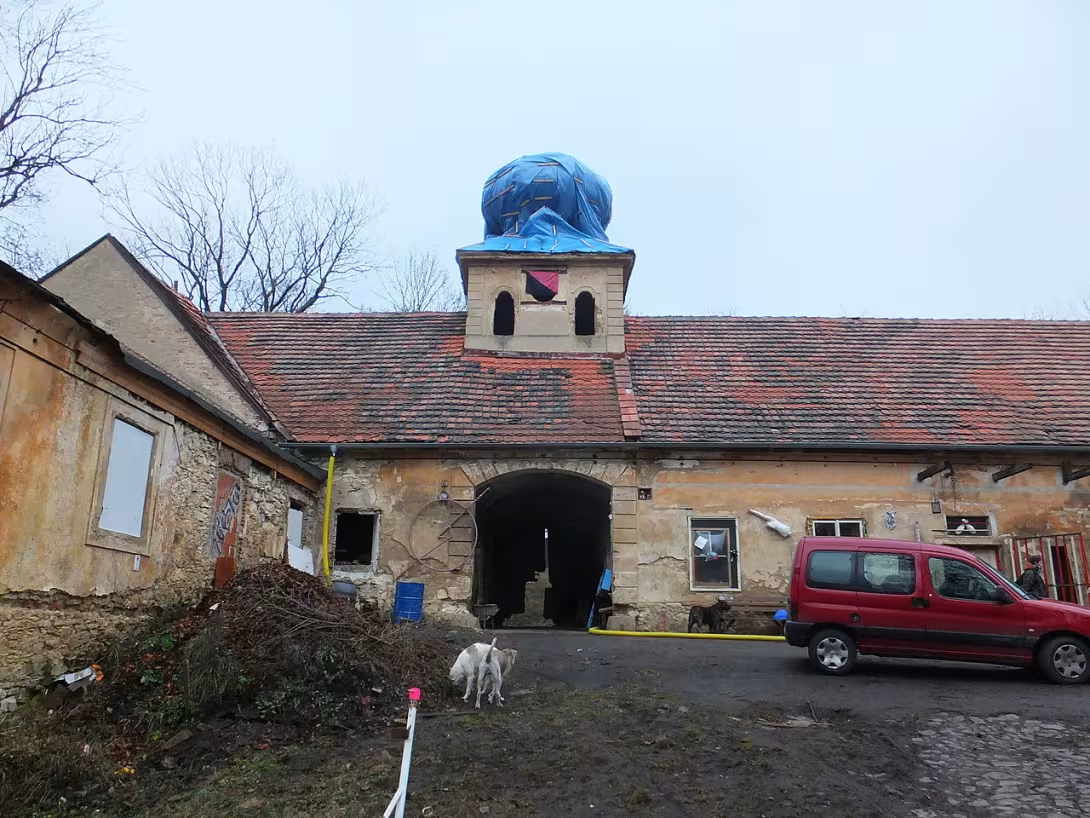
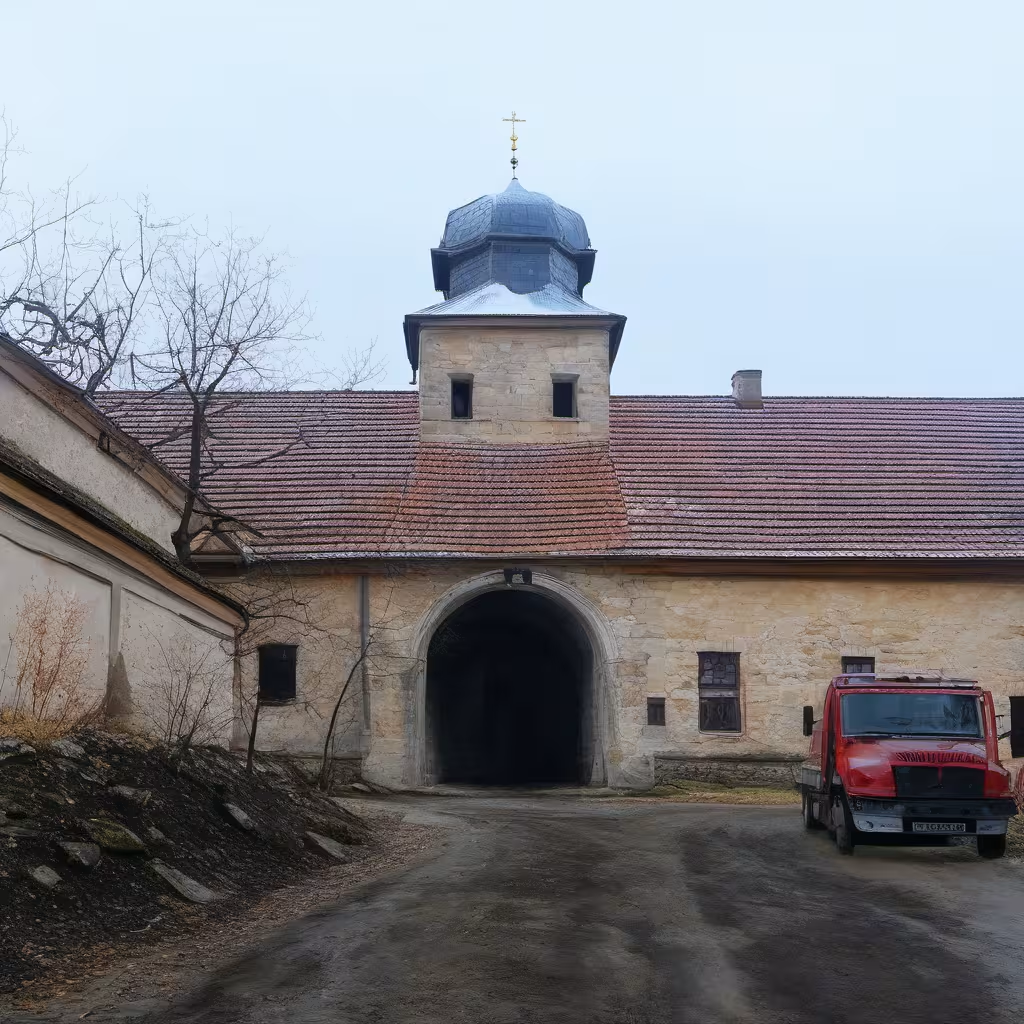
The historical appearance on the left is an AI-generated visualisation and serves as inspiration only.
Historical milestones
- 1817
- The estate bought by Leopold Leonhard Raymund of Thun-Hohenstein
- 1826
- Completion of housing reconstruction
Architectural development
In 1817, the Cibulka estate was radically converted into an empire castle under the leadership of Leopold Leonhard Raymund. The main building was expanded and supplemented with stables, economic buildings, romantic structures and stone doves - dogs. The area was premeditated with an English park and a forest park.
Historical events
- 1817-1826
Owners
- 14th Century
- 16th Century
- 1681
- 1758-1817
- 1817
Points of interest
- Cibulka originally had the name Na Cibulky and its history dates back to the 14th century.
- The estate belonged to Jindřich Naz, the scribe of the court kitchen of Emperor Charles IV, in the 14th century.
In 1681, it was restored by university professor Johann Georg von Funcke and a new fruit orchard.
- Leopold Leonhard Thun has rebuilt the estate into an empire castle with an English park, forest park and other architectural elements.
After the bishop's death, the estate burned down and gradually fell to nothing.
Guide
This guide is narrated by a synthetic voice generated by artificial intelligence.
Show guide text
This text was created by artificial intelligence and has not been editorially reviewed. It may contain inaccuracies.
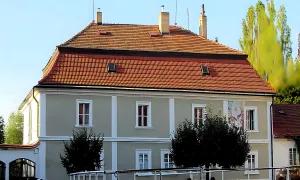
The Cibulka estate is located in the Prague district of Košíře. Originally, it was called Na Cibulkách in plural form. It acquired its present appearance as an Empire-style manor house in the first third of the nineteenth century. It consists of a main building, farm buildings, and stables. Around it stretches a romantically designed forest park of the same name with numerous valuable works by prominent Prague artists from the early nineteenth century.
The earliest mentions of the estate at this site date back to the fourteenth century. The area then belonged to Henry Nazvo, a scribe of the court kitchen of Charles the Fourth. In the sixteenth century, it was acquired by the Cibulka family from Veleslavín, who gave their name to both the estate and the entire surrounding area. The small farmstead included several fields and an orchard. However, the most important feature were the vineyards, for which Košíře was renowned.
During the Thirty Years' War, Cibulka was severely damaged and eventually abandoned. In this state, it was purchased in sixteen eighty-one by university professor Johann Georg von Funcke. He established a new orchard and restored the entire place. Among later owners was Karel Schönfeld, a treasurer of the tax office, or Vojtěchovský, a townsman. He allowed gatherings of Protestants persecuted by the Jesuits to take place there. Further damage came during the War of Austrian Succession, when Bavarian, Saxon, and French troops passed through the region. In seventeen fifty-eight, the estate was purchased by Filip Krakovský Kolovrat for the office of the Prague burgrave.
A turning point came in eighteen seventeen. For one hundred and twelve thousand guilders, Leopold Leonhard Thun-Hohenstein, the last prince-bishop of Passau and a generous patron of the arts, purchased Cibulka. Due to the Napoleonic Wars, he lost his princely title, but remained as a church leader in the divided Passau principality. He refused to remain in Passau under these conditions and thus came into conflict with the Vatican. He came from Děčín, but in his final years decided to spend his time in Prague, right here at Cibulka.
Thun radically rebuilt the entire complex. The main two-storey building on two axes was enlarged and supplemented with stables and farm buildings. On the main courtyard stood an Empire-style fountain, small romantic structures, and stone dovecotes with kennels. The most beautiful part of the bishop's private gardens was called the Secret Garden. Throughout the gardens and the entire complex, a number of stone and architectural ornaments were created: the Tuscan column, Práchner's stele, figures of Chinese men which no longer remain, pavilions, small pools, and terraces. The manor house was complemented by a thoughtfully designed English park and forest park, which formed a unified whole with it.
After Thun's death, Cibulka caught fire, began to deteriorate, and fell into obscurity. However, its name lives on. It is borne by the forest park and a colony of family houses on the southern Košíře slope around the winding street V Cibulkách. It is also borne by the railway station Praha-Cibulka, established in nineteen twenty-nine as Cibulka kolonie. Between eighteen seventy-two and nineteen thirty-eight, it was also the name of today's station Praha-Stodůlky.
Tips for visitors
Best time to visit The Cibulka is in the summer months when gardens and surrounding nature are in their most beautiful form. The sunny days offer ideal conditions for exploring outdoor space and enjoying peace in castle orchards.
The current connection can be detected using an online search engine or mobile tracking app.
When visiting, bring suitable clothes according to the weather, especially during the summer period. Photos of the local environment are unforgettable, so we recommend bringing a camera or mobile phone with good quality of the camera.
Photography is particularly charming at the beginning of the day or moments before sunset, when light gives the architecture a romantic touch. The best places for photos are gardens and the main building itself.
There are several interesting places to visit in the vicinity of the Cibulka estate. Distance around 30 minutes allows you to explore other historical and cultural monuments in Prague.
Frequently asked questions
Can the monument be visited?
This is a residential or farm building, not a museum with opening hours. Please view it from public space and respect the owners' privacy. We have no information about access to the interior. According to the heritage register the structure is in poor condition – do not enter it and take care nearby.
Where is the monument?
Location: Cibulka 118, Košíře, Praha, Hlavní město Praha. The map on this page shows the exact spot.
Why is the monument protected?
It is listed in the Central List of Cultural Monuments of the Czech Republic as a cultural monument (register no. 40321/1-1375).
For kids
Imagine going back to when Praha was a small village with walls and towers. It was another country where the kings and castles were many.
Cibulka was one of them - the largest and strongest castle in Prague. He stood on a hill above the river Vltava and his highest point reached up to the clouds. Who lived here? They were kings who lived here from 1324 to 1485.
There were important battles in Onion with the enemy, but there were also mysterious knights and their stories. The legend is that a treasure was buried in the castle - a gold jewel that was never found.
Businesses nearby
Do you run a restaurant, accommodation, shop, museum, rental, wellness or other visitor service near this monument? Show yourself directly to the people heading to it — this is how they will see you in the app and on the web:
Events nearby

Zdroj akcí: otevřená data měst a obcí ČR (Národní katalog otevřených dat) a kalendář akcí Národního památkového ústavu.
Nearby
Ambient landscape, other monuments, natural elements up to 5 km or zero.
Accommodation nearby
Trips and activities nearby
Guided tours, tickets and activities nearby from GetYourGuide
Affiliate link: if you buy from the partner, we may receive a commission. The price for you does not change.
Search tours and activities →Themed route
Route: Cibulka - Kosland village - Kosland chapel - Kosland pond - Kosland street
Cibulka (villa), Košlská nav (public space), Košlská chapel (chapel), Košlská pond (pond), Košlská street (street).
Seasonal recommendations
Spring: In the spring season Cibulka is surrounded by flowers and greenery, creating a pleasant atmosphere. It is advisable to visit a monument in the spring season so that one can enjoy the first spring sun and fresh green. The best time to visit Onion is in April or May when the weather is mild and still. It is good to prepare for possible rain showers and siege tourists who like to take a trip during this period.
Summer: In the main summer season Cibulka is visited by many tourists who want to enjoy warm weather. It is good to avoid visiting in July and August when the crowds are the largest. The best time to visit Onion is in June or September when the weather is pleasant and not so many people. It's good to prepare for a possible sunburn and bring enough drink.
Autumn: In autumn the Cibulka is surrounded by beautiful colorful greenery and yellow leaves. It's an ideal time to visit a monument so you can see beautiful autumn colors. The best time to visit Onion is in September or October when the weather is mild and still. It's good to prepare for possible dust and decaying leaves.
Winter: In winter Cibulka is quiet and quiet, which creates a pleasant atmosphere. It is good to visit the memory in winter so that one can see Onion in peace and quiet. The best time to visit Onion is in December or January when the weather is cold and snowing. It is good to prepare for a possible frozen surface and shorter opening times.
Visualizations and artistic views


The visualisations are generated by artificial intelligence and serve as inspiration.
Photos from the area
Real photos taken near the monument


Zdroj a licence jsou uvedeny u každého snímku.
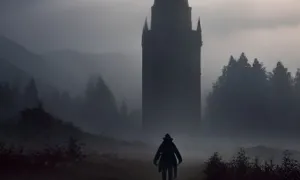
Atmosphere of the place
This atmospheric visualisation of the place and period was generated by artificial intelligence. It is not real footage of the location.
Tips from visitors
No tips yet. Be the first!
Log in and add your tip.
Sources and literature
Photos: Miloš Hlávka / CC BY-SA 3.0, rozlišení zvýšeno umělou inteligencí — Wikimedia Commons. The author and licence also appear when you hover over the image.
Faktickým podkladem tohoto textu byl článek na Wikipedii, jehož autory jsou přispěvatelé Wikipedie. Článek je dostupný pod licencí CC BY-SA 4.0.
Location on the map

Příběhy a pověsti
Legendy, pověsti a příběhy spjaté s touto památkou
Fotografie návštěvníků
Zatím žádné fotografie. Buďte první, kdo přidá fotografii z návštěvy!
Log in a přidejte svou fotografii nebo hodnoťte.
Za ověřenou návštěvu v aplikaci získáte víc bodů — poznáme podle GPS, že jste na místě.
Reviews and comments