



Dům čp. 314/18 House
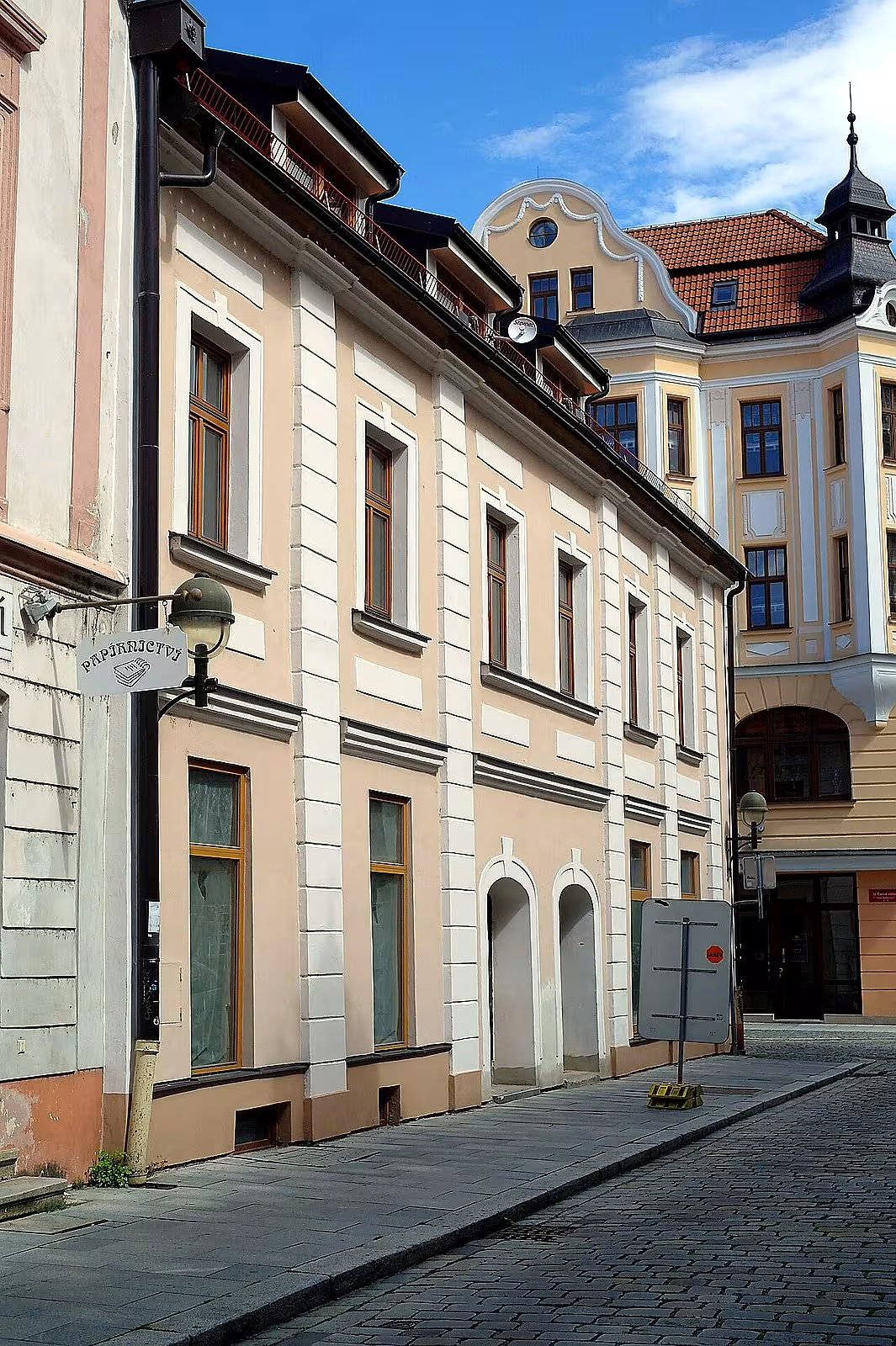
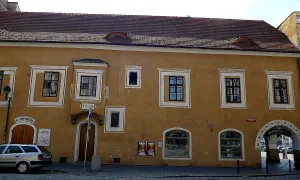
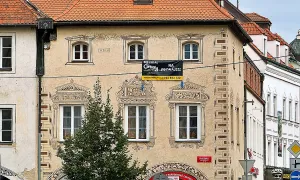
Dům čp. 314/18, also known as Dům U hroznu, is a significant cultural monument in České Budějovice, Czech Republic. Situated at the corner of Hroznová Street and U Černé věže Street, this historic building showcases architectural evolution from Renaissance to Neoclassicism. It has been protected as part of the city's urban heritage reserve since 1958.
The origins of Dům čp. 314/18 date back to at least 1593 when Martin Behaim, a goldsmith, purchased it from Ondřej Mohusch for 380 kop. Initially built in the Renaissance style, the structure reflects cultural and architectural influences during Bohemia's time under the Habsburg Monarchy. Over the centuries, it underwent modifications in Baroque and Empire styles before receiving its Neoclassical façade between 1837 and 1838.
Architecturally, Dům čp. 314/18 is distinguished by its late-1830s neoclassical průčelí, though its foundations are rooted in Renaissance design. The house features courtyard galleries supported by stone corbels, showcasing a blend of styles that highlight its historical transformations.
Historically, the building housed an inn named U hroznu or U zlatého hroznu. This establishment inspired Zdeňka Bezděková's novella 'Bludný kamen,' which draws on local legends about a mysterious stone marking an execution site. The house's name also influenced the naming of Hroznová Street in 1875.
Today, Dům čp. 314/18 remains a testament to České Budějovice's rich history and architectural heritage. As part of the city's urban heritage reserve, it offers visitors a glimpse into the past through its preserved façade and historical significance. This monument is worth visiting for those interested in exploring the layers of history embedded within its walls.
Dům čp. 314/18 stands as a valuable cultural asset, inviting exploration and appreciation from both locals and tourists alike. Its storied past and architectural beauty make it an essential stop for anyone seeking to understand the historical tapestry of České Budějovice.
Then and now
Drag the slider to compare how the landmark may have looked when it was built with the view today.
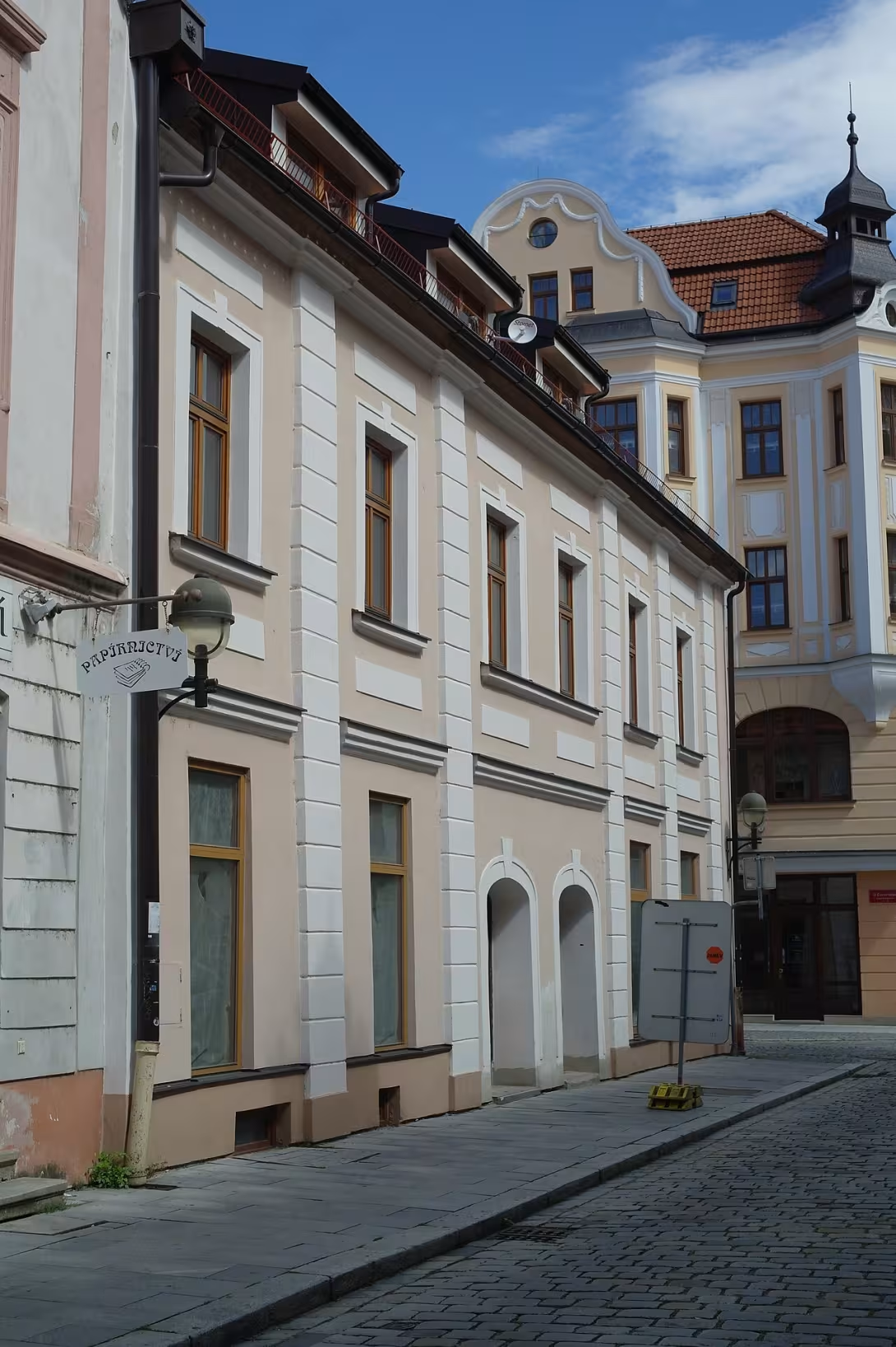

The historical appearance on the left is an AI-generated visualisation and serves as inspiration only.
Historical milestones
- 1593
- Martin Behaim purchased the house for 380 kop.
- kolem 1837-1838
- The building received its Neoclassical façade.
- 1875
- Hroznová Street was named after the house U hroznu.
- 1958
- The building became part of České Budějovice's urban heritage reserve.
Architectural development
Originally constructed in the Renaissance style, Dům čp. 314/18 underwent several architectural transformations over the centuries. It was modified during the Baroque and Empire periods before receiving its Neoclassical façade between 1837 and 1838. The house features courtyard galleries supported by stone corbels.
Historical events
In 1593, Martin Behaim, a goldsmith, acquired the house from Ondřej Mohusch for 380 kop.
The building once housed an inn named U hroznu or U zlatého hroznu, which inspired Zdeňka Bezděková's historical novella 'Bludný kamen'.
Points of interest
- The building's transformation from Renaissance to Neoclassicism mirrors the broader architectural trends in Bohemia under Habsburg rule, reflecting shifts in cultural and political influences over centuries. - Dům U hroznu housed an inn called U zlatého hroznu, which inspired Zdeňka Bezděková's novella 'Bludný kamen.' The story is based on local legends about a mysterious stone marking the site of an execution, adding a layer of intrigue to its history.
- The house's name influenced the naming of Hroznová Street in 1875. This connection between architecture and urban geography highlights how historical buildings can shape and be shaped by their surroundings over time.
- Originally purchased by Martin Behaim, a goldsmith, in 1593 for 380 kop, Dům čp. 314/18 has witnessed the economic transactions and social dynamics of its era, reflecting the livelihoods and trades that thrived in České Budějovice during the late Renaissance period.
- The courtyard galleries supported by stone corbels are a distinctive architectural feature, showcasing the blend of styles from different periods. These elements not only highlight the building's aesthetic evolution but also its adaptation to changing tastes and functions over time.
Guide
This guide is narrated by a synthetic voice generated by artificial intelligence.
Show guide text
This text was created by artificial intelligence and has not been editorially reviewed. It may contain inaccuracies.
House number 314 in Hroznová ulice in Českých Budějovicích is also called the house U hroznu. It belongs to the České Budějovice city heritage conservation area and has been protected as a cultural monument since May 3rd, 1958.
It is a corner town house at the intersection of Hroznová ulice and ulice U Černé věže. It was built in the Renaissance style and later renovated in the Baroque, Empire and Classical styles. The current Classical façade dates from 1837 to 1838. In the courtyard there are galleries supported by stone corbels.
The first mention of the house dates from 1593. At that time, goldsmith Martin Behaim bought the house from Ondřej Mohuschera for 380 kop.
There used to be an inn called U hroznu in the house, sometimes also called U zlatého hroznu. According to historian Daniel Kovář, the entire street was named after this house in 1875.
The writer Zdeňka Bezděková used the inn as the setting for her historical short story Bludný kámen. The story is based on a České Budějovice legend about a wandering stone in the town square. According to the legend, the stone marks the spot where an executioner's block once stood.
The legend has its basis in a real event that was recorded by České Budějovice chroniclers. In the seventeen seventies of the fifteenth century, an executioner killed ten young men at once with a sword in the town square. One of them killed the city judge during his arrest. But none of them revealed who it was, and so they were all executed.
Tips for visitors
The best time to visit Dům čp. 314/18, also known as Dům U hroznu, is during the late spring or early autumn months. During these times, České Budějovice experiences mild weather and fewer tourists, allowing you to fully appreciate the historical architecture without the crowds. Additionally, the natural light during these seasons enhances the beauty of the building's details.
It is advisable to use public transportation or park at a nearby lot and walk from there. The house is accessible by foot, making it convenient for those who prefer not to drive. Always check the latest transport options online before your visit.
When visiting Dům čp. 314/18, it's recommended to bring comfortable walking shoes as you may want to explore the surrounding area on foot. A camera is also a good idea, especially if you're interested in capturing the architectural details of the house and its surroundings. Since photography is often allowed, take advantage of natural light for the best shots.
For families with children, Dům U hroznu offers an engaging experience due to its historical significance and central location. While exploring nearby areas within a 30-minute walk, such as Hroznová Street, you can find local shops and cafes where families can relax. Ensure that any specific family needs are considered when planning your visit.
Frequently asked questions
Can the monument be visited?
This is a residential or farm building, not a museum with opening hours. Please view it from public space and respect the owners' privacy. We have no information about access to the interior.
Where is the monument?
Location: České Budějovice 1, Jihočeský kraj. The map on this page shows the exact spot.
Why is the monument protected?
It is listed in the Central List of Cultural Monuments of the Czech Republic as a cultural monument (register no. 1000157449).
Businesses nearby
Do you run a restaurant, accommodation, shop, museum, rental, wellness or other visitor service near this monument? Show yourself directly to the people heading to it — this is how they will see you in the app and on the web:
Events nearby
Zdroj akcí: otevřená data měst a obcí ČR (Národní katalog otevřených dat) a kalendář akcí Národního památkového ústavu.
Accommodation nearby
Trips and activities nearby
Guided tours, tickets and activities nearby from GetYourGuide
Affiliate link: if you buy from the partner, we may receive a commission. The price for you does not change.
Search tours and activities →Themed route
Tematická výletní trasa: Historické a kulturní centrum Českých Budějovic
1. Dům čp. 314/18 (dům) - Typ: Historický obecní dům - Proč stojí za návštěvu: Tento elegantní barokní dům je příkladem místní architektury z počátku 18. století a byl kdysi sídlem obecního úřadu. Jeho historické významy a klasická stavba ho činí ideálním začátkem pro prozkoumání kulturních kořenů Českých Budějovic.
2. Náměstí Svobody - Typ: Historické náměstí - Proč stojí za návštěvu: Přibližně 5 minut chůze od dům čp. 314/18, Náměstí Svobody je srdcem města a hostí řadu historických budov, včetně staroměstské radnice. Je to ideální místo pro prohlídku architektonických perel a prozkoumání duchovního jádra Českých Budějovic.
3. Kostel svatého Václava - Typ: Historický kostel - Proč stojí za návštěvu: Tento barokní kostel, nacházející se v blízkosti Náměstí Svobody, je známý svou bohatou historií a architektonickým designem. Je to klíčové místo pro pochopení náboženských tradic města a nabízí pohled na vysokou varhanní hranici.
4. Kostel svatého Mikuláše - Typ: Historický kostel - Proč stojí za návštěvu: Tento goticko-renaissanční kostel je dalším důležitým kulturním a historickým místem v blízkosti Náměstí Svobody. Jeho bohaté interiéry a architektonická krása představují klíčovou součást kulturního dědictví Českých Budějovic.
5. Staroměstské náměstí - Typ: Historické náměstí - Proč stojí za návštěvu: Toto náměstí je centrem historie a kultury města, domovem staroměstské radnice a dalších významných budov. Je ideálním místem pro uzavření vašeho kulturního výletu, nabízejícím pohled na životní styl a historii Českých Budějovic.
Tato trasa vás provede skrze srdce Českých Budějovic, odhalující bohatou historii a architektonické krásy města.
Seasonal recommendations
Spring: Visiting the historical site of Dům čp. 314/18 during spring offers a unique experience as nature awakens around the building, with vibrant flowers and lush greenery enhancing its charm. The soft light of longer days casts gentle shadows that highlight architectural details beautifully. This season is ideal for photography enthusiasts looking to capture the historic structure amidst blooming gardens. Visitors should dress in layers due to fluctuating temperatures and consider arriving earlier in the day to avoid crowds, as spring attracts many tourists eager to enjoy the outdoors.
Summer: Summer at Dům čp. 314/18 provides a lively atmosphere with extended daylight hours allowing for longer exploration of the site's intricacies. The warm weather invites visitors to appreciate outdoor seating areas and nearby parks while enjoying the historic ambiance. However, this is also peak tourist season, so it’s advisable to arrive early in the morning or later in the afternoon to avoid large groups. Comfortable walking shoes and light clothing are recommended for a pleasant visit under the summer sun.
Autumn: Autumn offers a picturesque setting at Dům čp. 314/18 as the leaves change colors, creating a stunning backdrop that enhances the historical architecture's beauty. The cooler temperatures make it an ideal time to explore without the discomfort of summer heat, and there are fewer tourists compared to other seasons. Visitors should dress warmly in layers and consider bringing a light jacket for breezy afternoons. This season is perfect for those who enjoy serene walks through beautifully colored landscapes.
Winter: Winter transforms Dům čp. 314/18 into a magical scene with its historic architecture adorned by the quiet beauty of snow, offering a unique perspective on its design. The shorter days mean that visits should be planned during daylight hours when the site is open, as winter can bring early closures. Visitors are advised to dress warmly in coats and layers to stay comfortable while exploring. Despite potentially fewer visitors due to colder weather, it's an enchanting time for those who appreciate a quieter atmosphere and the charm of historic sites under a blanket of snow.
Visualizations and artistic views


The visualisations are generated by artificial intelligence and serve as inspiration.
Photos from the area
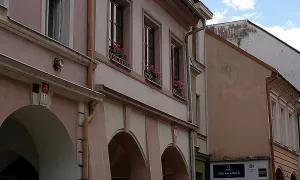
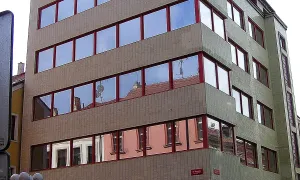
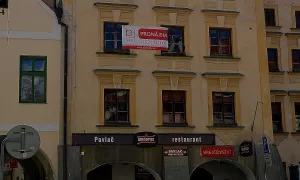
Real photos taken near the monument

Zdroj a licence jsou uvedeny u každého snímku.
Tips from visitors
No tips yet. Be the first!
Log in and add your tip.
Sources and literature
Photos: Jklamo / CC BY-SA 4.0 — Wikimedia Commons. The author and licence also appear when you hover over the image.
Faktickým podkladem tohoto textu byl článek na Wikipedii, jehož autory jsou přispěvatelé Wikipedie. Článek je dostupný pod licencí CC BY-SA 4.0.
Location on the map
More monuments – České Budějovice 1
Show all in the municipality
Příběhy a pověsti
Legendy, pověsti a příběhy spjaté s touto památkou
Fotografie návštěvníků
Zatím žádné fotografie. Buďte první, kdo přidá fotografii z návštěvy!
Log in a přidejte svou fotografii nebo hodnoťte.
Za ověřenou návštěvu v aplikaci získáte víc bodů — poznáme podle GPS, že jste na místě.
Reviews and comments