






Dům Josefa Kajetána Tyla House
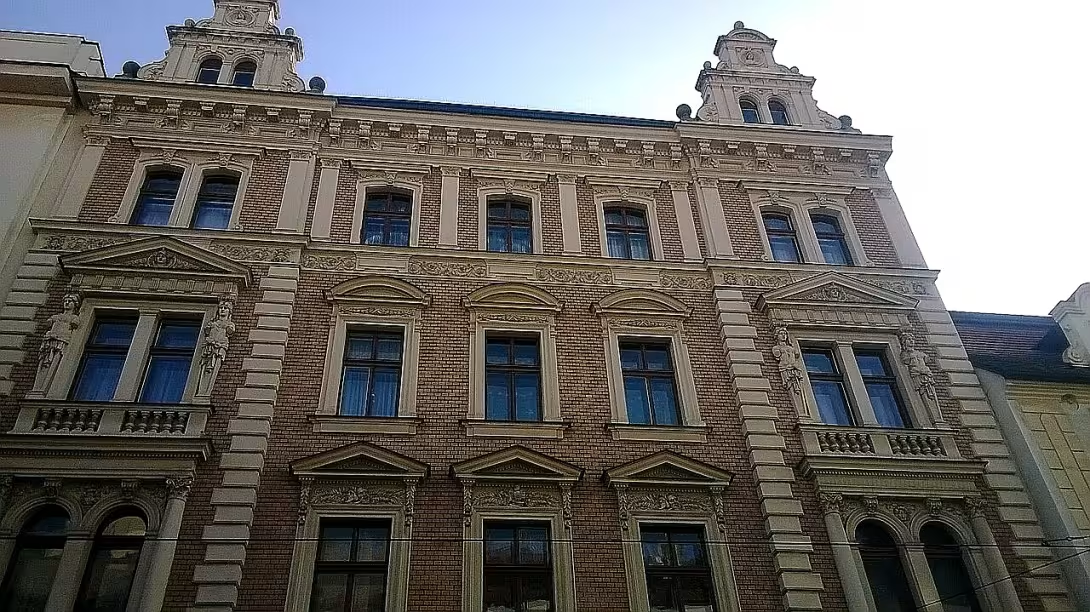
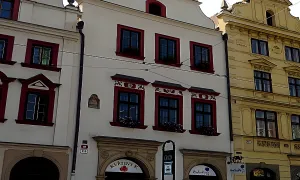
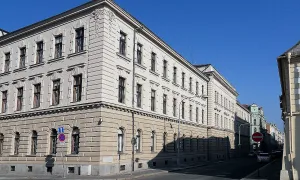
Dům Josefa Kajetána Tyla on Prešovská Street No. 169 / 3 in the centre of Pilsen is a neoclassical building, which was the last home and place of departure of the major Czech drama. Built in the first half of the nineteenth century, today serves as a cultural monument and reminds of its connection with the Czech national region. The facade of the house is decorated with a portal with angels, a medallion of Tyl and a commemorative plate, making it a rare example of architectural and cultural heritage.
This house is located in the historical centre of Pilsen, where Czech culture developed during the period of national renewal. Josef Kajetán Tyl, founder of modern Czech theatre works, lived here and died here on July 11, 1856. His work, such as Fidlováčka or Horal Women, played a key role in restoring Czech theatre and national identity. The house thus symbolizes the combination of architecture and cultural development, which affected Czech society.
The house is a typical example of the neoclassical style that was popular at the time. The facade is decorated with a portal with angels and medallion of Josef Kajetán Tyl above the entrance. There are two balconies above the first floor and two shields on the top of the house. The exact date of construction is not known, but style and details correspond to the period of history. The building was later modified but retained its original characteristic elements.
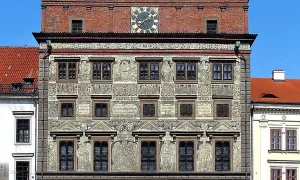
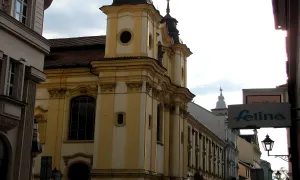
In the vicinity of the house there are other historical monuments such as the Golden Sun House, where there is a professional workplace of the National Heritage Institute. Near is the historical centre of Pilsen with the Church of the Assumption of the Virgin Mary and the square of the Republic. This location offers visitors the opportunity to know the rich history and culture of the city.
Today the house is open to the public and serves as a cultural monument. The facade and the interiors preserve the original form, allowing visitors to feel the atmosphere of the national revival period. The monument reminds of the importance of Tyl for Czech culture and is an important place for all who are interested in the history of Czech theatre and architecture.
Visiting this house offers the opportunity to meet one of the key places of Czech cultural heritage. Its architecture and connection with the personality of Josef Kajetán Tyl makes it an interesting stop for tourists and lovers of history. The Pilsen Center, where the house is located, is an ideal place to explore other historical monuments and explore the rich history of the city.
Historical milestones
- around 1830-1840
- Built neoclassical building as the last home of Josef Kajetan Tyl
- 1856
- He died here July 11, Josef Kajetán Tyl, founder of modern Czech theatre
- after 1856
- The house served as a cultural monument and reminded of the connection with the national region
- 20th century
- The building has undergone modifications, but has retained the original architectural elements
- today
- The house is accessible to the public as a cultural monument with preserved facade and interiors
Architectural development
The house was built in a neoclassical style which was popular in the first half of the 19th century. The exact date of construction is not known, but style and architectural elements correspond to the period of history. The house was later modified, but it retained its original characteristics.
Historical events
- 1856
- Josef Kajetán Tyl, an important Czech playwright and founder of a modern Czech theatre game, died here.
Points of interest
- The house was the last home and place of death of the great Czech playwright Josef Kajetán Tyl, who died here on 11 July 1856.
- The facade of the house is decorated with a portal with angels, a medallion of Tyl and a memorial plate, which is a rare proof of the connection of architecture to cultural heritage.
- The building is a typical example of neoclassical style from the first half of the nineteenth century, although the exact date of construction is unknown.
- The house serves as a cultural monument and retains the original appearance of the facade and interiors, allowing visitors to feel the atmosphere of the National Rebirth Age.
Guide
Show guide text
This text was created by artificial intelligence and has not been editorially reviewed. It may contain inaccuracies.
Welcome to this historic house, which boasts its place in the heart of Pilsen. You're standing in front of a building that's a living testament to rich past and cultural legacy. In front of you stands the house, which was the last home and place of departure of one of the most important Czech writers, playwright and founder of modern Czech theatre - Josef Kajetán Tyl.
Let's take a look together at what will welcome you around the moment. The facade of the house immediately captures you with its neoclassical style. Feel the harmony of clean lines and symmetry that are typical of this era. The house offers you a view of well preserved architecture, which is like a time capsule from around the 1940s.
Now pay attention to details that will interest you immediately. A portal decorated with angels is opened above the entrance - small but highly symbolic figures that supply the facade with a gentle soul. Below them is the medallion of Josef Kajetan Tyl whose face reminds you of its importance for Czech culture. Note also the commemorative plate, which is as a stone's proof of his life and work.
Look up, where two home shields smile at you. It's like the crown of a house that emphasizes its meaning and beauty. On the first floor you will find two balconies that provide a noble appearance to the building. These elements are like small works of art that carry you to the time when Josef Kajetán Tyl lived here and made up.
Let us now return to the past and find out what was the origin of this house and what was its meaning. The building was built around 1830 to 1840 as the last home for Josef Kajetan Tyl. He was not only a playwright but also a founder of modern Czech theatre. His work, such as the games of Libuše or Silicek, became the basis of the national theatre and Czech culture.
The house became a place where Tyl met other important personalities of his time. His residence here was connected with his creation and his efforts to develop the Czech language and theatre. In 1856, July 11th, he died tragically here. His departure was a great loss to Czech culture, but his work and memory remained.
Now let's pay attention to what makes this house so special. The facade is like an open book telling you a story. The portal with the angels, the medallion and the commemorative plaque are like small works of art that resemble the combination of architecture with cultural heritage. These details are rare and show how important a monument plays in our cultural life.
Imagine what it must have been like to live in this house. What were the conversations in his rooms, what were the games and what were the meetings. The house is like a living witness to the time when Czech culture began to form and develop. Its interiors, which are still preserved today, allow you to feel the atmosphere of the past.
Let's look at one interesting thing that might interest you. The house was the last home of Josef Kajetan Tyl, not only as the place where he lived, but also as the place where he died. His departure here on July 11, 1856 was a great event for Czech culture. This house thus serves as a reminder of his life and work, which affected our entire national identity.
During the twentieth century the house went through several modifications which, however, preserved its original architectural elements. This is evidence of cultural heritage care and efforts to preserve historical form. Today the house is open to the public and you can see both its facade and interiors, which allow you to immerse yourself in the time of Josef Kajetan Tyl.
Does anything remind you of what you just heard? You may wonder what it would be like to live in a time when Czech culture developed and formed. What it would be like to witness emerging theatre games and efforts to preserve the Czech language.
Before leaving, look again at the facade of this house. Feel the beauty of a neoclassical architecture that opens before your eyes. Medallion of Josef Kajetán Tyla reminds you of his importance and the legacy he left. The portal with the angels and the commemorative plaque are like little artwork that carry you back to the past.
Thank you for stopping by this place and getting carried away by its atmosphere. Dům Josefa Kajetána Tyla is an open page of history that allows you to understand the importance of this important drama and its contribution to Czech culture. If you have the chance, stay a while longer and perceive the beauty of this place. May your visit inspire you and bring you to further discover the Pilsen historical pearls.
Tips for visitors
Best time to visit
Dům Josefa Kajetána Tyla is open to the public all year round, but the best time to visit is from April to October, when the weather allows a tour of the exterior and surroundings.
Parking and transport
The location is available by car and by public transport; Check the current connection in the search engine.
What to take with you
When visiting the house of Josef Kajetán Tyla is recommended to take a map or guide to Pilsen in order to better orient yourself in the historical center of the city.
Photography
The best places for photography are in front of the house, where there is a beautiful view of the historical centre of Pilsen, and also around the Radbuzy River.
What to visit in the area
In the area there is a historical centre Pilsen with many other cultural monuments such as Pilsen Castle or the Church of the Assumption of the Virgin Mary in the Old Town.
Tips for families with children
For families with children it is recommended to visit Plzeň Castle, where there is a museum and exhibitions that are interesting for children.
Businesses nearby
Do you run a restaurant, accommodation, shop, museum, rental, wellness or other visitor service near this monument? Show yourself directly to the people heading to it — this is how they will see you in the app and on the web:
Events nearby

Zdroj akcí: otevřená data měst a obcí ČR (Národní katalog otevřených dat) a kalendář akcí Národního památkového ústavu.
Nearby
V okolí se nachází historické centrum Plzně s množstvím dalších kulturních památek, jako je například Plzeňský hrad nebo kostel Nanebevzetí Panny Marie na Starém městě. Nedaleko je také řeka Radbuza a historické náměstí Republiky.
Accommodation nearby
Trips and activities nearby
Guided tours, tickets and activities nearby from GetYourGuide
Affiliate link: if you buy from the partner, we may receive a commission. The price for you does not change.
Search tours and activities →Themed route
1.Dům Josefa Kajetána Tyla Type: Memorial, home of the composer. Why visit? The only preserved house where the Czech national composer lived and formed. Interiors capture his life and work, including original musical instruments.
2. Pilsen Castle Type: Historical fortress, seat of Czech monarchs. Why visit? The most significant medieval building in Western Bohemia with a rich history from Přemyslovů to Hussite wars. It offers panoramic views of the city and Radbuzu River.
3. Church of the Assumption of the Virgin Mary in the Old Town Type: Gothic temple, cultural monument. Why visit? One of the oldest sacral buildings in Pilsen with valuable frescos and Gothic portals. It is located in the historical core where religious and urban history intersects.
4. Square of the Republic Type: Historical center, business and social place. Why visit? The heart of Pilsen with Renaissance and Baroque houses where markets and cultural events take place. There is Radbuza, whose flow affected the development of the city.
5. Radbuza River (accessible part of the Old Town) Type: Natural flow, recreation area. Why visit? It provides a quiet environment in the middle of the city, ideal for a short walk along historic bridges and old mill buildings.
Seasonal recommendations
Spring During the spring, when the city wakes up from winter sleep, Dům Josefa Kajetána Tyla becomes charming thanks to the changing light, which brings longer days and fine reflections on historical facades. The surrounding gardens and streets are still quiet, because tourists start to return later in the spring, so it is ideal time for unsettled walks without a large crowd. It is also specific that, in March and April, mild winds are often seen, bringing the smell of blooming trees and freshly grazed grass. I recommend visiting the memory early in the morning when light falls pleasantly on the facade and the interior is still calm. Clothes should be mid-layer - temperatures range between cold morning hours and pleasant afternoon sun. Light jackets, sweaters and comfortable shoes are suitable because the sidewalks can still be wet after the rains.
Summer In the main summer season, when the sun shines the longest and temperatures often exceed twenty degrees, House Tyla gains a different character - its shadows on the facade are getting shorter and the interior may seem a little darker due to direct sunlight. Summer also brings more visitors, especially in July and August, when the city is filled with tourists. I recommend we arrive early in the morning before 11:00 to avoid the biggest crowds. Suitable clothes are light, breathable and with sun protection - hat, sunglasses and light shoes are practical. Since nearby cafés and restaurants are often open in summer, a visit to the sights can be combined with a rest in their shade.
Autumn Autumn brings around the house Tula rich palette of colors - green leaves turn into yellow, orange and red shades, creating a unique atmosphere. The temperatures are falling, but the weather is still relatively stable until October. It is also specific that in September and October the city is calmer because the main tourist season ends and the locals return to normal rhythm. I recommend visiting a monument in the morning, when light still illuminates the facade details well. Clothes should be warmer than in summer - sweater, jackets and waterproof shoes are suitable because rainy days are no exception. The morning hours may be cold by November, but the afternoon is still pleasant.
Winter In winter, when the city is covered with snow or frost, the House of Tyla gains a mysterious atmosphere - light is weaker, shadows longer and the historical building looks even more ancient. Winter visit is the quietest because most tourists prefer a warmer season. It is also specific that in December and January the opening times of the monuments are shortened, especially on Sundays and holidays. I recommend visiting a monument in the afternoon when light is reflected from snow and creates pleasant light effects. Clothes should be very warm - thick sweaters, sweatpants, gloves and waterproof shoes are necessary because temperatures often fall below zero. In winter it is also advisable to monitor the weather forecast as sudden changes may affect the comfort of the visit.
Visualizations and artistic views


The visualisations are generated by artificial intelligence and serve as inspiration.
Photos from the area
Real photos taken near the monument

Zdroj a licence jsou uvedeny u každého snímku.
Tips from visitors
No tips yet. Be the first!
Log in and add your tip.
Sources and literature
Photos: Fil.Zaj2002 / CC BY-SA 3.0 — Wikimedia Commons. The author and licence also appear when you hover over the image.
Faktickým podkladem tohoto textu byl článek na Wikipedii, jehož autory jsou přispěvatelé Wikipedie. Článek je dostupný pod licencí CC BY-SA 4.0.
Location on the map
Příběhy a pověsti
Legendy, pověsti a příběhy spjaté s touto památkou
Fotografie návštěvníků
Zatím žádné fotografie. Buďte první, kdo přidá fotografii z návštěvy!
Log in a přidejte svou fotografii nebo hodnoťte.
Za ověřenou návštěvu v aplikaci získáte víc bodů — poznáme podle GPS, že jste na místě.
Reviews and comments