






náměstí Republiky 6 Tenement house
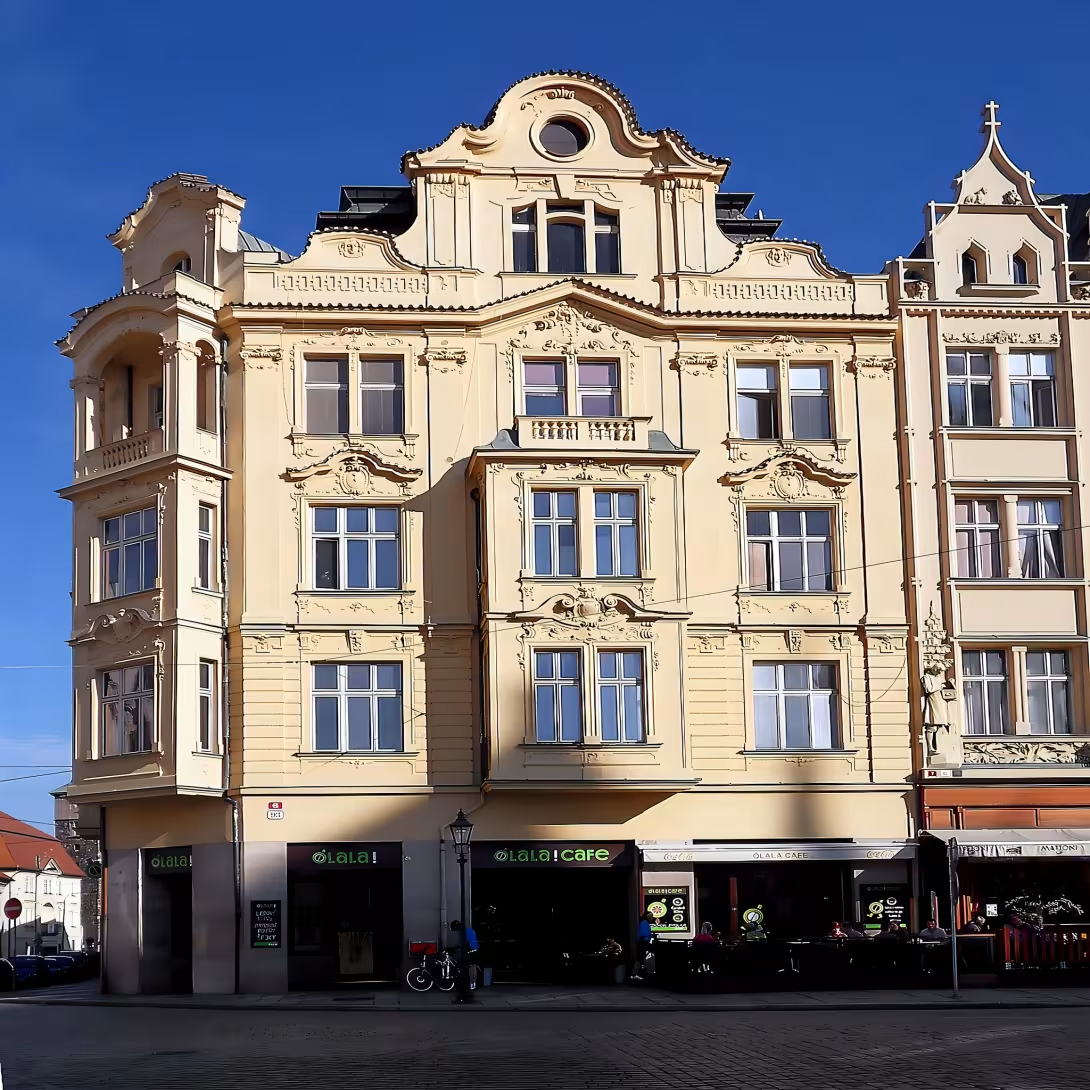
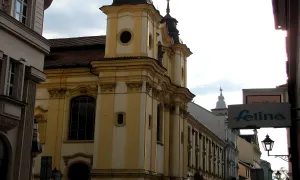
Náměstí Republiky 6 in Plzeň is a richly decorated corner house, prominently featuring the eastern front of the square. Originally built before 1693 and rebuilt after a fire, it underwent significant transformation in 1908 under architect František Kotek's guidance. Its elaborate stucco decorations, pilasters with Ionic capitals, and ornate window surrounds make it an architectural gem reflecting both historical influences and modern adaptations.
The origins of Náměstí Republiky 6 trace back to before 1693 when the original structure was destroyed by fire. The building was reconstructed, retaining six windows facing the square and two Baroque gables while preserving Renaissance features elsewhere. This blend of architectural styles highlights the site's historical evolution shaped by various cultural influences over time.
The Neo-Baroque transformation in 1908 marked a significant shift in design. Architect František Kotek introduced elaborate stucco decorations and pilasters with Ionic capitals to enhance its visual appeal. The corner archway, spanning three floors, is particularly noteworthy for its intricate detailing. These elements define the building’s aesthetic and reflect broader European architectural trends of that era.
Ownership of Náměstí Republiky 6 has changed hands multiple times throughout history. Hans Pek owned it from 1521 to 1538, followed by Pavel Lev starting in 1538. The Reginovcové family, Jan Volf, Kuncl, and the Scribonius family—who also owned another property on náměstí čp. 12 at the turn of the 16th and 17th centuries—were among subsequent owners. Mikuláš Mirobell acquired it in 1635, followed by Jan Lepert and Josef Klotz in 1799. The Scholz family was among its later owners, illustrating a diverse history of stewardship.
The building's historical context is enriched by broader events occurring in Bohemia during its early years. In the early 17th century, the region experienced political and religious upheaval, culminating in the Thirty Years' War. By the late 19th century, when František Kotek redesigned the structure, Europe was undergoing significant industrial and architectural changes. These historical shifts are mirrored in the building's evolution from its Renaissance roots to its Neo-Baroque transformation.
Today, Náměstí Republiky 6 stands as a testament to Plzeň’s rich architectural heritage. Its elaborate design and historical significance make it a must-visit for those interested in exploring the cultural history of the region. Visitors can appreciate the intricate stucco work and Neo-Baroque elements that define its character, making it an enduring symbol of the city's past.
Náměstí Republiky 6 is not just a building; it is a narrative woven into Plzeň’s history. Its architectural beauty and storied past invite visitors to explore and appreciate the layers of history that have shaped this remarkable monument.
Historical milestones
- před 1693
- The original structure was destroyed by fire.
- 1908
- A significant transformation in the neo-Baroque style under the direction of architect František Kotěk.
- 1521
- Hans Pek becomes the owner of the building.
- 1538
- Pavel Lev takes ownership from Hans Pek.
- 1635
- Mikuláš Mirobell becomes the owner of the building.
Architectural development
Initially constructed with six windows facing the square and two Baroque gables, the building retained its Renaissance features elsewhere. The current Neo-Baroque design was established by František Kotek in 1908, featuring stucco decorations, pilasters, and a distinctive corner archway spanning three floors.
Historical events
The original building was destroyed by fire before 1693 and subsequently rebuilt.
In 1908, František Kotek redesigned the house in a Neo-Baroque style.
Owners
The property has had a diverse history of ownership, including Hans Pek (1521–1538), Pavel Lev (from 1538), the Reginovcové family, Jan Volf, Kuncl, the Scribonius family, Mikuláš Mirobell (1635), Jan Lepert, Josef Klotz (1799), and the Scholz family.
Points of interest
- Before its reconstruction after the fire, Náměstí Republiky 6 was part of a larger urban complex that included several interconnected buildings and courtyards, reflecting medieval town planning typical of Plzeň.
- The Neo-Baroque transformation in 1908 not only modernized the building but also incorporated hidden features such as secret passages and compartments used during times of political unrest, particularly around the turn of the century.
- Architect František Kotek was known for embedding symbolic elements into his designs; at Náměstí Republiky 6, certain stucco motifs are believed to represent local folklore and mythological figures significant to Plzeň's cultural heritage.
- The Reginovcové family, one of the historic owners, were influential patrons of the arts in Bohemia, using their ownership as a means to support and promote Baroque artists who contributed to the rich artistic environment of the region during their tenure.
- During its history, Náměstí Republiky 6 served not only residential purposes but also housed clandestine meetings for local political figures during pivotal moments in Bohemian history, such as the lead-up to the Thirty Years' War.
Guide
This guide is narrated by a synthetic voice generated by artificial intelligence.
Show guide text
This text was created by artificial intelligence and has not been editorially reviewed. It may contain inaccuracies.
Welcome to Náměstí Republiky 6 in the heart of Plzeň's Vnitřní Město! You stand before a magnificent corner house that boasts a commanding presence on the eastern front of this historic square. As you take it all in, notice how its richly decorated facade speaks volumes about its storied past.
This building has roots reaching back to before 1693 when it was originally constructed. However, fate had other plans as a fire reduced it to ashes. From these embers rose a new vision; by 1908, the architect František Kotek masterfully transformed the structure into an exquisite example of Neo-Baroque architecture. As you gaze upon its elaborate stucco decorations and pilasters, imagine how this transformation modernized and revitalized the building, embedding it firmly in Plzeň's architectural tapestry.
The history of Náměstí Republiky 6 is woven with intriguing tales and notable figures who have called it home. In 1521, Hans Pek acquired the property, marking the beginning of a series of ownership changes that reflect the building’s importance over centuries. By 1538, Pavel Lev had taken over from Pek, continuing this lineage of distinguished owners. Fast forward to 1635, and Mikuláš Mirobell became its custodian, each owner adding their own chapter to its rich history.
Before its transformation in 1908, Náměstí Republiky 6 was part of a larger urban complex typical of medieval town planning in Plzeň. This included interconnected buildings and courtyards that together formed a vibrant community hub. The Neo-Baroque makeover not only modernized the building but also enhanced its integration into the fabric of the square, preserving its historical essence while embracing new stylistic elements.
As you stand here, take a moment to appreciate this architectural gem's journey through time—from medieval origins to its rebirth in the early 20th century. Each detail around you is a testament to resilience and artistic vision.
We invite you to continue exploring Náměstí Republiky 6, allowing yourself to be captivated by its history and beauty. Thank you for joining us on this journey through time, and we hope your visit leaves you inspired and enriched.
Tips for visitors
The best time to visit náměstí Republiky 6 is during late spring or early autumn when the weather is pleasant, allowing you to fully enjoy the architectural beauty of the area without the crowds typical of peak tourist seasons. This period also offers softer natural lighting for photography, enhancing the rich details of the building's facade.
Parking and transport options are convenient in this central location. While there may not be dedicated parking directly at náměstí Republiky 6, nearby streets or public parking facilities can accommodate vehicles. Public transportation is also accessible, with various bus and tram lines serving the area. For the most current routes and schedules, it's advisable to check a local transport app or website.
When visiting, consider bringing comfortable walking shoes as you'll likely explore more of Vnitřní Město on foot. A camera or smartphone is recommended for capturing the architectural details and vibrant atmosphere of the square. Additionally, carrying a light jacket can be wise due to variable weather conditions.
For photography enthusiasts, the eastern front of náměstí Republiky offers excellent vantage points during morning hours when the sunlight illuminates the building's features. The soft morning light accentuates textures and colors, making it ideal for capturing high-quality images.
Nearby attractions within a 30-minute walk include other historical sites and cultural landmarks in Plzeň. Exploring these can provide a broader understanding of the area's heritage and architecture. For families with children, consider planning a visit to nearby parks or interactive museums that offer engaging activities for younger visitors.
Businesses nearby
Do you run a restaurant, accommodation, shop, museum, rental, wellness or other visitor service near this monument? Show yourself directly to the people heading to it — this is how they will see you in the app and on the web:
Events nearby
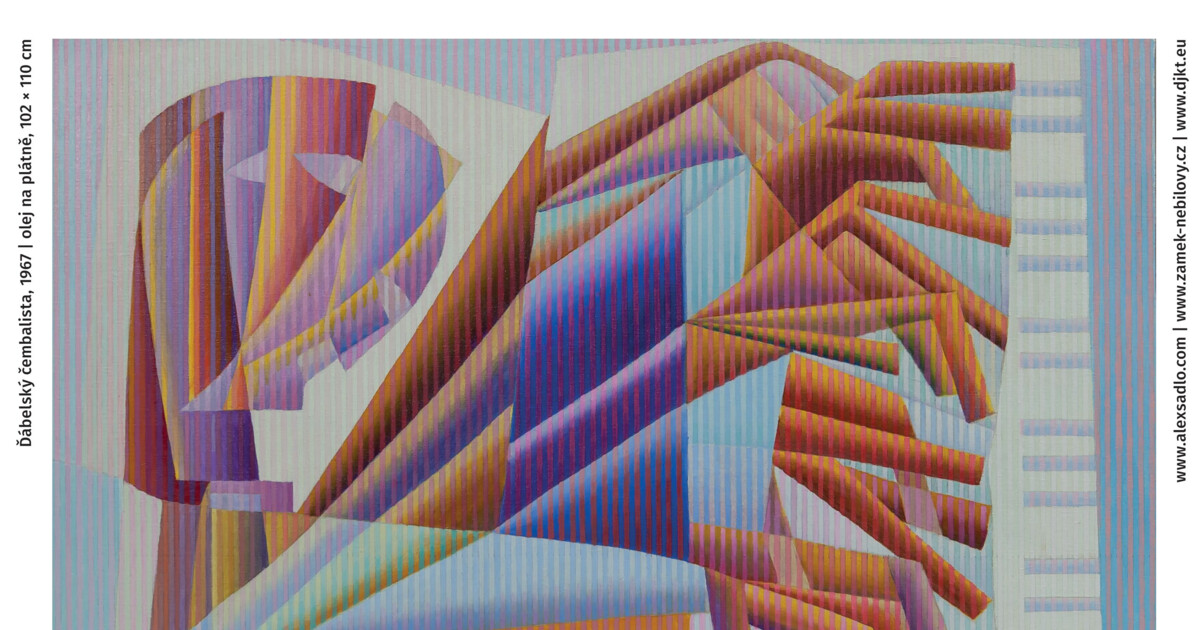
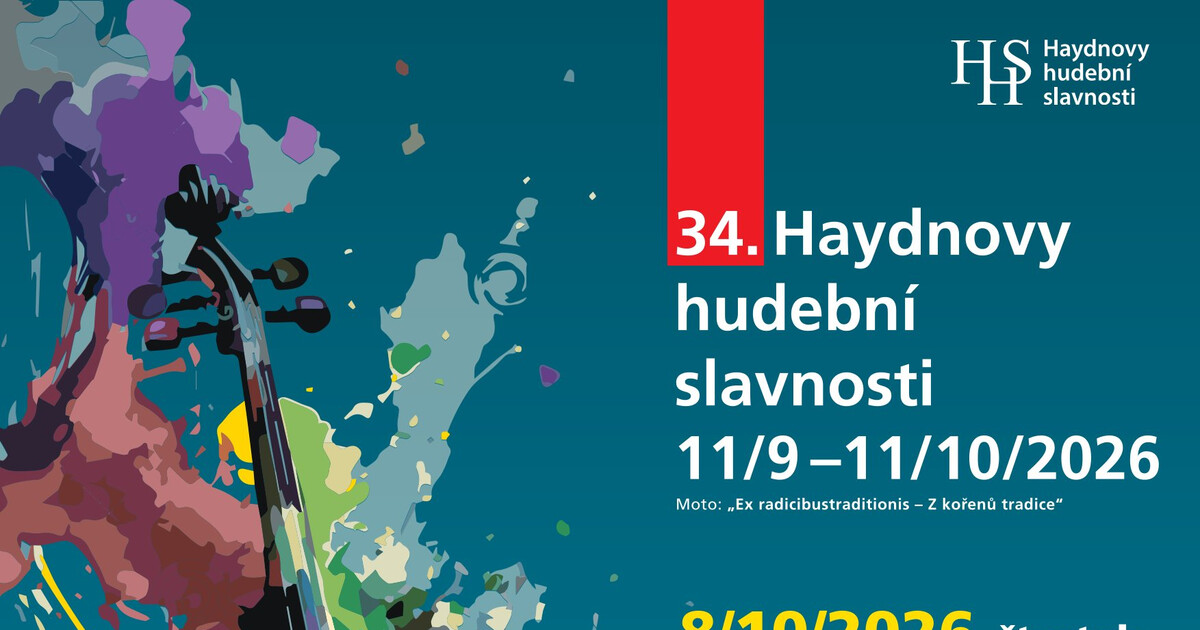

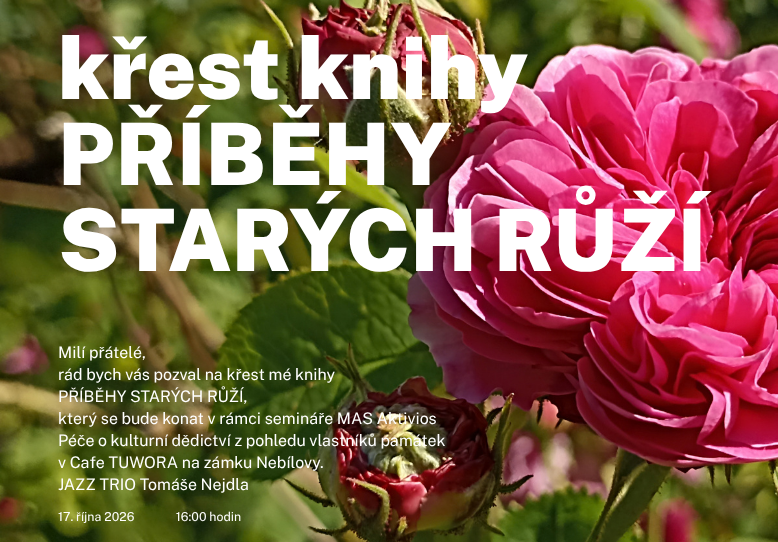

Zdroj akcí: otevřená data měst a obcí ČR (Národní katalog otevřených dat) a kalendář akcí Národního památkového ústavu.
Nearby
Situated at náměstí Republiky, this building is part of a historically significant square in Plzeň. The area features other architectural landmarks and serves as a central point for cultural activities.
Accommodation nearby
Trips and activities nearby
Guided tours, tickets and activities nearby from GetYourGuide
Affiliate link: if you buy from the partner, we may receive a commission. The price for you does not change.
Search tours and activities →Themed route
Thematic Walking Tour: Náměstí Republiky and Surroundings
1. Náměstí Republiky 6 (Nájemní Dům) - Type: Architectural Landmark - Why Visit: This building is a prime example of early 20th-century architecture, featuring Art Nouveau elements that make it a significant cultural and historical site in Plzeň. Its unique design and historical importance offer insight into the architectural evolution of the city.
2. Náměstí Republiky - Type: Historic Square - Why Visit: As one of the central squares in Plzeň, Náměstí Republiky is surrounded by a variety of historical buildings and serves as a vibrant hub for cultural activities. The square hosts numerous events throughout the year, providing visitors with an authentic taste of local life and traditions.
3. Church of St. Bartholomew - Type: Religious Landmark - Why Visit: Located near Náměstí Republiky, this church is a stunning example of Baroque architecture. Its intricate design and historical significance make it an essential stop for those interested in religious history and architectural beauty.
4. Old Town Hall - Type: Historic Building - Why Visit: Situated close to the square, the Old Town Hall showcases medieval architecture with its Gothic elements. It stands as a testament to Plzeň's rich historical past and offers visitors a glimpse into the city’s governance through centuries.
This tour provides a comprehensive exploration of Náměstí Republiky and its immediate surroundings, offering insights into Plzeň's architectural heritage and cultural vibrancy.
Seasonal recommendations
Spring: Spring at Náměstí Republiky 6 offers a refreshing atmosphere as the city blooms with new life. The vibrant colors of spring flowers, particularly tulips and daffodils, create a picturesque setting around the historic site. As daylight extends, the area is bathed in soft, warm light that accentuates the architectural beauty of the náměstí Republiky 6 building. Visitors can enjoy outdoor activities as temperatures become milder, making it an ideal time for leisurely strolls and photography. To make the most of your visit, consider arriving early to avoid larger crowds that gather later in the day, and dress in layers to accommodate fluctuating temperatures.
Summer: Summer at Náměstí Republiky 6 is characterized by long, sunny days that highlight the historic architecture with a golden glow. The lively atmosphere is enhanced by outdoor cafes and street performers, making it a popular spot for both locals and tourists. During this season, the area can become quite crowded, especially during peak tourist hours. To enjoy your visit comfortably, arrive early in the morning or later in the afternoon to avoid the midday heat and crowds. Light, breathable clothing is recommended, along with sunscreen and a hat to protect against the strong summer sun.
Autumn: Autumn at Náměstí Republiky 6 provides a magical experience as the leaves change colors, creating a warm, golden tapestry around the historic buildings. The cooler temperatures make it pleasant for walking tours and exploring the area without the discomfort of summer heat. As daylight shortens, the soft autumn light offers a unique opportunity to capture stunning photographs of the architecture against the vibrant foliage. Visitors should dress in layers to stay comfortable as temperatures can vary throughout the day. While crowds are generally smaller than in summer, it's still wise to plan your visit during off-peak hours for a more relaxed experience.
Winter: Winter at Náměstí Republiky 6 is enchanting with its festive atmosphere and holiday decorations that transform the area into a picturesque scene straight out of a storybook. The shorter days mean that visits are best enjoyed in the late morning or early afternoon when there's still ample daylight to appreciate the historic architecture. With colder temperatures, it’s essential to dress warmly in layers, including hats, gloves, and scarves. Additionally, be prepared for potentially reduced opening hours at nearby attractions during this season. Despite the chill, the unique winter charm of Vnitřní Město makes it a memorable time to visit.
Visualizations and artistic views


The visualisations are generated by artificial intelligence and serve as inspiration.
Photos from the area
Real photos taken near the monument


Zdroj a licence jsou uvedeny u každého snímku.
Tips from visitors
No tips yet. Be the first!
Log in and add your tip.
Sources and literature
Photos: Jik jik / CC BY-SA 3.0, rozlišení zvýšeno umělou inteligencí — Wikimedia Commons. The author and licence also appear when you hover over the image.
Faktickým podkladem tohoto textu byl článek na Wikipedii, jehož autory jsou přispěvatelé Wikipedie. Článek je dostupný pod licencí CC BY-SA 4.0.
Location on the map
Příběhy a pověsti
Legendy, pověsti a příběhy spjaté s touto památkou
Fotografie návštěvníků
Zatím žádné fotografie. Buďte první, kdo přidá fotografii z návštěvy!
Log in a přidejte svou fotografii nebo hodnoťte.
Za ověřenou návštěvu v aplikaci získáte víc bodů — poznáme podle GPS, že jste na místě.
Reviews and comments