






Plzeňská radnice Town hall
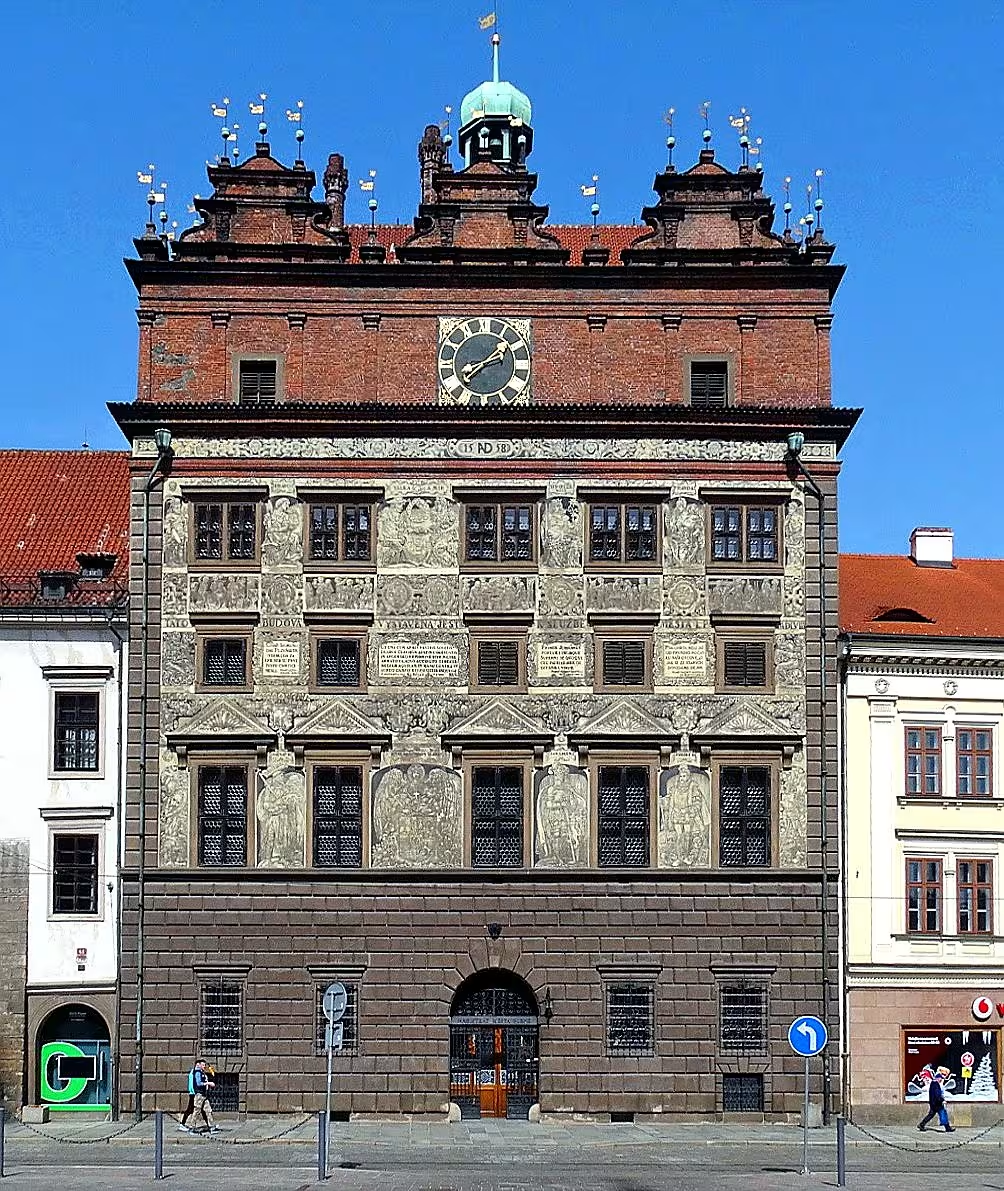
The Plzeň City Hall is a Renaissance monument situated on Republic Square in the heart of Plzen, Czech Republic. This historic building serves as the administrative center and a cultural venue for exhibitions. As a national cultural monument, it offers a glimpse into the city's rich history.
The origin of the Plzeň City Hall dates back to the mid-15th century when the original city hall was located near Chotěšovský dům. The current building underwent significant renovations from 1554 to 1559, designed by Italian architect Giovanni de Statia. This marked the first Renaissance-style structure in Plzen.
The building's architecture is characterized by its renaissance style, emphasizing symmetry and proportion. The façade features intricate sgraffito decorations added during the renovations led by architect Jan Koula from 1907 to 1912. These designs depict various scenes, including coats of arms of notable figures such as Jan Lucemburský and Václav II.
The Plzeň City Hall has played a significant role in the city's history, serving as the seat of local government for centuries. Today, it is a popular cultural venue, hosting exhibitions and events showcasing the city's rich heritage.
Visitors can explore the ground-floor hall, featuring a model of the city center and samurai armor on display. The building's historical significance and architectural beauty make it a must-see attraction for anyone interested in history, architecture, or culture.
In conclusion, the Plzeň City Hall is an iconic landmark offering a unique glimpse into Plzen's rich history and cultural heritage. Its stunning architecture, fascinating exhibits, and cultural significance make it a worthwhile visit for anyone traveling to this charming city.
Then and now
Drag the slider to compare how the landmark may have looked when it was built with the view today.
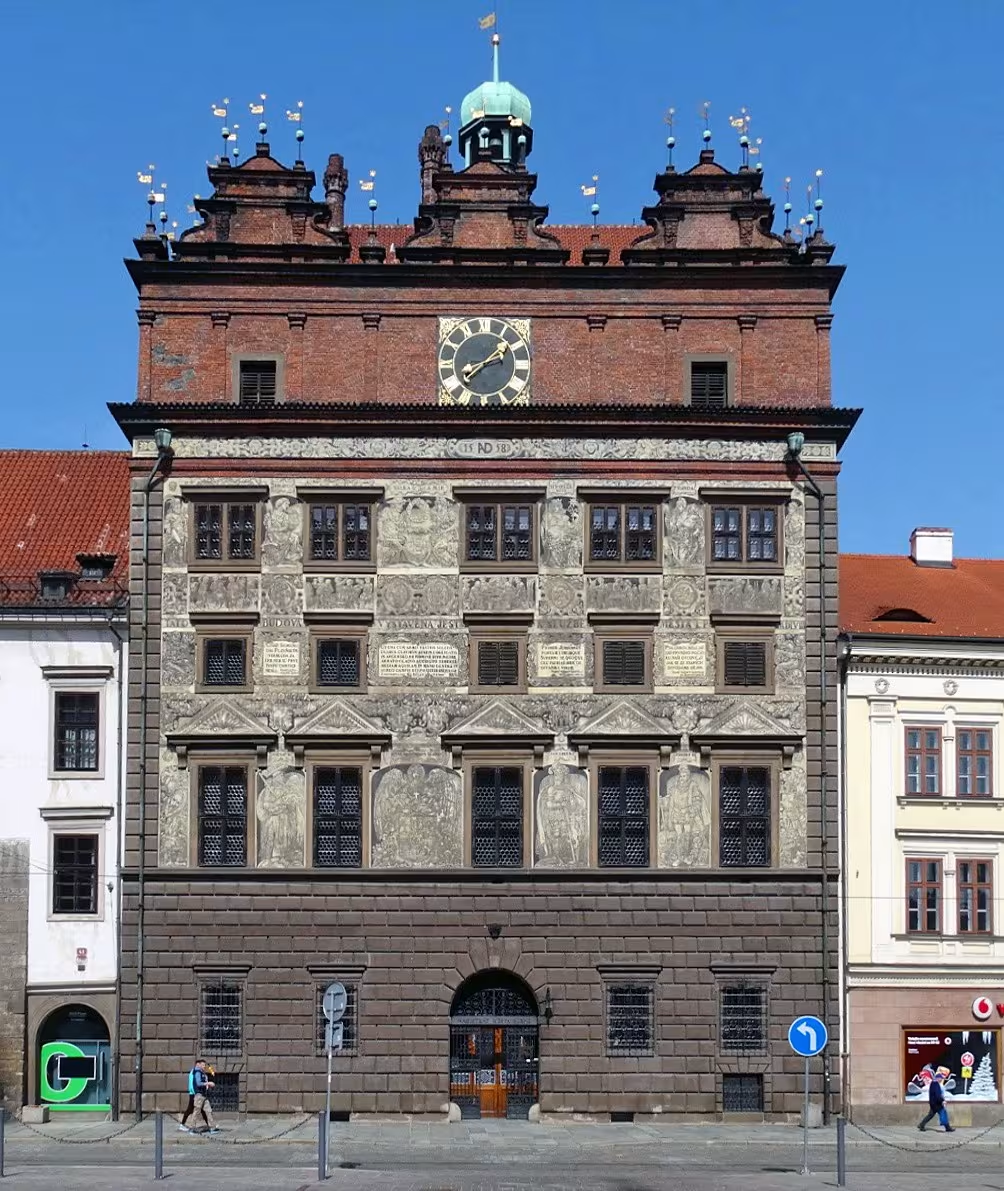
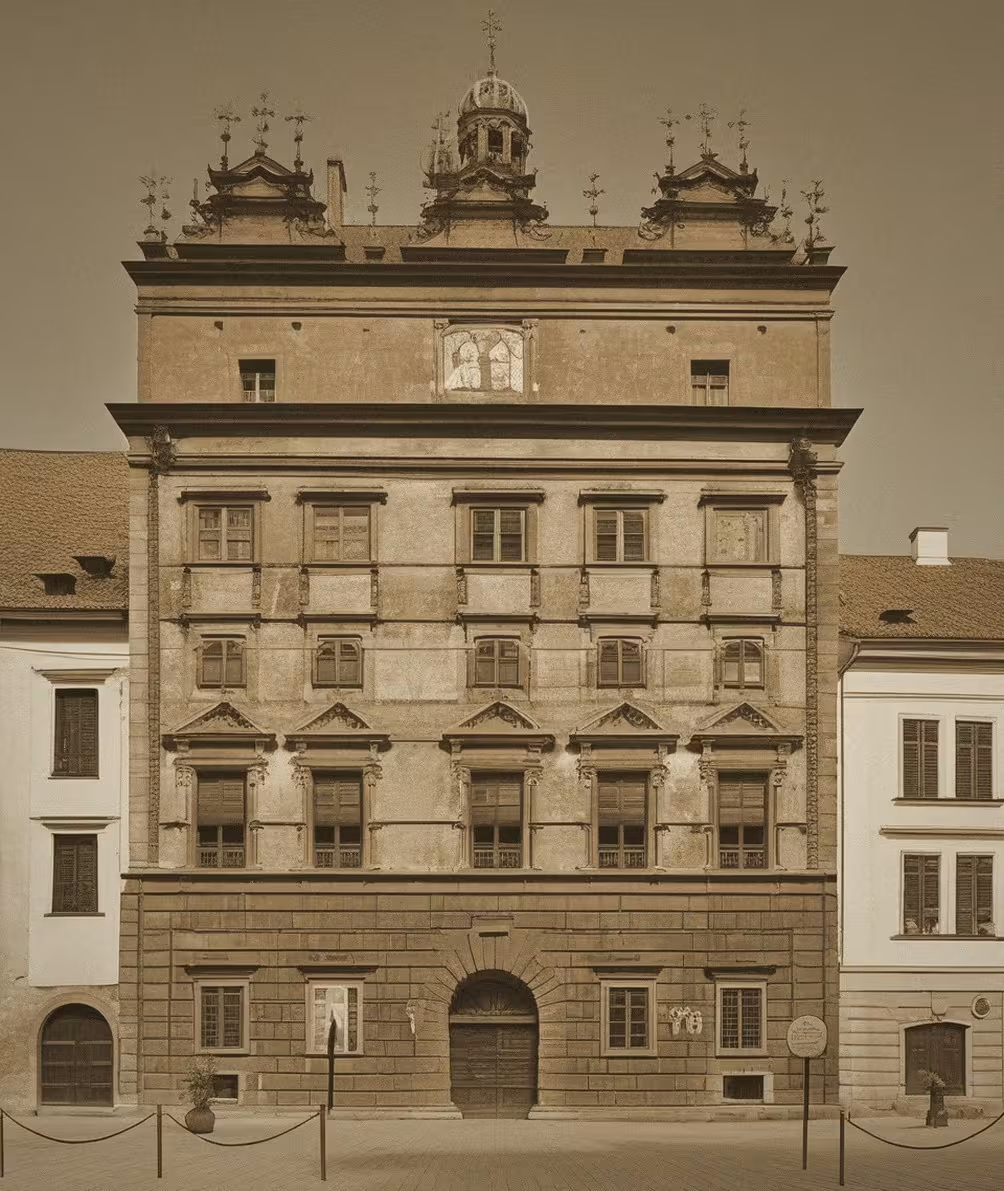
The historical appearance on the left is an AI-generated visualisation and serves as inspiration only.
Historical milestones
- 1450
- Original city hall located near Chotěšovský dům
- 1554
- Renovations of the current building begin, designed by Giovanni de Statia
- 1559
- Renovations of the current building complete
- 1907
- Architect Jan Koula leads renovations and adds sgraffito decorations
- 1912
- Sgraffito decorations completed
Architectural development
The building underwent significant renovations from 1907 to 1912, led by architect Jan Koula.
Historical events
Original city hall was located near Chotěšovský dům
Radnice was rebuilt in the mid-15th century
Guide
This guide is narrated by a synthetic voice generated by artificial intelligence.
Show guide text
This text was created by artificial intelligence and has not been editorially reviewed. It may contain inaccuracies.
Welcome to the Plzeň City Hall, a stunning Renaissance monument in the heart of Vnitřní Město, Plzeňský kraj. As you stand before this historic building, take a moment to absorb its grandeur.
The history of this magnificent structure began in 1450, when an original city hall stood near Chotěšovský dům. Unfortunately, it was destroyed in a fire, leaving the need for a new, more resilient building. And so, construction on the current Plzeň City Hall began in 1554, designed by the talented Italian architect Giovanni de Statia.
As you gaze upon this architectural masterpiece, notice the intricate details that adorn its façade. The sgraffito decorations, added during renovations led by Jan Koula in 1907 and completed in 1912, are a true marvel. Take your time to appreciate the ornate carvings, the delicate stonework, and the overall sense of grandeur that permeates this space.
As you explore this cultural hub, you may be surprised to learn that it's not just a beautiful building – it's also a testament to the resilience of the people who have called Plzeň home for centuries. The city hall has played host to countless exhibitions, events, and ceremonies throughout its storied history.
Now, let me share with you three fascinating facts about this remarkable landmark. First, did you know that the original city hall was destroyed in a fire? This led to the construction of the current building, which has stood the test of time for over 500 years. Second, Giovanni de Statia's design was influenced by Italian Renaissance architecture, giving Plzeň City Hall its unique charm. And third, the sgraffito decorations that adorn the façade are a testament to the skill and craftsmanship of the artisans who worked on this project.
As you continue your exploration of this historic gem, take a moment to appreciate the atmosphere – the way the light catches the intricate carvings, the sound of voices echoing through the halls. It's as if the very essence of Plzeň's history is alive and pulsing within these walls.
And so, I invite you to linger a little longer, to soak up the sights, sounds, and stories that make this place so special. As you depart, remember that the Plzeň City Hall is more than just a building – it's a testament to the power of human creativity, perseverance, and community.
Tips for visitors
Best Time to Visit: The Plzeň City Hall is a year-round attraction, but the best time to visit is during spring and autumn when the weather is mild and sunny. This allows you to fully appreciate the building's architecture and surroundings without the crowds that come with peak tourist season. Parking and Transport: There are several parking options available in the vicinity of the city hall, including street parking and paid parking lots. The city hall is also easily accessible by public transportation, with multiple bus stops nearby. What to Bring: Comfortable walking shoes are a must for exploring the city hall's surroundings. You may also want to bring a camera to capture the building's stunning architecture and picturesque views. Photography: The best spots for photography are around Republic Square, where you can capture the city hall's façade and surrounding buildings. The golden hour just before sunset is ideal for capturing warm and cozy shots. What to See Nearby (30 minutes away): Consider visiting the nearby Škoda Museum or the West Bohemian Museum to learn more about the region's history and culture. Tips for Families with Children: The city hall offers guided tours that are suitable for families with children. You can also explore the surrounding area, which has plenty of green spaces and playgrounds for kids to enjoy.
Businesses nearby
Do you run a restaurant, accommodation, shop, museum, rental, wellness or other visitor service near this monument? Show yourself directly to the people heading to it — this is how they will see you in the app and on the web:
Events nearby
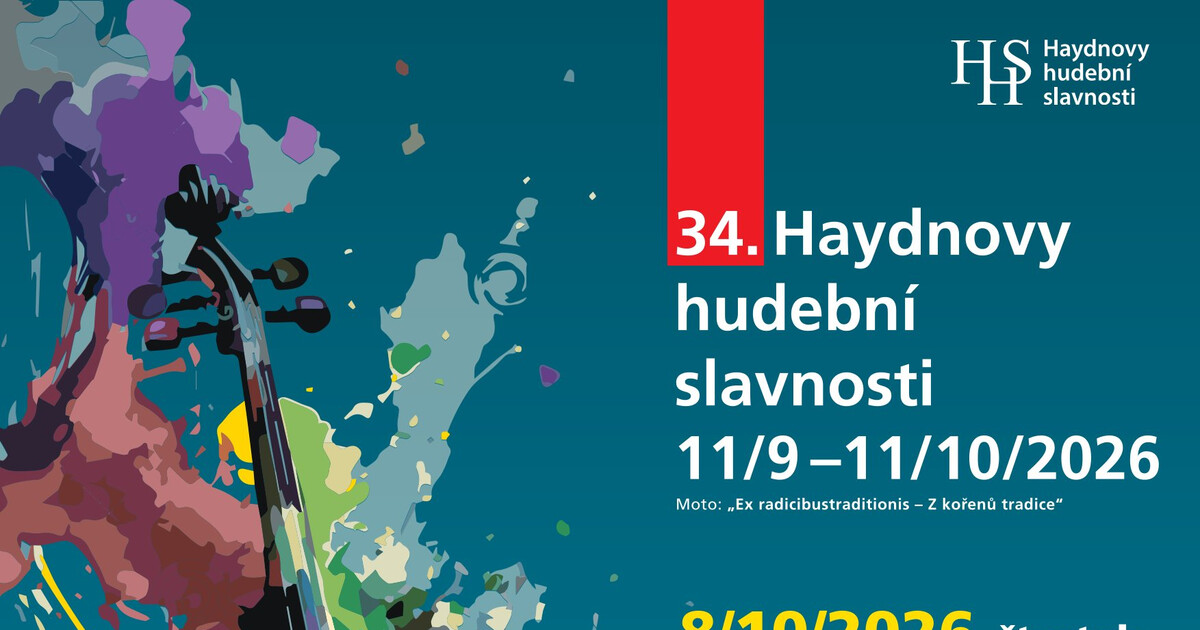

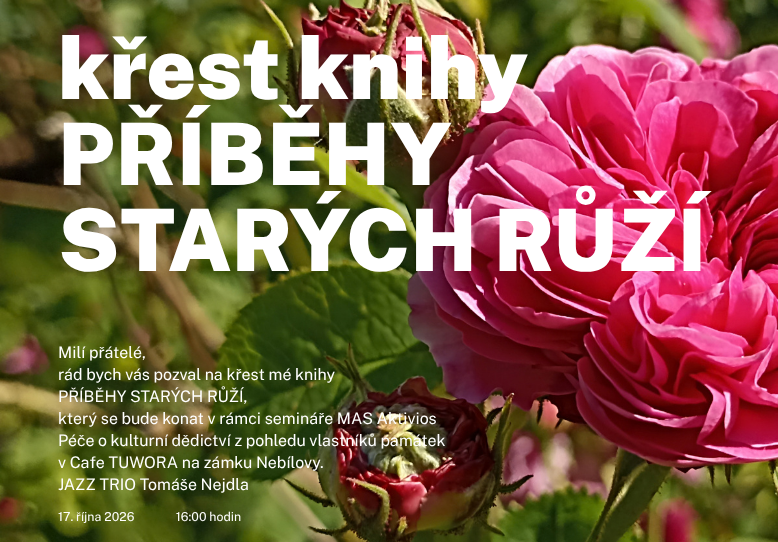

Zdroj akcí: otevřená data měst a obcí ČR (Národní katalog otevřených dat) a kalendář akcí Národního památkového ústavu.
Accommodation nearby
Trips and activities nearby
Guided tours, tickets and activities nearby from GetYourGuide
Affiliate link: if you buy from the partner, we may receive a commission. The price for you does not change.
Search tours and activities →Themed route
Tematical Tour Route: City Hall and Surroundings in Pilsen
1. City Hall (City Hall) * Type: Municipal Monument * Why it's worth a visit: This Renaissance building is the dominant feature of Pilsen's historic center and represents significant cultural and historical heritage of the city. 2. Bělohorské Square (Bělohorské Square) * Type: Town Square * Why it's worth a visit: The square is intersected by historic streets and houses, offering beautiful views of the city hall and surrounding buildings. 3. St. Nicholas Church (St. Nicholas Church) * Type: Church * Why it's worth a visit: This Gothic church is a significant monument in Pilsen's historic center and represents a beautiful architectural solution.
The route runs through the historic center of Pilsen, starting at City Hall and ending on Bělohorské Square. The total length of the route is approximately 1 kilometer.
Seasonal recommendations
Spring
As you visit the Plzeňská radnice during spring, you'll be greeted by the vibrant greenery of the surrounding cityscape. The mild weather and gentle sunshine create a pleasant atmosphere, perfect for a leisurely stroll around the historic building. Be prepared for moderate crowds, especially on weekends, so plan your visit accordingly. Wear comfortable shoes and clothing suitable for the season's unpredictable weather.
Summer
During the summer months, the Plzeňská radnice is surrounded by lush greenery and blooming flowers, creating a picturesque atmosphere. The warm weather brings out the locals and tourists alike, making it a popular time to visit. Be prepared for larger crowds and plan your visit early in the morning or later in the afternoon to avoid the peak hours. Wear light, breathable clothing and comfortable shoes suitable for walking.
Autumn
As autumn arrives, the Plzeňská radnice is bathed in a warm, golden light, creating a cozy atmosphere. The changing foliage surrounding the building adds to its charm. While the weather can be unpredictable, it's generally mild, making it an ideal time to visit. Be prepared for smaller crowds than during the summer months, but still plan your visit ahead of time to ensure a smooth experience. Wear layers and comfortable shoes suitable for walking.
Winter
During the winter season, the Plzeňská radnice takes on a magical quality, with the historic building's architecture standing out against the snowy backdrop. The cold weather means shorter opening hours, so be sure to check the schedule before your visit. Dress warmly and wear sturdy boots suitable for navigating potentially icy sidewalks. Plan your visit early in the day or later in the afternoon to avoid the peak tourist hours.
Visualizations and artistic views


The visualisations are generated by artificial intelligence and serve as inspiration.
Photos from the area
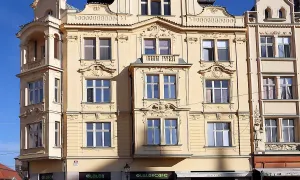
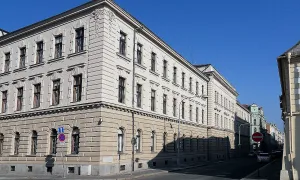
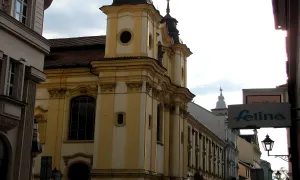
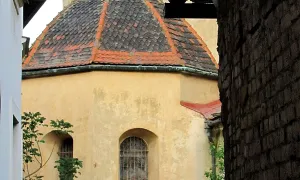
Real photos taken near the monument


Zdroj a licence jsou uvedeny u každého snímku.
Tips from visitors
No tips yet. Be the first!
Log in and add your tip.
Sources and literature
Photos: Matthias Süß / CC BY-SA 4.0 — Wikimedia Commons. The author and licence also appear when you hover over the image.
Location on the map
Fotografie návštěvníků
Zatím žádné fotografie. Buďte první, kdo přidá fotografii z návštěvy!
Log in a přidejte svou fotografii nebo hodnoťte.
Za ověřenou návštěvu v aplikaci získáte víc bodů — poznáme podle GPS, že jste na místě.
Reviews and comments