






evangelický kostel ve Střekově Church
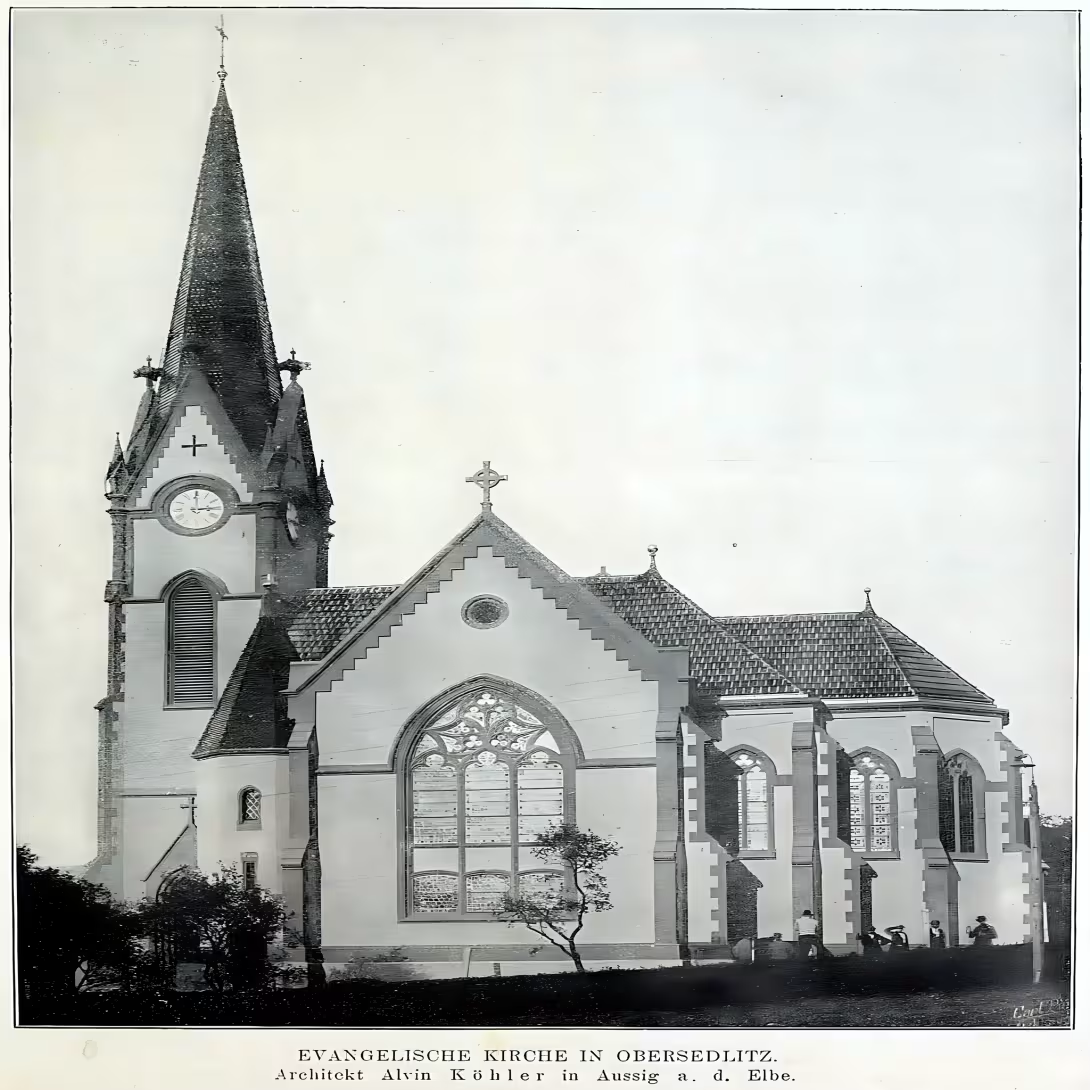
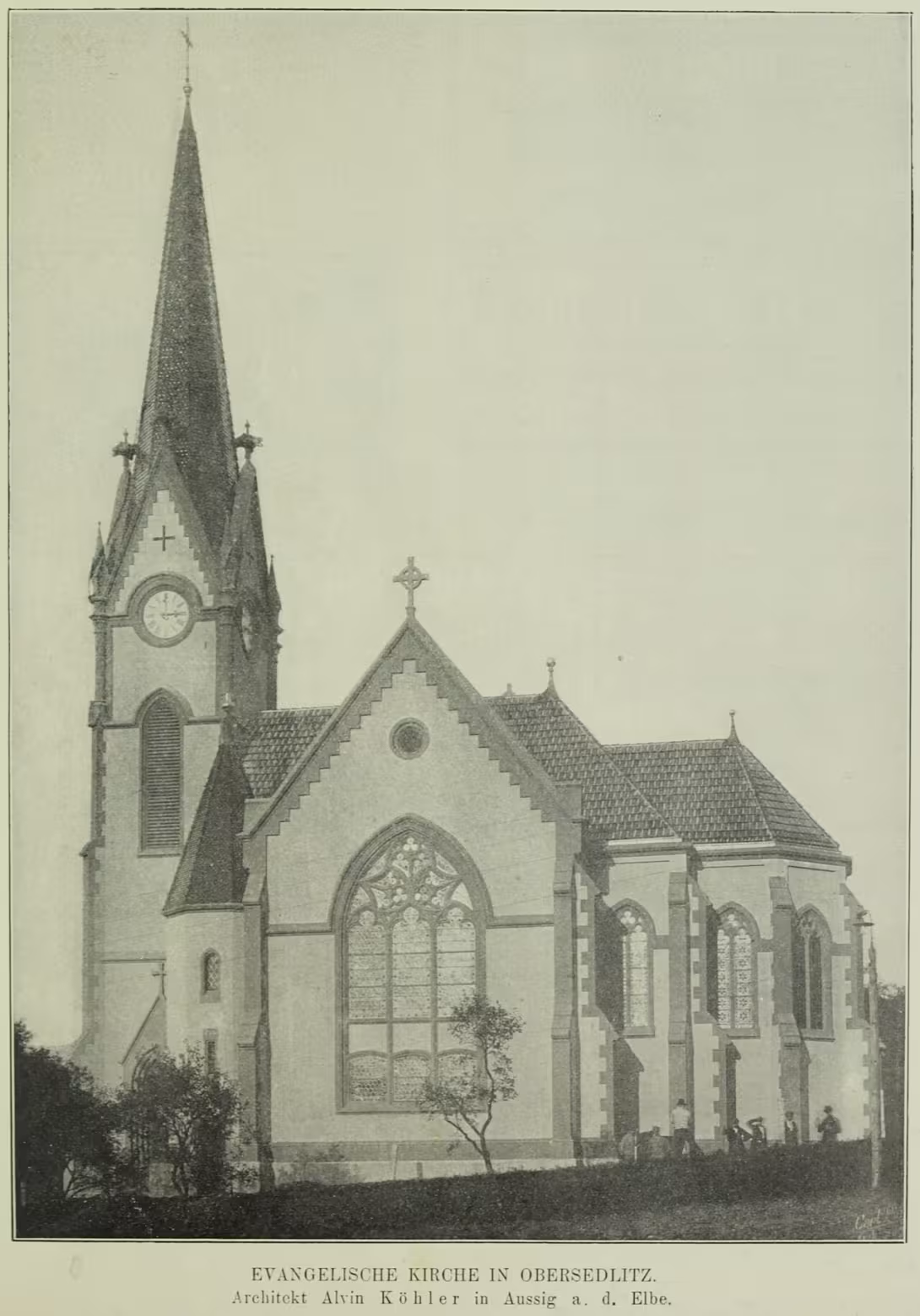
Objekt se nedochoval — na místě dnes nestojí. Následující text popisuje jeho historii, ne současnou návštěvu.
The Evangelical Church in Střekov, known as Christuskirche, stands as a testament to early 20th-century religious architecture and cultural shifts in northern Bohemia. Located at what is now the intersection of Žukovova and Truhlářova streets in Ústí nad Labem, this secessionist-style hall church was constructed in 1900 for the German Lutheran community. Its significance lies not only in its architectural design but also in its historical context as part of a broader movement to establish Protestant churches during a period marked by religious and nationalistic fervor.
The church's origins are deeply rooted in the 'Los von Rom' movement, which emerged at the end of the 19th century. This initiative aimed to strengthen Protestantism at the expense of Roman Catholic dominance, reflecting wider European trends towards secularization and nationalism. The foundation stone for Christuskirche was laid on Reformation Day, October 31, 1899, symbolizing its connection to Protestant heritage. Designed by Alwin Köhler, a local architect from Ústí nad Labem, the church was consecrated just over a year later, on October 20, 1900. Its construction utilized concrete with stone aggregate, showcasing innovative building techniques of the time.
Architecturally, Christuskirche is notable for its late neo-Gothic style infused with secessionist elements. The hall church featured a polygonal chancel and a steep spire, embodying both traditional Gothic influences and modern design sensibilities. Galleries accessible via tower staircases added to its functional and aesthetic appeal, making it a prominent landmark in the community.
Initially serving the local German Lutheran congregation, the church's fortunes changed dramatically after World War II. The expulsion of its German inhabitants led to its gradual decline. By 1966, due to its deteriorating condition, the decision was made to demolish the structure using controlled explosives on July 2nd. This marked a significant cultural shift in the region, as the site later became home to an extension for Dr. Vrbenského's baths.
Today, while the physical presence of Christuskirche no longer exists, its historical significance endures. The story of this church reflects broader themes of religious transformation and demographic change in early 20th-century Bohemia. Visitors interested in exploring these layers of history can appreciate the site as a poignant reminder of the past, even if only through its legacy rather than its physical form.
The Evangelical Church in Střekov invites reflection on the complex interplay between architecture, religion, and cultural identity. Its story is a compelling chapter in the broader narrative of Bohemia's historical landscape, offering insights into the region's evolving religious and national dynamics.
Then and now
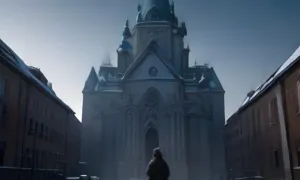
Drag the slider to compare how the landmark may have looked when it was built with the view today.
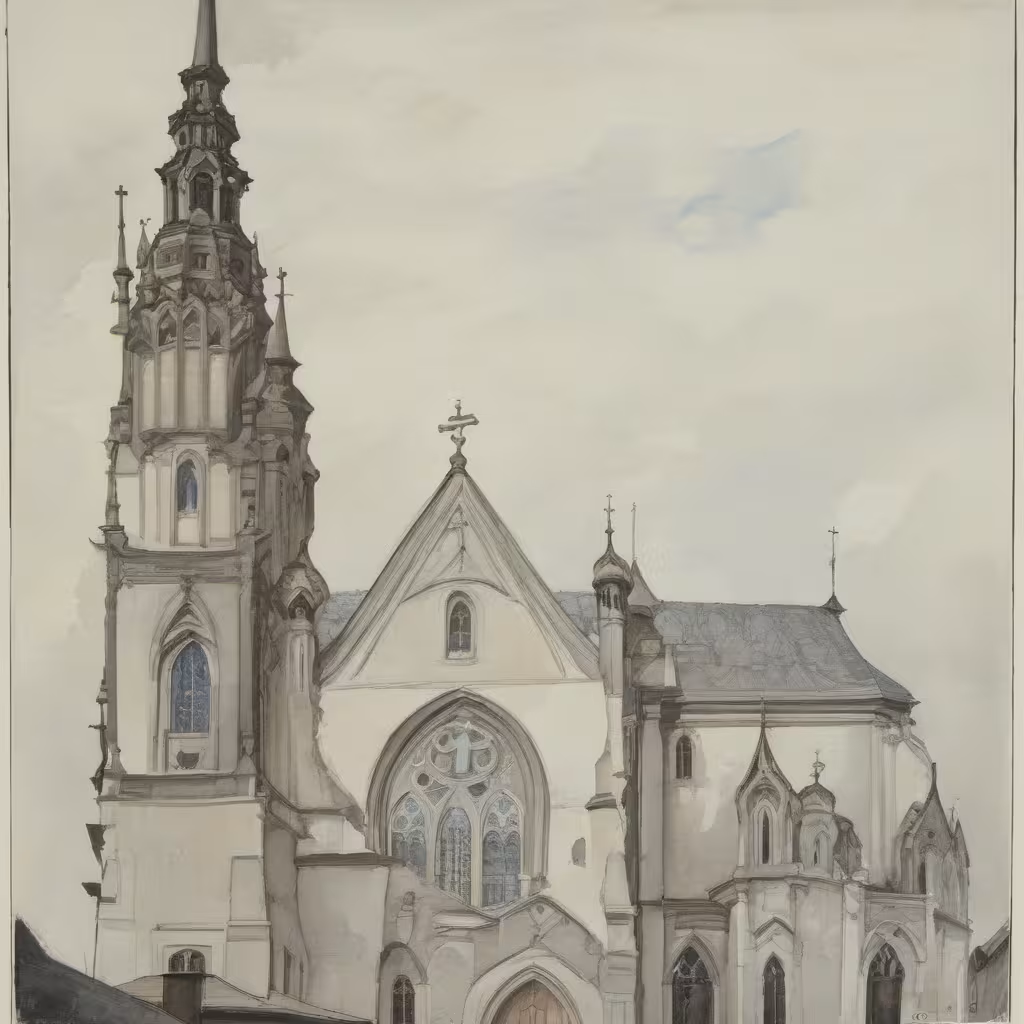
The historical appearance on the left is an AI-generated visualisation and serves as inspiration only.
Historical milestones
- 1899
- Foundation stone laid on Reformation Day.
- 1900
- Consecration of the church.
- 1966
- Demolition by controlled explosion.
Architectural development
Designed by Alwin Köhler in a late neo-Gothic style with secessionist elements, the church featured a hall layout and was constructed using concrete with stone aggregate. The building included galleries accessible via tower staircases.
Historical events
Foundation stone laid on Reformation Day, October 31, 1899.
Consecration of the church on October 20, 1900.
Demolition by controlled explosion on July 2, 1966.
Owners
Initially served the local German Lutheran community until their expulsion post-1945; subsequently fell into state ownership before demolition.
Points of interest
- The foundation stone of Christuskirche was laid on Reformation Day, October 31, 1899, symbolically linking it to the Protestant heritage and emphasizing its role in the 'Los von Rom' movement aimed at reducing Roman Catholic influence.
- Despite its architectural significance, Christuskirche's demolition on July 2, 1966, using controlled explosives marked a poignant moment of cultural loss, as the site transitioned from a religious landmark to an extension for Dr. Vrbenského's baths.
- The church was designed by Alwin Köhler, a local architect from Ústí nad Labem, who incorporated innovative building techniques by using concrete with stone aggregate, reflecting early 20th-century advancements in construction.
- Initially serving the German Lutheran community, Christuskirche became a symbol of demographic and religious shifts post-World War II when its congregation was expelled, leading to its eventual decline and demolition.
- Architecturally, Christuskirche blended late neo-Gothic style with secessionist elements, featuring a polygonal chancel and steep spire that made it not only a place of worship but also a prominent community landmark.
Guide
This guide is narrated by a synthetic voice generated by artificial intelligence.
Show guide text
This text was created by artificial intelligence and has not been editorially reviewed. It may contain inaccuracies.
Welcome to the site of what once stood as a testament to architectural innovation and cultural identity—the Evangelical Church in Střekov, known locally as Christuskirche. As you stand here today, imagine the grandeur that this secessionist monument brought to this corner of Ústí nad Labem in the early 20th century. Though no longer standing, its history echoes through these grounds.
The story of Christuskirche begins with a pivotal moment on Reformation Day, October 31, 1899. The foundation stone was laid, marking not just the birth of a building but an emblematic gesture towards Protestant heritage and identity. This church was conceived as part of the 'Los von Rom' movement—a deliberate effort to fortify Protestantism against Roman Catholic dominance in this region.
Designed by architect Alwin Köhler, Christuskirche emerged from its blueprint into reality over the course of a year, with its consecration taking place on January 7, 1900. The church's architecture was an embodiment of the movement it represented—modern yet steeped in cultural significance, serving as both spiritual haven and statement for the German Lutheran community.
As you look around this space where Christuskirche once stood, imagine a hall church with its unique design elements that would have captivated visitors at the turn of the century. Picture the lines and forms that spoke to a new era while respecting traditional roots—a physical manifestation of cultural dialogue and transition.
The history here is not just about bricks and mortar; it's about people and beliefs. The Christuskirche was a beacon for those who sought spiritual solace away from the prevailing Catholic influence, representing a community striving to define its identity in a rapidly changing world.
One intriguing aspect of this site is how the church became an inadvertent symbol of cultural and religious shifts at the turn of the 20th century. Its foundation on Reformation Day was no mere coincidence but a deliberate choice that linked it forever to a pivotal moment in Protestant history, underscoring its role in the 'Los von Rom' movement.
In 1966, Christuskirche met an abrupt end with a controlled explosion, leaving behind only memories and stories. Yet, even in absence, it invites us to reflect on the impermanence of structures but not of their impact or significance.
As you conclude your visit here, consider exploring more of Střekov's rich history and cultural tapestry. This site is a poignant reminder of how places can encapsulate so much more than just physical presence—they embody stories, struggles, and aspirations that continue to resonate through time.
Thank you for joining us on this journey into the past. May your exploration inspire curiosity and appreciation for the layers of history that shape our world today.
Businesses nearby
Do you run a restaurant, accommodation, shop, museum, rental, wellness or other visitor service near this monument? Show yourself directly to the people heading to it — this is how they will see you in the app and on the web:
Events nearby
Zdroj akcí: otevřená data měst a obcí ČR (Národní katalog otevřených dat) a kalendář akcí Národního památkového ústavu.
Nearby
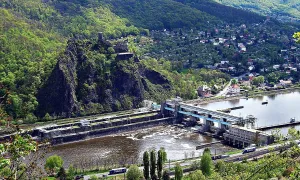
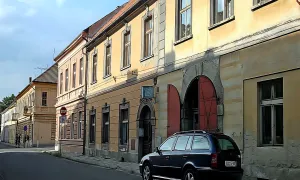
Located at the intersection of what are now Žukovova and Truhlářova streets, the site later hosted an extension for Dr. Vrbenského's baths.
Visualizations and artistic views


The visualisations are generated by artificial intelligence and serve as inspiration.
Photos from the area
Real photos taken near the monument


Zdroj a licence jsou uvedeny u každého snímku.
Tips from visitors
No tips yet. Be the first!
Log in and add your tip.
Sources and literature
Photos: architect Alwin Köhler / photographer unknown / Public domain, rozlišení zvýšeno umělou inteligencí — Wikimedia Commons. The author and licence also appear when you hover over the image.
Faktickým podkladem tohoto textu byl článek na Wikipedii, jehož autory jsou přispěvatelé Wikipedie. Článek je dostupný pod licencí CC BY-SA 4.0.
Location on the map
Příběhy a pověsti
Legendy, pověsti a příběhy spjaté s touto památkou
Fotografie návštěvníků
Zatím žádné fotografie. Buďte první, kdo přidá fotografii z návštěvy!
Log in a přidejte svou fotografii nebo hodnoťte.
Za ověřenou návštěvu v aplikaci získáte víc bodů — poznáme podle GPS, že jste na místě.
Reviews and comments