






Falkenberk Ruin
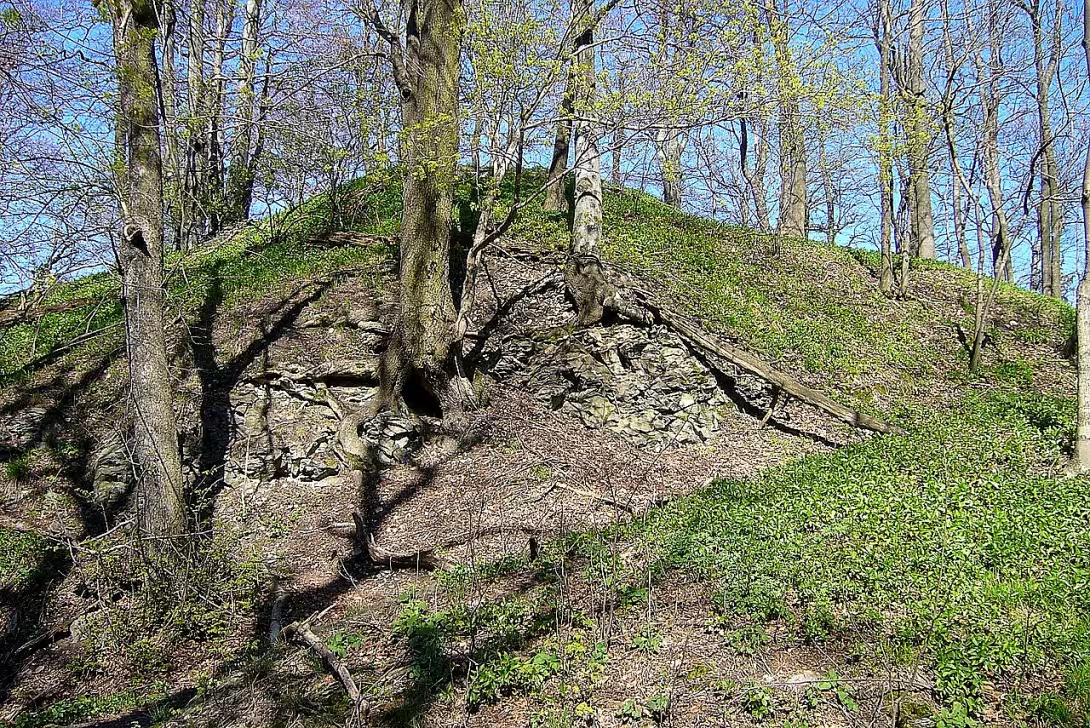
Falkenberk, also known as Starý Falkenburk, is a medieval castle ruin located on Sokol peak in the Lusatian Mountains, Czech Republic. Situated in Heřmanice v Podještědí within Jablonné v Podještědí municipality of Liberec District, it dates back to the early 15th century. Its historical significance is highlighted by its role during the Hussite Wars and its current status as a protected cultural monument.
The origins of Falkenberk are somewhat mysterious, likely established at the beginning of the 15th century. Historical sources suggest that the Berkové z Dubé family, who owned nearby lands like Heřmanice, Kněžice, and Petrovice, may have founded it. Alternatively, the Vartenberkové could also be considered potential founders around this time. The castle first appears in records in 1415 when associated with Albert z Donína.
Architecturally, Falkenberk was a single-winged structure with an oval ground plan. It featured typical defensive elements such as a moat and rampart. Despite these defenses, the castle suffered damage during the Hussite Wars, including partial burning in 1431, possibly by Lusatian troops.
Ownership changed hands several times throughout its history. After Albert z Donína's death in 1419, his son Jindřich inherited it. During the Hussite Wars, Jindřich sided with the Catholic faction, leading to conflicts involving local forces. Following Jindřich’s death, Bernart z Donína became associated with the castle amidst inheritance disputes. Later, Jan Kolúch z Vesce took control and used it as a military base before it was burned again in 1431. Subsequently, Mikuláš Sokol z Lamberka inherited the property, eventually passing it to his daughters.
Key events include its strategic avoidance by Hussite forces led by Boček z Poděbrad in 1424 and its burning in 1431. Despite these adversities, the castle's legacy persisted into the mid-15th century when King Ladislav Pohrobek confirmed Venč z Donína’s rights to the ruined site.
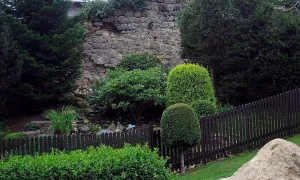
Today, Falkenberk stands as a testament to medieval fortification architecture, with remnants of its walls and defensive structures still visible. The site is accessible to visitors interested in exploring its historical significance and enjoying the natural beauty of the Lusatian Mountains. Its status as a cultural monument ensures preservation efforts continue, making it an intriguing destination for those keen on history and heritage.
Falkenberk offers a unique glimpse into the past, inviting exploration and reflection on the region's turbulent history during the Hussite Wars. Visitors are encouraged to experience this remarkable site, where echoes of medieval life resonate amidst the serene landscape of the Lusatian Mountains.
Then and now
Drag the slider to compare how the landmark may have looked when it was built with the view today.
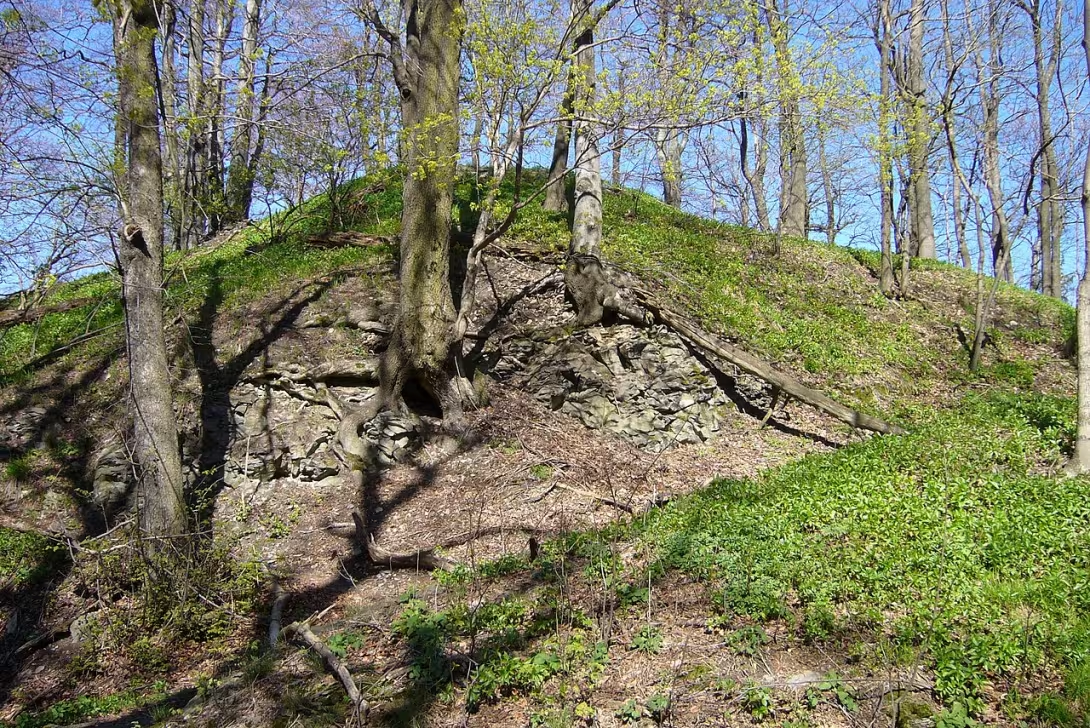
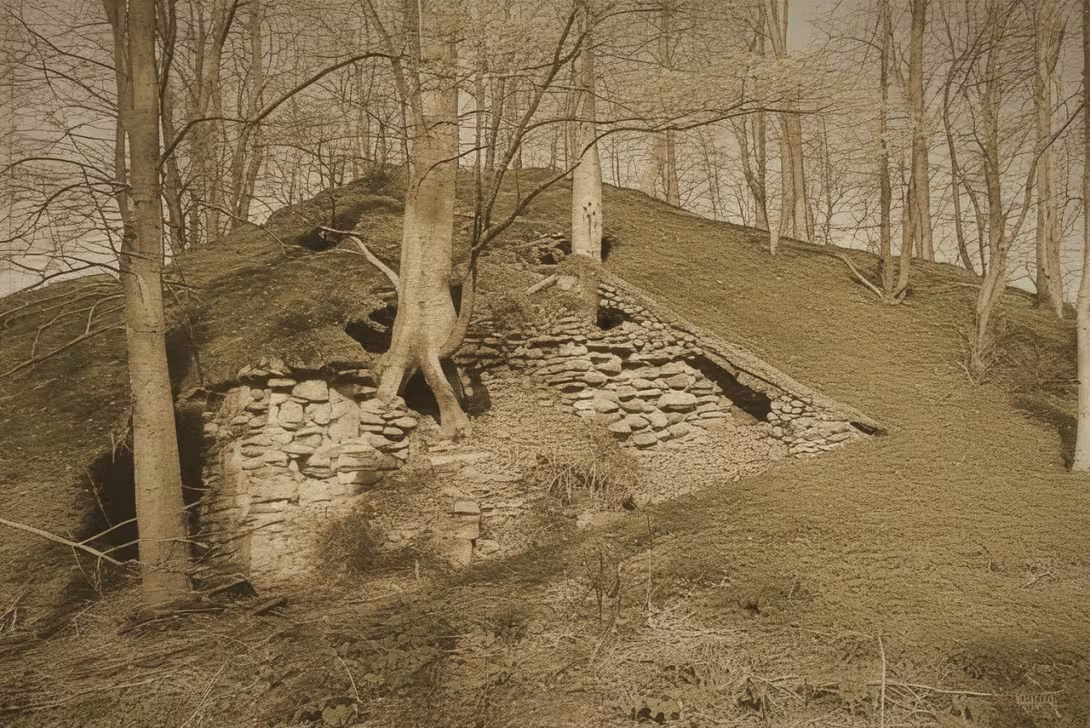
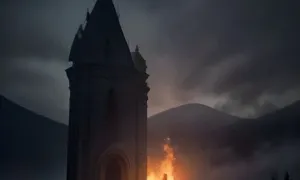
The historical appearance on the left is an AI-generated visualisation and serves as inspiration only.
Historical milestones
- 1415
- First documented mention of Falkenburk.
- 1424
- Hussite forces avoided Falkenburk during their campaign.
- 1431
- The castle was burned down.
Architectural development
Falkenberk was a single-winged castle with an oval ground plan. It featured defensive structures such as a moat and rampart. After being damaged in the Hussite Wars, it underwent repairs but eventually fell into ruin.
Historical events
1415: First documented mention of the castle in Albert z Donína's title.
1424: Hussite forces led by Boček z Poděbrad plundered nearby areas but avoided Falkenburk.
1431: The castle was burned, possibly by Lusatian troops.
Owners
Berkové z Dubé (early 15th century)
Albert z Donína (1415-1419)
Jindřich z Donína (1419-1424)
Bernart z Donína (post-1424)
Jan Kolúch z Vesce (mid-1430s)
Mikuláš Sokol z Lamberka (after Jan Kolúch)
Points of interest
- Despite its partial destruction during the Hussite Wars, Falkenberk was strategically avoided by Hussite leader Boček z Poděbrad in 1424, indicating its perceived strength or tactical insignificance at that time.
- The castle's ownership saw a succession of inheritances and disputes, notably involving Bernart z Donína after Jindřich’s death. This reflects the turbulent nature of noble inheritance during medieval times.
- Falkenberk was confirmed as a possession by King Ladislav Pohrobek in 1454, showcasing its continued importance even as a ruined site, and highlighting royal involvement in local disputes over land rights.
- The castle's architectural design included an oval ground plan with defensive features like moats and ramparts. This reflects the typical medieval approach to fortification against both human threats and natural elements.
- Despite being burned twice during the Hussite Wars, Falkenberk’s remnants still stand today as a cultural monument, illustrating its resilience and enduring historical significance in the region.
Guide
This guide is narrated by a synthetic voice generated by artificial intelligence.
Show guide text
This text was created by artificial intelligence and has not been editorially reviewed. It may contain inaccuracies.
Welcome! You are standing before the ruins of Falkenberk, also known as Starý Falkenburk, located at the top of Sokol in the Lusatian Mountains. Falkenberk is a medieval castle ruin that sprawls across the summit of a hill and offers stunning views of the surrounding area. It is a place with rich history and significant involvement in Czech history.
Let's journey back into the past to discover how Falkenberk became such an important site. The first written mention of Falkenburk dates back to 1415. At that time, it was an important fortification playing a key role during the Hussite Wars. In 1424, the Hussite forces decided to avoid Falkenburk, suggesting that the castle was considered either a strong fortress or strategically unsuitable.
Notice the remnants of walls and the oval layout of the fortifications here, surrounded by a moat and rampart. Despite destruction and partial burning during conflicts, Falkenburk has been preserved due to its solid construction and strategic location.
Take a moment to reflect on the historical figures associated with this place. Falkenburk was in the hands of various families, including the Berků z Dubé, Vartenberků, Albert z Donína, Jindřich z Donína, Bernart z Donína, Jan Kolúch z Vesce, Mikuláš Sokol z Lamberka, Děpolt z Rýzmburka, and Vencl z Donína. Each of them influenced the history of this site in their own way.
Now let's consider what makes Falkenburk so exceptional. It is worth noting that despite partial destruction during the Hussite Wars, Falkenburk was strategically avoided by the Hussite leader Boček z Poděbrad in 1424. This suggests that the castle was considered either a strong fortress or strategically unsuitable.
Enjoy exploring more of the history and atmosphere that Falkenberk offers. Falkenberk is just one of many historical monuments waiting for you in our beautiful Czech lands.
Frequently asked questions
Can the monument be visited?
This is a ruin. Such sites are often freely accessible, but some can only be visited with a guide or are closed for safety reasons. We have not verified the current situation – take care and respect any restrictions.
Where is the monument?
Location: Jablonné v Podještědí, Liberecký kraj. The map on this page shows the exact spot.
Why is the monument protected?
It is listed in the Central List of Cultural Monuments of the Czech Republic as a cultural monument (register no. 30799/5-3209).
Businesses nearby
Do you run a restaurant, accommodation, shop, museum, rental, wellness or other visitor service near this monument? Show yourself directly to the people heading to it — this is how they will see you in the app and on the web:
Events nearby
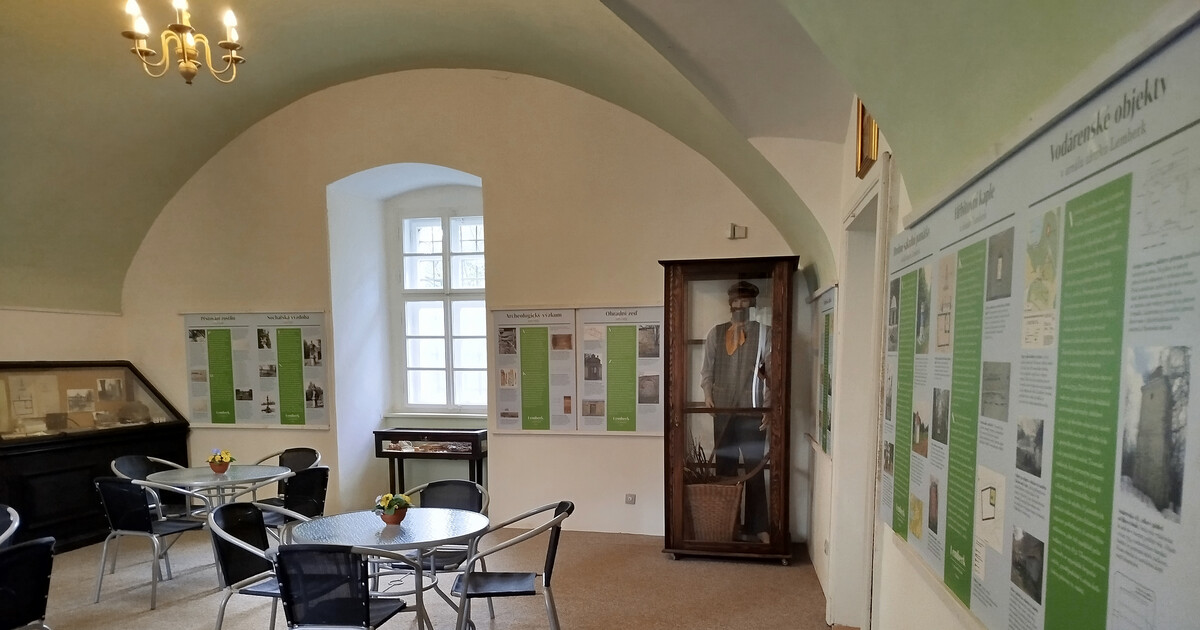


Zdroj akcí: otevřená data měst a obcí ČR (Národní katalog otevřených dat) a kalendář akcí Národního památkového ústavu.
Nearby
Located in the Lusatian Mountains near Jablonec nad Nisou, the area features natural beauty with other historical sites such as Nový Falkenburk castle nearby.
Accommodation nearby
Trips and activities nearby
Guided tours, tickets and activities nearby from GetYourGuide
Affiliate link: if you buy from the partner, we may receive a commission. The price for you does not change.
Search tours and activities →Themed route
Trasa: Falkenberk and Surroundings
1. Falkenberk (main destination) - The ruins of Falkenberk Castle are worth visiting due to their unique location and history. It is situated in the beautiful setting of the Lusatian Mountains, offering views of the surrounding landscape. 2. Nový Falkenburk (historic castle) - Located near the ruins of Falkenberk, it offers further insight into the region's history. Its architecture and location make it an interesting destination for lovers of history and architecture. 3. Jablonné v Podještědí (village) - This village is located near the ruins of Falkenberk and offers the opportunity to explore its local historic center with wooden houses and historical buildings.
Seasonal recommendations
Jaro
Spring is the ideal time to visit Falkenberk because nature around the monument begins to bloom and the air is filled with the scent of fresh greenery. The atmosphere is calm and peaceful, except on days when large school groups are present. It's best to visit Falkenberk on a Tuesday or Wednesday to avoid crowds of tourists. Choose lighter and comfortable clothing, as the weather is often sunny and warm.
Summer
The main summer season is full of tourists and visitors eager to see Falkenberk. It's best to arrive early in the morning to avoid large crowds and have time to explore the monument without unnecessary hustle. We recommend bringing an umbrella and comfortable shoes, as the path to the site can often be muddy and wet. It's also a good idea to bring water and snacks, as nearby restaurants and shops are often crowded.
Autumn
Autumn is a beautiful season for visiting Falkenberk because nature is full of colors and the atmosphere is calm. It's an ideal time for a walk around the monument and observing nature. We recommend bringing warm clothing and shoes, as the weather is often cold and damp. It's also a good idea to bring a hat and gloves, as the weather can be unexpectedly chilly.
Winter
Winter is a quiet season to visit Falkenberk but it's also time for visitors who love snowy landscapes. Be sure to bring warm clothing, a hat, and gloves, as the weather is often cold and snowstorms are unexpected. It's also a good idea to bring black-and-white film, as snow and fog create beautiful conditions for photography.
Visualizations and artistic views


The visualisations are generated by artificial intelligence and serve as inspiration.
Photos from the area
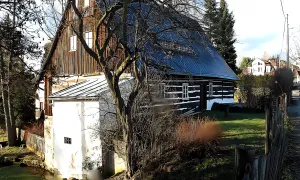
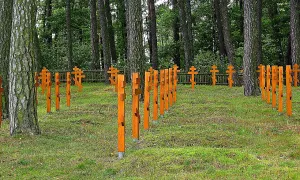
Real photos taken near the monument


Zdroj a licence jsou uvedeny u každého snímku.
Tips from visitors
No tips yet. Be the first!
Log in and add your tip.
Sources and literature
Photos: Petr Kinšt / CC BY-SA 4.0 — Wikimedia Commons. The author and licence also appear when you hover over the image.
Faktickým podkladem tohoto textu byl článek na Wikipedii, jehož autory jsou přispěvatelé Wikipedie. Článek je dostupný pod licencí CC BY-SA 4.0.
Location on the map
Příběhy a pověsti
Legendy, pověsti a příběhy spjaté s touto památkou
Fotografie návštěvníků
Zatím žádné fotografie. Buďte první, kdo přidá fotografii z návštěvy!
Log in a přidejte svou fotografii nebo hodnoťte.
Za ověřenou návštěvu v aplikaci získáte víc bodů — poznáme podle GPS, že jste na místě.
Reviews and comments