






kaple svatého Wolfganga (Jablonné v Podještědí) Chapel
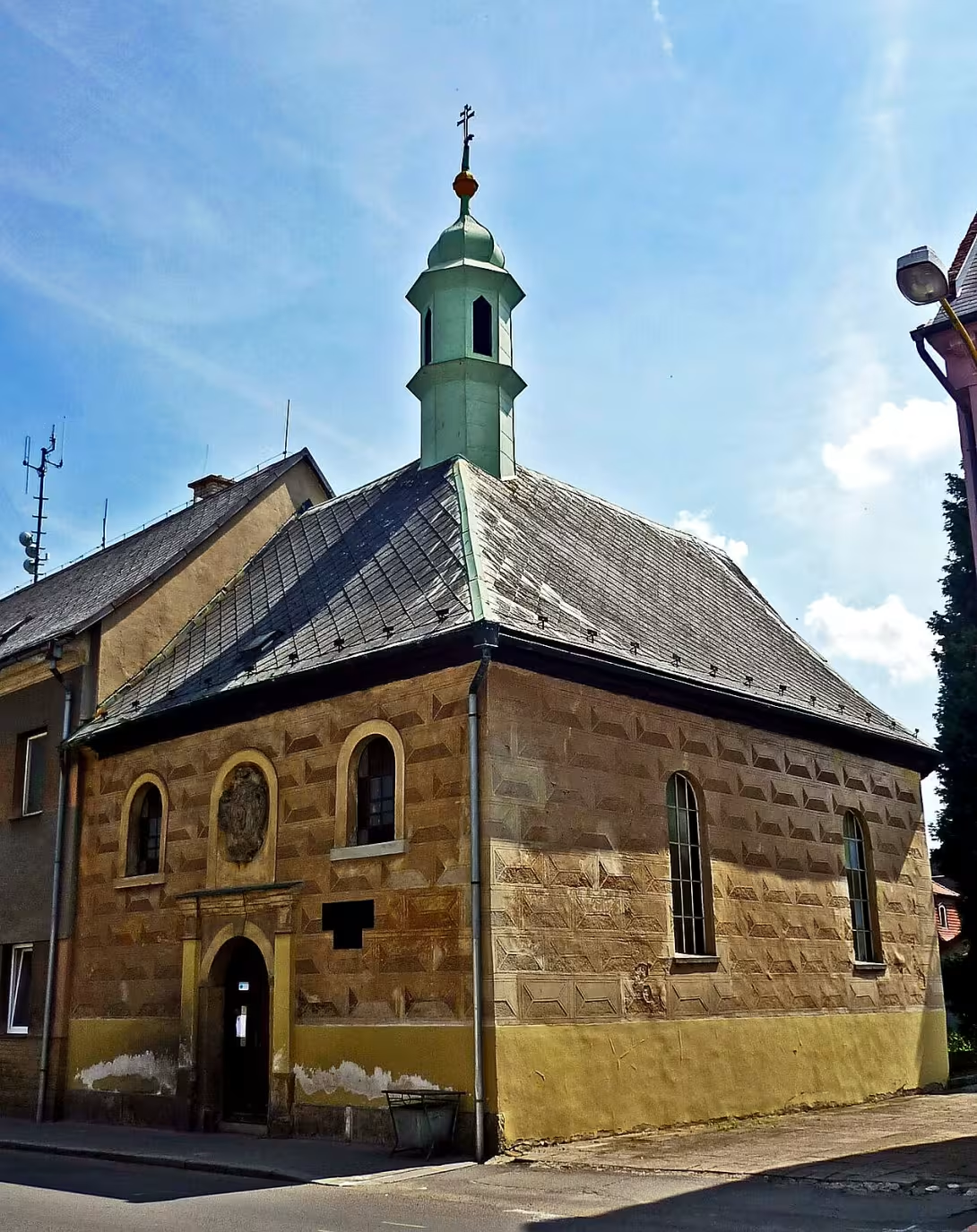
The Chapel of St. Wolfgang is a Renaissance-style building with Gothic roots, originally built as part of a hospital complex in Jablonné v Podještědí, Liberec Region, Czech Republic. This monument has played an important role in the local community throughout its history.
Origin and Historical Context Between 1279 and 1290, Cistercian monks constructed the chapel as part of a hospital complex. The exact reasons for its construction are unclear, but it is evident that the chapel has been integral to the community for centuries.
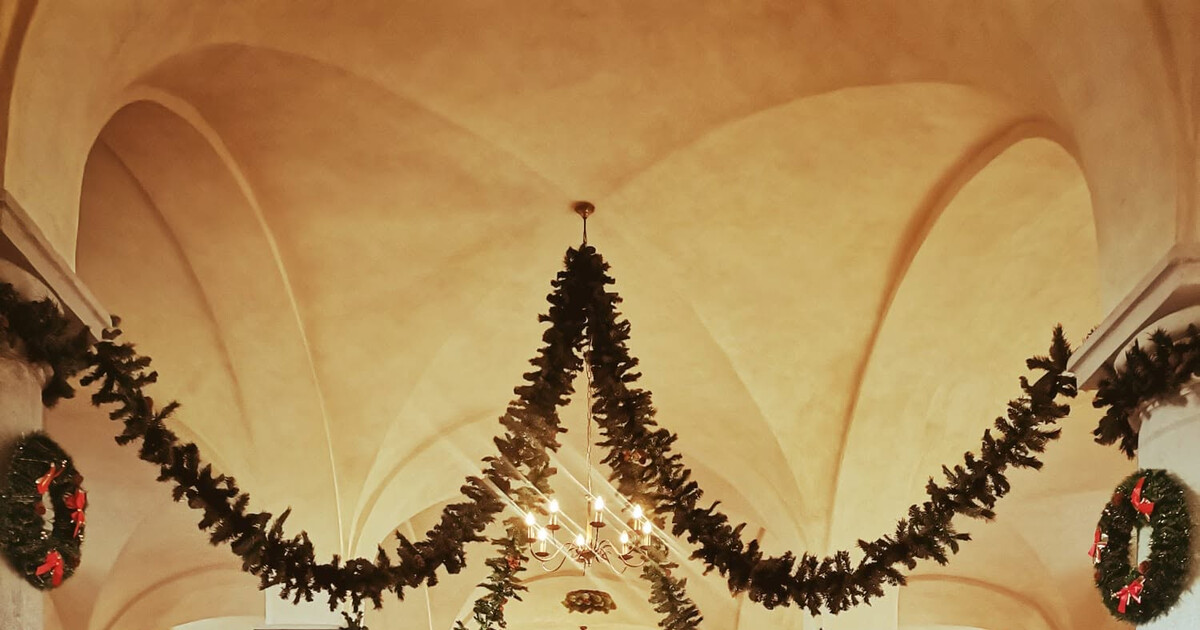
Architecture and Artistic Form The chapel features Renaissance-style sgrafito decorations, likely added during the 16th-century restoration. Original Gothic elements have largely given way to Renaissance architectural styles.
Owners, Administrators, Fortunes Throughout its history, the chapel has had several owners. Initially, it was built by Cistercian monks, but after their departure in the 15th century, Jablonné v Podještědí took ownership. The Berkové z Dubé and Jindřich Berka z Dubé jointly restored and renovated the chapel in the 16th century.
Key Events and Curiosities The chapel has undergone several restorations over the centuries, including one in the 18th century. In 1669, a new altar was installed, and in 1850, a cross from the demolished city gate was placed on the tower. The chapel served as a hospital until 1945.
Today The Chapel of St. Wolfgang is open to visitors, offering a glimpse into the region's rich history. Its unique blend of Gothic and Renaissance architectural styles makes it an attractive destination for those interested in exploring Jablonné v Podještědí's cultural heritage. Visitors can admire sgrafito decorations, explore historical significance, and gain insight into the lives of those who have called this region home.
In conclusion, the Chapel of St. Wolfgang is a remarkable monument that has played an important role in the local community for centuries. Its unique blend of architectural styles, rich history, and cultural significance make it an attractive destination for anyone interested in exploring Jablonné v Podještědí's heritage.
Then and now
Drag the slider to compare how the landmark may have looked when it was built with the view today.
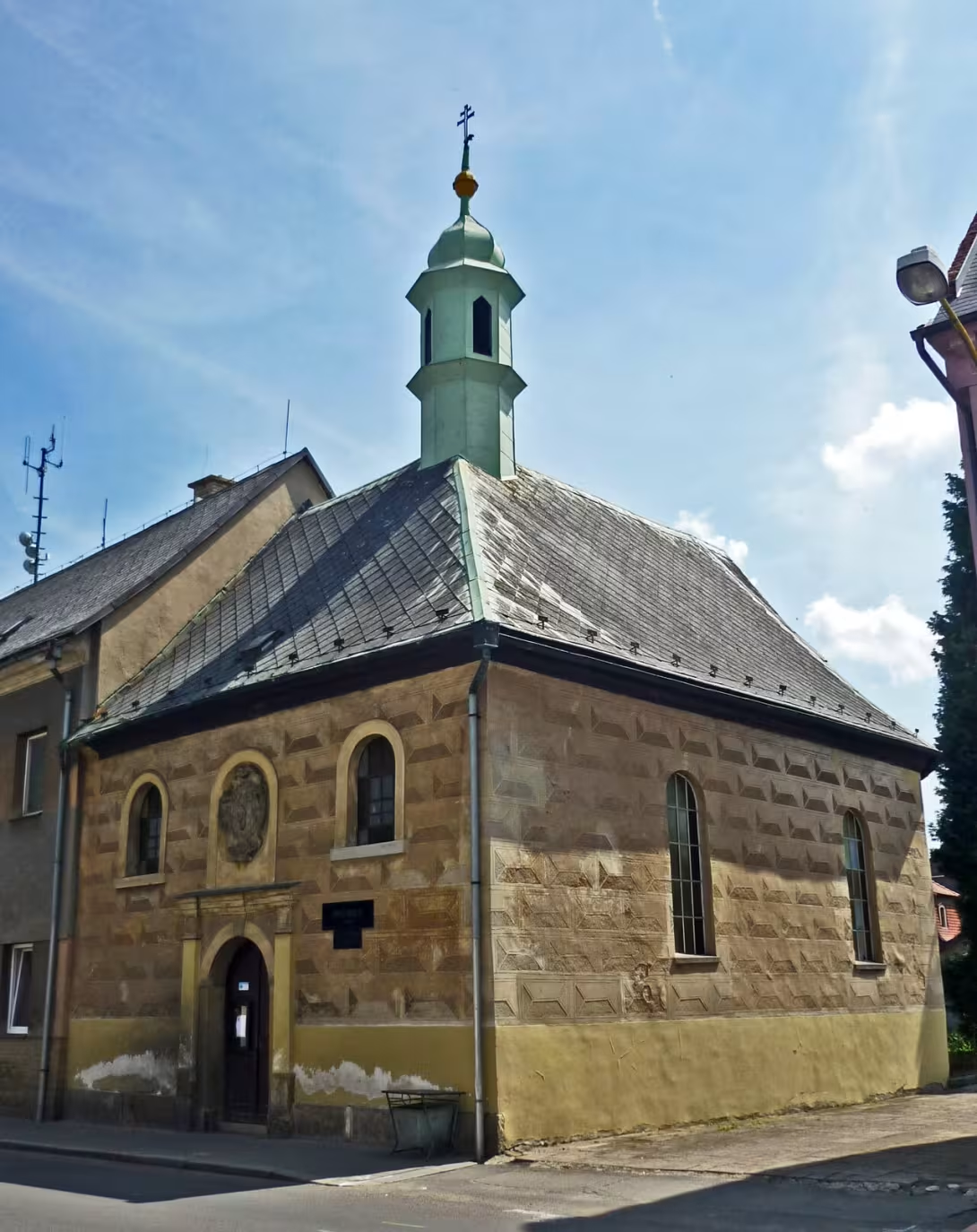

The historical appearance on the left is an AI-generated visualisation and serves as inspiration only.
Historical milestones
- 1279
- Construction began
- 1290
- Construction completed
- 1425
- Destruction by Husite forces
- 1565
- Restoration and renovation
Architectural development
The chapel was originally built with Gothic elements, but underwent significant renovations during the Renaissance period. The building has undergone several restorations over the centuries, including one in the 18th century.
Historical events
Construction completed in 1290
Destruction by Husite forces in 1425
Restoration and renovation in the 16th century
Installation of a new altar in 1669
Owners
Cistercian monks (1279-1421), City of Jablonné v Podještědí (1421-1945), Berkové z Dubé and Jindřich Berka z Dubé (1565), Pachtů z Rájova (1760), private owners (1602-1838)
Points of interest
Here are 3-5 lesser-known or surprising facts, legends, or curiosities about the Czech historical monument:
– The Chapel of St. Wolfgang has a mysterious past, with some believing that it was built on an ancient pagan burial ground, which might explain the unusual sgrafito decorations found inside.
– In the 16th century, the chapel's Renaissance-style restoration was funded by the Berkové z Dubé family, who were known for their lavish spending and extravagant lifestyle. This could have influenced the chapel's unique architectural style.
– During World War II, the chapel served as a secret meeting place for local resistance fighters, who would gather in its crypt to plan their operations against the Nazi occupation.
– The chapel's tower once held a cross that was originally part of the demolished city gate. This unusual artifact has been preserved and is still on display today.
– According to local legend, the chapel is home to the ghost of St. Wolfgang himself, who is said to appear to visitors in times of great need or crisis.
Guide
This guide is narrated by a synthetic voice generated by artificial intelligence.
Show guide text
This text was created by artificial intelligence and has not been editorially reviewed. It may contain inaccuracies.
Welcome to the Chapel of St. Wolfgang in Jablonné v Podještědí. As you stand before this historic monument, take a moment to absorb its beauty and significance.
This Renaissance-style chapel has Gothic roots, originally built as part of a hospital complex in the 13th century. You can almost imagine the hustle and bustle of medieval life surrounding this very spot. Construction began in 1279 and was completed just over a decade later in 1290.
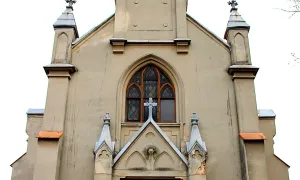
As you gaze upon the chapel's facade, notice the intricate stone carvings and ornate details that speak to its rich history. Over the centuries, this building has undergone several renovations and adaptations, including a major restoration in the 16th century.
Let your eyes wander up to the roofline, where you'll spot the delicate sgrafito decorations – a unique feature of this chapel. Some believe these murals were inspired by an ancient pagan burial ground beneath your feet, adding an air of mystery to this already enigmatic site.
Now, let's take a step back in time and explore some of the key stories and personalities tied to this place. Unfortunately, records of the original architects and historical figures associated with the chapel have been lost to time.
But what about the legends surrounding this very spot? Some say that on certain nights, you can still hear the whispers of ancient rituals performed here. Others claim that the chapel's unique architecture is a testament to the ingenuity of its long-forgotten builders.
As you stand before this historic monument, take a moment to appreciate the secrets it holds and the stories it could tell. And when you're ready, invite yourself to explore further, uncovering the mysteries and surprises hidden within these ancient walls.
Farewell for now, and I hope your journey through time has been enlightening.
Tips for visitors
Best Time to Visit: The Chapel of St. Wolfgang is open year-round, but the best time to visit is during spring and autumn when the weather is mild and sunny. This allows you to fully appreciate the chapel's architecture and surroundings without the crowds that come during peak summer months. The chapel is easily accessible from Jablonné v Podještědí town center. What to Bring: Wear comfortable shoes for walking around the chapel and its surroundings. Don't forget your camera to capture the stunning architecture and picturesque views. Photography: The best spots for photography are around the chapel's exterior, where you can capture its unique Renaissance-style architecture. Try to visit during the golden hour (just before sunset) for a warm and cozy atmosphere. What to See Nearby: Within 30 minutes of walking or driving from the chapel, you can explore the Pachtovský zámeček and the main street of Jablonné v Podještědí. These nearby attractions offer a glimpse into the town's rich history and culture.
Frequently asked questions
Can the monument be visited?
Religious buildings are usually open mainly during services; at other times a visit is normally arranged with the parish or the operator. We have not verified specific times.
Where is the monument?
Location: Zdislavy z Lemberka, Jablonné v Podještědí, Liberecký kraj. The map on this page shows the exact spot.
Why is the monument protected?
It is listed in the Central List of Cultural Monuments of the Czech Republic as a cultural monument (register no. 46468/5-2998).
Businesses nearby
Do you run a restaurant, accommodation, shop, museum, rental, wellness or other visitor service near this monument? Show yourself directly to the people heading to it — this is how they will see you in the app and on the web:
Events nearby

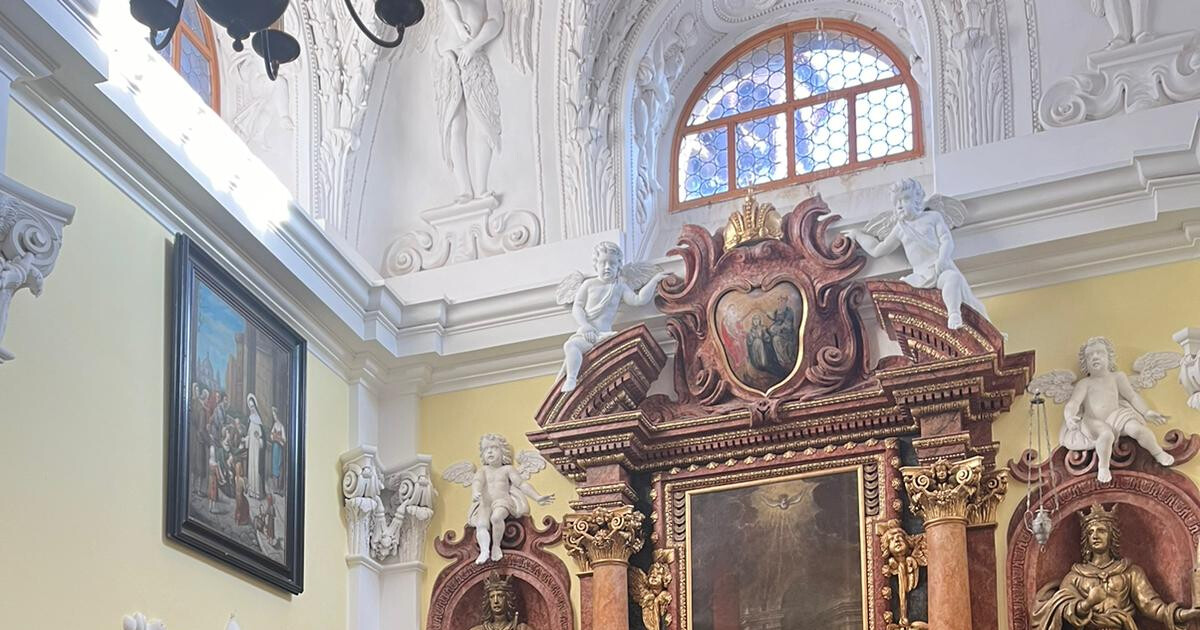


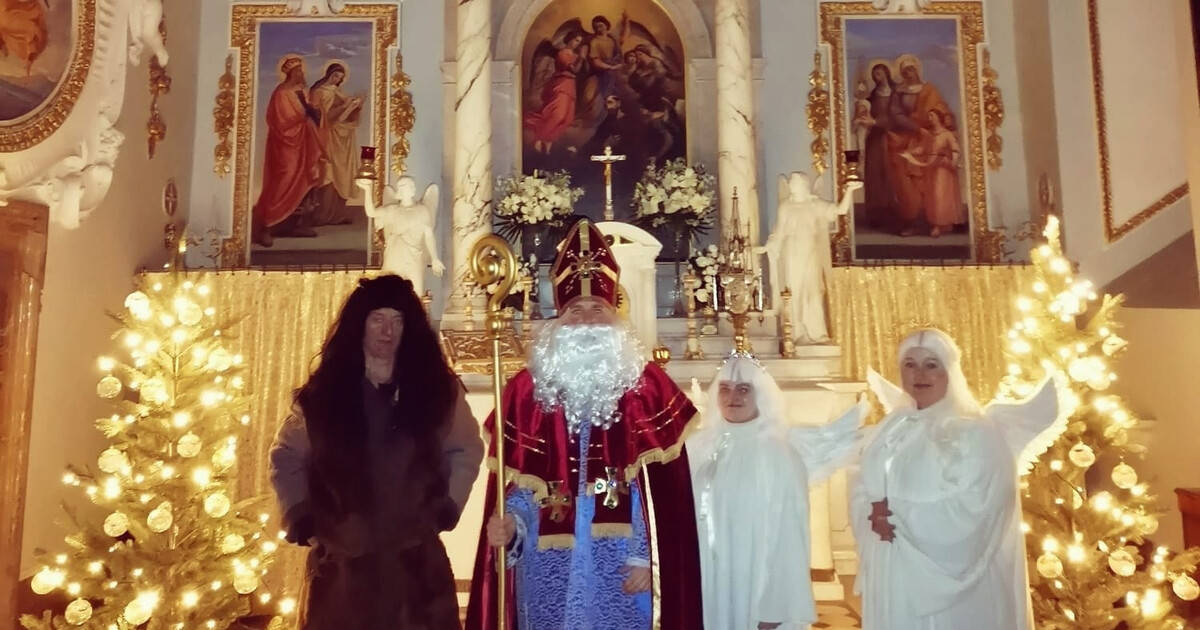
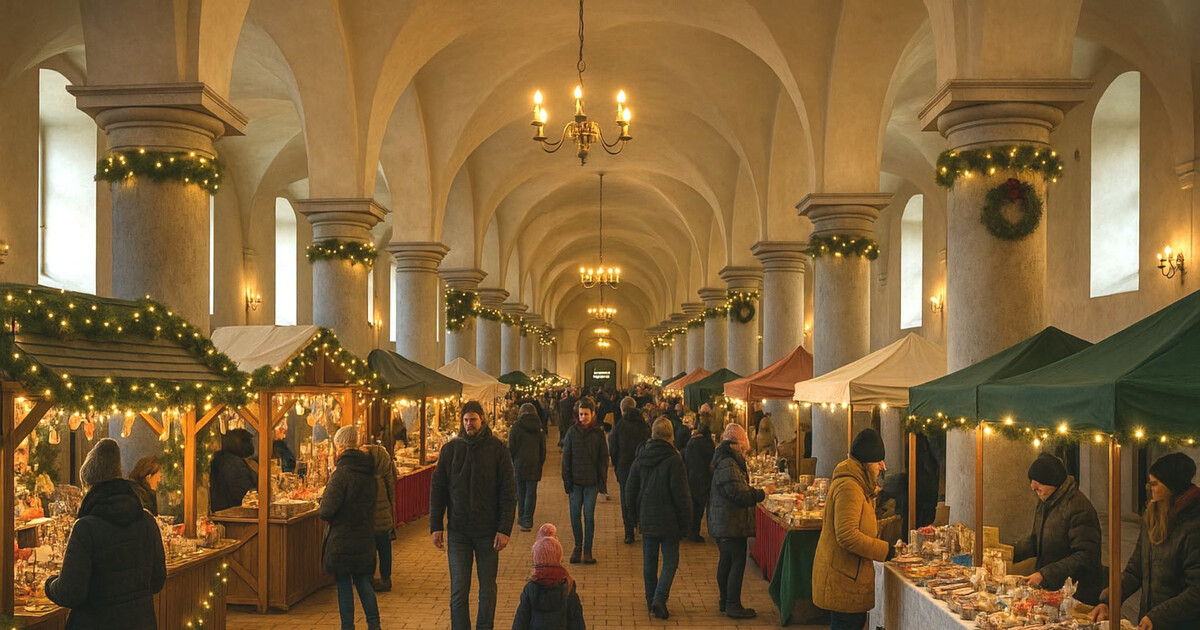
Zdroj akcí: otevřená data měst a obcí ČR (Národní katalog otevřených dat) a kalendář akcí Národního památkového ústavu.
Nearby
The chapel is situated near the Pachtovský zámeček and the main street of Jablonné v Podještědí.
Accommodation nearby
Trips and activities nearby
Guided tours, tickets and activities nearby from GetYourGuide
Affiliate link: if you buy from the partner, we may receive a commission. The price for you does not change.
Search tours and activities →Themed route
Thematic Tour Route
Starting Point: Jablonné v Podještědí, Liberecký kraj
Route:
1. Pachtovský zámeček (Pachtovský Castle), a charming Renaissance-style castle located near the chapel. * Why visit? This historic castle offers stunning views of the surrounding countryside and provides insight into the region's rich history. 2. Main Street of Jablonné v Podještědí, a picturesque street lined with shops, cafes, and restaurants. * Why visit? Take a leisurely stroll along the main street to experience the town's unique atmosphere and perhaps stop for a snack or drink. 3. Kaple svatého Wolfganga (Chapel of Saint Wolfgang), our main destination. * Why visit? This beautiful chapel is a must-see attraction in Jablonné v Podještědí, offering stunning architecture and a peaceful atmosphere.
Distance: Approximately 1 km (0.6 miles) from the starting point to the final destination.
This route offers a mix of history, culture, and relaxation, allowing visitors to experience the best of Jablonné v Podještědí.
Seasonal recommendations
Spring The spring season brings a gentle atmosphere to the Chapel of Saint Wolfgang. The surrounding nature awakens from its winter slumber, and the blooming flowers create a picturesque backdrop for your visit. As the days get longer, the chapel's interior takes on a warm glow, making it an ideal time to explore the historic site. To make the most of your visit, consider arriving early in the morning or later in the afternoon to avoid the peak tourist hours.
Summer During the summer months, the Chapel of Saint Wolfgang is surrounded by lush greenery and vibrant wildflowers. The warm weather makes it an excellent time for a leisurely stroll around the chapel and its surroundings. Be prepared for larger crowds during the peak tourist season, so consider visiting early in the morning or later in the evening to avoid the hustle and bustle.
Autumn As autumn sets in, the Chapel of Saint Wolfgang takes on a cozy atmosphere. The foliage turns golden, creating a stunning backdrop for your visit. The cooler temperatures make it an ideal time for a relaxed exploration of the chapel's interior and exterior. Arrive early or later in the day to avoid the peak tourist hours, and don't forget to bring a warm layer for the crisp autumn air.
Winter In the winter season, the Chapel of Saint Wolfgang takes on a serene atmosphere. The snow-covered surroundings create a peaceful ambiance, making it an excellent time for contemplation and reflection.
Visualizations and artistic views


The visualisations are generated by artificial intelligence and serve as inspiration.
Photos from the area
Real photos taken near the monument


Zdroj a licence jsou uvedeny u každého snímku.
Tips from visitors
No tips yet. Be the first!
Log in and add your tip.
Sources and literature
Photos: SchiDD / CC BY-SA 4.0 — Wikimedia Commons. The author and licence also appear when you hover over the image.
Faktickým podkladem tohoto textu byl článek na Wikipedii, jehož autory jsou přispěvatelé Wikipedie. Článek je dostupný pod licencí CC BY-SA 4.0.
Location on the map
Fotografie návštěvníků
Zatím žádné fotografie. Buďte první, kdo přidá fotografii z návštěvy!
Log in a přidejte svou fotografii nebo hodnoťte.
Za ověřenou návštěvu v aplikaci získáte víc bodů — poznáme podle GPS, že jste na místě.
Reviews and comments