






Morový sloup (Jablonné v Podještědí) Monument
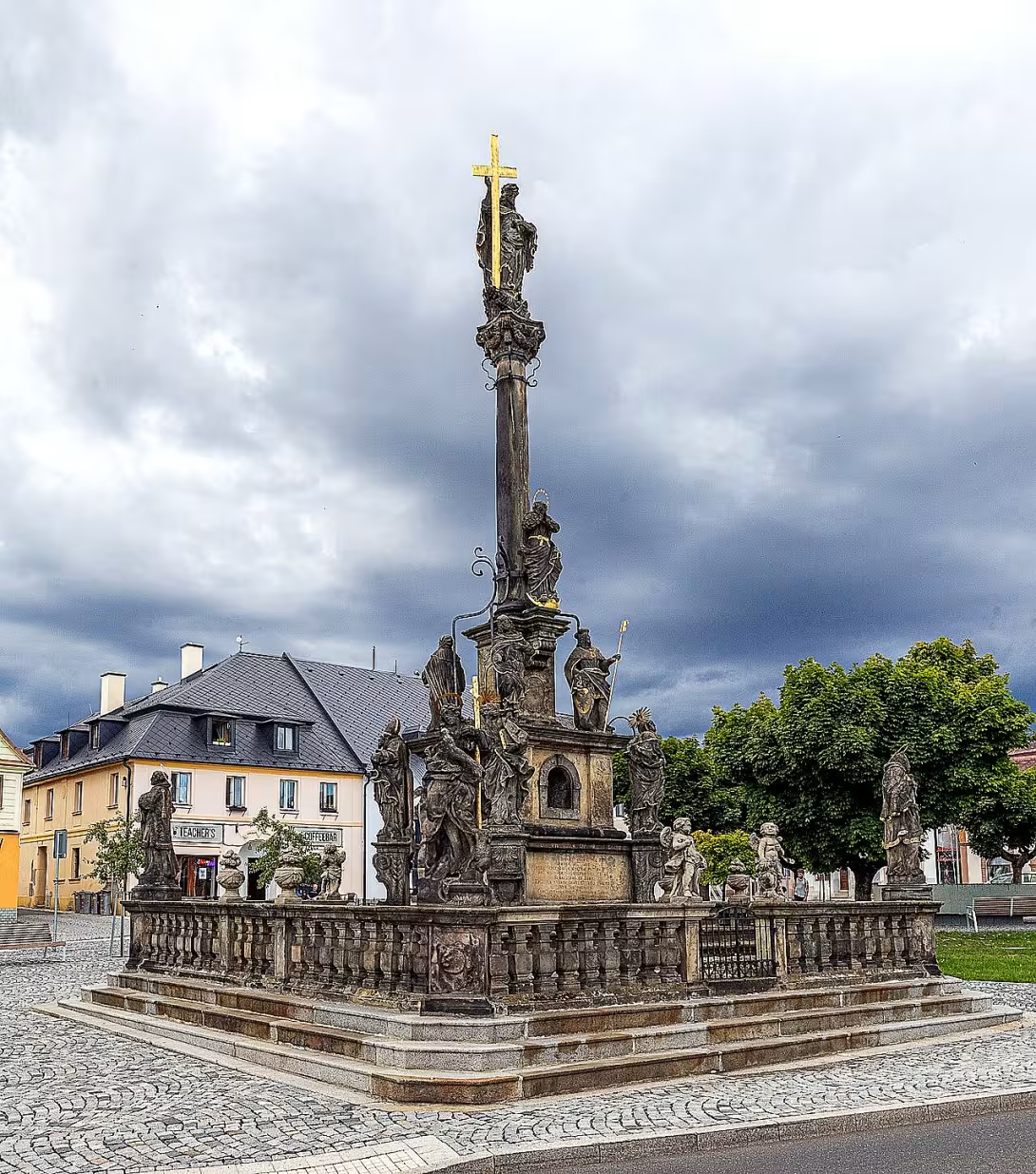
The Morový Sloup in Jablonné v Podještědí is a significant Baroque monument located at the town's Square of Peace. Erected in 1687, it commemorates the end of a devastating plague epidemic that struck the area in 1680. Its prominence stems from its historical significance and cultural value as an artistic and religious landmark.
The column originates from the late 17th century when Bohemia was part of the Habsburg Monarchy. It was built in 1687 to express gratitude for surviving the plague epidemic of 1680, following the Thirty Years' War—a period marked by significant religious and political changes across Europe. In the Czech lands, the Baroque era brought notable artistic and architectural developments, evident in this monument's design.
Architecturally, the Morový Sloup features sculptures highlighting its religious significance. Initially, it included statues of Jesus Christ, the Virgin Mary, and several saints: St. Joseph, St. Wenceslas, St. Sebastian, and St. Rosalia. In the early 18th century, additional figures were added: St. John the Baptist, St. John Nepomucene, St. Florian, St. Lawrence, St. James, St. Anne, St. Vincent, and another statue of St. Wenceslas. These sculptures are attributed to the craftsmanship of the Jelínkové brothers from Kosmonosy, renowned artisans of that era.
Throughout its history, the Morový Sloup has remained a focal point in Jablonné v Podještědí. Its construction and embellishments reflect Baroque artistic trends and the community's resilience following the plague epidemic. The column stands as a testament to the town's historical journey through adversity and recovery.
Today, the Morový Sloup continues to be an important cultural site at the Square of Peace in Jablonné v Podještědí. It is accessible for visitors interested in exploring its rich history and artistic details. The monument offers insight into Baroque architecture and serves as a reminder of the town's historical resilience.
Visiting the Morový Sloup provides an opportunity to connect with the past while appreciating the enduring legacy of artistry and faith it represents. It stands as a symbol of gratitude and hope, inviting visitors to reflect on its historical significance and cultural value.
Then and now
Drag the slider to compare how the landmark may have looked when it was built with the view today.
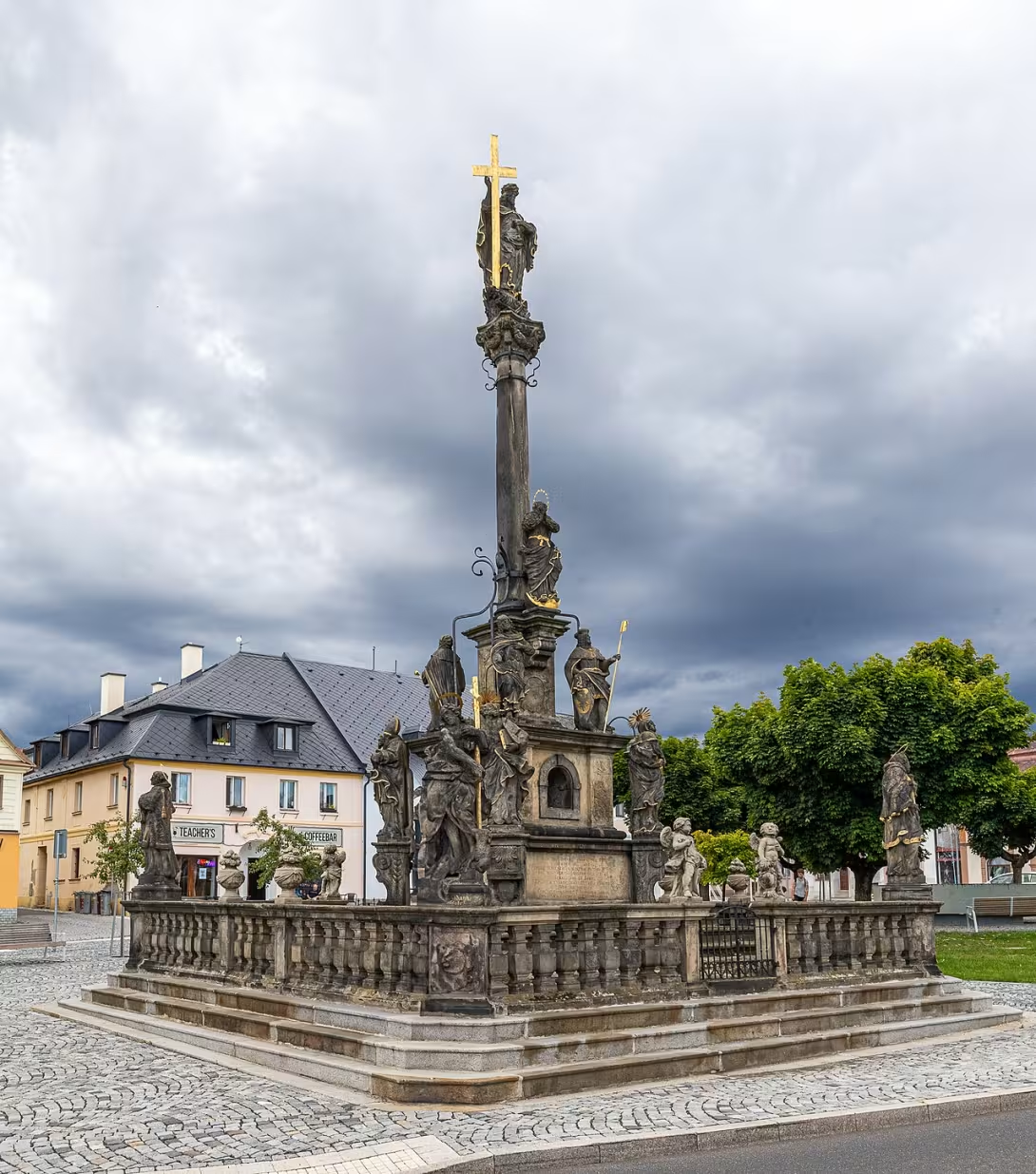

The historical appearance on the left is an AI-generated visualisation and serves as inspiration only.
Historical milestones
- 1687
- The Morový sloup was erected as a thanksgiving for the end of the plague epidemic that struck in 1680.
Architectural development
Originally adorned with sculptures of Jesus Christ, the Virgin Mary, and several saints, the column underwent an expansion in the early 18th century. Additional statues of other saints were added during this period, crafted by the Jelínkové brothers from Kosmonosy.
Historical events
The column was erected in 1687 as a thanksgiving for the end of the plague epidemic that affected the town in 1680.
Guide
This guide is narrated by a synthetic voice generated by artificial intelligence.
Show guide text
This text was created by artificial intelligence and has not been editorially reviewed. It may contain inaccuracies.
Welcome to the Square of Peace in Jablonné v Podještědí, where you stand before a remarkable testament to history and faith—the Morový sloup, or Plague Column. This Baroque monument captures both the resilience and devotion of those who came before us. As you gaze upon it, take a moment to absorb its grandeur and significance.
The Morový sloup was erected in 1687 as a profound expression of gratitude for deliverance from the ravages of a devastating plague that struck the region in 1680. Built by the Jelínkové brothers from Kosmonos, this column not only commemorates an end to suffering but also stands as a symbol of hope and renewal. It was constructed remarkably quickly—just seven years after the epidemic's end—a testament to the community's determination and faith.
As you look up at the towering structure, notice its intricate details. The column is adorned with sculptures that bring biblical narratives to life: Jesus Christ, the Virgin Mary, and several saints stand in silent vigil, their expressions capturing both serenity and strength. Originally featuring only six saints, by the early 18th century, twelve statues graced the monument, reflecting an evolving religious narrative and artistic heritage.
The column's creation was driven by a community seeking to give thanks for survival. While specific historical figures involved remain unnamed, it is clear that this work was a collective endeavor of devotion and gratitude. The Jelínkové brothers' craftsmanship played a crucial role in transforming communal relief into an enduring monument.
An intriguing aspect of the Morový sloup lies in its rapid construction following such a tragic event. This quick response highlights not only the community's urgency to commemorate their deliverance but also the skilled artistry and resources available at that time, allowing for such a grand project to be realized swiftly.
As you continue your exploration, take a moment to reflect on this space of peace and resilience. The Morový sloup is more than just stone; it is a narrative etched in history, inviting us to remember the past while looking forward with hope. We invite you to delve deeper into its stories and significance as you wander through Jablonné v Podještědí.
Thank you for joining us on this journey of discovery. May your visit inspire reflection and appreciation for the enduring spirit captured by this historic monument.
Frequently asked questions
Can the monument be visited?
This is a structure in a public space that can usually be seen from outside free of charge. We have not verified that this particular one is freely accessible.
Where is the monument?
Location: Jablonné v Podještědí, Liberecký kraj. The map on this page shows the exact spot.
Why is the monument protected?
It is listed in the Central List of Cultural Monuments of the Czech Republic as a cultural monument (register no. 1000134876).
Businesses nearby
Do you run a restaurant, accommodation, shop, museum, rental, wellness or other visitor service near this monument? Show yourself directly to the people heading to it — this is how they will see you in the app and on the web:
Events nearby



Zdroj akcí: otevřená data měst a obcí ČR (Národní katalog otevřených dat) a kalendář akcí Národního památkového ústavu.
Nearby
The monument is situated at the Square of Peace in Jablonné v Podještědí, surrounded by typical Central European landscapes. The area may include other historical sites and natural features within a five-kilometer radius.
Accommodation nearby
Trips and activities nearby
Guided tours, tickets and activities nearby from GetYourGuide
Affiliate link: if you buy from the partner, we may receive a commission. The price for you does not change.
Search tours and activities →Themed route
Thematic Walking Tour: Morový Sloup and Surroundings
1. Morový Sloup (Jablonné v Podještědí) - Monument Start your journey at the iconic Morový Sloup, a poignant monument commemorating the victims of the 1831 cholera epidemic. This site is not only historically significant but also offers a serene setting in the Square of Peace, surrounded by picturesque Central European landscapes. The monument serves as a powerful reminder of resilience and community spirit.
2. Square of Peace - Historical Site After exploring the Morový Sloup, take a moment to stroll around the Square of Peace itself. This area is rich with history and offers a peaceful atmosphere where visitors can reflect on the past while enjoying the natural beauty that surrounds it. The square acts as a central hub in Jablonné v Podještědí, connecting various historical narratives.
3. Local Historical Sites within Five-Kilometer Radius Venture slightly beyond the immediate vicinity of the Morový Sloup to discover other local historical sites within a five-kilometer radius. These sites provide additional context and depth to the history of Jablonné v Podještědí, offering insights into the region's past events and cultural heritage.
This thematic tour provides a comprehensive exploration of the area surrounding the Morový Sloup, focusing on its historical significance and the tranquil landscapes that define this part of Central Europe.
Seasonal recommendations
Spring: Visiting the Plague Column in Jablonné v Podještědí during spring offers a unique experience as nature awakens around this historic monument. The surrounding landscape is adorned with blooming flowers and fresh greenery, creating an enchanting atmosphere that enhances the solemn beauty of the column itself. As daylight hours increase, it's advisable to arrive earlier in the day to enjoy the serene environment before any potential crowds gather. Light layers are recommended due to the fluctuating temperatures typical of spring weather.
Summer: In summer, the Plague Column is bathed in warm sunlight, making it an ideal time for those who appreciate long days and vibrant natural surroundings. The lush greenery and full bloom of nearby flora provide a picturesque backdrop that complements the monument's historical significance. This season often attracts more visitors, so planning your visit early in the morning or later in the afternoon can help avoid larger crowds. Comfortable walking shoes and light clothing are recommended to stay cool during warmer days.
Autumn: Autumn brings a stunning display of colors as the leaves around the Plague Column change from green to vibrant hues of red, orange, and yellow. This seasonal transformation creates a magical atmosphere that is both tranquil and visually captivating. The cooler temperatures make it an ideal time for a leisurely visit without the summer crowds. Wearing layers will help you stay comfortable as the weather can be unpredictable, with crisp mornings giving way to warmer afternoons.
Winter: Winter transforms the Plague Column into a serene and almost mystical site, often covered in a blanket of snow that accentuates its architectural details. The quietude of the season offers a peaceful experience, with fewer visitors allowing for a more intimate encounter with history. However, it's important to dress warmly in layers, as temperatures can be quite low, and some facilities may have reduced hours during this time. Arriving early is advisable to make the most of any daylight available and ensure access before closing times.
Visualizations and artistic views


The visualisations are generated by artificial intelligence and serve as inspiration.
Photos from the area
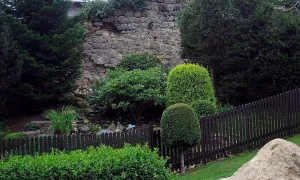
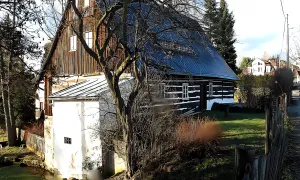
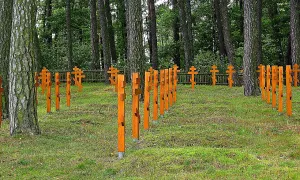
Real photos taken near the monument

Zdroj a licence jsou uvedeny u každého snímku.
View from the area
This animation was generated by artificial intelligence from a real photograph of the surroundings. The motion and details are not real footage of the location.
Tips from visitors
No tips yet. Be the first!
Log in and add your tip.
Sources and literature
Photos: VitVit / CC BY-SA 4.0 — Wikimedia Commons. The author and licence also appear when you hover over the image.
Faktickým podkladem tohoto textu byl článek na Wikipedii, jehož autory jsou přispěvatelé Wikipedie. Článek je dostupný pod licencí CC BY-SA 4.0.
Location on the map
Příběhy a pověsti
Legendy, pověsti a příběhy spjaté s touto památkou

Fotografie návštěvníků
Zatím žádné fotografie. Buďte první, kdo přidá fotografii z návštěvy!
Log in a přidejte svou fotografii nebo hodnoťte.
Za ověřenou návštěvu v aplikaci získáte víc bodů — poznáme podle GPS, že jste na místě.
Reviews and comments