






Hroby Chateau
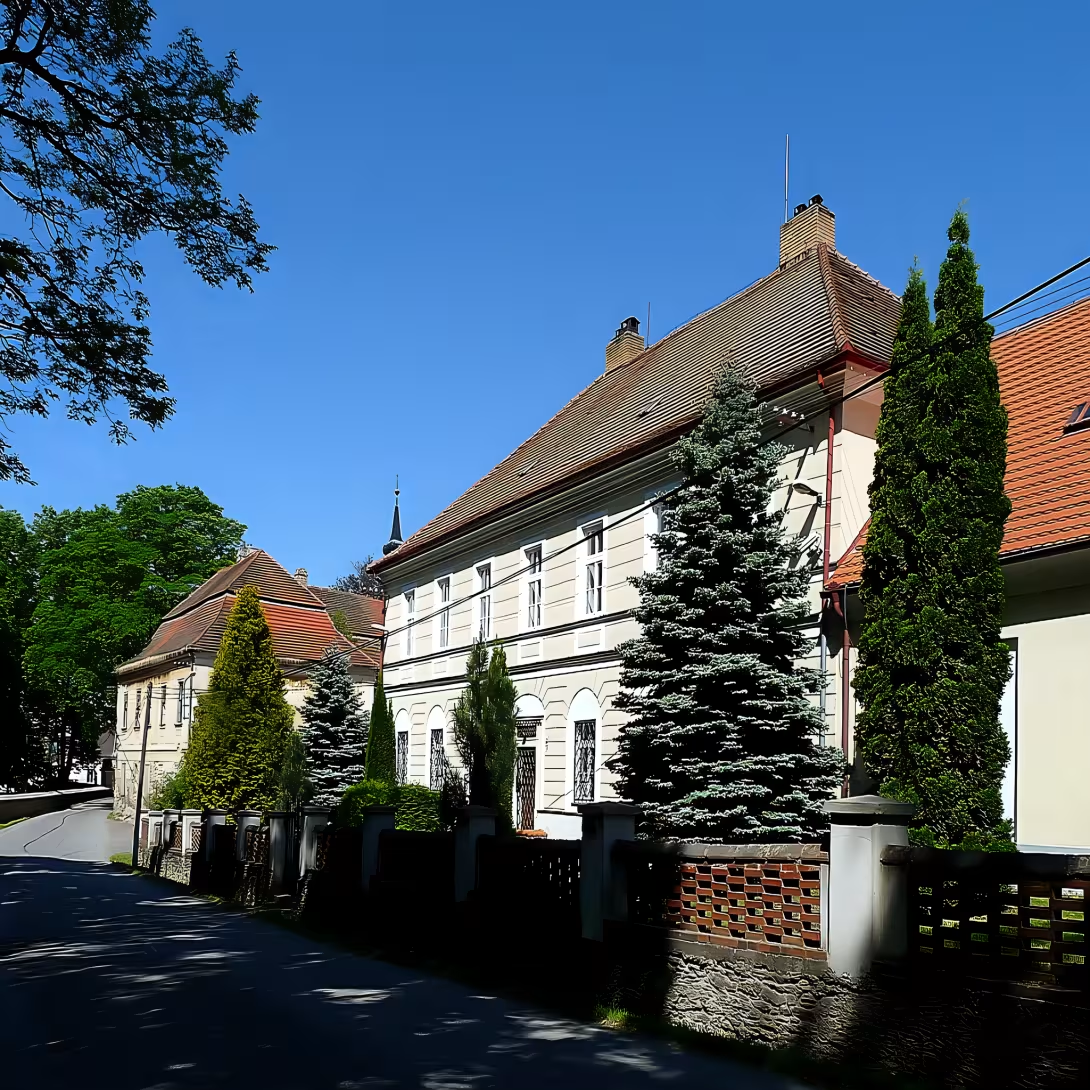
The chateau in the Tombs is located near the village of Radenina in the camp district and represents a remarkable example of the reforming of the noble manor through centuries. Originally in the neighbourhood of the village there was a fortress, which was later replaced by a Baroque chateau, and it is this layer of historical layers that makes Hroby an interesting testimony about the development of Czech nobility and its settlements.
The oldest mention of the Poverty estate in the Tombs runs until 1376, when according to the available records Smil z Hrobů was based here. Over time, ownership was changed among local nobles, with the village gained importance especially after Držek ze Sedlce, the ancestor of the House of Grobské z Sedlce, began to use the adjoining "from the Graves." During the fifteenth and sixteenth centuries, Hroby went through a series of ownership changes: the brothers Spríček from Munich had restored a desolate village, but the property gradually came into the hands of the more powerful owners. Когда Jiří Hrobský ze Sedlce moved to nearby Radenín, the original grave fortress gradually deserted.
The restoration of the tomb was brought up to Adam Smrčka ze Mnichu, which built a Renaissance chateau in the neighbourhood of the original fortress in the early seventeenth century. But his efforts were affected by the events of the историческими: shortly before his death he participated in the state insurrection and was sentenced to death, while Hroby was seized. Since 1623, it belonged to the estates Augustine Fellner of Feldek, later his daughter Maria Cecilia. The chateau gradually passed through the hands of various owners including Countess Catherine Elishki Spar and Governor Peter Koch.
The fundamental transformation of the chateau was initiated by František Jiří Koch, a descendant of Peter's family, who rebuilt the Renaissance building into a baroque style. In 1753 the chateau was purchased by Countess Marie Terezie Krakovská z Kolovrat, the owner of the neighbouring Radenna estate, and became part of its complex estate. This period ends with historical records available from research.
The Hroby Chateau, although not normally open to the public, remains an architectural interest in the South Bohemian landscape. Its site is protected as a cultural monument, which shows the historical and building value of the building. It offers a charming view of the way in which Czech nobles with smaller estates defended themselves throughout the centuries while preserving their settlements.
Then and now
Drag the slider to compare how the landmark may have looked when it was built with the view today.
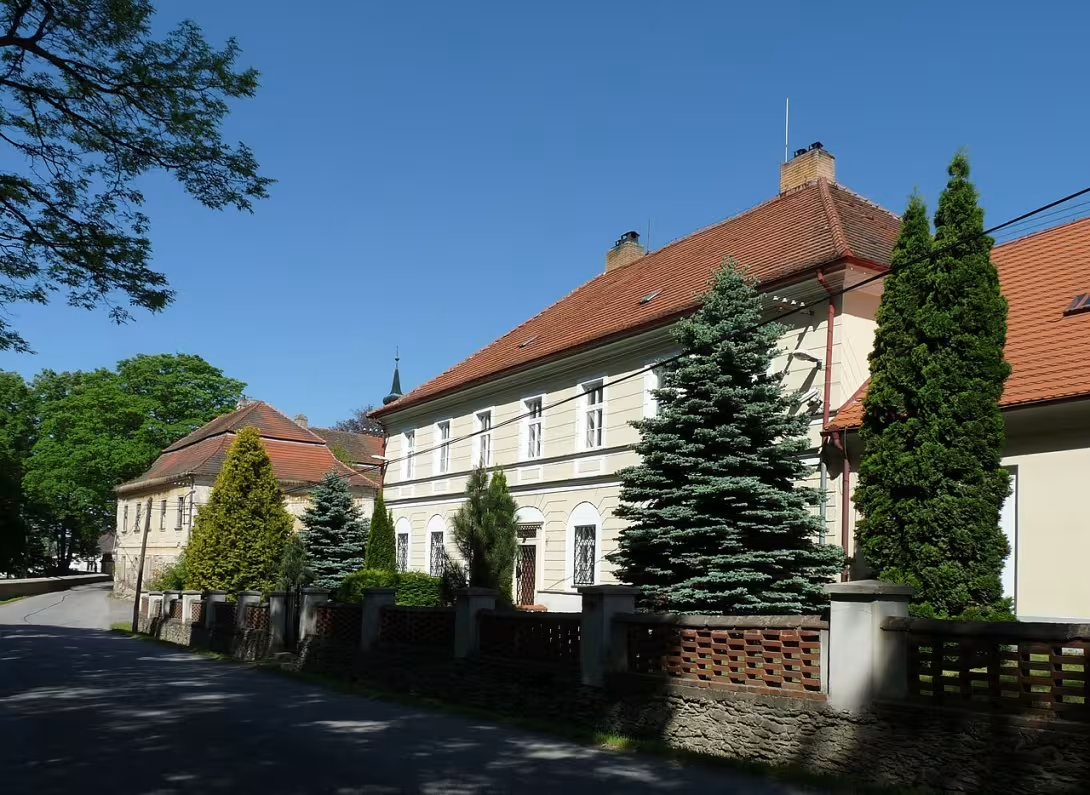
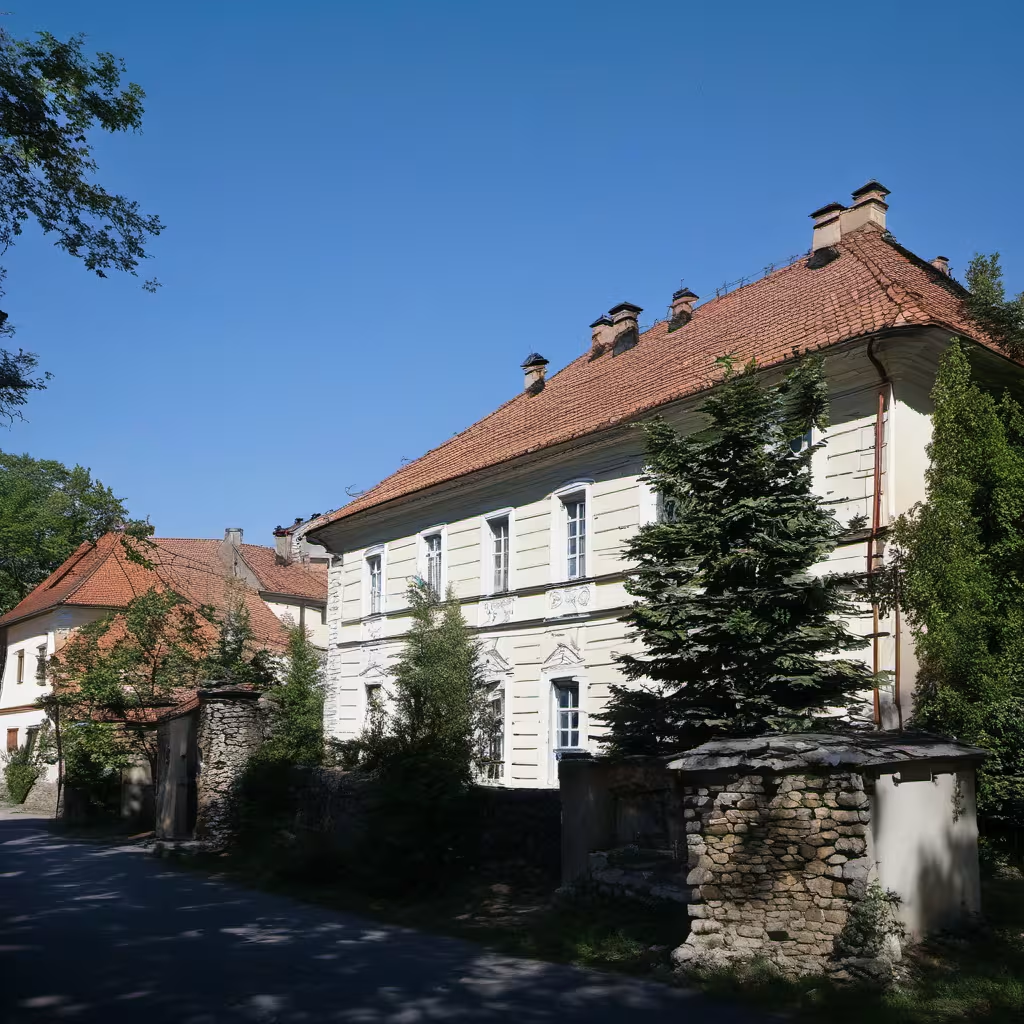
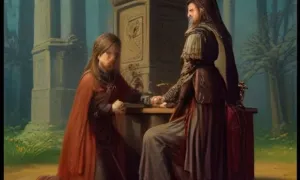
The historical appearance on the left is an AI-generated visualisation and serves as inspiration only.
Historical milestones
- 1376
- House of Smila from the Tombs on the original fortress
- 1622
- Confiscation of the property of Adam Spruce of the Monk for participation in the uprising
- 1623
- Buying a farm with Augustine Fellner from Feldek
- 1753
- Sale of the castle Maria Terezii Krakovskaya from Kolovrat
Architectural development
Originally a medieval fortress, which was converted into a Renaissance chateau in the early 17th century. Later, the complex was converted into a baroque one-storey three-story wing chateau. There were other modifications in 1839.
Historical events
1622 (condemnation of Adam Smrček to the loss of property), 1623 (sale of the farm to Augustine Fellner), 1839 (other modifications to the chateau), 2nd half of the 20th century (use of the army as a warehouse)
Owners
Smil z Hrobů (1376), Albert Masopust z Hrob (up to 1392), Držek ze Sedlce (beginning of 15st.), Petr z Hrobu (1420), Jan Hrobský ze Sedlce (1428- 1463), Jiří Hrobský ze Sedlce, Petr Smrčka z Munich (16st.), Jiří Smrčka, Jan Smrčka, Oldřich Smrčka older (1577), Adam Smrčka ze Mnichu (beginning of 17st.), Augustin Fellner z Feldeku (1623), Volf Václav z Feldek (1643), Kryštof Václav z Feldek, Kateřina Eliška Sparová (1666), Petr Koch (1675), Maria Cecia Malovkovová (1688), František Jiří Koch, Marie Terezie Krakovská z Kolovrat (1753)
Points of interest
- The oldest mention of the mansion in the tomb dates back to 1376 when Smil z Hrobů was based here. - In the early seventeenth century, Adam Smrčka ze Mnichu built a Renaissance chateau. - Hroby was seized after Adam Smrčka ze Mnichu participated in the state uprising. - František Jiří Koch rebuilt the original Renaissance building into Baroque style. The chateau is protected as a cultural monument.
Guide
This guide is narrated by a synthetic voice generated by artificial intelligence.
Show guide text
This text was created by artificial intelligence and has not been editorially reviewed. It may contain inaccuracies.
Welcome to the historical memory of Hroby, a unique Baroque chateau located in a beautiful South Bohemian underplay near Ramenín. What do your eyes see before them? A one-story object with three wings that shows a rich history and many changes in time. Even though the state of the building is deteriorating and the chateau is fading today, the atmosphere of this location will undoubtedly seize you.
Let's dive into the history of this place. The oldest mention of the mansion in the tomb dates back to 1376, when Smil z Hrobů was based on the original fortress. This area has witnessed many history and transformations. In the seventeenth century, Adam Smrčka ze Mnichu built a Renaissance chateau, which brought a new expansion of the area. But history did not try to be simple, and after Adam Spruce's participation in the state uprising, Hroby was confiscated.
Now pay attention to the architecture of the chateau. Although specific details are unknown, you can see the facade and perceive its historical character. Hroby is today protected as a cultural monument, which shows their importance.
Key figures associated with this place were often involved in political events. After Adam Smrček of Munich, Augustin Fellner z Feldeku took over the property in 1623, and later the chateau was sold to Maria Terezia Krakovskaya of Kolovrat in 1753. Each of these personalities has contributed to the rich history of this place.
The interesting thing is that Hroby reflects not only architectural changes, but also the political and social twists of Czech history. It's a place full of stories of loyalty, conflict and change.
We wish you to read more about this monument than just its history. Explore the surrounding landscape, imagine living in these places in the past, and find your own way of connecting with ancient times.
Thank you for your visit to the Graves. We hope that this guide inspired you to explore and reflect on the historical wealth of our country.
Tips for visitors
The best time to visit the chateau in the Tombs is autumn or spring when vegetation and light are ideal for photographing and exploring historical buildings. In these times you can also enjoy a calmer visit without a large number of tourists.
Parking is possible near the village of Radenín, where you will find plenty of space for cars. For those travelling by public transport, the chateau is accessible by bus; You can check current connections and times in the online search engine.
When visiting take with you suitable shoes because the terrain around the chateau is natural and can be irregular. Also remember protective sunglasses, especially in the summer months.
Photography is the best afternoon when light brings ideal conditions to capture architectural details of the chateau. The main places are the western facade and the park area overlooking the surrounding countryside.
In the vicinity of the chateau you can visit the church in the Tombs, which offers interesting history and architectural elements. For families with children it may also be appropriate to walk around the surrounding natural territory where children can enjoy leisure time in nature.
Frequently asked questions
Is Hroby open to the public?
Yes, it's open all year round. The entrance is free.
How do I get to the place by car / public transport?
The location is well accessible by bus No. 22 from the centre of Prague. Parking is possible in the nearby area.
How much is the entrance fee and is it paid on the spot?
The entrance is free.
Is the tour suitable for children and seniors?
Yes, suitable for all ages. The tour can be done on foot.
How long does the tour take?
The tour takes approximately 30 minutes.
What are the opening times and booking is required?
The monument is open all year round. Reservation not required.
What's interesting in the immediate vicinity?
In the immediate vicinity there are other historical monuments and cemeteries that are worth visiting.
For kids
Imagine going back to the past. Until the Middle Ages. Now introduce yourself to Hroby - the cemetery in our village. How did it look here? Who lived here? What happened here?
It was like a big village full of people. They all worked in the fields, or they were craftsmen and sold their products. Hroby was their last rest. They were large stones with the name of the man lying there.
Businesses nearby
Do you run a restaurant, accommodation, shop, museum, rental, wellness or other visitor service near this monument? Show yourself directly to the people heading to it — this is how they will see you in the app and on the web:
Nearby
The village of Radenín, the church in the Tombs
Accommodation nearby
Themed route
1. Radenin - Villages. Ideal start for walking through the countryside and understanding the atmosphere of South Bohemian countryside. 2. Church in the Tombs - Sacral construction. An important architectural point in the village that offers peace and quiet. 3. Hroby (lock) - The chateau. Top of the road and main monument with rich history.
Seasonal recommendations
Spring: In the spring season, the Tombs will turn into a flowering refuge, where various kinds of flowers color around the chateau. The sunny days and mild temperatures provide ideal conditions for walking with views of historical architecture, which is revealed behind the plant carpet. When visiting, it is advisable to carry warm clothes for a cooler morning and evening, while the day may be warm. The best time to visit is in the afternoon when the sun radiates its strongest temperature.
Summer: In summer, the Tombs become a popular destination for visitors in the high season. Long days and sunny weather attract a large crowd, so it is advisable to visit the chateau early in the morning or later in the evening to avoid the peak of summer life. Hot clothing with sun protection is key to ensuring comfort during the visit, especially when walking through the outside roads around the chateau.
Autumn: Autumn offers the Graves a unique atmosphere with a colorful expression of leafy trees and mild temperatures. The sunny days provide ideal conditions for shooting the historic chateau, which is illuminated by the magic of late summer days. When visiting, it is advisable to carry warm clothes and perhaps an umbrella to a surprising climate that is often changing this season. The best time to visit is in the afternoon when the sun fills the landscape with its golden shine.
Winter: The winter visit to the Tomb offers a quiet atmosphere with fewer visitors and beautiful views of the chateau, which are lit by an ice light. Freezing temperatures require careful planning of clothes - the important thing is to carry a warm jacket and protective blankets for the head and legs. The opening times of the chateau are shorter, so when you visit, remember to arrive as soon as possible after the opening so that you can fully explore the historical corners.
Visualizations and artistic views


The visualisations are generated by artificial intelligence and serve as inspiration.
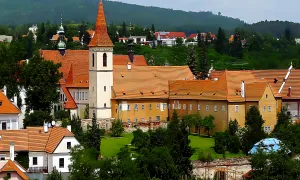
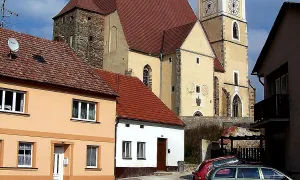
Photos from the area
Real photos taken near the monument


Zdroj a licence jsou uvedeny u každého snímku.
Tips from visitors
No tips yet. Be the first!
Log in and add your tip.
Sources and literature
Fotografie: Czeva / CC BY-SA 3.0, rozlišení zvýšeno umělou inteligencí — Wikimedia Commons. The author and licence also appear when you hover over the image.
Faktickým podkladem tohoto textu byl článek na Wikipedii, jehož autory jsou přispěvatelé Wikipedie. Článek je dostupný pod licencí CC BY-SA 4.0.
Location on the map

Příběhy a pověsti
Legendy, pověsti a příběhy spjaté s touto památkou
Fotografie návštěvníků
Zatím žádné fotografie. Buďte první, kdo přidá fotografii z návštěvy!
Přihlaste se a přidejte svou fotografii nebo hodnoťte.
Za ověřenou návštěvu v aplikaci získáte víc bodů — poznáme podle GPS, že jste na místě.
Reviews and comments