






Husův sbor v Brně-Králově Poli Church
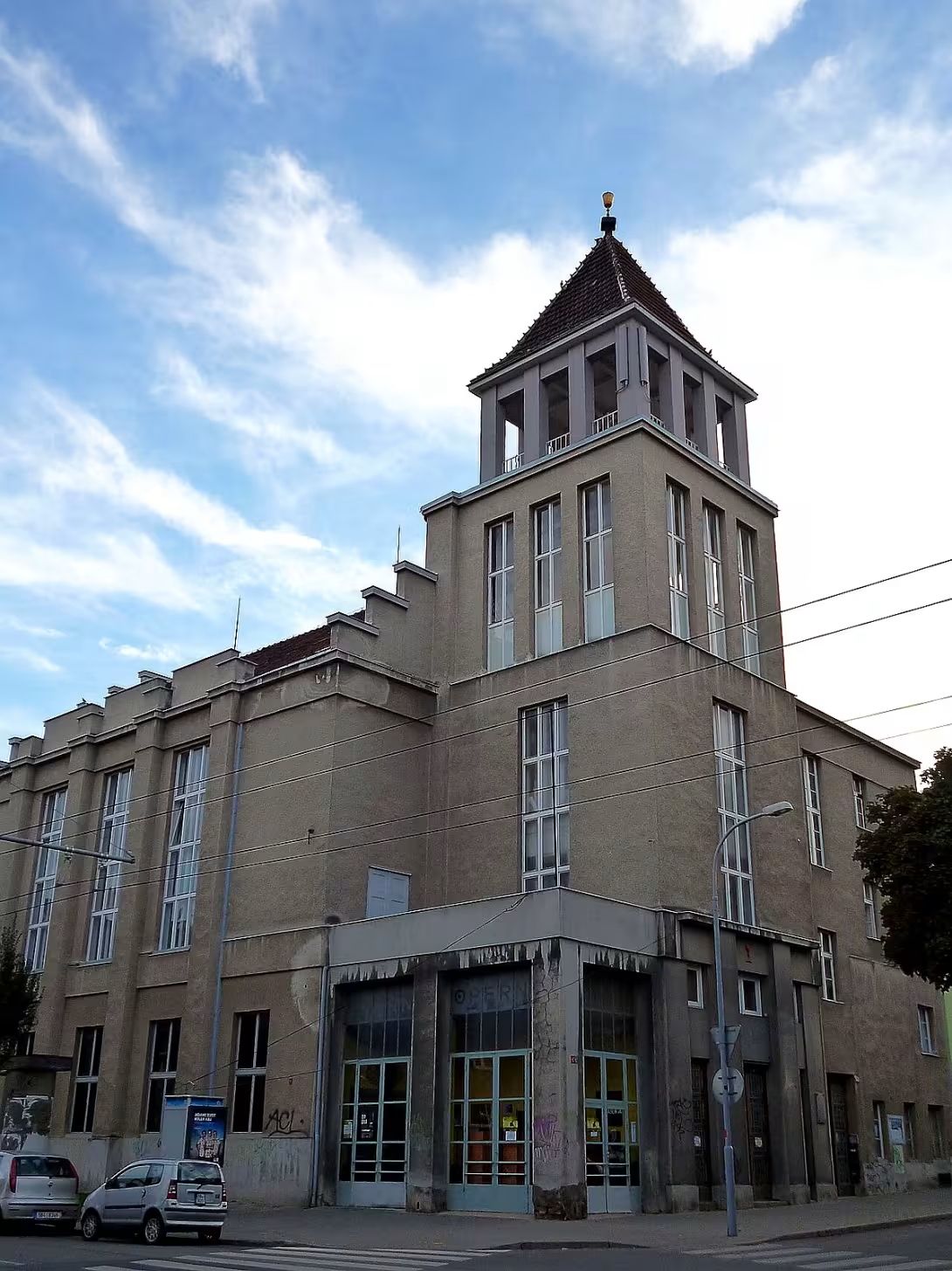
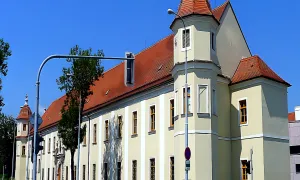
Husův sbor in Brno-Královo Pole is a notable functionalist church located at the intersection of Svatopluka Čecha and Charvatská streets in the Královo Pole district of Brno. Constructed between 1924 and 1925, this architectural gem was designed by Josef Novák to serve as a hub for the newly established Hussite Church community in the area. Its significance is underscored not only by its unique design but also by its listing as a cultural monument of the Czech Republic.
The origins of Husův sbor are rooted in the early 20th century, a period marked by significant cultural and political shifts following the establishment of Czechoslovakia in 1918. During this time, modernist architectural styles such as functionalism gained prominence. The decision to build Husův sbor was made in 1924, reflecting the community's desire for a dedicated space for worship and gathering. An architectural competition held later that year led to the selection of Josef Novák’s design, which was rapidly constructed by the firm Grüm and Dejmek.
Architecturally, Husův sbor exemplifies functionalism with its streamlined form and practical layout. The building features a prominent tower equipped with stairs, adding both aesthetic appeal and functionality. Inside, it houses two distinct halls: a ground-floor theater hall and an upper-level worship space devoid of a choir loft but elevated on several steps to accommodate the altar. This design choice reflects the modernist emphasis on simplicity and utility.
The church's history is marked by notable events and figures. Its official opening took place on October 25, 1925, attended by prominent religious leaders such as Patriarch Karel Farský and Bishop Josef Rostislav Stejskal. Over the years, Husův sbor has served multiple purposes beyond its original function. Since 1994, it has housed Barka, a barrier-free theater located in the ground-floor hall, further enhancing its role as a community center.
Today, Husův sbor continues to be an active site for worship and cultural activities. It is utilized by both the Hussite Church and the Evangelical Church of the Augsburg Confession in Brno, demonstrating its enduring relevance and adaptability. Visitors can appreciate not only its architectural significance but also its vibrant role within the community.
Husův sbor stands as a testament to early 20th-century modernist architecture and the cultural dynamism of its time. Its historical importance and multifaceted use make it a compelling destination for those interested in both religious history and architectural innovation. A visit to this monument offers a unique glimpse into the past while showcasing its ongoing contribution to contemporary community life.
Then and now
Drag the slider to compare how the landmark may have looked when it was built with the view today.
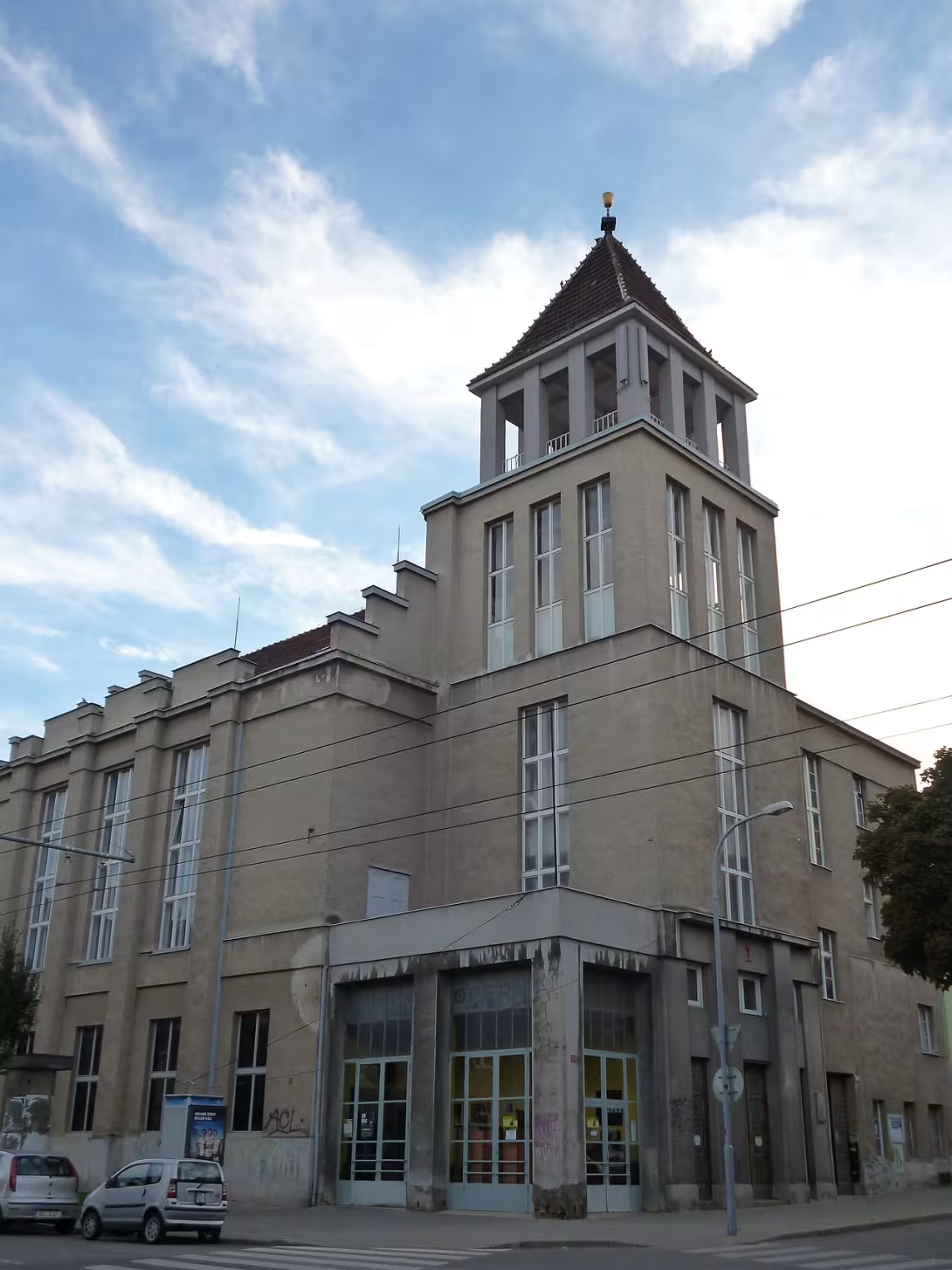
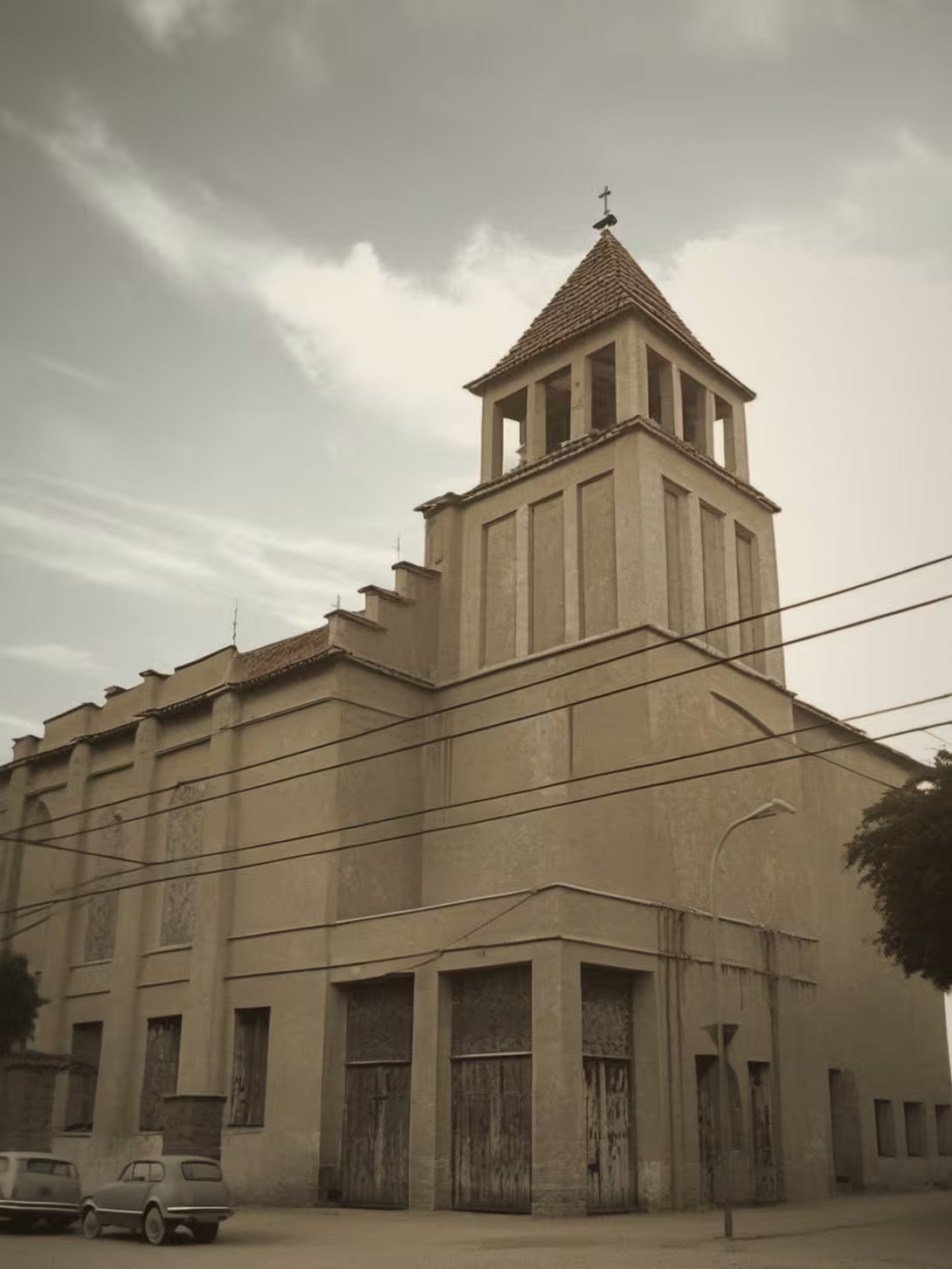
The historical appearance on the left is an AI-generated visualisation and serves as inspiration only.
Historical milestones
- 1925
- Official opening of Husův sbor with attendance from Patriarch Karel Farský and Bishop Josef Rostislav Stejskal
Architectural development
The construction of Husův sbor was completed rapidly by the firm Grüm and Dejmek, following an architectural competition in late 1924. The building is characterized by its functionalist style, featuring a large tower and two distinct halls for different purposes. Its design reflects the modernist trends of the early 20th century.
Historical events
1924 - Decision to build Husův sbor in Královo Pole
1925 - Architectural competition held and Josef Novák's design selected
25 October 1925 - Official opening of Husův sbor with notable figures present
Points of interest
- Despite its modernist design, Husův sbor was built during a time of cultural and political transformation following the establishment of Czechoslovakia in 1918, reflecting broader shifts in society.
- The church's ground-floor theater hall has been home to Barka, a barrier-free theater since 1994, showcasing its adaptability and ongoing contribution to community life beyond religious functions.
- Architect Josef Novák’s design for Husův sbor was chosen through an architectural competition held in 1924, highlighting the importance of modernist architecture during this period.
- The church's upper-level worship space is notably devoid of a choir loft, emphasizing the functionalist principle of simplicity and utility by elevating the altar on several steps instead.
- Patriarch Karel Farský and Bishop Josef Rostislav Stejskal were among the prominent figures who attended Husův sbor’s official opening in 1925, underscoring its significance within religious communities.
Guide
This guide is narrated by a synthetic voice generated by artificial intelligence.
Show guide text
This text was created by artificial intelligence and has not been editorially reviewed. It may contain inaccuracies.
Welcome to Husův sbor in Brně-Králově Poli! As you stand here in the Královo Pole district of Brno, take a moment to soak in the unique atmosphere surrounding this remarkable building. Designed by Josef Novák and constructed between 1924 and 1925, this functionalist church is not just an architectural marvel but also a testament to cultural transformation.
Let's delve into its origins and historical context. After Czechoslovakia was established in 1918, there was a significant push for new communities and identities. In this spirit of renewal, Husův sbor was built as part of efforts to establish a Hussite Church community in the area. This period marked a time of cultural and political transformation, and the church reflects these broader societal shifts with its modernist design.
Now, take a moment to appreciate the architecture itself. As you look at the building, notice the prominent tower that rises above the landscape. The structure is simple yet striking, featuring two halls: a ground-floor theater hall and an upper-level worship space. This dual-purpose design has served the community well over the years.
Key figures associated with this site include Patriarch Karel Farský and Bishop Josef Rostislav Stejskal, who were present at its official opening in 1925. Their involvement underscores the church's significance as a spiritual and cultural hub during its early days.
An intriguing aspect of Husův sbor is its ground-floor theater hall, which has been home to Barka, a barrier-free theater since 1994. This adaptation highlights the building’s ongoing role in fostering community engagement and inclusivity.
As you continue exploring this site, I invite you to ponder how architecture can reflect and influence societal changes. Husův sbor is not just a place of worship but also a symbol of resilience and adaptability through the decades.
Thank you for joining me on this brief journey through history and architecture. I encourage you to explore further and discover more about what makes Husův sbor so special in Brno's rich tapestry of cultural landmarks. Safe travels as you continue your exploration!
Tips for visitors
The best time to visit Husův sbor v Brně-Králově Poli is during the late spring or early autumn months, when the weather is pleasant for walking and exploring the surrounding area of Královo Pole. The functionalist architecture of the church can be appreciated in good natural light without the harsh summer sun or cold winter conditions. Additionally, visiting outside of peak tourist seasons may offer a more peaceful experience.
It's recommended to check current transportation options online or through local transit apps for the most efficient route.
When visiting Husův sbor v Brně-Králově Poli, it is advisable to bring comfortable walking shoes as you may want to explore the area around the church. A camera or smartphone with a good camera can help capture the unique architectural details of this functionalist building. Additionally, consider bringing water and sunscreen if visiting during warmer months.
For photography enthusiasts, the best spots for capturing Husův sbor v Brně-Králově Poli are from the front where the church's distinctive facade is fully visible, or from a slight angle to include surrounding greenery in the composition. Early morning light can provide soft illumination that enhances the architectural features of the building.
Nearby attractions within 30 minutes include the Botanical Garden and Arboretum in Brno, which offers beautiful landscapes perfect for a leisurely walk. For those interested in art, the Moravian Gallery at Brno Castle is also accessible and provides insight into regional artistic heritage.
Frequently asked questions
Can the monument be visited?
Religious buildings are usually open mainly during services; at other times a visit is normally arranged with the parish or the operator. We have not verified specific times.
Where is the monument?
Location: Královo Pole, Jihomoravský kraj. The map on this page shows the exact spot.
Why is the monument protected?
It is listed in the Central List of Cultural Monuments of the Czech Republic as a cultural monument (register no. 1000161696_0001).
Businesses nearby
Do you run a restaurant, accommodation, shop, museum, rental, wellness or other visitor service near this monument? Show yourself directly to the people heading to it — this is how they will see you in the app and on the web:
Events nearby


Zdroj akcí: otevřená data měst a obcí ČR (Národní katalog otevřených dat) a kalendář akcí Národního památkového ústavu.
Accommodation nearby
Trips and activities nearby
Guided tours, tickets and activities nearby from GetYourGuide
Affiliate link: if you buy from the partner, we may receive a commission. The price for you does not change.
Search tours and activities →Themed route
Thematic Walking Tour: Husův sbor and Surroundings
1. Husův sbor v Brně-Králově Poli (Church)
Type: Historical Church
Why Visit: Begin your journey at the iconic Husův sbor, a stunning example of Neo-Gothic architecture in Královo Pole. This church is not only an architectural marvel but also a significant cultural and historical site, reflecting the rich heritage of the region.
2. Královopolské náměstí (Square)
Type: Public Square
Why Visit: Located just a short walk from Husův sbor, Královopolské náměstí offers a serene spot to relax and reflect on the architectural beauty you've witnessed. The square is surrounded by charming buildings that echo the historical essence of Brno-Královo Pole.
3. Kostel svaté Anny (Church of St. Anne)
Type: Historical Church
Why Visit: A brief stroll from Královopolské náměstí leads you to Kostel svaté Anny, another architectural gem in the area. This church provides insight into the religious and cultural history that has shaped this part of Brno over centuries.
4. Mikulášský kostel (Church of St. Nicholas)
Type: Historical Church
Why Visit: Continue your exploration to Mikulášský kostel, known for its unique architectural style and historical significance. This church offers a glimpse into the spiritual life and artistic expressions prevalent in Brno-Královo Pole throughout history.
5. Husův sbor - Interior Exploration
Type: Church Interior
Why Visit: Conclude your tour by revisiting Husův sbor, this time exploring its interior. Discover the intricate details of its design and the historical artifacts housed within, providing a deeper understanding of its cultural importance.
This thematic route offers a comprehensive exploration of Brno-Královo Pole's architectural and historical landmarks, ensuring an enriching experience for visitors interested in the region's heritage.
Seasonal recommendations
Spring: Visiting Husův sbor v Brně-Králově Poli during spring offers a unique experience as the blossoming nature envelops the historic site in vibrant colors and fresh scents. The soft, natural light of early mornings or late afternoons enhances the architectural details of the church, creating an ethereal atmosphere perfect for photography enthusiasts. As the weather becomes milder, it's advisable to wear layers that can be adjusted throughout the day. While spring is generally less crowded than summer months, arriving early in the morning ensures a more peaceful visit before larger groups gather.
Summer: The summer season at Husův sbor v Brně-Králově Poli is characterized by long daylight hours and warm temperatures, making it ideal for exploring the church's intricate details. The lush greenery surrounding the site adds to its serene ambiance, while occasional open-air events or performances might take place nearby, enhancing the cultural experience. Due to increased tourist activity during this peak season, visitors are encouraged to arrive early in the morning to avoid crowds and ensure ample time to appreciate the site. Comfortable walking shoes and light clothing are recommended, along with sun protection.
Autumn: Autumn at Husův sbor v Brně-Králově Poli is a picturesque period when the surrounding landscape transforms into shades of gold and amber. The softer lighting conditions during this season provide an ideal backdrop for capturing the church's historic charm without the harsh glare of summer sun. As temperatures begin to cool, it’s wise to bring along a light jacket or sweater. While autumn may see fewer visitors than summer, it remains a popular time for local cultural events and festivals, so checking ahead for any special activities can enrich your visit.
Winter: Visiting Husův sbor v Brně-Králově Poli in winter offers a serene experience as the site is often quieter with snow-covered surroundings adding to its tranquil beauty. The church's architecture stands out starkly against the snowy landscape, and if you're lucky, the soft glow of lights can enhance the mystical atmosphere during early evening visits. Due to shorter daylight hours and potential closures or reduced opening times in winter months, it’s best to check ahead for current visiting hours. Dress warmly with layers, including a hat and gloves, and consider bringing an umbrella in case of snowfall.
Visualizations and artistic views


The visualisations are generated by artificial intelligence and serve as inspiration.
Photos from the area
Real photos taken near the monument


Zdroj a licence jsou uvedeny u každého snímku.
Tips from visitors
No tips yet. Be the first!
Log in and add your tip.
Sources and literature
Photos: Henta / CC BY-SA 3.0 — Wikimedia Commons. The author and licence also appear when you hover over the image.
Faktickým podkladem tohoto textu byl článek na Wikipedii, jehož autory jsou přispěvatelé Wikipedie. Článek je dostupný pod licencí CC BY-SA 4.0.
Location on the map


Příběhy a pověsti
Legendy, pověsti a příběhy spjaté s touto památkou
Příběh: Husův sbor v Brně-Králově Poli
Bylo to v pondělí ráno, kdy Jan Kudelka, obchodník z Králova Pole, se pustil po chladném betonovém povrchu kolem Husův sboru s váženými svaly a horkou hlavou…
Číst příběh
Pověst: Husův sbor v Brně-Králově Poli
Staří obyvatelé Králova Pole vyprávějí, že Husův sbor nevznikl pouhou lidskou pílí a stavebními plány, ale z jakési neochvějné touhy, která se v tomto místě …
Číst příběhFotografie návštěvníků
Zatím žádné fotografie. Buďte první, kdo přidá fotografii z návštěvy!
Log in a přidejte svou fotografii nebo hodnoťte.
Za ověřenou návštěvu v aplikaci získáte víc bodů — poznáme podle GPS, že jste na místě.
Reviews and comments