






Semilasso Cultural centre
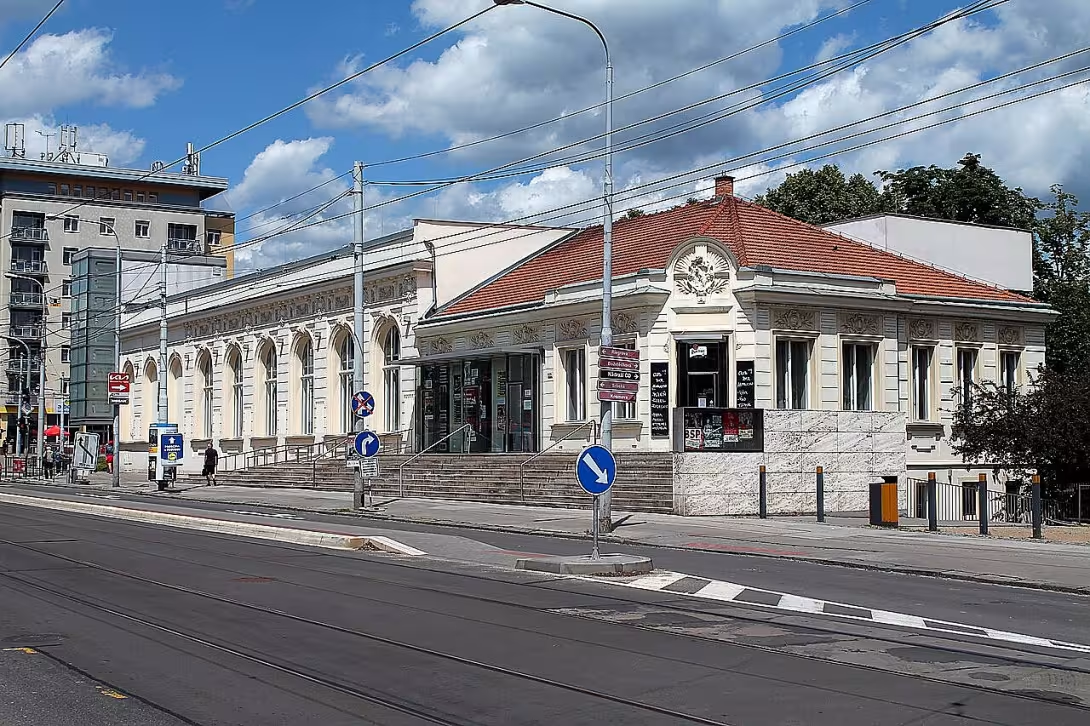
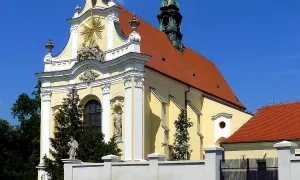
Semilasso is located in the street Palacký no. 126 in the Brno district Královo Pole, at a crossroads with Kosmová Street. The name of the centre is not random - it has deep European roots dating back to the 19th century and the personality of a prominent Prussian nobleman.
The beginnings date back to the first half of the 19th century, when at the imperial road leading from Brno to Svitavy, Morgenstern's touring inn was established on the edge of the village of Ugartov. The construction was part of the Schaffgotsch estate. In the 1930s, the Prussian prince Hermann von Pückler-Muskau, the park maker and traveller who created the pseudonym Semilasso - the name derived from the French motto "Tout casse, tout passe, tout lasse" (everything breaks, everything passes, everything gets tired) meant "half rested." A year later, he created the pseudonym of Tutolasso from this experience. In 1836, the prince completed his travel document Semilasso in Africa, which became a period-reading hit and contained a fictional hero of the same name. The owner of the inn named the inn Zum Semilasso - At Semilassa - and became a local legend. The original inn developed into the cultural centre of Králová Pole, where social events took place in the decorated hall.
In 1869 the line of Brno horse-drawn trams ended here and it was built in the yard of the inn by one of three roads, but it only used it in an era of traction power. In 1900, the line was electrified. At the turn of the 19th and 20th centuries he grew up near a new cultural house in the style of historic eclectic architecture. The new building had a large hall, restaurant and garden. Since 1904 it was rented by the Royal Polish Workers' Association and the building was known as the Workers' House.
After World War II, the building was used for its purposes by the Královopolská engineering plant, subsequently managed by the District Cultural and Educational Centre Brno V. During the second half of the 20th century, the building underwent various reconstructions, especially poor court construction in the 1980s, leaving the original building a street wall with a facade. In 1999, the commemorative album of actor Karl Högra, who began his acting career, was revealed on Semilassu.
The last chapter was written by extensive reconstruction from 2002- 2003 according to the design of the architectural studio RAW. The restaurant and social hall were supplemented by a corner two-storey café with a glass tower, which became a new dominant feature of the building. The original inn on the adjacent parcel, dating back to the second half of the 18th century, was demolished in spring 2006. In his place he grew up in 2007-2009 apartment house Nové Semilasso. Semilasso itself has since been the property of Brno; it has been operated since 2004 by a private company Glanc.
Semilasso therefore represents a unique layer of European cultural history - the place where Central European nobility met Czech society, where it was a tram node and a working meeting. Visiting the centre allows you to feel the passage of historical epoch from the era of horse trams to current cultural traffic.
Then and now
Drag the slider to compare how the landmark may have looked when it was built with the view today.
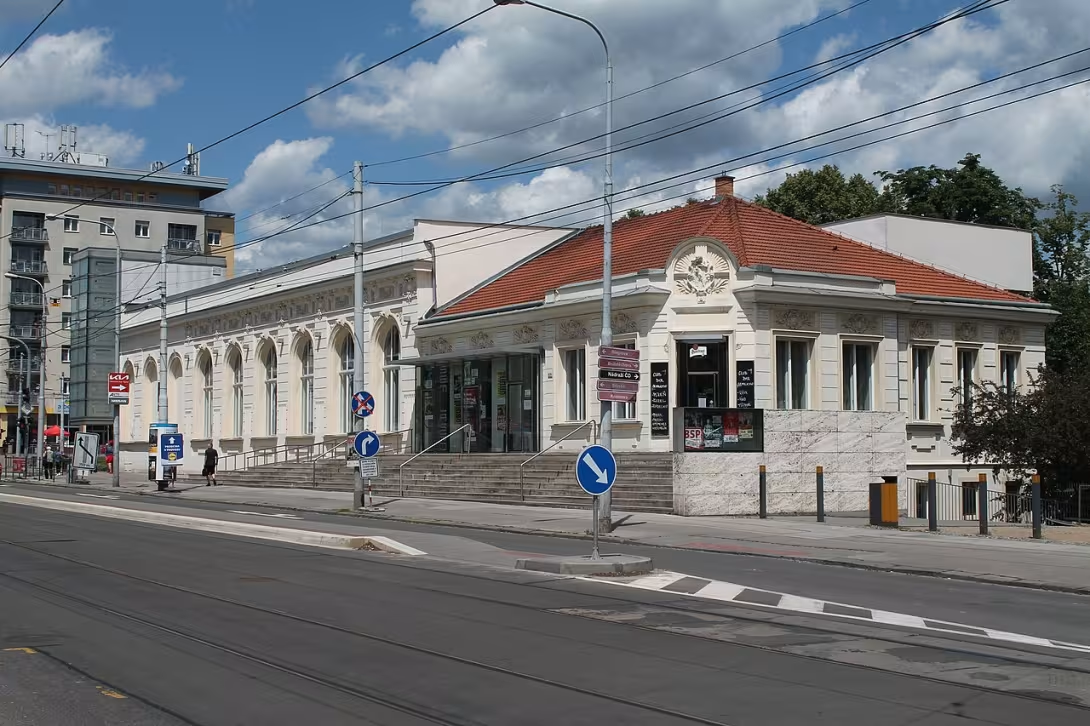

The historical appearance on the left is an AI-generated visualisation and serves as inspiration only.
Historical milestones
- 1836
- Completion of travel documents Semilasso in Africa
- 1999
- Unveiling the memorial album Karl Högra
Architectural development
The original inn from the first half of the 19th century was converted into a cultural house in the style of historic eclectic architecture at the turn of the 19th and 20th centuries. Several reconstructions took place in the second half of the 20th century, including insensitive yard rebuilding in the 1980s. After reconstruction in 2002- 2003, the building was completed with a new coffee shop with a glass tower.
Historical events
Renaissance reconstruction of the building in 16th century
Points of interest
- Semilasso has deep European roots dating back to the 19th century and is associated with the personality of Prussian nobleman Hermann von Pückler-Muskau.
- Prince Hermann von Pückler-Muskau created the pseudonym Semilasso, meaning "half rested," and wrote a travel book with a fictional hero of the same name.
- The Zum Semilasso inn developed into the cultural centre of the King's Pole, where social events took place in the decorated hall.
- In 1999, a commemorative record of the actor Karl Högro, who began his acting career here, was revealed on Semilassu.
- The extensive reconstruction in the years 2002- 2003 added a corner two-storey café with a glass tower, which became a new dominant feature of the building.
Guide
This guide is narrated by a synthetic voice generated by artificial intelligence.
Show guide text
This text was created by artificial intelligence and has not been editorially reviewed. It may contain inaccuracies.
Welcome to Semilassu, a cultural centre located on the quiet street of Králová Pole in Brno. You are now facing a fascinating historical object that offers an interesting journey into the past. In front of you you have an elegant building with a rich history dating back to the first half of the 19th century. Her walls keep stories waiting to be published.
Semilasso first appeared as Morgenstern Ticket. In 1836 Prince Hermann von Pückler-Muskau completed his travel document "Semilasso in Africa," which laid the foundations for what would become a cultural centre full of historical layers. Prince Hermann, a Prussian nobleman known for his enthusiasm for landscape design and literature, created the pseudonym Semilasso, meaning "half rested." This name was not only the basis of his travel, but also a symbol of the place that became a cultural centre.
Let's take a look at Semilassa architecture. Although the specific details of their creators are unknown, the building itself is an attractive testament to the past. Note the elegant facade and atmosphere that hits you immediately. Each stone tells its own story of the changes that this inn has been through over the years.
Key personalities associated with this place are an essential part of its history. Hermann von Pückler-Muskau was a key element that brought Semilasso to the map of cultural institutions. His connection to the site is proof of his influential role in literature and landscape design.
One of the interesting things you should notice is the commemorative record of Karl Högro revealed in 1999. This detail adds another layer to Semilassa's rich history and celebrates its continuous influence on the cultural scene.
Now that you've learned about the origin and spiritual heritage of Semilassa, it's time to explore the other angles of this fascinating place. Each corner offers new opportunities for discovery and inspiration. If you liked what you heard, don't hesitate to explore more of this historic center.
Thank you for your visit to Semilassa. We hope your arrival was as intriguing as the local stories themselves. With God for other discoveries in King Pole!
Tips for visitors
The best time to visit Semilasso is in the summer months when various cultural events and festivals are held. The pleasant weather here contributes to the comfort during the tour of historic premises.
The location is well accessible by buses and trams that pass through here.
In addition to the warm clothes to visit Semilasso take a suitable handbag or coat pocket because the inner spaces can be cold. If your visit is part of a family day, make sure you bring toys or children's books.
Photography in Semilasso offers many possibilities. The best light is usually at noon, when the sun lights up the interiors while capturing the details of architecture. For best views, try shooting from the balcony wall or from the window facing north.
In the vicinity of Semilasso, in the area of Králová Pole, it is possible to visit several interesting places. The distance of 30 minutes allows you to explore, for example, the Museum of the City of Brno or to enjoy green spaces in the park Špilberk.
Frequently asked questions
Can the monument be visited?
We have not verified whether this monument is accessible. Please ask the owner or operator, or the local municipal office. According to the heritage register restoration is under way, so access may be restricted.
Where is the monument?
Location: Královo Pole, Jihomoravský kraj. The map on this page shows the exact spot.
For kids
Imagine going back to the past, when Brno was a young town. Imagine the gate opening up outside the center and seeing the old castle Semilasso.
How did it look here? Who lived here? What happened here? You turned around and saw that there were trees that were as tall as houses. People lived in small houses made of stone and wood. Semilasso was then the seat of the rake that ruled this part of Moravia.
What happened here? You turned around and saw that there was a big meadow where fun events and markets took place. People gathered to discuss their mines and territories.
Businesses nearby
Do you run a restaurant, accommodation, shop, museum, rental, wellness or other visitor service near this monument? Show yourself directly to the people heading to it — this is how they will see you in the app and on the web:
Events nearby


Zdroj akcí: otevřená data měst a obcí ČR (Národní katalog otevřených dat) a kalendář akcí Národního památkového ústavu.
Nearby
The surrounding landscape consists of an urban development and a park.
Accommodation nearby
Trips and activities nearby
Guided tours, tickets and activities nearby from GetYourGuide
Affiliate link: if you buy from the partner, we may receive a commission. The price for you does not change.
Search tours and activities →Themed route
Thematic cruise route around Semilasso
1. Semilasso (cultural centre) * Type: * Cultural landmark * Why is worth a visit: * Semilasso is a unique architectural monument that combines modern design with historical elements. It is a place full of creative events and exhibitions that offer visitors a view of contemporary artistic trends.
2. Královo Pole - historical center * Type: * City center with historical buildings * Why is it worth visiting: * Královo Pole, as part of the Brno-city, offers beautiful streets and ancient houses. It is an ideal place for walking with opportunities to learn local history and architecture.
3. Královo Pole - castle park * Type: * Park green * Why is it worth a visit: * Castle Park in the Royal Poli is a quiet haven for relaxation and a view of natural beauty. It is an ideal place for a picnic or for a moment of rest after exploring cultural monuments.
4. Královo Pole - Church of St. Nicholas * Type: * Religious construction * Why is it worth visiting: * St. Nicholas Church is an important historical monument with a rich architecture. Its interior and artistic features attract visitors who are interested in spiritual and cultural heritage.
5. Královo Pole - Market * Type: * Market * Why is it worth visiting: * The local market in Royal Poli offers a wide range of local products and food. It is a great way to explore regional gastronomy and support the local economy.
This route allows you to know the cultural wealth of the King's Field and its surroundings with a visit to the unique Semilasso site.
Seasonal recommendations
Spring: In the spring period Semilasso in King Poli is fertilized by flowering gardens that bring a lively and colorful atmosphere. The sunlight illuminates the reconstructed structures, creating ideal conditions for photography. Visitors can expect mild visitors, so it is advisable to visit an early afternoon when nature appears in the best light. It is recommended to wear comfortable shoes and light clothes that allow a comfortable walk between beautiful flower sets.
Summer: Summer brings a lively atmosphere full of tourists and morning sunlight that illuminates historical structures. In the main summer season it is recommended to visit the memory early in the morning or evening to avoid heat and crowds. Days can be long and sunny, so it is advisable to take protective clothing against UV radiation and plenty of drinking water. Visitors should choose comfortable shoes for long walks under sunlight.
Autumn: In autumn Semilasso is surrounded by colorful leaves that add magic and quiet atmosphere. The sun illuminates structures in soft golden light, creating ideal conditions for photography. Visitors should expect mild visitors and enjoy a peaceful experience. It is recommended to wear warmer clothes because autumn weather can be cold morning and evening, but sunny afternoons offer comfortable visits.
Winter: Winter brings a quiet atmosphere to Semilasso with less visiting and quiet experience. The sunlight illuminates the structures in soft, winter light, which is ideal for relaxing walks. Visitors should expect shorter opening times of the sights and it is recommended to wear warm clothes, including leather shoes or hats to protect against cold. Visiting early in the afternoon provides full lighting and experience without the risk of weather.
Visualizations and artistic views


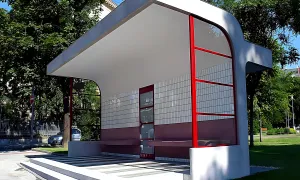
The visualisations are generated by artificial intelligence and serve as inspiration.
Photos from the area
Real photos taken near the monument


Zdroj a licence jsou uvedeny u každého snímku.
Atmosphere of the place
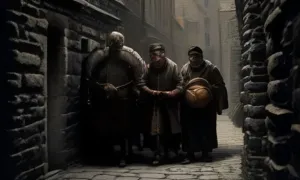
This atmospheric visualisation of the place and period was generated by artificial intelligence. It is not real footage of the location.
Tips from visitors
No tips yet. Be the first!
Log in and add your tip.
Sources and literature
Photos: Harold / CC BY-SA 4.0 — Wikimedia Commons. The author and licence also appear when you hover over the image.
Faktickým podkladem tohoto textu byl článek na Wikipedii, jehož autory jsou přispěvatelé Wikipedie. Článek je dostupný pod licencí CC BY-SA 4.0.
Location on the map


Příběhy a pověsti
Legendy, pověsti a příběhy spjaté s touto památkou
Fotografie návštěvníků
Zatím žádné fotografie. Buďte první, kdo přidá fotografii z návštěvy!
Log in a přidejte svou fotografii nebo hodnoťte.
Za ověřenou návštěvu v aplikaci získáte víc bodů — poznáme podle GPS, že jste na místě.
Reviews and comments