






Jaruškův dům House
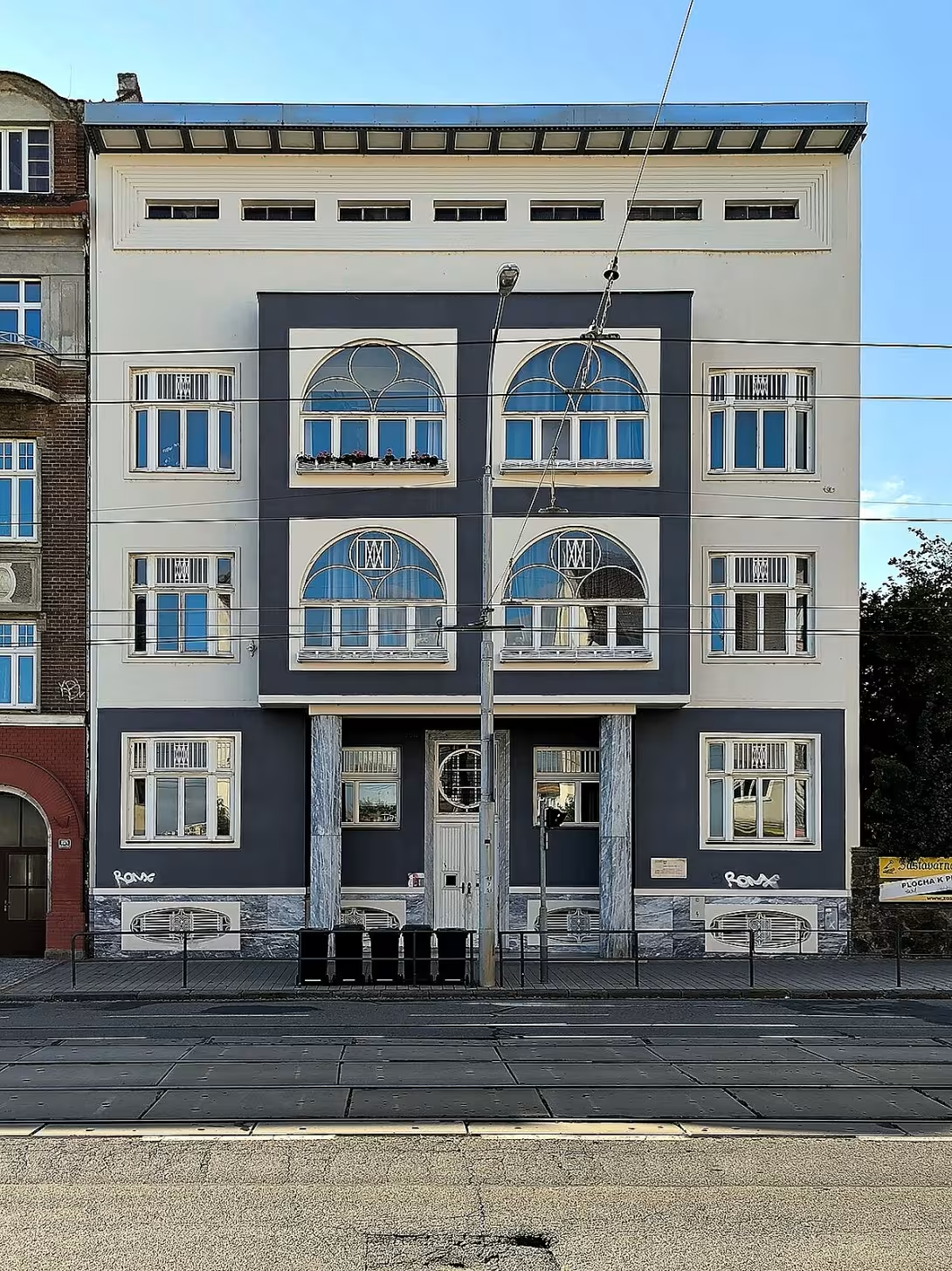
Jaruškův dům is a significant example of Czech architectural modernism in Královo Pole, Brno. Designed by Josef Gočár between 1909 and 1910 for Karel Jarušek, this building features innovative design elements such as reinforced concrete and distinctive facade treatments with black opaxite cladding. It marks the transition towards modernism in Czech architecture during the early 20th century.
The origins of Jaruškův dům are rooted in Bohemia's cultural flourishing at the turn of the century, a period marked by architectural experimentation. Josef Gočár, an influential figure in Czech modernist architecture, designed this building for Karel Jarušek, a socially active businessman who moved from Prague to Brno and purchased land on Palackého třída 65. The project reflects the era's shift towards new architectural principles by incorporating elements of Art Nouveau with emerging modernist ideas.
Architecturally, Jaruškův dům is characterized by its early modernist style. It features a three-wing layout with an entrance hall and a two-wheeled staircase at the back. The facade stands out for its artistic treatment: it has four window axes highlighted by a rectangular arch supported by polygonal pillars. Originally planned to have dual-color cladding, only black opaxite was used for the arches and base, while marmoreal elements were employed for columns, pilasters, and plinth bases. The building also incorporated reinforced concrete as an innovative material at the time.
Throughout its history, Jaruškův dům has been associated with significant figures such as Josef Gočár and Karel Jarušek. In 1988, it was listed as a cultural monument, recognizing its architectural importance. The facade features geometrically divided windows and renaissance motifs that echo Gočár's broader style, including elements reminiscent of designs for other projects like the salon of Dr. Julius Grégr.
Jaruškův dům has also found a place in contemporary culture. It served as the setting for Lenka Lagronová’s play "Chytání Vídně," which premiered at Národní divadlo Brno in June 2022, highlighting its cultural significance and connection to local history.
Today, Jaruškův dům remains a testament to early modernist architecture. Although some original elements like the black opaxite cladding have deteriorated over time, it continues to be an important cultural monument. Visitors can appreciate its architectural innovation and historical context, making it a worthwhile destination for those interested in Czech architectural history.
Jaruškův dům offers a unique glimpse into the evolution of modernist architecture in the Czech Republic. Its blend of innovative design and historical significance makes it a must-visit site for anyone exploring Brno's rich cultural heritage.
Then and now
Drag the slider to compare how the landmark may have looked when it was built with the view today.
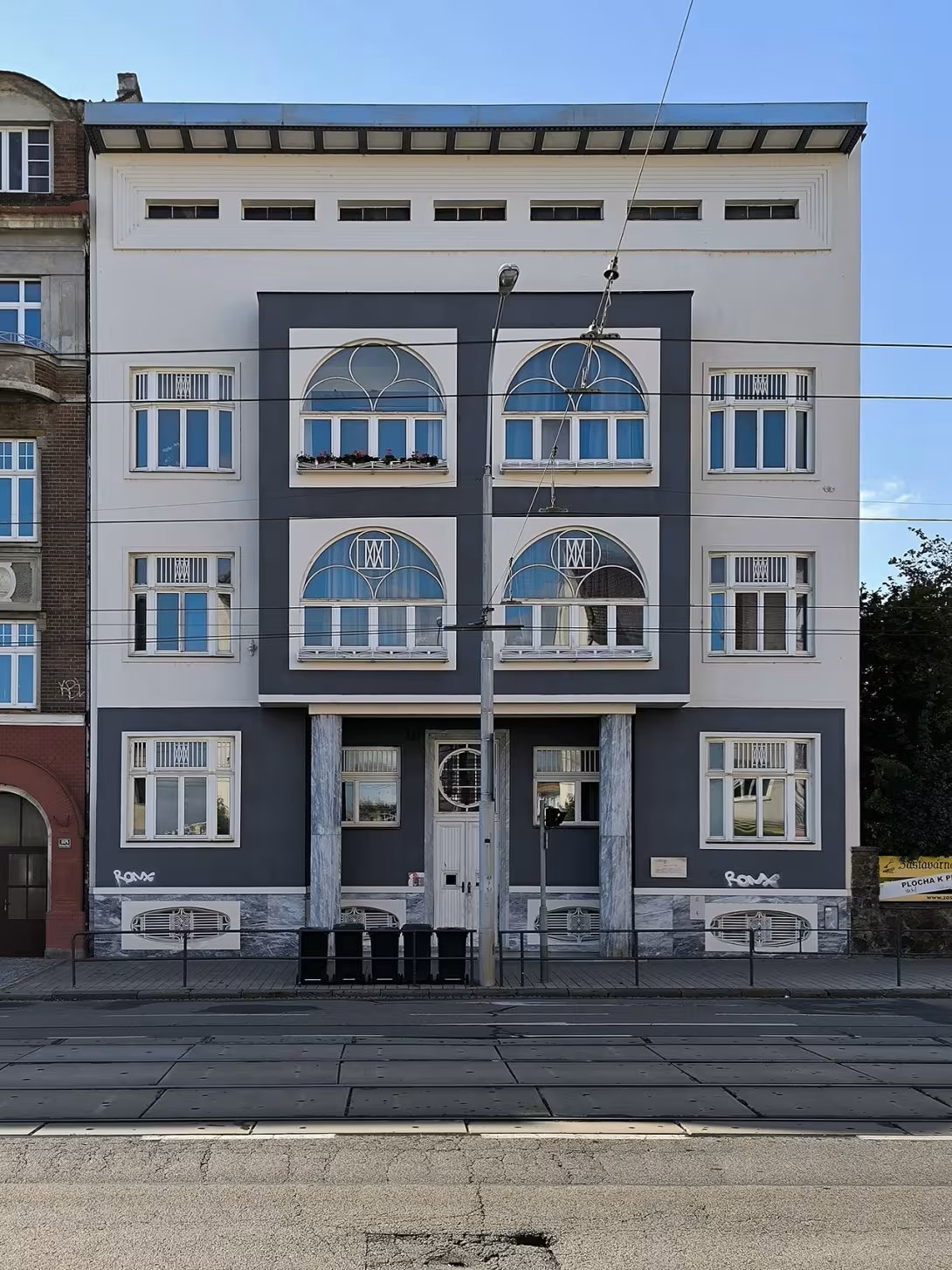

The historical appearance on the left is an AI-generated visualisation and serves as inspiration only.
Historical milestones
- 1988
- The building was listed as a cultural monument.
Architectural development
Jaruškův dům is characterized by its early modernist style, with a three-wing layout and an entrance hall. Its facade features four window axes highlighted by a rectangular arch supported by polygonal pillars. Originally planned to have dual-color cladding, only the black opaxite was used for the arches and base. The building also incorporated reinforced concrete as a novel material at the time.
Historical events
1909-1910: Construction of Jaruškův dům completed under Josef Gočár's design.
1988: The building was listed as a cultural monument.
Points of interest
- Jaruškův dům was originally intended to have dual-color cladding, but due to budget constraints or other reasons, only black opaxite was used for the arches and base. This decision highlights the practical challenges faced during its construction despite its innovative design.
- The building's use of reinforced concrete was a pioneering choice at the time, reflecting Josef Gočár’s forward-thinking approach to architecture. This material choice contributed significantly to the structural integrity and modern aesthetic that defined early 20th-century Czech modernism.
- In 1988, Jaruškův dům was officially recognized as a cultural monument, underscoring its architectural significance and preserving it for future generations. This designation reflects both its historical importance and its role in showcasing the transition towards modernist architecture in the region.
- The facade of Jaruškův dům features geometrically divided windows and renaissance motifs that echo Gočár’s broader style, including elements reminiscent of designs for other projects like the salon of Dr. Julius Grégr. This connection illustrates how Gočár's architectural ideas were consistently applied across his works.
- In June 2022, Jaruškův dům served as a setting for Lenka Lagronová’s play "Chytání Vídně," premiering at Národní divadlo Brno. This event highlights the building's ongoing cultural relevance and its ability to inspire contemporary artistic endeavors connected to local history.
Guide
This guide is narrated by a synthetic voice generated by artificial intelligence.
Show guide text
This text was created by artificial intelligence and has not been editorially reviewed. It may contain inaccuracies.
Jarušek House is a rental building in Královo Pole, today a part of Brno. It was built in the years nineteen oh nine to nineteen ten according to a design by architect Josef Gočár, an important figure in Czech modern architecture. It belongs among the leading works of Czech architectural modernism and has been on the list of cultural monuments at least since nineteen eighty eight. It stands on Palackého street, number one thousand one hundred forty three, orientation number sixty five.
The construction was commissioned by Karel Jarušek, the director of the administration of Lidové noviny at that time. He was a socially very active businessman who moved from Prague to Brno in nineteen oh one. He chaired Královo Pole's Sokol, and it was from them that he purchased the land on Palackého avenue, where the house previously had number twenty four. Gočár completed the design on the twenty fifth of August nineteen oh nine, and the following year the building was finished.
The house belongs to the early period of Gočár's work. The interior layout corresponds to the customs of that time. It is three tract, with an entrance hall in the middle and a two armed staircase at the back. Much more interesting is the facade. The main front has four window axes and is emphasized by a rectangular bay window on two polygonal pillars. At the top the front culminates in a pronounced crown cornice.
Gočár originally designed two color cladding, a black bay window and a white ground floor. In the end, however, both the bay window and ground floor received black tiles made of opaxit. Marble was used on the columns, jambs and bases of the pedestals. The outer windows of the bay window are geometrically divided. Directly in the bay window are arched windows with the motif of a doubled arcade with a medallion. The same renaissance motif appears in the division of the glazed secretary doors from the salon of doctor Julius Grégr, for whom Gočár was designing an interior. The use of reinforced concrete was also a novelty.
The original appearance of the house has not been entirely preserved. The black opaxit cladding has disappeared and the marble cladding of the columns and base is slowly disappearing as well. The front has furthermore been marked by insensitive window replacement.
In June twenty twenty two the house became the setting for the play Chytání Vídně, which premiered at the National Theatre Brno. It was written by playwright Lenka Lagronová, who spent part of her life in Jarušek House.
Frequently asked questions
Can the monument be visited?
This is a residential or farm building, not a museum with opening hours. Please view it from public space and respect the owners' privacy. We have no information about access to the interior.
Where is the monument?
Location: Královo Pole, Jihomoravský kraj. The map on this page shows the exact spot.
Why is the monument protected?
It is listed in the Central List of Cultural Monuments of the Czech Republic as a cultural monument (register no. 1000128503).
Businesses nearby
Do you run a restaurant, accommodation, shop, museum, rental, wellness or other visitor service near this monument? Show yourself directly to the people heading to it — this is how they will see you in the app and on the web:
Events nearby


Zdroj akcí: otevřená data měst a obcí ČR (Národní katalog otevřených dat) a kalendář akcí Národního památkového ústavu.
Accommodation nearby
Trips and activities nearby
Guided tours, tickets and activities nearby from GetYourGuide
Affiliate link: if you buy from the partner, we may receive a commission. The price for you does not change.
Search tours and activities →Themed route
Trasa: Královo Pole - historické jádro
1. Jaruškův dům (hlavní cíl) - historical house that is worth visiting for its unique architectural design and as one of the few remaining examples of folk architecture in Králově Poli. 2. Kostel svatého Bartoloměje - baroque church that is worth visiting for its distinctive architecture and rich history. 3. Hradisko sv. Petra a Pavla - archaeological site that is worth visiting for its abundant historical and cultural heritage. 4. Zámek Královo Pole - baroque castle that is worth visiting for its unique architectural design and rich history.
Seasonal recommendations
Jaro: In the spring season, Jaruškův dům is surrounded by blooming trees and greenery, creating a pleasant atmosphere. The lighting is soft and warm, providing ideal conditions for touring. We recommend visiting the house early in the morning or late afternoon to avoid crowds of tourists. Don't forget to wear hiking boots and comfortable clothing so you can fully enjoy the beauty of the surroundings.
Léto: During the main summer season, Jaruškův dům is very popular, so it's best to arrive before 9:00 AM to avoid crowds. The lighting is bright and clear, allowing for a full tour of the interior. We recommend bringing water and snacks with you to relax in peace. Don't forget to wear sunglasses and protect yourself from the sun.
Podzim: In the autumn season, Jaruškův dům is surrounded by the colors of fall foliage, creating a unique atmosphere. The lighting is soft and warm, providing ideal conditions for touring. We recommend visiting the house in late afternoon or evening to avoid crowds. Don't forget to wear hiking boots and comfortable clothing so you can fully enjoy the beauty of the surroundings.
Zima: In the winter season, Jaruškův dům is enveloped in silence and tranquility. The lighting is soft and warm, providing ideal conditions for touring. We recommend visiting the house early in the morning or late afternoon to avoid crowds. Don't forget to wear hiking boots and warm clothing so you can fully enjoy the beauty of the house without worrying about the cold.
Visualizations and artistic views


The visualisations are generated by artificial intelligence and serve as inspiration.
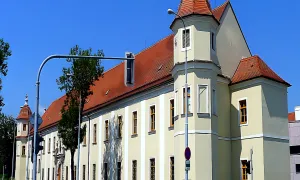
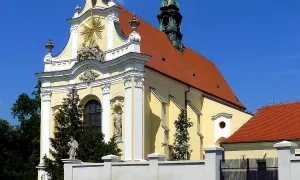
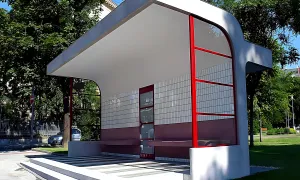
Photos from the area
Real photos taken near the monument


Zdroj a licence jsou uvedeny u každého snímku.
Atmosphere of the place
This atmospheric visualisation of the place and period was generated by artificial intelligence. It is not real footage of the location.
Tips from visitors
No tips yet. Be the first!
Log in and add your tip.
Sources and literature
Photos: Roman Mifek / CC BY-SA 4.0 — Wikimedia Commons. The author and licence also appear when you hover over the image.
Faktickým podkladem tohoto textu byl článek na Wikipedii, jehož autory jsou přispěvatelé Wikipedie. Článek je dostupný pod licencí CC BY-SA 4.0.
Location on the map

Příběhy a pověsti
Legendy, pověsti a příběhy spjaté s touto památkou
Fotografie návštěvníků
Zatím žádné fotografie. Buďte první, kdo přidá fotografii z návštěvy!
Log in a přidejte svou fotografii nebo hodnoťte.
Za ověřenou návštěvu v aplikaci získáte víc bodů — poznáme podle GPS, že jste na místě.
Reviews and comments