






Královopolský klášter Monastery
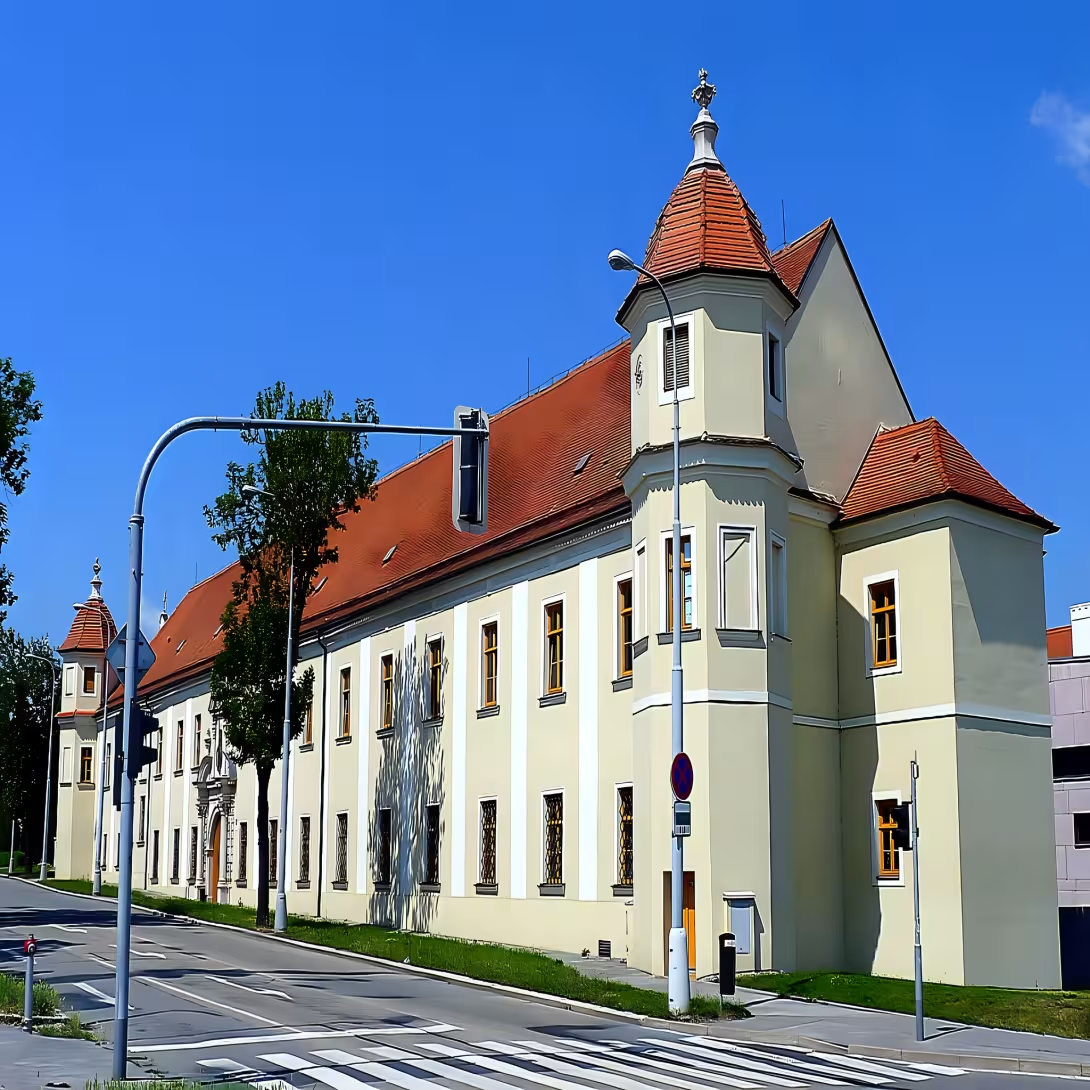
The Královopolský Klášter, located in Brno's Královo Pole district, is a significant historical monument dating back to the medieval period. Founded by Markgraf Jan Jindřich of Luxembourg in 1375, it was Moravia's first Carthusian monastery and only the second in the Czech lands. Today, it forms part of the Faculty of Information Technology at the Technical University of Brno, showcasing its evolution from a religious to an educational institution.
The origin of Královopolský Klášter is linked to the Luxembourg dynasty's influence during the late 14th century. Markgraf Jan Jindřich established it as part of his efforts to enrich his capital with monastic life, reflecting the era's religious fervor. The monastery was officially founded on August 13, 1375, dedicated to the Holy Trinity and endowed with necessary resources and privileges. Although Jan Jindřich died in November that year, his son Jošt continued its development, ensuring a community of twelve monks.
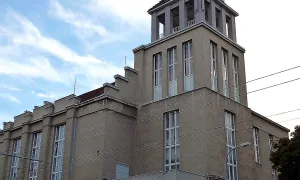
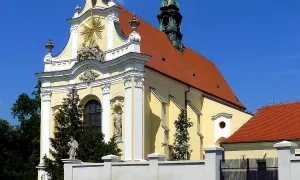
Architecturally, Královopolský Klášter began as a brick structure typical of Luxembourg-era designs, mimicking ashlar work. This style was prevalent among significant buildings from this period in Bohemia. The complex underwent notable baroque transformations in the late 17th and early 18th centuries. During this time, new structures such as a refectory and library were added, and the church's facade received a baroque redesign. These changes reflect broader architectural trends of the era while maintaining the site's historical essence.
Throughout its history, Královopolský Klášter experienced several ownership changes. Initially under the Carthusian Order from 1378 until its dissolution in 1782 during Emperor Joseph II's ecclesiastical reforms, it later became a parish church under the Catholic Church. This transition marked a significant shift as the monastery complex was repurposed for military and educational uses, eventually becoming part of the Technical University of Brno.
Key events at Královopolský Klášter include its foundation in 1375 and its dissolution in 1782. Despite these changes, the Church of the Holy Trinity continued to serve as a parish church, replacing an earlier demolished church dedicated to Saint Vitus. These developments underscore the site's enduring religious significance even after its monastic functions ceased.
Today, Královopolský Klášter stands as a cultural monument within Brno, blending historical architecture with modern educational facilities. Visitors can explore this unique mix of medieval and baroque elements while appreciating its role in contemporary academia. The site's rich history and architectural evolution make it a compelling destination for those interested in the intersection of religious heritage and technological advancement.
Královopolský Klášter offers a fascinating glimpse into the past, inviting visitors to explore its storied walls and appreciate its transformation over centuries. Its significance as both a historical monument and an educational hub makes it a must-visit destination for anyone interested in the cultural and architectural history of Brno.
Then and now
Drag the slider to compare how the landmark may have looked when it was built with the view today.
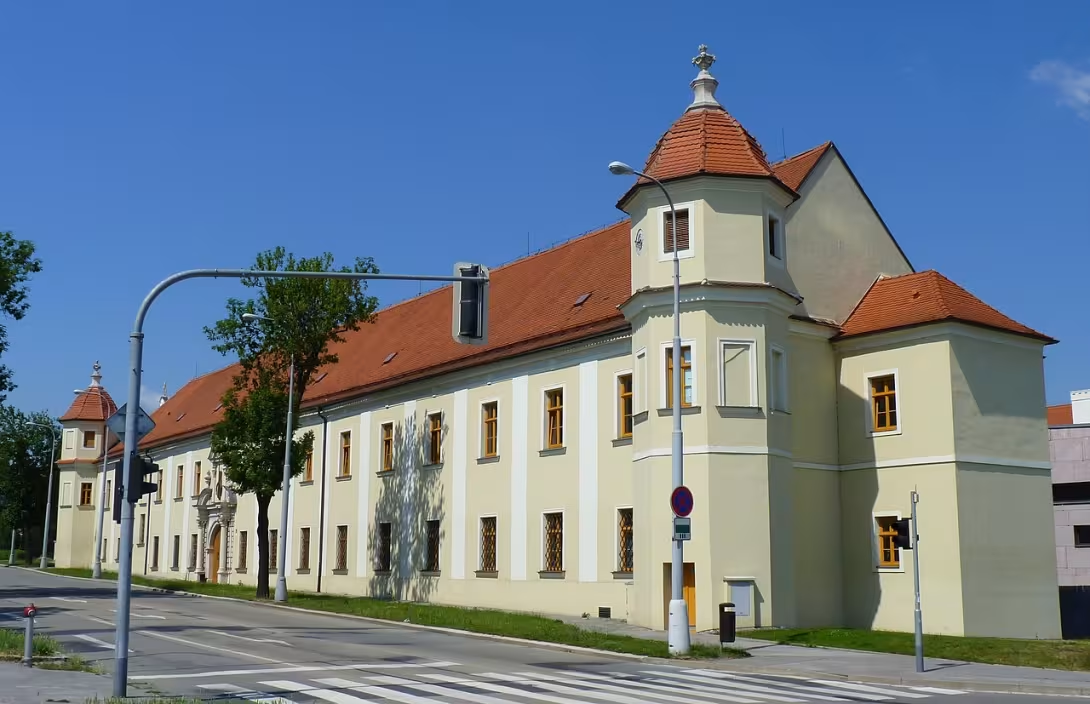
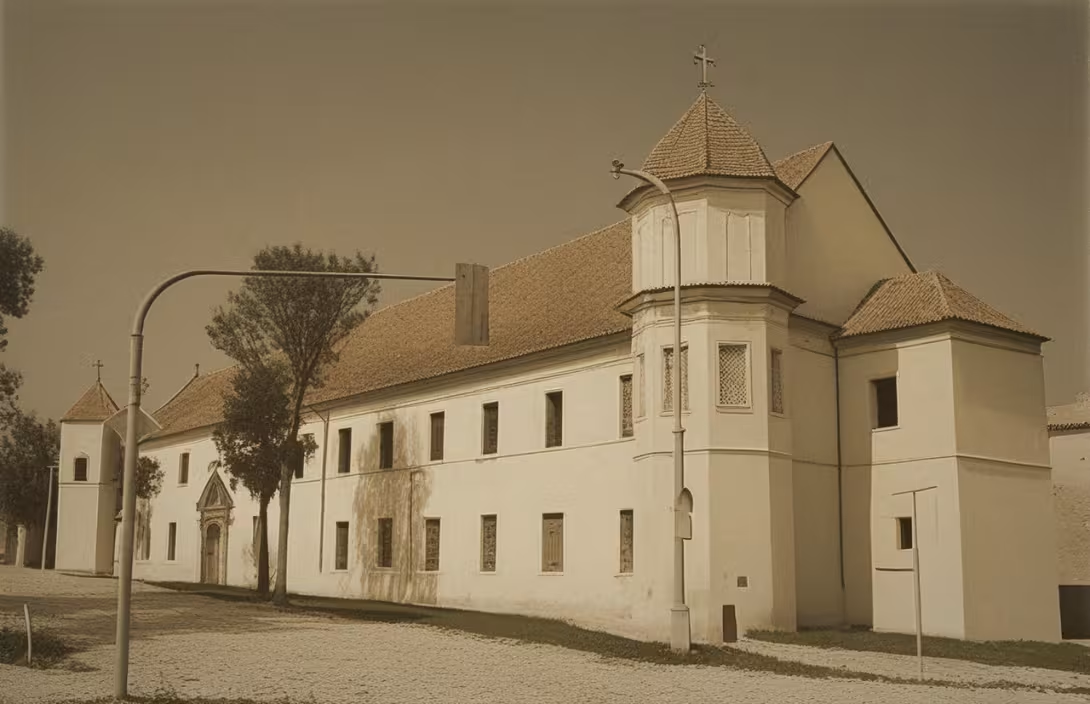
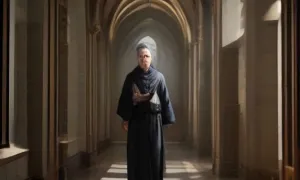
The historical appearance on the left is an AI-generated visualisation and serves as inspiration only.
Historical milestones
- 1375
- Založení kláštera Markgrafem Janem Jindřichem z Lucemburku.
- 1378
- Klášter převeden pod správu řádu kartuziánů.
- konec 17. století a začátek 18. století
- Barokní transformace klášterního komplexu.
- 1782
- Dissoluce kláštera během reform Josefa II.
Architectural development
Initially constructed with brickwork that imitated ashlar masonry, a common feature in Luxembourg-era architecture. The complex underwent significant baroque transformations in the late 17th and early 18th centuries, including the construction of a new refectory and library. The church's facade was also redesigned in the baroque style during this period.
Historical events
- 1375
- Foundation charter issued by Markgraf Jan Jindřich for the establishment of the first Carthusian monastery in Moravia.
- 1782
- The monastery was dissolved during the ecclesiastical reforms of Emperor Joseph II.
Owners
Founded in 1378 by Markgraf Jan Jindřich Lucemburský
Zrušen (dissolved) in 1782 during Joseph II's church reforms
Vysoké učení technické v Brně since the late 20th century
Points of interest
- The Královopolský Klášter was originally founded by Markgraf Jan Jindřich as part of a broader initiative to enhance his capital with monastic life, reflecting the religious zeal of the late 14th century.
- Although its founder died shortly after establishing the monastery in 1375, his son Jošt ensured the continuation and development of the community, maintaining a group of twelve monks.
- The Carthusian Order managed Královopolský Klášter until its dissolution in 1782 due to Emperor Joseph II's ecclesiastical reforms, which led to significant changes in ownership and function over time.
- Following its dissolution, the monastery complex was repurposed for military use before eventually becoming part of the Technical University of Brno, illustrating a unique transition from religious to educational purposes.
- Despite numerous transformations, the Church of the Holy Trinity within the complex has continued to serve as a parish church since replacing an earlier church dedicated to Saint Vitus, highlighting its enduring religious significance.
Guide
This guide is narrated by a synthetic voice generated by artificial intelligence.
Show guide text
This text was created by artificial intelligence and has not been editorially reviewed. It may contain inaccuracies.
Welcome to the historic site of Královopolský Klášter in Královo Pole, a remarkable testament to both medieval monastic life and its later baroque transformation. As you stand here, imagine stepping back into a time when spirituality and architecture intertwined to create something truly extraordinary.
This monastery was founded by Markgraf Jan Jindřich z Lucemburku at the end of the 14th century as part of an initiative to enrich his capital with monastic life. The religious fervor of that era is palpable even today, centuries later. Initially established in 1375, the site reflects a significant period in history when spiritual and political realms often overlapped.
Now, let's turn our attention to the architecture surrounding you. Though specific architects remain unknown, the complex underwent a notable baroque transformation towards the end of the 17th century and into the early 18th century. As you explore, notice how this style has influenced the structure, adding grandeur and elegance that echo through time.
The monastery's history is marked by intriguing figures such as Jan Jindřich Lucemburský himself, who founded it, and Gottfried z Anasu, among others. Though Jan Jindřich passed away shortly after its establishment in 1375, his son Jošt continued to nurture the site’s spiritual mission.
One fascinating aspect of this monastery is how it transitioned from a religious haven to an integral part of modern education. Today, it serves as a section of the Faculty of Information Technology at the Technical University of Brno. This evolution from monastic seclusion to academic inclusion adds layers to its historical narrative.
As you continue your journey through Královopolský Klášter, take a moment to reflect on how this site has witnessed and adapted to centuries of change. It stands as a bridge between the past and present, inviting us to explore not only its physical beauty but also its rich history.
Thank you for joining me in this exploration. I encourage you to delve deeper into the stories that these walls have silently observed over the years. Enjoy your visit, and may it inspire curiosity and wonder.
Tips for visitors
The best time to visit the Královopolský Klášter is during late spring or early autumn when the weather is mild, and the surrounding forests are lush with greenery. This period offers a pleasant climate for exploring both the historical site and its natural surroundings. Additionally, visiting outside of peak tourist seasons can provide a more tranquil experience, allowing you to appreciate the monastery's serene atmosphere without large crowds.
It's recommended to verify current transportation options and schedules through a local transit app or website before your visit.
When visiting, consider bringing comfortable walking shoes as you'll likely explore various parts of the monastery complex and surrounding areas on foot. A hat and sunscreen are also advisable due to the open spaces and potential for sunny weather. Additionally, carrying a water bottle can help keep you hydrated during your exploration.
For photography enthusiasts, early morning or late afternoon provides the best natural light for capturing the architectural beauty of Královopolský Klášter. The hilltop location offers panoramic views, making it an ideal spot for landscape shots. Inside the monastery, look for well-lit areas that highlight the intricate details of its baroque transformation.
Nearby attractions within a 30-minute drive include other historical sites and natural features around Brno. Exploring these can provide a broader understanding of the region's cultural heritage and natural beauty. For families with children, consider planning visits to nearby parks or interactive museums that offer educational experiences tailored for younger audiences.
Frequently asked questions
Can the monument be visited?
Religious buildings are usually open mainly during services; at other times a visit is normally arranged with the parish or the operator. We have not verified specific times.
Where is the monument?
Location: Božetěchova 1/2, Královo Pole, Brno, Jihomoravský kraj. The map on this page shows the exact spot.
Why is the monument protected?
It is listed in the Central List of Cultural Monuments of the Czech Republic as a cultural monument (register no. 31167/7-51).
Businesses nearby
Do you run a restaurant, accommodation, shop, museum, rental, wellness or other visitor service near this monument? Show yourself directly to the people heading to it — this is how they will see you in the app and on the web:
Events nearby


Zdroj akcí: otevřená data měst a obcí ČR (Národní katalog otevřených dat) a kalendář akcí Národního památkového ústavu.
Nearby
Located on a hilltop surrounded by forests near Brno, the monastery complex is now part of a modern educational institution. The area includes other historical buildings and natural features within a 5 km radius.
Accommodation nearby
Trips and activities nearby
Guided tours, tickets and activities nearby from GetYourGuide
Affiliate link: if you buy from the partner, we may receive a commission. The price for you does not change.
Search tours and activities →Themed route
Královopolský Klášter Thematic Tour
1. Královopolský Klášter (Monastery) Begin your journey at the heart of this historic site, the Královopolský Klášter. Originally a Cistercian monastery founded in 1252, it stands majestically on a hilltop surrounded by lush forests near Brno. Today, part of the complex serves as an educational institution, offering visitors a glimpse into its rich history and architectural splendor. Explore the beautifully preserved structures that tell tales of centuries past.
2. Monastery Park Just outside the main monastery buildings lies the serene Monastery Park. This green space offers a tranquil retreat with walking paths winding through well-maintained gardens and shaded areas, perfect for reflection or relaxation. The park provides an excellent opportunity to appreciate the natural beauty that complements the historical significance of the site.
3. Historical Buildings within the Complex Venture into other historical buildings within the monastery complex. These structures include remnants of the original monastic life such as chapels and utility buildings, each with its own story. The architecture reflects various periods of renovation and adaptation, showcasing a blend of styles that have evolved over centuries.
4. Forest Trails Surrounding the Monastery Conclude your visit by exploring the forest trails encircling the monastery. These paths offer not only a chance to immerse yourself in nature but also provide stunning views of the Královopolský Klášter from different vantage points. The surrounding forests are ideal for a leisurely walk, allowing you to fully appreciate the peaceful environment that has been preserved around this historic site.
This thematic tour offers a comprehensive experience of the Královopolský Klášter and its immediate surroundings, highlighting both historical significance and natural beauty.
Seasonal recommendations
Spring: Visiting Královopolský klášter during spring offers a unique experience as the surrounding landscape bursts into vibrant colors with blooming flowers and fresh greenery, creating an idyllic backdrop for exploring the historic site. The gentle warmth of the season brings out the subtle scents of nature, enhancing the serene atmosphere of the monastery grounds. This is also a time when the natural light beautifully illuminates the architecture, casting soft shadows that add depth to its historical features. Visitors should consider wearing comfortable layers as temperatures can vary throughout the day and prepare for occasional rain showers typical of spring.
Summer: The summer months at Královopolský klášter are characterized by long daylight hours and warm weather, making it an ideal time for leisurely exploration of the site's extensive grounds. This period often sees increased visitor numbers due to its appeal during peak vacation times, so arriving early in the morning is advisable to avoid crowds. The lush greenery and vibrant flowers at their peak provide a picturesque setting, while the bright sunlight enhances the visibility of intricate architectural details.
Autumn: Autumn brings a magical transformation to Královopolský klášter as the foliage shifts into rich hues of red, orange, and gold, creating a breathtaking panorama that complements the historic architecture. The cooler temperatures make for comfortable walking tours around the monastery's grounds, with fewer visitors compared to summer, allowing for a more peaceful experience. As daylight begins to wane earlier in the day, carrying a light jacket or sweater is recommended to stay warm during evening visits.
Winter: Winter at Královopolský klášter offers a tranquil and introspective atmosphere as snow blankets the landscape, providing a stark yet beautiful contrast against the historic structures. The shorter days mean that visitors should plan their visit around the limited daylight hours, with earlier openings in the day to make the most of natural lighting. Wearing warm clothing is essential due to cold temperatures, and it's advisable to check ahead for any seasonal closures or reduced access to certain areas within the monastery grounds.
Visualizations and artistic views


The visualisations are generated by artificial intelligence and serve as inspiration.
Photos from the area
Real photos taken near the monument

Zdroj a licence jsou uvedeny u každého snímku.
Tips from visitors
No tips yet. Be the first!
Log in and add your tip.
Sources and literature
Photos: Michal Klajban / CC BY-SA 3.0, rozlišení zvýšeno umělou inteligencí — Wikimedia Commons. The author and licence also appear when you hover over the image.
Faktickým podkladem tohoto textu byl článek na Wikipedii, jehož autory jsou přispěvatelé Wikipedie. Článek je dostupný pod licencí CC BY-SA 4.0.
Location on the map



Příběhy a pověsti
Legendy, pověsti a příběhy spjaté s touto památkou
Fotografie návštěvníků
Zatím žádné fotografie. Buďte první, kdo přidá fotografii z návštěvy!
Log in a přidejte svou fotografii nebo hodnoťte.
Za ověřenou návštěvu v aplikaci získáte víc bodů — poznáme podle GPS, že jste na místě.
Reviews and comments