






kostel Nejsvětější Trojice (Královo Pole) Church
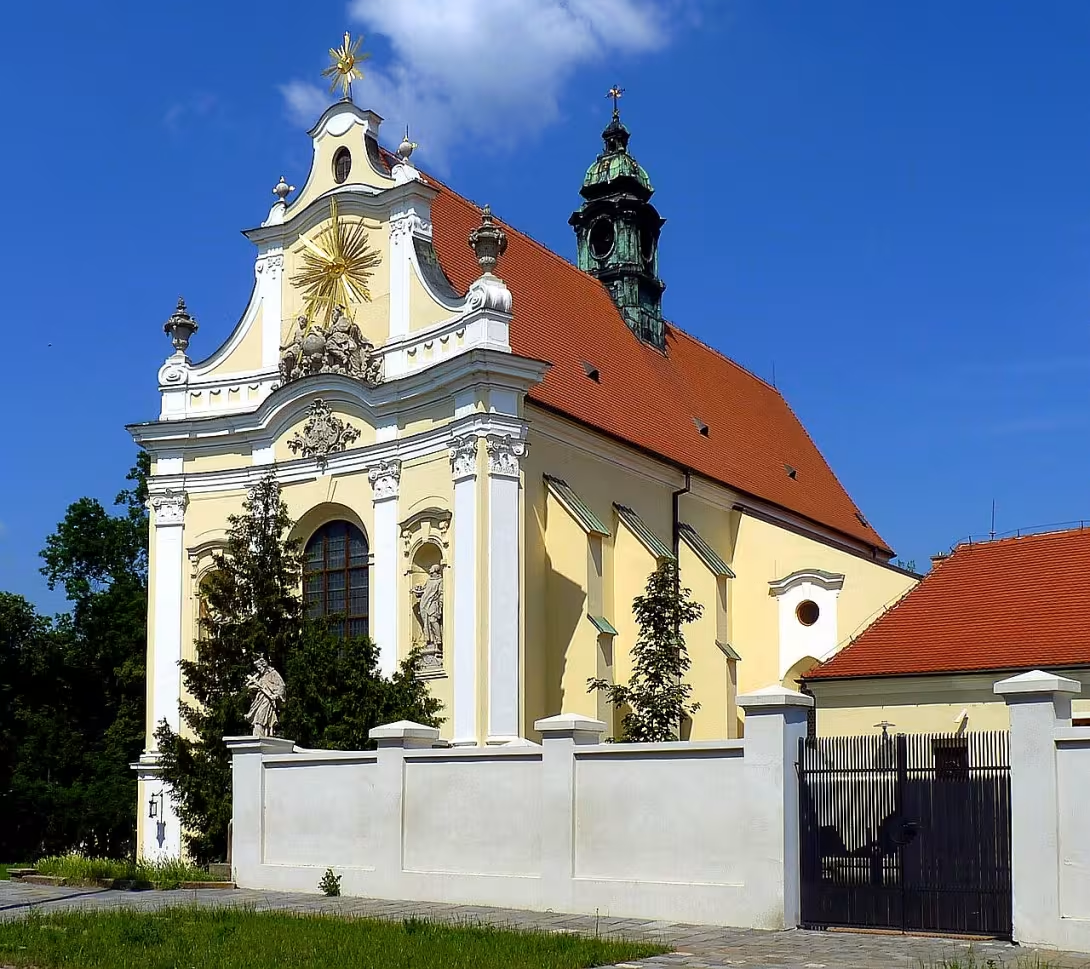
The Church of the Holy Trinity in Brno-Královo Pole is a notable Gothic structure with deep historical roots dating back to 1375. Moravian Margrave Jan Jindřich founded it as part of a Carthusian monastery, documented by a charter dated August 13, 1375, three months before his death that year. Located on Božetěchova Street, the church has withstood several fires and baroque renovations while maintaining its fundamental design.
The establishment occurred during a period of religious and political consolidation in Moravia under the Luxembourg dynasty within the Holy Roman Empire. Construction began in the late 14th century following the typical Carthusian layout, featuring a hall church with dual annexes known as oratoria.
Architecturally, significant baroque renovations took place in the mid-18th century. These included adding the Marian Chapel and new altarpieces. Notable artists like Franz Anton Maulbertsch adorned the interior with religious scenes on vaults around 1769. Ondřej Schweigl contributed sculptures for the main portal and other decorative works.
Ownership and administration have changed dramatically over time. Initially part of a Carthusian monastery, it became a parish church after dissolution by Joseph II in 1782. Later, it housed the Faculty of Information Technology at VUT, reflecting its adaptation to modern educational needs.
Key events include its consecration in 1765 following baroque renovations and the discovery of Prokop Lucemburský's tomb during restoration work in 1975. These have added layers of historical intrigue and significance. The church has also been a canvas for significant artistic contributions, enhancing its cultural value with works by artists like Franz Anton Maulbertsch and Ondřej Schweigl.
Today, the Church of the Holy Trinity stands as a protected cultural monument within the Brno-Královo Pole district, surrounded by modern educational institutions. Its historical charm persists amidst contemporary development, making it an intriguing site for visitors interested in Gothic architecture and Moravian history. Restoration efforts continue to preserve its architectural elements and artworks, ensuring that this monument remains a testament to its rich past.
Visitors are invited to explore the Church of the Holy Trinity, where they can appreciate its enduring beauty and historical significance. Its blend of Gothic origins and baroque artistry offers a unique glimpse into the cultural heritage of Brno-Královo Pole, making it a worthwhile destination for those interested in history and architecture.
Then and now
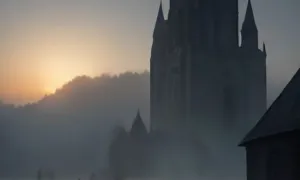
Drag the slider to compare how the landmark may have looked when it was built with the view today.
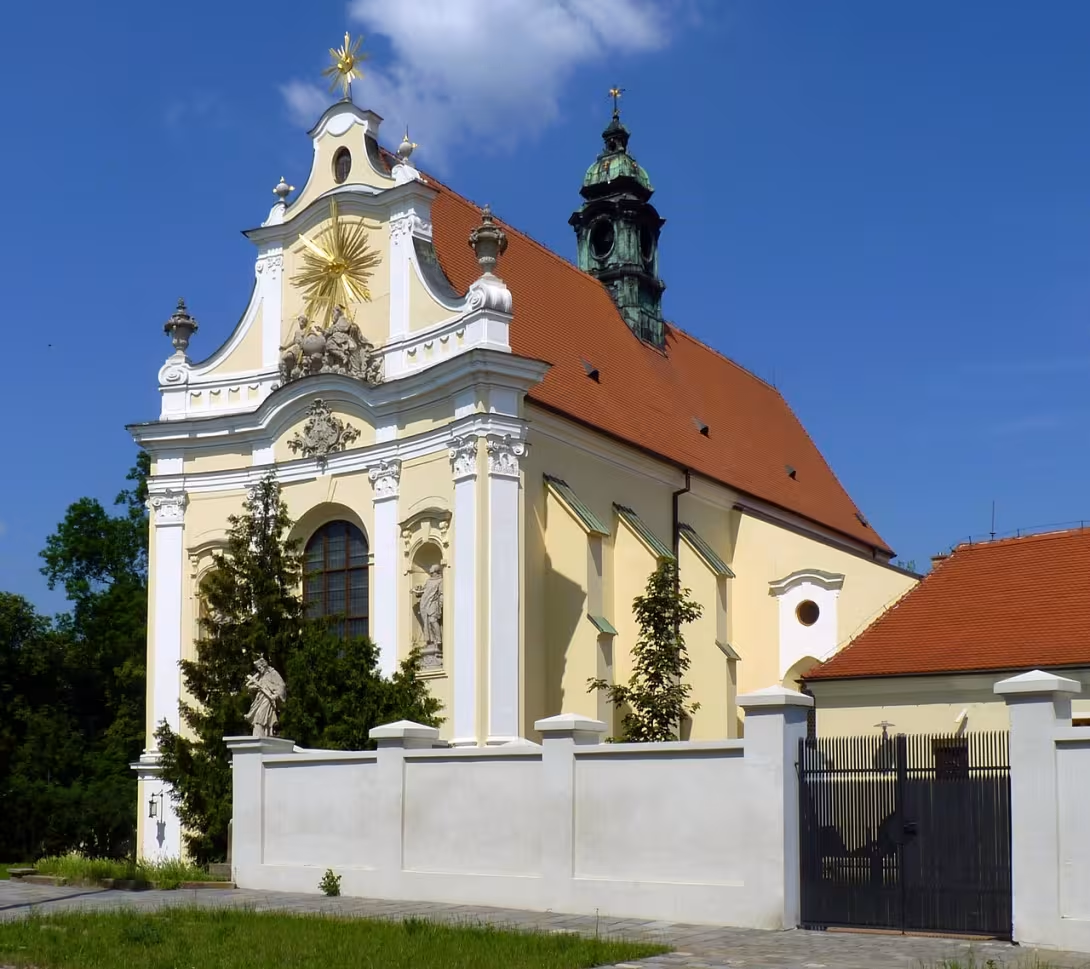
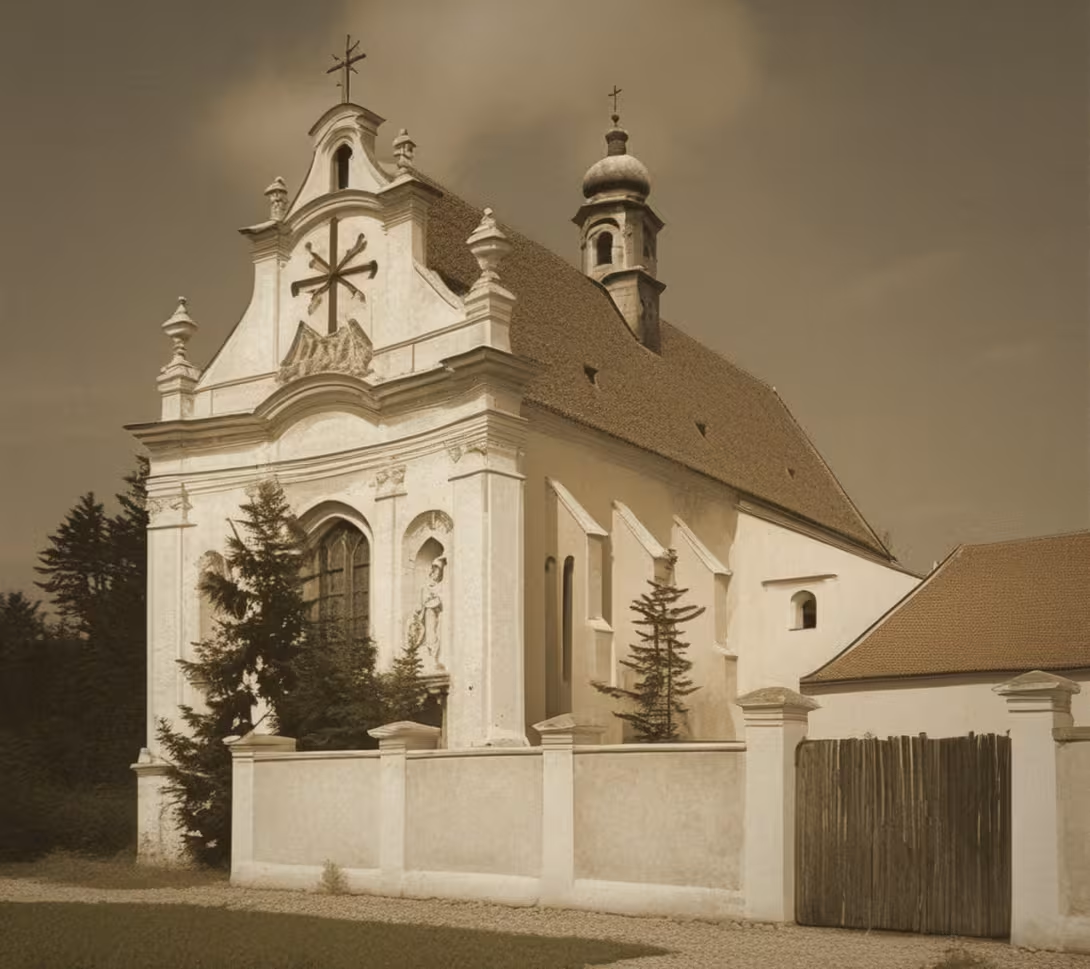
The historical appearance on the left is an AI-generated visualisation and serves as inspiration only.
Historical milestones
- 1375
- Foundation of the Church of the Most Holy Trinity by Jan Jindřich.
- Late 14th century
- Beginning of construction according to a typical Carthusian plan.
- 1765
- Dedication of the church after Baroque reconstructions.
- 1782
- Conversion into a parish church following the dissolution of the monastery by Joseph II.
- 1769
- Interior decoration by Franz Anton Maulbertsch.
Architectural development
The Church of the Holy Trinity was constructed in the late 14th century following a typical Carthusian layout. It underwent significant baroque renovations in the mid-18th century, including the addition of the Marian Chapel and new altarpieces. The church's interior has been adorned with works by notable artists such as Franz Anton Maulbertsch.
Historical events
- 1375
- Foundation by Moravian Margrave Jan Jindřich.
- 1765
- Consecration of the church after baroque renovations.
- 1975
- Discovery of Prokop Lucemburský's tomb during restoration.
Points of interest
- The Church of the Holy Trinity was originally part of a Carthusian monastery, which is known for its strict and secluded lifestyle, making it unique among monastic orders in Moravia during that era.
- During its history, the church has been a silent witness to several fires, yet it remarkably retained its Gothic essence despite undergoing numerous renovations, including significant baroque changes that added new artistic dimensions.
Guide
This guide is narrated by a synthetic voice generated by artificial intelligence.
Show guide text
This text was created by artificial intelligence and has not been editorially reviewed. It may contain inaccuracies.
Welcome to the Church of the Holy Trinity in Brno-Královo Pole—a remarkable testament to Gothic architecture and a storied past that spans several centuries. As you stand before this historic edifice, take a moment to absorb its grandeur. The church's silhouette punctuates the skyline with its distinct Gothic elements, inviting you into a narrative woven through time.
The origins of this sacred site trace back to 1375 when Moravian Margrave Jan Jindřich laid its foundation as part of a Carthusian monastery. This order was known for its strict and secluded lifestyle, making it a unique spiritual enclave in Moravia during that era. The church's construction began at the end of the 14th century, following the typical Carthusian plan—a design reflecting both austerity and devotion.
As you look around, notice the intricate details that have withstood the test of time. While specific architects remain unknown, their work is evident in the structural integrity and aesthetic beauty that characterize this church. The interior space, though altered by baroque renovations completed by 1765, retains an air of solemnity and reverence.
The Church of the Holy Trinity has a rich tapestry of stories associated with it. One such tale involves Prokop Lucemburský, whose tomb was discovered during restoration work—a poignant reminder of the many lives that have intersected here. In 1782, after Emperor Joseph II dissolved the monastery, the church transitioned into a parish church, marking another chapter in its enduring legacy.
A fascinating aspect of this site is how it has survived multiple fires throughout its history, emerging each time with its fundamental design intact. This resilience speaks volumes about the dedication to preserving such an important cultural and religious monument.
As we conclude our brief exploration, I invite you to continue your journey through Královo Pole, where more stories await discovery. Thank you for joining me in appreciating this remarkable piece of history—the Church of the Holy Trinity.
Tips for visitors
The best time to visit the Church of the Holy Trinity is during late spring or early autumn when the weather is pleasant, allowing for a comfortable exploration of both the church's interior and its surrounding grounds. These seasons offer mild temperatures ideal for walking around the area, which includes modern educational institutions like the VUT Faculty of Information Technology. Additionally, visiting outside peak tourist season means fewer crowds, providing a more serene experience to appreciate the historical architecture.
Parking is available in the vicinity of the church, though it can be limited due to its location within an urban district. Public transport is recommended for convenience; both bus and tram services are accessible nearby, with routes connecting to other parts of Brno. It's advisable to check current transportation options online before your visit to ensure a smooth journey to Královo Pole.
When visiting the Church of the Holy Trinity, consider bringing comfortable walking shoes as you may want to explore beyond the church grounds. A camera is also recommended for capturing the stunning Gothic architecture and the blend of historical charm with contemporary surroundings. If planning an extended visit, a light snack or water might be useful since there are no immediate facilities within the church premises.
For photography enthusiasts, the best spots include the exterior façade of the church during golden hour when the sunlight enhances its Gothic features. Inside, capturing the intricate details of the altars and stained glass windows can provide stunning images. Be mindful of lighting conditions as they change throughout the day; early morning or late afternoon light often offers the most flattering illumination.
Nearby attractions within a 30-minute walk include other historical sites in Brno-Královo Pole, such as remnants of the original Carthusian monastery and educational institutions that add to the area's cultural richness. These locations provide additional context to the church’s history and its role in the community over centuries.
For families with children, the Church of the Holy Trinity offers a fascinating glimpse into Gothic architecture and Moravian history. To keep young visitors engaged, consider discussing the historical significance of the church and its connection to the Carthusian order. The surrounding area also provides opportunities for leisurely walks or visits to nearby educational institutions that might have interactive exhibits or activities.
Businesses nearby
Do you run a restaurant, accommodation, shop, museum, rental, wellness or other visitor service near this monument? Show yourself directly to the people heading to it — this is how they will see you in the app and on the web:
Events nearby


Zdroj akcí: otevřená data měst a obcí ČR (Národní katalog otevřených dat) a kalendář akcí Národního památkového ústavu.
Nearby
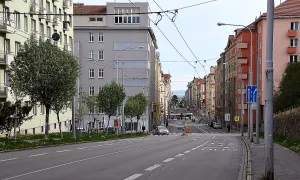
The church is located within the Brno-Královo Pole district, surrounded by modern educational institutions like the VUT Faculty of Information Technology. The area retains its historical charm amidst contemporary development.
Accommodation nearby
Trips and activities nearby
Guided tours, tickets and activities nearby from GetYourGuide
Affiliate link: if you buy from the partner, we may receive a commission. The price for you does not change.
Search tours and activities →Themed route
Thematic Walking Tour: Královo Pole District
1. Kostel Nejsvětější Trojice (Královo Pole) *Type:* Church *Why Visit:* Begin your journey at the heart of Královo Pole with this stunning church, a testament to Baroque architecture and spiritual heritage in Brno. Its rich history and beautiful design make it an essential starting point for exploring the district's cultural landscape.
2. VUT Faculty of Information Technology *Type:* Educational Institution *Why Visit:* A short walk from the church, this modern educational hub reflects Královo Pole’s blend of historical charm and contemporary development. The campus is a vibrant center for innovation and learning, offering insights into Brno's role as an academic and technological leader in the region.
3. Královopolské náměstí *Type:* Public Square *Why Visit:* Located near the VUT Faculty of Information Technology, this square is a lively gathering place that showcases the district’s community spirit. It's an ideal spot to experience local life and enjoy the blend of green spaces amidst urban development.
4. Královo Pole Park *Type:* Urban Park *Why Visit:* Just a stone's throw from Královopolské náměstí, this park offers a peaceful retreat within the bustling district. It’s perfect for a leisurely stroll or relaxation, providing a green oasis that complements the area's historical and modern elements.
5. Královo Pole Shopping Center *Type:* Commercial Area *Why Visit:* Conclude your tour with a visit to this vibrant shopping center, which encapsulates Královo Pole’s dynamic atmosphere. It offers a variety of shops and eateries, making it an excellent spot for some retail therapy or a casual meal after exploring the district's rich cultural tapestry.
This thematic walking tour provides a comprehensive glimpse into Královo Pole, highlighting its historical significance, educational prominence, community spirit, natural beauty, and modern vibrancy.
Seasonal recommendations
Spring: The arrival of spring at the Church of the Holy Trinity (Královo Pole) is marked by a rejuvenating atmosphere as nature awakens around this historic site. The soft, golden light filtering through budding trees creates a serene and picturesque setting ideal for photography or quiet reflection. Visitors should expect mild weather but prepare for occasional rain showers; therefore, carrying an umbrella or wearing waterproof layers is advisable. This period sees moderate visitor numbers, making it a pleasant time to explore the church without the crowds encountered in peak seasons.
Summer: Summer at the Church of the Holy Trinity (Královo Pole) offers vibrant natural beauty with lush greenery and blooming flowers enhancing its historic charm. The long daylight hours provide ample opportunity for extended visits, but it's wise to arrive early in the morning or later in the afternoon to avoid the midday heat and larger crowds drawn by the pleasant weather. Light, breathable clothing is recommended, along with sun protection such as hats and sunscreen. Despite the increased visitor numbers during this season, the lively atmosphere adds a special appeal to experiencing the church's architectural splendor.
Autumn: Autumn transforms the Church of the Holy Trinity (Královo Pole) into an enchanting scene with warm hues of red, orange, and yellow adorning the surrounding landscape. The cooler temperatures make it a comfortable time for walking tours or leisurely exploration without the intense heat of summer. Visitors should dress in layers to accommodate fluctuating weather conditions, which can include crisp breezes or occasional rain. This season is characterized by fewer tourists compared to summer, offering a more peaceful experience while still enjoying the church's beauty amidst the autumnal scenery.
Winter: The Church of the Holy Trinity (Královo Pole) takes on a magical quality during winter with its historic architecture set against a backdrop of snow-covered surroundings. Although the church remains open year-round, it is important to note that some services or special events may be limited due to shorter daylight hours and colder temperatures. Visitors should dress warmly in layers and consider bringing gloves and hats for comfort. While fewer tourists are likely during this time, the serene and quiet atmosphere provides a unique opportunity to appreciate the church's historical significance without the distractions of larger crowds.
Visualizations and artistic views


The visualisations are generated by artificial intelligence and serve as inspiration.
Photos from the area
Real photos taken near the monument


Zdroj a licence jsou uvedeny u každého snímku.
Tips from visitors
No tips yet. Be the first!
Log in and add your tip.
Sources and literature
Fotografie: Michal Klajban / CC BY-SA 3.0 — Wikimedia Commons. The author and licence also appear when you hover over the image.
Faktickým podkladem tohoto textu byl článek na Wikipedii, jehož autory jsou přispěvatelé Wikipedie. Článek je dostupný pod licencí CC BY-SA 4.0.
Location on the map


Příběhy a pověsti
Legendy, pověsti a příběhy spjaté s touto památkou
Fotografie návštěvníků
Zatím žádné fotografie. Buďte první, kdo přidá fotografii z návštěvy!
Přihlaste se a přidejte svou fotografii nebo hodnoťte.
Za ověřenou návštěvu v aplikaci získáte víc bodů — poznáme podle GPS, že jste na místě.
Reviews and comments