






Jiřího náměstí 5 House
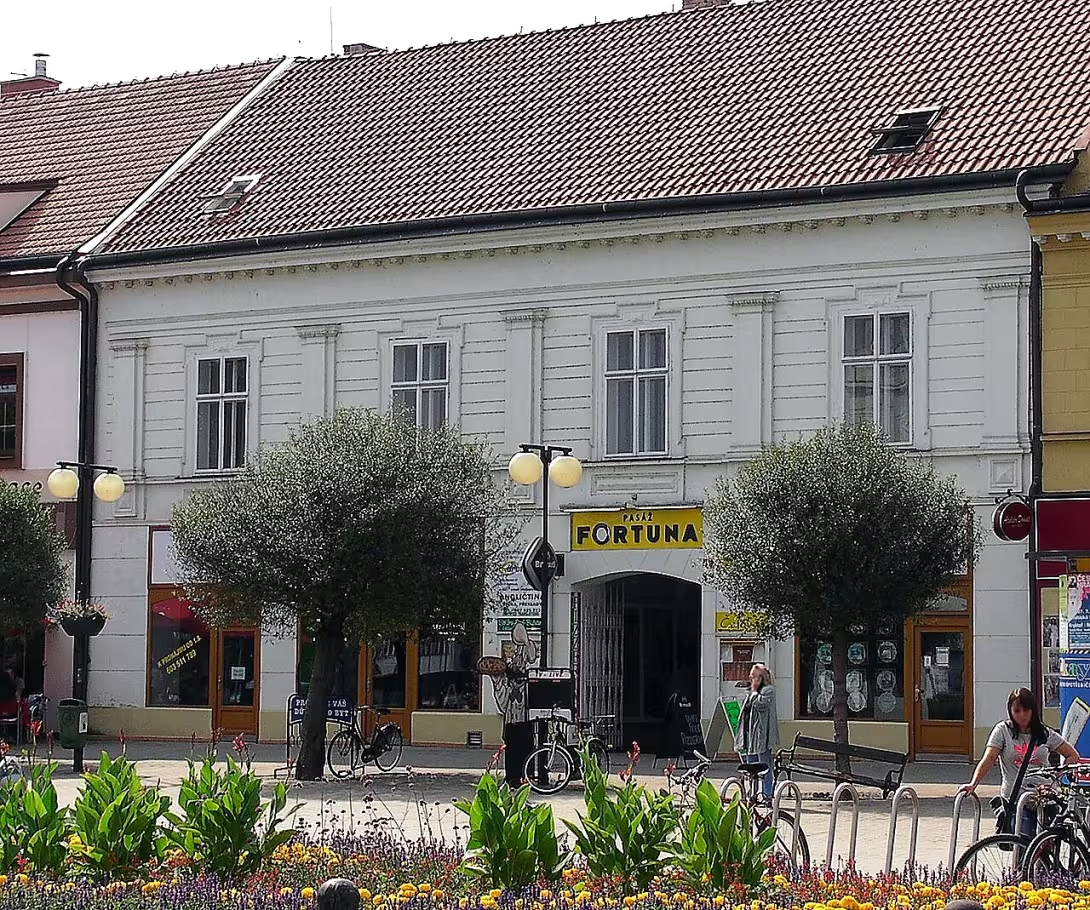
This burgher house is located on the southern side of Jiřího náměstí in Poděbrady I. Built in the mid-17th century on older foundations, it is a protected cultural site notable for its classicist facade and historical role as a social and commercial hub.
Constructed in the second half of the 17th century, the house stands on foundations of an earlier structure from the era of King Jiří. Historically, the building served as a brewery and an inn.
The structure is a two-story masonry row house. Its ground floor features a passage and spaces converted into shops. The basement comprises a square area with cross vaults held up by a central pillar. The courtyard contains a Renaissance gallery with four arcades and sandstone Tuscan columns on the first floor. Following significant 18th-century reconstruction, the building received its current classicist facade around 1880.
Records indicate that Diviš z Bezdětic owned the property in 1553. By the 18th century, it belonged to the Votočka orphanage. Antonie, the daughter of the owner, married František Bouček, a local physician and founder of the town hospital. In the first half of the 19th century, horse dealer František Pekáček acquired the building.
The building once housed the inn U Zeleného stromu. In 1833, František Pekáček added a two-story postal station with ground-floor stables in the courtyard. In 1845, Pekáček's widow transformed the entire first floor into a social hall, which served as a community center and amateur theater venue. Around 1880, this hall became apartments, and the ground floor was adapted for retail. Former businesses included V. J. Havlíček's fabric shop, Duškova drugstore, a jewelry and watch shop, an electrical appliance store, and a photography supply shop. The basement long hosted a tea room called Setkání.
The building has been a protected cultural monument since 1965. It has operated as a guesthouse under the names Král Jiří or U Krále Jiřího.
This site preserves the architectural evolution of Poděbrady I from the Renaissance to the Classicist period. It remains a significant example of the town's urban development and social history. Visitors are invited to admire its unique courtyard and facade.
Historical milestones
- 1553
- The house was owned by Diviš z Bezdětic.
- 1833
- Construction of a two-story postal station with stables in the courtyard.
- 1845
- The first floor was rebuilt into a social hall for the town.
- 1880
- The social hall was converted into apartments and the building received a classicist facade.
- 1965
- The house was designated as a cultural monument.
Architectural development
The house was built in the mid-17th century and underwent significant reconstruction in the 18th century. In 1833, a two-story postal station with stables was added to the courtyard. The building received its current classicist facade around 1880, and the interior was modified to include shops and apartments.
Historical events
In 1845, the first floor was converted into a social hall that became a center for the town's social life and amateur theater. In 1965, the building was officially protected as a cultural monument.
Owners
Diviš z Bezdětic (1553), the Votočka orphan house (18th century), and horse dealer František Pekáček (first half of 19th century).
Points of interest
– The courtyard features a Renaissance gallery with four arcades and sandstone Tuscan columns. – Historically, the building served as a brewery and an inn called U Zeleného stromu. – In 1845, the first floor was transformed into a social hall that served as a community center and amateur theater venue. – Records indicate that Diviš z Bezdětic owned the property in 1553. – The basement features a square area with cross vaults and once hosted a tea room called Setkání.
Guide
Show guide text
This text was created by artificial intelligence and has not been editorially reviewed. It may contain inaccuracies.
Welcome to Jiřího náměstí 5. As you stand here in the heart of Poděbrady I, take a moment to simply look at the building before you. It is more than just a structure of stone and mortar; it is a silent witness to the shifting tides of history, a place where the private lives of citizens and the public life of the town have intersected for hundreds of years. Notice how the building commands its space on the southern side of the square, acting as a steady anchor in this historic landscape. Even as the world around it has changed, from the era of horse-drawn carriages to the modern day, this house has remained, evolving and adapting to every new century.
To truly understand what you are looking at, we must peel back the layers of time. The story of this site does not begin with the walls you see today, but much deeper, in the very foundations upon which the house rests. These foundations reach back to the era of King Jiří, a time that feels almost legendary compared to our modern age. As you contemplate the building, try to imagine the ground beneath your feet as it was centuries ago, serving as the base for a history that has been continuously building upon itself. By the year 1553, the history of this location became more clearly defined through its ownership, as the house was held by Diviš z Bezdětic. This connection to nobility and established landownership tells us that even in its earliest recorded chapters, this site was a place of significance within the social fabric of the region.
As we move forward through the centuries, the building we recognize today began to take its shape. In the mid-17th century, a substantial burgher house was constructed upon those ancient foundations. This was a period of growth and stabilization, and this house was built to be a cornerstone of the community. It was not merely a residence, but a place of industry and social gathering. For a long time, this building served a dual purpose that would have made it one of the most vital locations in Poděbrady. It functioned as both a brewing house and an inn, a combination that ensured it was always a center of activity. Imagine the sounds of the town filtering through these walls—the clinking of glasses, the lively discussions of merchants, and the steady rhythm of the brewing process. It was a place where news was exchanged, where travelers found rest, and where the local community gathered to celebrate or to debate.
If you direct your attention to the facade of the building, you are seeing the result of a significant transformation that occurred much later. While the heart of the house is much older, the face it presents to the world today was shaped in 1880. During that year, the building received its classicist facade, giving it the elegant and orderly appearance that characterizes its current presence on Jiřího náměstí. This architectural shift was part of a broader movement to bring a sense of refined grace to the town's urban landscape. It transformed the building from a purely functional structure of the earlier eras into a more sophisticated piece of urban architecture, reflecting the tastes and the rising status of the town during the late 19th century.
However, the true architectural treasures are often hidden from the casual passerby on the street. If you were to step into the courtyard, you would find yourself transported to a different era entirely. There, tucked away from the main square, lies a beautiful Renaissance gallery. This courtyard space is a rare and precious remnant of an earlier aesthetic. As you walk through it, take a moment to observe the four arcades that define the space. Notice the sandstone Tuscan columns that support them. These columns, with their simple yet dignified proportions, are a hallmark of the Renaissance style, bringing a sense of harmony and classical proportion to the interior of the property. This courtyard has likely seen centuries of quiet moments, providing a sheltered sanctuary from the bustling life of the square outside.
The history of this building is also a history of changing functions, reflecting the changing needs of Poděbrady itself. In 1833, the building took on a new and vital role when a two-story postal station was constructed, complete with stables in the courtyard. This was a time when the movement of mail and people was the lifeblood of communication, and this house became a crucial node in that network. The presence of stables suggests a constant flow of horses and travelers, adding a sense of movement and urgency to the site.
Then, in 1845, the building underwent another remarkable transformation. The first floor was rebuilt to serve as a social hall for the town. This was a pivotal moment in the building's social history. It was no longer just a place of business or a place of transit; it had become a dedicated space for the community. This social hall served as a community center and even functioned as a venue for amateur theater. Imagine the excitement of the townspeople gathering here in the evenings, the lights dimming, and the stage coming to life. It was a place of culture and shared experience, a place where the local spirit was nurtured through art and social interaction. It wasn't until 1880, as we mentioned earlier, that this social space was converted into apartments, marking another shift from public use to private residence.
Throughout these many changes, certain names have remained etched in the history of this place. Names like Diviš z Bezdětic, who owned the house in the 16th century, and later figures such as František Bouček and František Pekáček, remind us that this building has always been tied to the lives of specific individuals. These were the people who shaped the destiny of this house, whether as owners, residents, or those who contributed to its evolving legacy.
As you stand here, consider the fascinating duality of this landmark. It has been a place of hard work and industry, as a brewery, and a place of rest and hospitality, as the inn known as U Zeleného stromu. It has been a place of essential service, as a postal station, and a place of high culture and community gathering, as a social hall and theater. It has transitioned from the rugged foundations of the era of King Jiří to the refined elegance of a classicist facade.
This building is a living timeline of Poděbrady. It has survived through centuries of change, absorbing the stories of the people who lived, worked, and gathered within its walls. As you continue your walk through the town, I invite you to keep this sense of layered history in mind. Every street corner and every facade in Poděbrady has a story to tell, and Jiřího náměstí 5 is one of the most profound chapters in the town's long and vibrant history. Thank you for joining me on this brief journey through time. Please, continue your exploration and enjoy the many wonders that Poděbrady has to offer.
Tips for visitors
Visit early in the morning or late in the afternoon when the light is soft and the square is quieter; this is the optimal time to appreciate the 17th‑century façade without crowds.
The house is reachable by car with limited street parking on the southern side of Jiřího náměstí; for a hassle‑free experience, use the town’s public‑transport hub and walk the short distance to the square (check current bus routes online).
Bring comfortable walking shoes, a bottle of water, and a small notebook or guidebook; entry fees are paid on site and the latest price list can be found on the official website.
For photography, position yourself across the square to capture the full southern elevation, especially during the golden hour; avoid flash inside the interior and use a wide‑angle lens to include the surrounding historic buildings.
Within a 30‑minute walk you can explore the historic centre of Poděbrady I, including the market square, other burgher houses, and the charming streets that radiate from Jiřího náměstí, making a pleasant loop for families and history enthusiasts alike.
Businesses nearby
Do you run a restaurant, accommodation, shop, museum, rental, wellness or other visitor service near this monument? Show yourself directly to the people heading to it — this is how they will see you in the app and on the web:
Nearby
The building is situated on Jiřího náměstí in the center of Poděbrady I.
Accommodation nearby
Trips and activities nearby
Guided tours, tickets and activities nearby from GetYourGuide
Affiliate link: if you buy from the partner, we may receive a commission. The price for you does not change.
Search tours and activities →Themed route
Jiřího náměstí 5 – Historic Facade – Architecture Begin your walk by admiring the beautifully preserved historic façade that defines the square’s character. Its intricate stonework and period details offer a vivid glimpse into the town’s architectural heritage.
Jiřího náměstí 5 – Central Courtyard – Open Space Step into the spacious courtyard behind the building, a quiet oasis in the heart of Poděbrady I. Surrounded by the same historic walls, it provides a pleasant spot to pause and absorb the atmosphere of the old town.
Jiřího náměstí 5 – Tower Observation Point – Viewpoint Climb the modest tower attached to the structure for a short ascent to a panoramic outlook over Jiřího náměstí and the surrounding streets. The elevated perspective highlights the layout of the square and the charm of the nearby historic buildings.
Jiřího náměstí 5 – Interior Exhibition Hall – Cultural Exhibit Enter the exhibition hall located on the ground floor, where rotating displays showcase local history, art, and artifacts related to Poděbrady I. The curated collection enriches your understanding of the town’s cultural narrative.
Seasonal recommendations
Spring: Visiting Jiřího náměstí 5 during spring offers a refreshing experience as nature awakens with vibrant blooms and lush greenery, creating an enchanting atmosphere around Poděbrady I. The soft morning light casts a gentle glow on the historic architecture, enhancing its beauty. It's advisable to wear layers, as temperatures can vary throughout the day. Early mornings are ideal for exploration when crowds are minimal, allowing you to enjoy the site at a leisurely pace.
Summer: Summer in Poděbrady I is characterized by long daylight hours and warm weather, making it perfect for outdoor activities. The vibrant atmosphere is further enhanced by the lush greenery surrounding Jiřího náměstí 5. Visitors should expect larger crowds during this peak season, so arriving early can help avoid congestion. Light, breathable clothing is recommended to stay comfortable in the summer heat.
Autumn: Autumn brings a stunning palette of colors to Poděbrady I, with leaves turning shades of gold and red around Jiřího náměstí 5. The cooler temperatures create a cozy atmosphere, ideal for leisurely strolls through the historic site. As days shorten, it's wise to plan visits earlier in the day to make the most of natural light. Layered clothing is recommended to adapt to fluctuating temperatures.
Winter: In winter, Jiřího náměstí 5 exudes a magical charm under a blanket of snow, with festive lights adding warmth to the historic surroundings. The shorter days mean that sites may close earlier, so it's essential to check opening hours in advance. Visitors should dress warmly and wear comfortable footwear for navigating snowy paths. Despite fewer visitors during this season, capturing the serene beauty of Poděbrady I is a rewarding experience.
Visualizations and artistic views


The visualisations are generated by artificial intelligence and serve as inspiration.
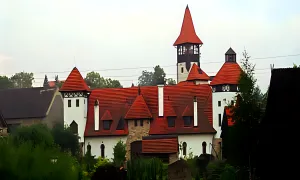
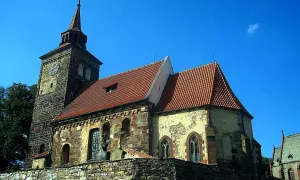
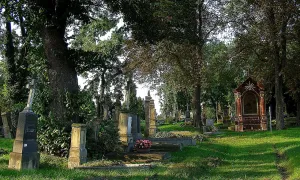
Photos from the area
Real photos taken near the monument


Zdroj a licence jsou uvedeny u každého snímku.
Tips from visitors
No tips yet. Be the first!
Log in and add your tip.
Sources and literature
Fotografie: Michal Louč / CC BY-SA 3.0 — Wikimedia Commons. The author and licence also appear when you hover over the image.
Faktickým podkladem tohoto textu byl článek na Wikipedii, jehož autory jsou přispěvatelé Wikipedie. Článek je dostupný pod licencí CC BY-SA 4.0.
Location on the map
Příběhy a pověsti
Legendy, pověsti a příběhy spjaté s touto památkou

Fotografie návštěvníků
Zatím žádné fotografie. Buďte první, kdo přidá fotografii z návštěvy!
Přihlaste se a přidejte svou fotografii nebo hodnoťte.
Za ověřenou návštěvu v aplikaci získáte víc bodů — poznáme podle GPS, že jste na místě.
Reviews and comments