



Kaple Bolestné Matky Boží Chapel
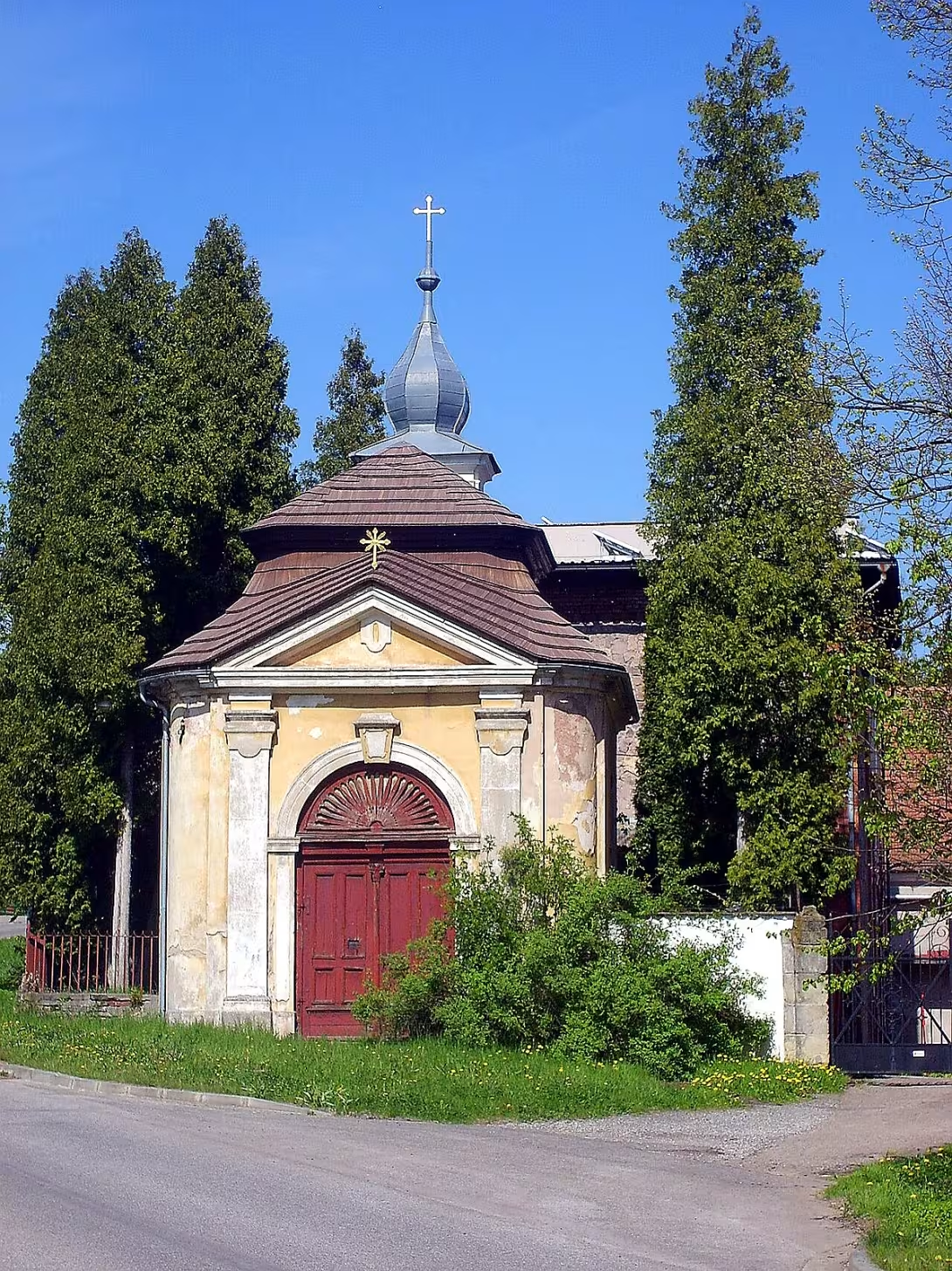
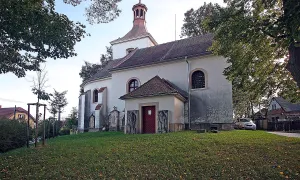
The Chapel of the Sorrowful Mother of God in Olivětín is a Roman Catholic chapel known for its baroque architecture and historical importance in the Czech Republic. Situated centrally in the village near a brewery, this cultural monument reflects early 18th-century architectural developments. Originally built on the site of an earlier wooden chapel from 1601, it was constructed in 1701 by Opot Otmar Daniel Zinke and renovated in 1753.
The chapel's origins date back to a wooden structure erected in 1601. By the early 18th century, when the current stone chapel was built, Bohemia was part of the Habsburg Monarchy, experiencing significant cultural and architectural developments influenced by Baroque art. The transition from wood to stone marked a pivotal moment in its history, mirroring broader European trends in religious architecture.
Architecturally, the chapel is characterized by its baroque style, evident in its square form and four-sided tower above the sanctuary. It features a mansard roof, enhancing its distinctive appearance. A notable interior element is the main altar, which includes a Calvary group from the former Church of St. Cross, dissolved in 1791. Additionally, beneath a 19th-century painting lies an older baroque mural, discovered during restoration efforts by the Faculty of Restoration at Pardubice University in 2017. This finding highlighted the chapel's layered historical narrative and artistic evolution.
Ownership and administration have consistently aligned with its affiliation to the Roman Catholic Church, specifically within the parish of Broumov. The chapel has undergone significant changes over time, particularly during construction and renovation phases, yet it remains a protected cultural monument under Czech law.
Today, while the Chapel of the Sorrowful Mother of God is not accessible for regular worship services, its historical and architectural significance makes it a worthwhile visit. As a preserved example of baroque architecture in the region, it offers insights into the religious and cultural history of Bohemia during the Habsburg Monarchy's influence. Visitors are invited to appreciate this monument as a reflection of past artistic endeavors and spiritual devotion.
Then and now
Drag the slider to compare how the landmark may have looked when it was built with the view today.
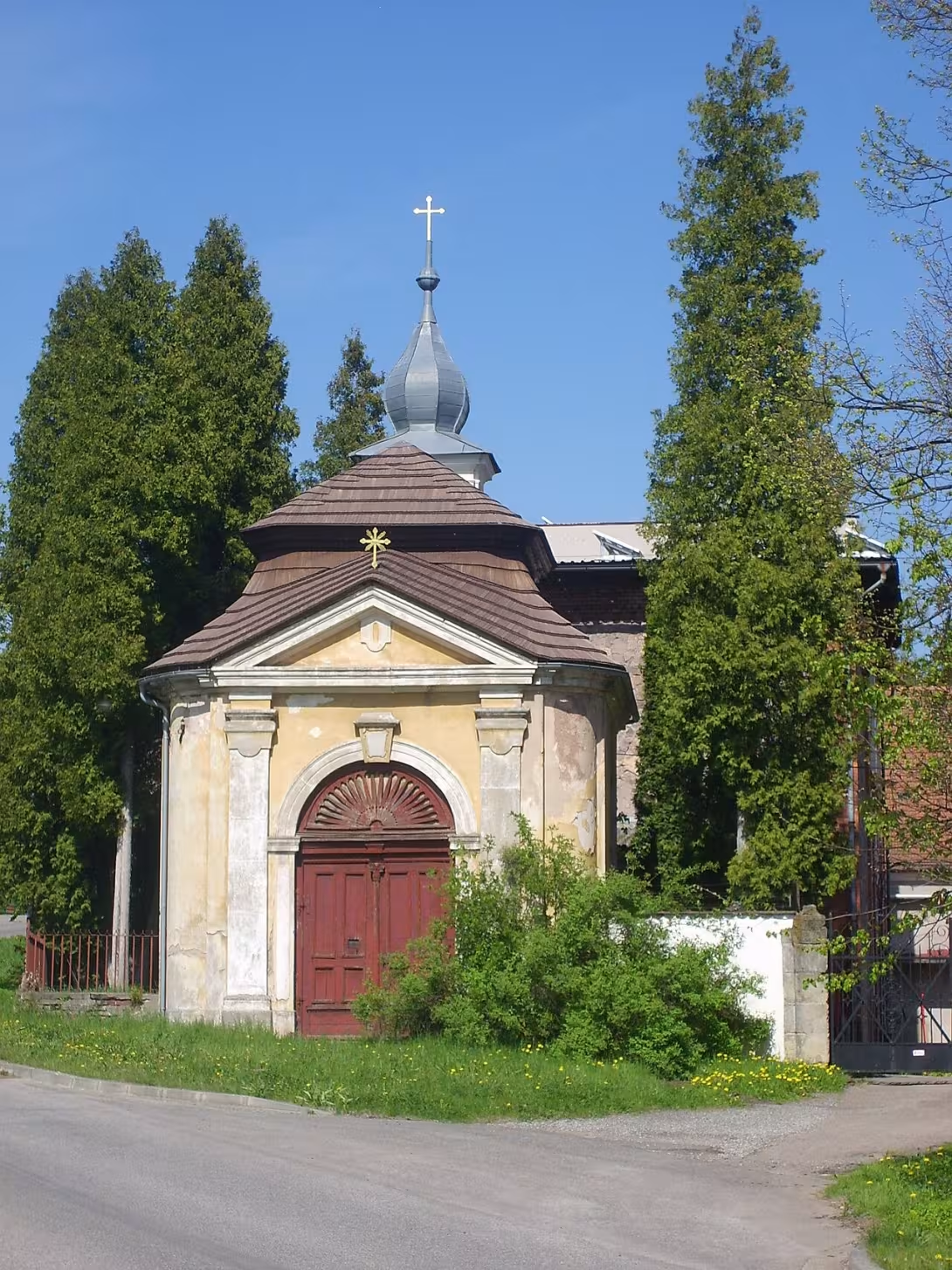
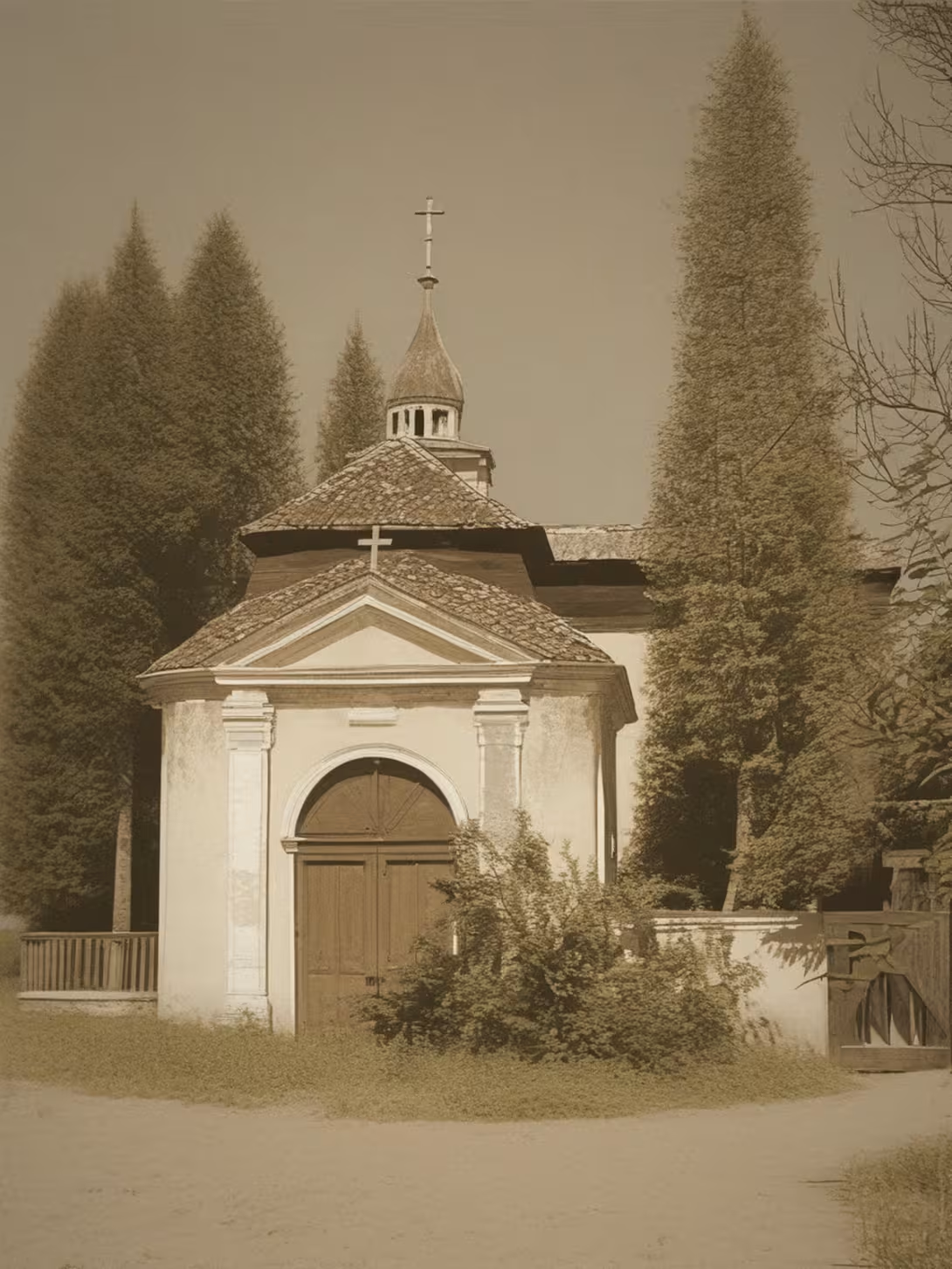
The historical appearance on the left is an AI-generated visualisation and serves as inspiration only.
Historical milestones
- 1601
- An original wooden chapel stood on the site.
- 1701
- The stone chapel was constructed by Opot Otmar Daniel Zinke.
- 1753
- A renovation of the chapel took place.
Architectural development
Initially a wooden structure from 1601, the chapel underwent significant transformation when it was rebuilt as a stone edifice in 1701. The baroque style is evident in its square form and four-sided tower. A renovation occurred in 1753, further enhancing its architectural features.
Historical events
In 1601, an original wooden chapel stood on the site of today's chapel.
The stone chapel was constructed in 1701 by Opot Otmar Daniel Zinke.
A renovation took place in 1753.
Points of interest
- The Chapel of the Sorrowful Mother of God in Olivětín has an intriguing history that began with a wooden chapel built in 1601, which was replaced by the current stone structure to reflect the evolving architectural trends of its time.
- During restoration efforts in 2017, workers discovered an older baroque mural hidden beneath a 19th-century painting, revealing layers of artistic evolution and historical narratives within the chapel's walls.
- The main altar features a Calvary group that originally belonged to the Church of St. Cross, which was dissolved in 1791, adding a layer of historical significance to its interior art collection.
- Architecturally significant for its baroque style, the chapel includes a distinctive four-sided tower above the sanctuary and a mansard roof, showcasing the architectural influences prevalent during the Habsburg Monarchy's reign over Bohemia.
- Despite not being accessible for regular worship services today, the chapel remains an important cultural monument, offering insights into the religious and artistic heritage of the region under the influence of Baroque art.
Guide
This guide is narrated by a synthetic voice generated by artificial intelligence.
Show guide text
This text was created by artificial intelligence and has not been editorially reviewed. It may contain inaccuracies.
Welcome to the Chapel of the Sorrowful Mother of God in Olivětín. As you stand here, surrounded by the serene atmosphere of this quaint village near Broumov, take a moment to soak in your surroundings. The chapel stands proudly at the heart of Olivětín, its presence enhanced by the nearby brewery and the gentle hum of village life.
This sacred site began its journey back in 1601 with a modest wooden structure that served as a place of worship for the local community. Over time, the need for a more enduring sanctuary led to the construction of the stone chapel we see today. In 1701, Opat Otmar Daniel Zinke envisioned and brought to life this baroque masterpiece, replacing the original wooden chapel with a design that would stand the test of time.
As you look around, notice the square structure of the chapel, an architectural choice that reflects both its historical roots and the stylistic preferences of its era. The simplicity and symmetry of the building invite contemplation, offering a peaceful respite from the world outside.
The history of this chapel is marked by significant events, including a notable renovation in 1753, which ensured its continued presence as a beacon of faith and heritage in Olivětín. Although specific historical figures connected to its past remain largely unknown, the story of the chapel itself speaks volumes about the community's dedication to preserving their spiritual legacy.
An intriguing aspect of this chapel is the discovery made during restoration efforts in 2017. While details are still emerging, these findings hint at hidden stories waiting to be uncovered, adding another layer of mystery and allure to your visit.
As you continue exploring, let yourself be drawn into the rich tapestry of history woven into every stone of this cultural monument. The Chapel of the Sorrowful Mother of God is not just a building; it's a testament to faith, resilience, and the enduring spirit of Olivětín.
Thank you for joining us on this journey through time. We invite you to wander further, perhaps around the village or towards other historical sites in Královéhradecký kraj, where each corner holds its own story waiting to be discovered. Until we meet again, may your travels be filled with wonder and discovery.
Tips for visitors
The best time to visit the Chapel of the Sorrowful Mother of God is during late spring or early autumn when the weather is mild, and the surrounding countryside is particularly beautiful. These seasons offer pleasant temperatures for walking around the village and exploring nearby areas without the crowds that may be present in peak summer months. Additionally, visiting during these times allows you to enjoy local events or festivals that might coincide with your trip, enhancing your cultural experience.
It's advisable to check current schedules and routes in advance using a transportation app or website to ensure smooth travel plans.
When visiting the chapel, it’s recommended to bring comfortable walking shoes, especially if you plan to explore beyond the immediate vicinity of the site. A camera is also suggested for capturing the picturesque views and architectural details of the chapel and its surroundings. Additionally, consider bringing a light jacket or sweater as temperatures can vary throughout the day, even in warmer months.
For photography enthusiasts, the best spots around the Chapel of the Sorrowful Mother of God are those that capture both the chapel itself and its natural setting. Early morning or late afternoon provides soft lighting conditions ideal for photographs. The area near the brewery offers a charming backdrop with opportunities to include local architecture in your shots. Be mindful of any restrictions on photography within the chapel itself.
In terms of nearby attractions, visitors can explore Broumov, approximately 30 minutes away by car or public transport. It’s a great place to spend more time exploring historical sites and enjoying local cuisine.
Frequently asked questions
Can the monument be visited?
Religious buildings are usually open mainly during services; at other times a visit is normally arranged with the parish or the operator. We have not verified specific times.
Where is the monument?
Location: Horská, Velká Ves, Broumov, Olivětín, Královéhradecký kraj. The map on this page shows the exact spot.
Why is the monument protected?
It is listed in the Central List of Cultural Monuments of the Czech Republic as a cultural monument (register no. 19652/6-1541).
Businesses nearby
Do you run a restaurant, accommodation, shop, museum, rental, wellness or other visitor service near this monument? Show yourself directly to the people heading to it — this is how they will see you in the app and on the web:
Accommodation nearby
Themed route
Tematická výletní trasa: Kaple Bolestné Matky Boží, Olivětín
1. Kaple Bolestné Matky Boží
- Typ: Religiózní památka
- Proč stojí za návštěvu: Tato malebná barokní kaple je umístěna v idylickém prostředí obce Olivětín a slouží jako klidný duchovní útočiště. Je známá svým historickým významem a architektonickou krásou, která přitahuje návštěvníky hledající pokoj a ponoření do bohaté kulturní tradice oblasti.
2. Kostel svatého Vavřince
- Typ: Katedrála
- Proč stojí za návštěvu: Nachází se v blízkosti kaple a je významnou sakrální budovou, která představuje historii a duchovní život obce. Kostel svatého Vavřince nabízí návštěvníkům možnost prozkoumat jeho bohaté interiéry a si užít klidné ambience, která charakterizuje toto místo.
3. Památník padlým
- Typ: Památník
- Proč stojí za návštěvu: Tento památník je věnován obětem válek a slouží jako místo vzpomínky na historické události, které ovlivnily region. Je to klidné místo pro reflexi a uctívání, kde můžete ocenit význam paměti a odvahy.
4. Zastavěná oblast Olivětína
- Typ: Historické centrum
- Proč stojí za návštěvu: Procházka po ulicích Olivětína nabídne pohled na tradiční českou architekturu a příležitost prozkoumat místní život. Návštěvníci si užijí klidné chůze mezi domy s bohatou historií, což jim umožňuje pocítit atmosféru malého českého městečka.
5. Nádvoří kostela svatého Vavřince
- Typ: Nádvoří
- Proč stojí za návštěvu: Toto místo nabízí klidný prostor pro relaxaci a pozorování místních dějin. Je ideální pro ty, kteří chtějí si užít přírodní krásy obce a zároveň se ponořit do historického kontextu kostela.
Tato trasa vám umožní prozkoumat kulturní a duchovní bohatství obce Olivětín, nabízející kombinaci klidných návštěvních míst a historického zájmu.
Seasonal recommendations
Spring: The spring season brings a gentle awakening to the Chapel of the Sorrowful Mother of God, with blossoming flowers and fresh greenery surrounding the serene landscape of Olivětín. The soft morning light enhances the chapel's historic architecture, creating an enchanting atmosphere perfect for reflection. Visitors should take advantage of the moderate weather by wearing layers that can be easily adjusted to accommodate the fluctuating temperatures typical of this season. Early mornings offer a peaceful experience before larger crowds arrive, allowing for uninterrupted admiration of the chapel’s beauty and its natural surroundings.
Summer: Summer at the Chapel of the Sorrowful Mother of God is characterized by long days filled with warm sunlight that beautifully illuminates the structure, casting dramatic shadows across its walls. The lush greenery around Olivětín reaches its peak vibrancy during this time, providing a picturesque backdrop for visitors. Due to the peak tourist season, it’s advisable to arrive early in the morning or later in the afternoon to avoid crowds and enjoy a more tranquil visit. Comfortable walking shoes and light clothing are recommended, along with sun protection such as hats and sunscreen.
Autumn: Autumn transforms Olivětín into a tapestry of warm colors, with golden leaves creating a stunning contrast against the chapel's historic facade. The cooler temperatures make for comfortable exploration, while the soft, diffused light of the late afternoon enhances the chapel’s architectural details. This season often sees fewer visitors than summer, offering a quieter experience. Visitors should wear layers to adjust to the changing weather and consider bringing an umbrella or raincoat in case of unexpected showers.
Winter: Winter cloaks the Chapel of the Sorrowful Mother of God in a serene blanket of snow, transforming its surroundings into a tranquil winter wonderland. The soft light filtering through bare trees adds a mystical quality to the chapel’s atmosphere, making it a unique experience during this season. Visitors should dress warmly in layers and wear comfortable footwear suitable for potentially icy paths. Given shorter daylight hours, planning your visit earlier in the day is advisable, as well as checking opening times, which may be reduced during winter months.
Visualizations and artistic views


The visualisations are generated by artificial intelligence and serve as inspiration.
Photos from the area
Real photos taken near the monument


Zdroj a licence jsou uvedeny u každého snímku.
Tips from visitors
No tips yet. Be the first!
Log in and add your tip.
Sources and literature
Photos: Jan Pešula / CC0 — Wikimedia Commons. The author and licence also appear when you hover over the image.
Faktickým podkladem tohoto textu byl článek na Wikipedii, jehož autory jsou přispěvatelé Wikipedie. Článek je dostupný pod licencí CC BY-SA 4.0.
Location on the map

Příběhy a pověsti
Legendy, pověsti a příběhy spjaté s touto památkou

Fotografie návštěvníků
Zatím žádné fotografie. Buďte první, kdo přidá fotografii z návštěvy!
Log in a přidejte svou fotografii nebo hodnoťte.
Za ověřenou návštěvu v aplikaci získáte víc bodů — poznáme podle GPS, že jste na místě.
Reviews and comments