



kaple Nanebevzetí Panny Marie (Třebihošť) Chapel
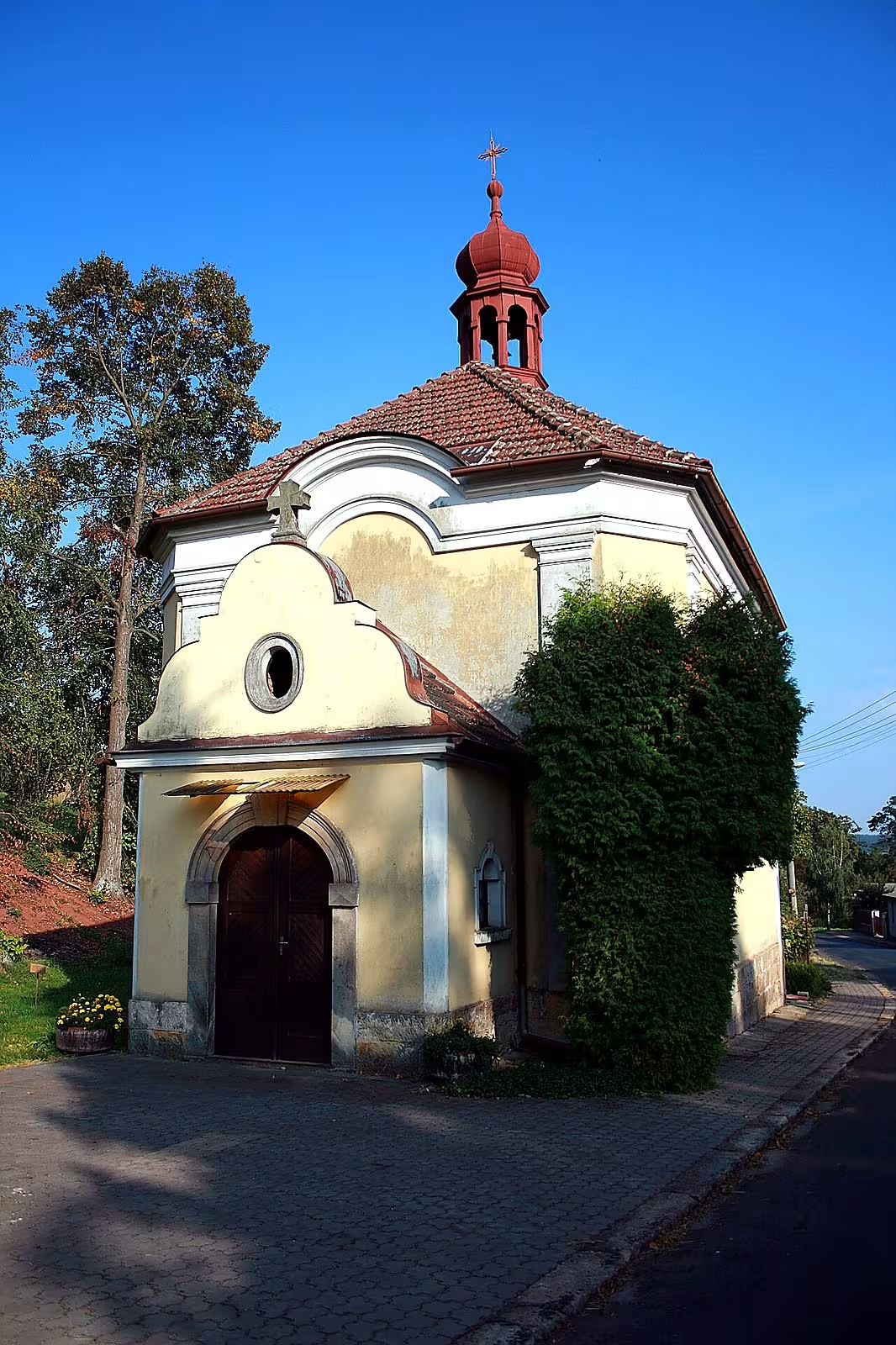
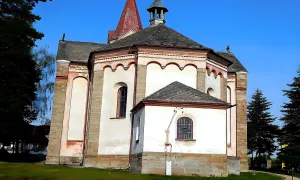
The Chapel of the Assumption of the Virgin Mary in Třebihošť is a Roman Catholic chapel recognized as a cultural monument since June 23, 2021. Situated in this charming town within Královéhradecký kraj, it stands out for its historical significance and architectural evolution. Originally built as a wooden structure in 1754, it was later replaced by a brick building with a barrel-vaulted ceiling in 1822. This transformation reflects both local community involvement and broader cultural influences of the time.
The chapel's origins date back to 1754 when an initial wooden structure was erected. Over the years, significant changes were made, reflecting evolving architectural styles and community needs. By 1822, a brick building with a barrel-vaulted ceiling replaced the original, indicative of the period's architectural trends. The early 19th century, during which this reconstruction took place, saw Bohemia as part of the Austrian Empire—an era marked by cultural and architectural developments influenced by various European styles.
The chapel underwent further enhancements in the late 19th and early 20th centuries. In 1869, a new altar was installed, crafted by sculptor Blažek from Kocléřov. This addition highlights the chapel's ongoing artistic enrichment. Between 1900 and 1901, Antonín Cechner, a renowned architect known for his work on other significant structures like the church in Miletíně, designed and added a nave and porch to the chapel. These architectural contributions significantly shaped its current form.
Throughout its history, the chapel has experienced notable events that add layers to its story. A bell cast in 1823 was initially part of the chapel's ensemble but faced confiscation during World War II by German forces. In response to this loss, a new bell weighing 30 kg was crafted in 1971 by Rudolf Manuška from Zbraslav, ensuring the chapel continued its auditory tradition.
Today, the Chapel of the Assumption of the Virgin Mary stands as both a historical and cultural landmark. Its designation as a protected monument underscores its importance to the region's heritage. Visitors can appreciate not only its architectural beauty but also its rich history, marked by resilience and community spirit. The chapel remains accessible to those interested in exploring a piece of Třebihošť's past, offering insights into both local and broader historical narratives. Its enduring presence invites visitors to reflect on the cultural tapestry it represents and encourages exploration of this remarkable site.
Then and now
Drag the slider to compare how the landmark may have looked when it was built with the view today.
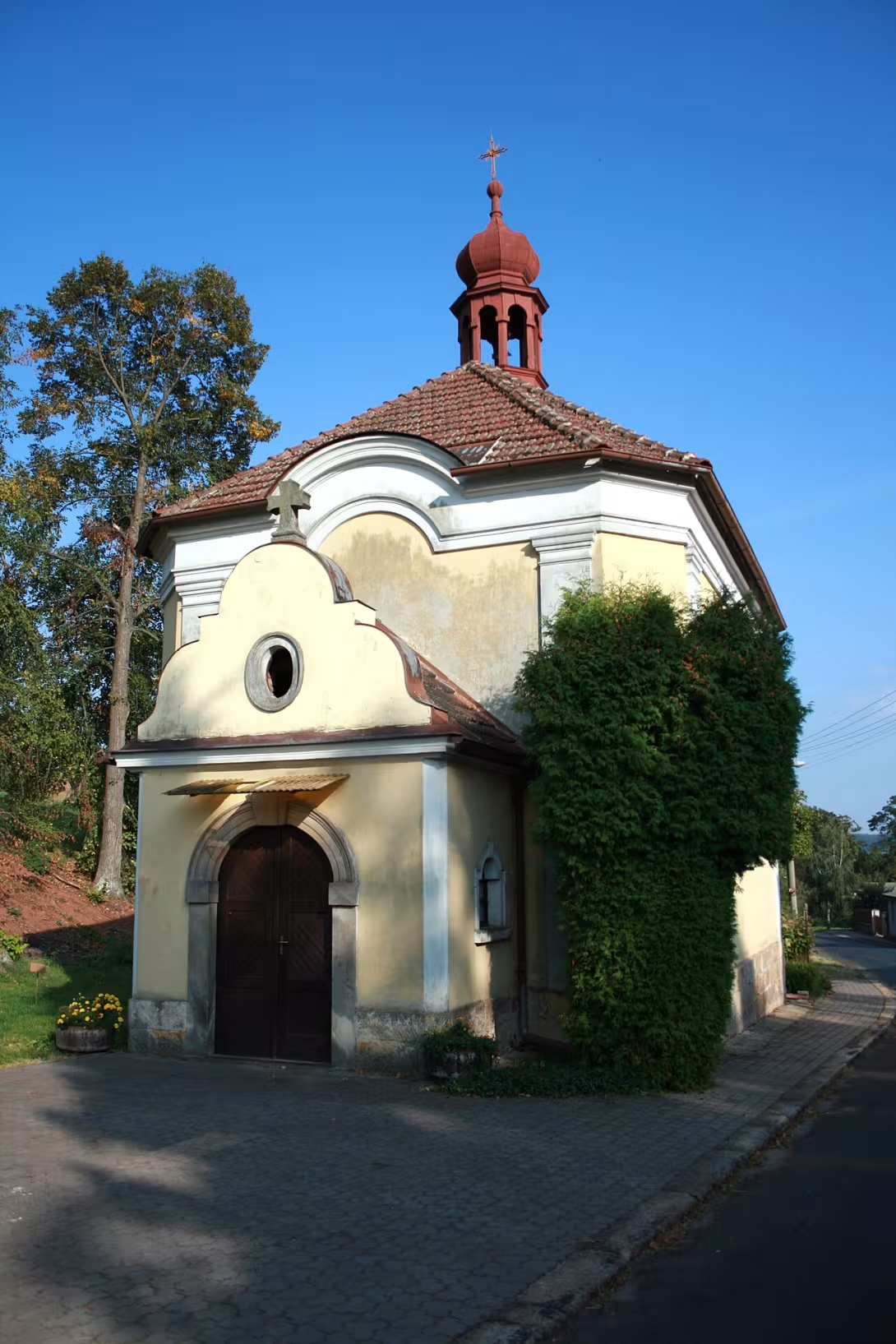
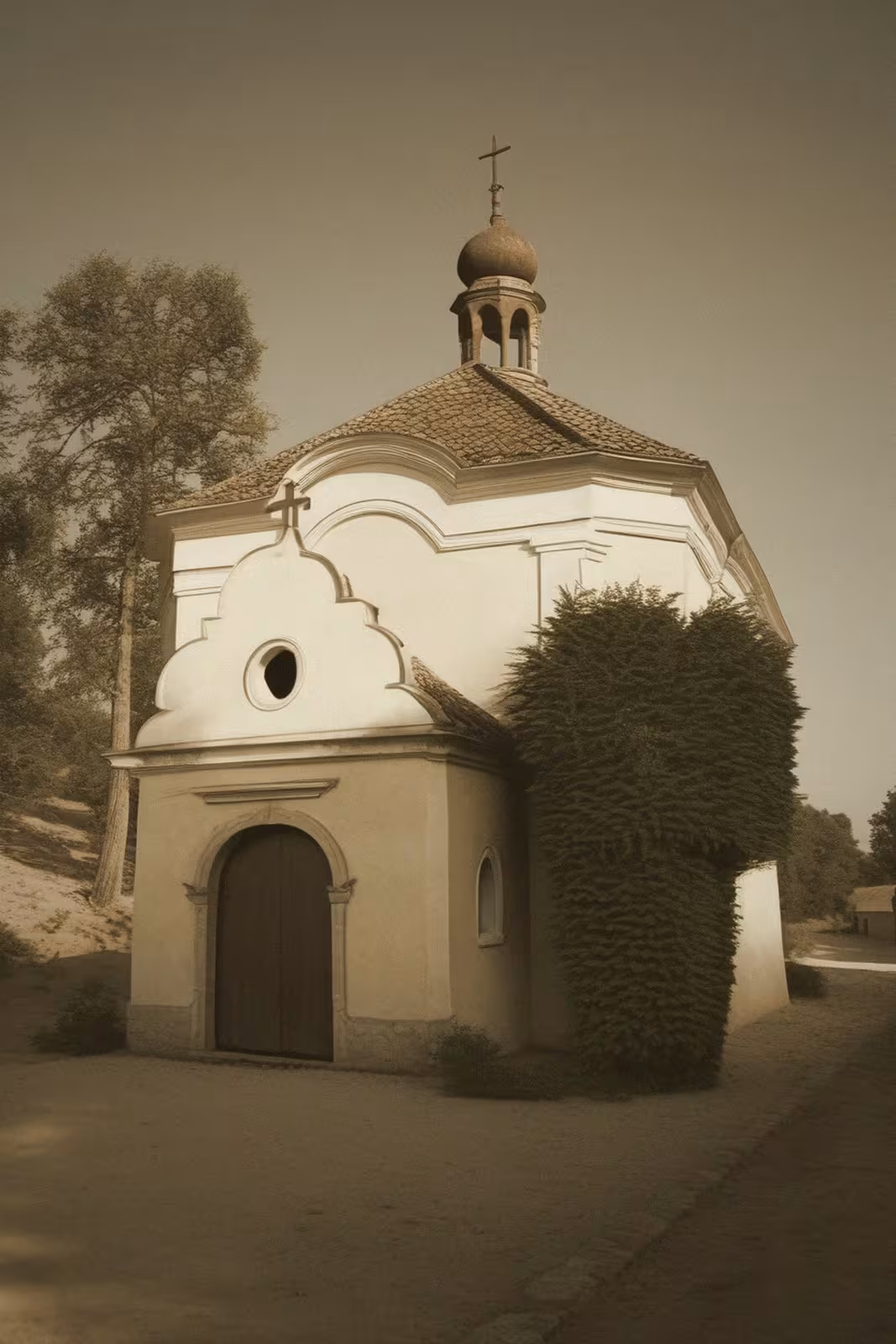
The historical appearance on the left is an AI-generated visualisation and serves as inspiration only.
Historical milestones
- 1754
- Construction of the original wooden chapel.
- 1822
- Building of the current brick chapel with a barrel vaulted ceiling.
- 1869
- Installation of a new altar by Blažek from Kocléřov.
- 1900
- Addition of a nave and porch designed by Antonín Cechner.
Architectural development
The chapel underwent significant architectural changes over the years. Initially built as a wooden structure in 1754, it was replaced by a brick building with a barrel vaulted ceiling in 1822. In 1900-1901, Antonín Cechner designed and added a nave and porch to the chapel. The bell tower also saw changes, with a new bell cast in 1971 after the original from 1823 was confiscated during World War II.
Historical events
- 1754
- The original wooden chapel was constructed.
- 1869
- A new altar by the sculptor Blažek from Kocléřov was installed.
- 1900
- Addition of a nave and porch designed by Antonín Cechner.
Points of interest
- The chapel's transformation from a wooden structure to a brick building with a barrel-vaulted ceiling in 1822 reflects the influence of broader European architectural trends during the Austrian Empire era.
- A bell originally cast in 1823 was confiscated by German forces during World War II, and its replacement, weighing 30 kg, was crafted in 1971 by Rudolf Manuška from Zbraslav, symbolizing resilience through adversity.
- The installation of a new altar in 1869 by sculptor Blažek from Kocléřov highlights the chapel's ongoing artistic enrichment and connection to local craftsmen throughout its history.
- Architect Antonín Cechner, known for his work on other significant structures like the church in Miletíně, designed and added a nave and porch between 1900 and 1901, showcasing the evolving architectural contributions that shaped the chapel's current form.
- Despite its designation as a cultural monument only since June 23, 2021, the chapel has been an integral part of Třebihošť’s heritage for centuries, reflecting both local community involvement and broader historical narratives.
Guide
This guide is narrated by a synthetic voice generated by artificial intelligence.
Show guide text
This text was created by artificial intelligence and has not been editorially reviewed. It may contain inaccuracies.
Welcome to the Chapel of the Assumption of the Virgin Mary in Třebihošť! As you stand here, take a moment to appreciate this serene and historic Roman Catholic chapel, now protected as a cultural monument since June 23, 2021. The air is filled with a sense of history and spirituality that beckons you closer.
Let's delve into its origins. In 1754, the original wooden structure was erected here, serving as a humble place of worship for the community. Fast forward to 1822, when this chapel underwent a significant transformation. A new brick building emerged, featuring a barrel-vaulted ceiling—a testament to the broader European architectural trends during the Austrian Empire era.
Now, observe the architecture around you. The current structure is marked by its sturdy brickwork and elegant barrel vault that draws your eyes upward. Antonín Cechner, an influential architect of his time, left his mark here in 1900 with the addition of a nave and porch, enhancing both functionality and aesthetic appeal.
As we explore further, let's acknowledge some key stories tied to this place. In 1869, Blažek from Kocléřov installed a new altar, enriching the chapel’s spiritual ambiance. And don't miss the bell—cast in 1823—it carries its own tale of resilience, having been confiscated by German forces during World War II.
Now, for an intriguing tidbit: imagine how this small community rallied around their chapel through times of change and adversity. The transformation from wood to brick is not just architectural; it's symbolic of the enduring faith and spirit of those who have gathered here over centuries.
As we conclude our visit, I invite you to take a moment longer to soak in the atmosphere and reflect on its rich history. There’s always more to discover, so feel free to explore further or return another time. Thank you for joining me today at this remarkable chapel in Třebihošť. Safe travels!
Tips for visitors
The best time to visit the Chapel of the Assumption of the Virgin Mary in Třebihošť is during late spring or early autumn. During these seasons, the weather is typically mild and pleasant, making it ideal for exploring the chapel and its surroundings without the discomfort of summer heat or winter cold. Additionally, visiting outside peak tourist seasons can provide a more serene experience, allowing you to appreciate the chapel's historical significance in a quieter setting.
The area is accessible by both car and public transport. For those preferring public transport, check current routes and schedules using a travel search tool or local transportation websites to plan your journey efficiently.
When visiting the chapel, it's advisable to bring comfortable walking shoes, especially if you plan to explore the surrounding area. A camera is recommended for capturing the chapel’s architectural details and serene landscape. Since lighting can vary throughout the day, early morning or late afternoon visits are ideal for photography, as the soft light enhances the chapel's features.
For families with children, visiting the Chapel of the Assumption offers a chance to explore history in an engaging way. While there may not be specific child-friendly activities within the chapel itself, the peaceful environment can provide a calming experience for both parents and kids. Nearby, within a 30-minute drive or walk, are natural landscapes that offer opportunities for outdoor exploration and play.
Frequently asked questions
Can the monument be visited?
Religious buildings are usually open mainly during services; at other times a visit is normally arranged with the parish or the operator. We have not verified specific times.
Where is the monument?
Location: Třebihošť, Královéhradecký kraj. The map on this page shows the exact spot.
Why is the monument protected?
It is listed in the Central List of Cultural Monuments of the Czech Republic as a cultural monument (register no. 106710).
Businesses nearby
Do you run a restaurant, accommodation, shop, museum, rental, wellness or other visitor service near this monument? Show yourself directly to the people heading to it — this is how they will see you in the app and on the web:
Accommodation nearby
Themed route
Třebihošť Thematic Tour
1. Kaple Nanebevzetí Panny Marie (Třebihošť) - Kaple - Proč stojí za návštěvu: Tato kaple je centrálním duchovním a historickým místem v obci, známá svou architektonickou krásou a klidným prostředím. Je ideální pro ty, kteří chtějí zažít místo hlubokého klidu a ponořit se do historie místní komunity.
2. Kostel svatého Václava (Třebihošť) - Kostel - Proč stojí za návštěvu: Tento kostel je další významnou duchovní památkou ve městě, nabízející bohaté historické a architektonické prvky. Navštívte ho pro pochopení náboženského života Třebihošť a prohlédněte si jeho unikátní interiér.
3. Místní trh (Třebihošť) - Tržiště - Proč stojí za návštěvu: Místní trh je skvělým místem pro zkušení autentičnost oblasti, nabízející různé produkty a potraviny od místních prodavačů. Je to také místo setkávání pro místní obyvatele, což poskytuje náhled do každodenního života v Třebihošť.
4. Památník válečným obětem (Třebihošť) - Památník - Proč stojí za návštěvu: Tento památník je věnován válečným obětem a slouží jako místo vzpomínky a uctívání. Je to klidné místo pro reflektování důsledků historických událostí, které ovlivnily místní komunitu.
5. Náměstí Míru (Třebihošť) - Náměstí - Proč stojí za návštěvu: Toto centrální náměstí je srdcem města, nabízející klidnou atmosféru pro relaxaci a procházku. Je to výchozí bod pro poznání kulturního ducha města a jeho architektonické krásy.
Tato trasa nabízí komplexní pohled na Třebihošť, kombinující náboženskou historii, kulturní památky a každodenní život místních obyvatel.
Seasonal recommendations
Spring: Visiting the Nanebevzetí Panny Marie Chapel during spring offers a unique experience as nature begins to awaken around Třebihošť. The surrounding landscape is adorned with blooming wildflowers and fresh greenery, creating an enchanting atmosphere that complements the chapel’s serene beauty. Light rain showers are common in this season, adding a mystical quality to your visit. It's advisable to wear layers due to fluctuating temperatures and carry an umbrella or raincoat for unexpected downpours. Spring mornings can be relatively quiet, making them ideal times to explore without large crowds.
Summer: Summer is the peak time for visiting the chapel, with long daylight hours enhancing the experience of its historical architecture. The lush greenery and vibrant flowers in full bloom provide a picturesque backdrop that enhances the chapel’s charm. However, this season also attracts more visitors, so consider arriving early to enjoy a quieter moment before the crowds increase. Comfortable walking shoes and light clothing are recommended due to warm weather, along with sunscreen and water to stay hydrated during your visit.
Autumn: Autumn brings a spectacular display of colors as the leaves around Třebihošť turn into shades of gold, orange, and red, offering a stunning contrast against the chapel’s historic facade. The cooler temperatures make for pleasant walking conditions, perfect for exploring the surrounding area. As daylight hours shorten, plan to arrive earlier in the day to maximize your time at the site. Layered clothing is advisable to accommodate changing weather throughout the day.
Winter: Winter transforms the Nanebevzetí Panny Marie Chapel into a serene and peaceful destination, often covered with a blanket of snow that adds a magical touch to its surroundings. The shorter daylight hours mean visiting in the morning or late afternoon when there are fewer visitors, allowing for a more intimate experience. Due to colder temperatures, dressing warmly is essential, including wearing thermal layers, hats, gloves, and sturdy boots.
Visualizations and artistic views


The visualisations are generated by artificial intelligence and serve as inspiration.
Photos from the area
Real photos taken near the monument

Zdroj a licence jsou uvedeny u každého snímku.
Tips from visitors
No tips yet. Be the first!
Log in and add your tip.
Sources and literature
Photos: Karelj / Public domain — Wikimedia Commons. The author and licence also appear when you hover over the image.
Faktickým podkladem tohoto textu byl článek na Wikipedii, jehož autory jsou přispěvatelé Wikipedie. Článek je dostupný pod licencí CC BY-SA 4.0.
Location on the map


Příběhy a pověsti
Legendy, pověsti a příběhy spjaté s touto památkou

Fotografie návštěvníků
Zatím žádné fotografie. Buďte první, kdo přidá fotografii z návštěvy!
Log in a přidejte svou fotografii nebo hodnoťte.
Za ověřenou návštěvu v aplikaci získáte víc bodů — poznáme podle GPS, že jste na místě.
Reviews and comments