



Kendeho vila Villa
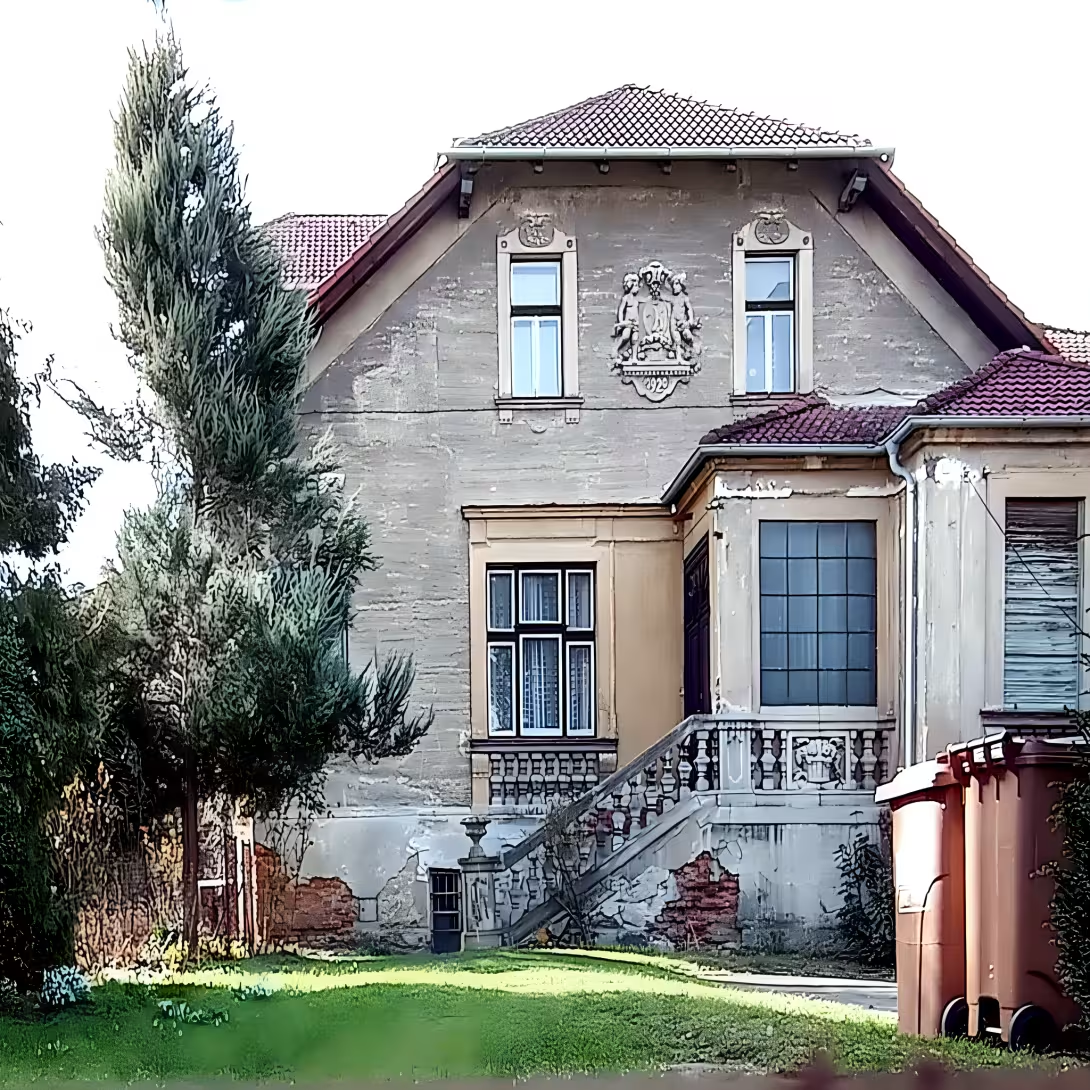
Kendeho Villa is a notable early 20th-century secessionist villa near the historic center of České Budějovice. Constructed in 1920 by Josef Hauptvogel, it stands as an architectural gem with intricate interior wood carvings praised for their uniqueness and craftsmanship. The villa holds historical significance due to its association with the Jewish Kende family, who suffered persecution during World War II. Today, Kendeho Villa is a protected cultural monument, reflecting both architectural beauty and poignant history.
The origins of Kendeho Villa trace back to 1920 when it was built by Viktor Konrad, a director of a mining enterprise in nearby Poříčí. Three years later, the property was acquired by Josef Kohn, who changed his surname to Kende. The villa's historical context is deeply intertwined with cultural and political changes in Czechoslovakia following its establishment in 1918. During this interwar period, there was a flourishing of arts and architecture, influencing designs like Kendeho Villa.
Architecturally, Kendeho Villa features a three-story structure designed by Josef Hauptvogel, who also contributed to other significant buildings in České Budějovice. The villa's exterior includes an original garden with remnants of an ornamental staircase and balustrade, including a unique vase from the entrance balustrade that has been preserved. Inside, the villa boasts exceptional wood carvings, particularly on the ground floor, highlighted for their artistic value by cultural authorities.
Ownership of Kendeho Villa changed dramatically during its history. After Josef Kohn's acquisition and subsequent name change to Kende, the family faced tragic persecution during World War II, with many members becoming victims of Nazi concentration camps. The Nazis occupied the villa, converting parts into cells for their use. Post-war, the property remained a poignant reminder of these dark times.
Key events in the villa's history include its designation as a protected cultural monument by the Czech Republic in 2023, recognizing its architectural and historical significance. In 2024, Kendeho Villa was opened to the public with exhibitions focusing on Jewish history in České Budějovice, organized by Post Bellum – Paměť národa Jižní Čechy.
Today, Kendeho Villa stands as a testament to both architectural innovation and historical resilience. It is accessible to visitors who wish to explore its richly decorated interiors and learn about the lives of the Jewish community in České Budějovice. The villa's preservation and public opening underscore its importance as a cultural monument, making it a must-visit for those interested in history and architecture.
Kendeho Villa offers a unique opportunity to reflect on intertwined narratives of architectural beauty and historical memory. Visitors are invited to explore this remarkable site, where the echoes of the past meet the craftsmanship of an era long gone.
Then and now
Drag the slider to compare how the landmark may have looked when it was built with the view today.
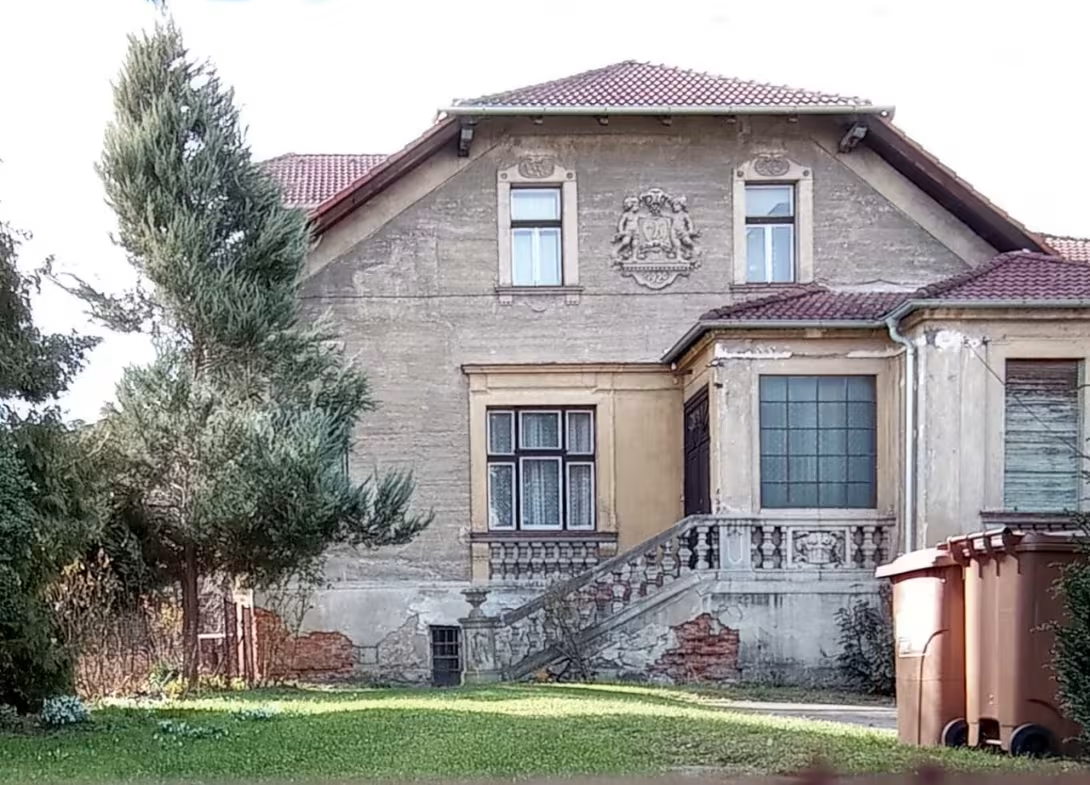

The historical appearance on the left is an AI-generated visualisation and serves as inspiration only.
Historical milestones
- 1920
- Villa Kende was built by architect Josef Hauptvogel.
- 1923
- The ownership of the villa passed to Josef Kohn, who changed his name to Kende.
- 1939
- The Nazi occupation caused a tragedy for the Kende family during World War II.
- 1945
- The end of World War II and the Nazi occupation of the villa.
- 2023
- Villa Kende was declared a protected cultural monument of the Czech Republic.
- 2024
- The opening of the villa to the public with exhibitions focused on Jewish history in České Budějovice.
Architectural development
Designed by Josef Hauptvogel, Kendeho vila is characterized by its three-story structure and original garden features. The interior boasts exceptional wood carvings that have been highlighted for their artistic value. During WWII, the Nazis converted parts of the villa into cells.
Historical events
1920: Construction completed by Viktor Konrad
2023: Designated as a protected cultural monument
2024: Opened to the public with exhibitions on Jewish history in České Budějovice
Owners
1920: Viktor Konrad
1923: Josef Kohn (surname changed to Kende)
Nazi occupation during WWII
Points of interest
- Kendeho Villa's intricate interior wood carvings are unique in their design and craftsmanship, making them a standout feature of early 20th-century secessionist architecture. - The villa was initially constructed by Viktor Konrad, who was a director of a mining enterprise, highlighting its connection to the industrial history of the region before becoming associated with the Kende family. - During World War II, parts of Kendeho Villa were repurposed into cells by the Nazis, marking it as a site of persecution and resilience for the Jewish community in České Budějovice. - The villa's original garden features remnants of an ornamental staircase and balustrade, with a unique vase from the entrance that has been preserved, adding to its historical charm. - In 2024, Kendeho Villa opened to the public with exhibitions focused on Jewish history in České Budějovice, organized by Post Bellum – Paměť národa Jižní Čechy, emphasizing its role in cultural education and remembrance.
Guide
This guide is narrated by a synthetic voice generated by artificial intelligence.
Show guide text
This text was created by artificial intelligence and has not been editorially reviewed. It may contain inaccuracies.
Kende Villa is a First Republic family house on Otakarova Street, not far from the historic center of České Budějovice. Viktor Konrad, director of a mining company in nearby Poříčí, had it built in 1920. Three years later, the house was acquired by Jewish businessman Josef Kohn, who decided to change his family name to Kende.
The fate of this significant Jewish family was marked by the Second World War. Most of its members perished in Nazi concentration camps, in Terezín, Auschwitz, Mauthausen, Dachau, or Flossenbürg. High school student Harry Kende, who was not yet eighteen years old, also died in Flossenbürg. Only one family member survived the war, composer Rudolf Kende. He lived from 1910 to 1958 and is buried in the Jewish cemetery in České Budějovice. The Paměť národa association proposed placing stumbling stones in front of the house. A stone already commemorates the student Kende in front of the gymnasium building on Česká Street.
The Nazis confiscated the house and placed their security police headquarters there. Cells that they created and used during the war are still preserved in the interior today.
The construction was carried out by local builder Josef Hauptvogel from České Budějovice. He built other significant buildings in the city, including the present-day South Bohemian Museum and Lamezanova Villa. The three-story house is surrounded by a garden where fragments of the original staircase, decorative railing, and vase pedestals have remained. One vase has been preserved as part of the entrance balustrade.
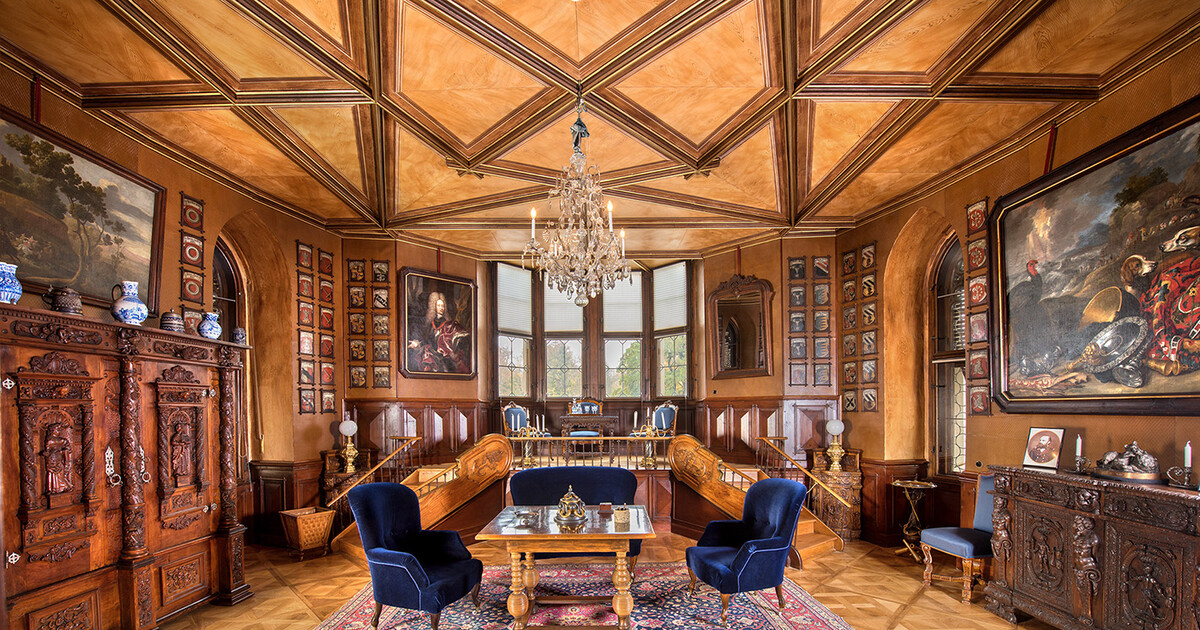
However, the most valuable feature is the interior. Above all, the ground floor is decorated with rich carved ornamentation. A spokesperson for the Ministry of Culture described it as absolutely unique, unprecedented, and magnificent. The National Heritage Institute states that in terms of the quality of the interior decoration craftsmanship, the villa is comparable to the significance of Hardtmuth Villa.
In February 2023, the building was inscribed in the cultural monuments register on the proposal of architect Vladimír Musil from the Club of Friends of České Budějovice. On May eighth, 2024, the villa was ceremonially opened to the public by the organization Post Bellum, Paměť národa South Bohemia. The City of České Budějovice has expressed an interest in purchasing the house. It wants to establish a museum there that would commemorate the lives and fates of the Jewish inhabitants of the city.
Tips for visitors
The best time to visit Kendeho vila is during the late spring or early autumn months when the weather is pleasant, allowing you to comfortably explore both the interior and surrounding areas of České Budějovice. During these times, the natural light enhances the intricate wood carvings inside the villa, making it an ideal period for appreciating its architectural beauty.
For the most current transportation details, it's recommended to check local transit websites or apps.
When planning your visit, consider bringing comfortable walking shoes as you'll likely explore both the villa and its surroundings on foot. A camera is advisable for capturing the unique architectural features of Kendeho vila, especially during golden hour when the light beautifully accentuates the woodwork. Additionally, carrying a water bottle and some snacks can enhance your experience if you plan to spend several hours exploring.
For families with children visiting Kendeho vila, there are engaging activities nearby within a 30-minute walk or drive. The historic center of České Budějovice offers various attractions suitable for all ages, including parks and museums that provide both educational and recreational opportunities. These areas allow families to enjoy a day out exploring the rich cultural heritage of the region.
Frequently asked questions
Can the monument be visited?
Some buildings of this kind are open for guided tours, others serve another purpose or are privately owned. We have not verified whether and when this monument is open – please ask the operator.
What are the opening hours and admission?
We have not verified the opening hours or admission. Current information is published by the operator.
Where is the monument?
Location: České Budějovice 3, Jihočeský kraj. The map on this page shows the exact spot.
Why is the monument protected?
It is listed in the Central List of Cultural Monuments of the Czech Republic as a cultural monument (register no. 2000009465).
Businesses nearby
Do you run a restaurant, accommodation, shop, museum, rental, wellness or other visitor service near this monument? Show yourself directly to the people heading to it — this is how they will see you in the app and on the web:
Events nearby
Zdroj akcí: otevřená data měst a obcí ČR (Národní katalog otevřených dat) a kalendář akcí Národního památkového ústavu.
Accommodation nearby
Trips and activities nearby
Guided tours, tickets and activities nearby from GetYourGuide
Affiliate link: if you buy from the partner, we may receive a commission. The price for you does not change.
Search tours and activities →Themed route
Kendeho Vila Thematická Trasa
1. Kendeho Vila (Vila) Start your visit at Kendeho Villa, the oldest preserved residential building in the city of České Budějovice. This historic 16th-century structure offers visitors a glimpse into architectural beauty and the rich history of the Renaissance period. It's an ideal place to understand local heritage and culture.
2. Kostel svatého Jiljí (Kostel) Head into the city center to visit St. Giles' Church, just a few minutes’ walk from Kendeho Villa. This baroque church is renowned for its impressive architecture and historical frescoes. It's perfect for those who want to learn more about the religious past of České Budějovice.
3. Náměstí Svobody (Veřejný prostor) Continue on to Freedom Square, which is at the heart of the city and just a short walk from St. Giles' Church. This historic square is known for its beautiful architecture and cafes. It's an ideal spot for relaxation and exploration, where you can enjoy the atmosphere of this ancient city.
4. Městský dům (Historický objekt) After visiting Freedom Square, take a look at Town Hall, which is nearby and offers views over the city. This historic building once served as the town hall and is known for its rich interiors and architectural details. It's an excellent example of baroque architecture in České Budějovice.
5. Kendeho Vila - Nádvoří (Park) End your tour by returning to Kendeho Villa, this time taking a look at its beautiful courtyard. This area offers a peaceful space for relaxation and is ideal for understanding the villa's overall context within the urban environment. It's a great way to conclude your visit with views of historical architecture and natural beauty.
This route provides a comprehensive view of the history and culture of České Budějovice, beginning and ending at Kendeho Villa.
Seasonal recommendations
Spring: Visiting Kendeho vila during spring offers a unique experience as the surrounding landscape bursts into vibrant colors with blooming flowers and lush greenery, creating an enchanting atmosphere. The soft spring light enhances the beauty of the historic architecture, making it an ideal time for photography enthusiasts. Visitors should be prepared for occasional showers by bringing a light raincoat or umbrella. While the weather is generally mild, wearing layers can help adapt to fluctuating temperatures throughout the day.
Summer: Summer at Kendeho vila is characterized by long daylight hours and warm weather, perfect for exploring the gardens and outdoor spaces in comfort. The villa's open-air areas are particularly inviting during this season, offering a refreshing escape from the summer heat. It's advisable to visit early in the morning or later in the afternoon to avoid peak tourist times and enjoy a more tranquil experience. Don't forget to wear sunscreen and comfortable clothing suitable for warm weather.
Autumn: Autumn brings a magical transformation to Kendeho vila, with the surrounding nature donning hues of orange, red, and gold. The cooler temperatures make it an ideal time for leisurely strolls through the villa's grounds, enjoying the crisp air and picturesque scenery. Visitors should dress in layers to accommodate the changing weather conditions typical of this season. This period often sees fewer tourists, providing a more serene environment to appreciate the historic site.
Winter: Winter at Kendeho vila offers a unique charm with its quiet atmosphere and snow-covered landscapes, creating a serene backdrop for exploring the villa's interiors. The shorter daylight hours mean that visits should be planned earlier in the day, as some areas may close earlier due to reduced natural lighting. Visitors are advised to wear warm clothing and sturdy footwear suitable for potentially icy conditions. Despite the cold, this season provides an intimate opportunity to experience the villa away from the summer crowds.
Visualizations and artistic views


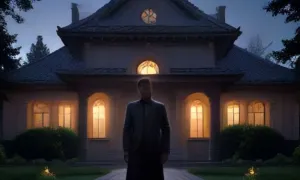
The visualisations are generated by artificial intelligence and serve as inspiration.
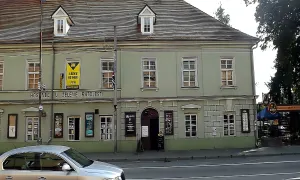
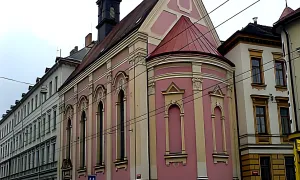
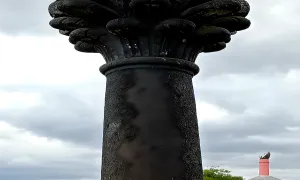
Photos from the area
Real photos taken near the monument


Zdroj a licence jsou uvedeny u každého snímku.
Tips from visitors
No tips yet. Be the first!
Log in and add your tip.
Sources and literature
Photos: Czeva / CC BY-SA 4.0, rozlišení zvýšeno umělou inteligencí — Wikimedia Commons. The author and licence also appear when you hover over the image.
Faktickým podkladem tohoto textu byl článek na Wikipedii, jehož autory jsou přispěvatelé Wikipedie. Článek je dostupný pod licencí CC BY-SA 4.0.
Location on the map


Příběhy a pověsti
Legendy, pověsti a příběhy spjaté s touto památkou
Fotografie návštěvníků
Zatím žádné fotografie. Buďte první, kdo přidá fotografii z návštěvy!
Log in a přidejte svou fotografii nebo hodnoťte.
Za ověřenou návštěvu v aplikaci získáte víc bodů — poznáme podle GPS, že jste na místě.
Reviews and comments