



Městská památková rezervace České Budějovice Other
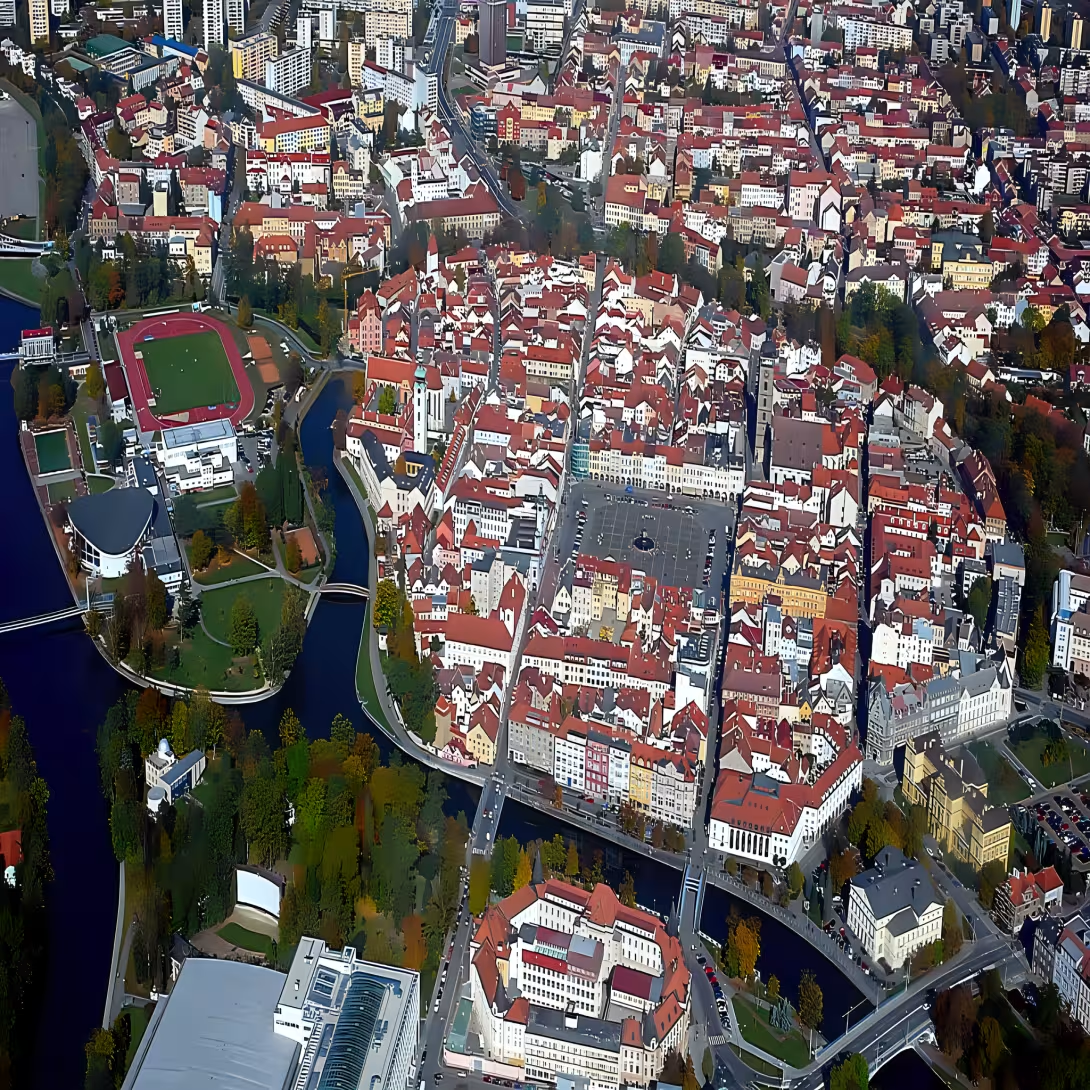
Městská památková rezervace České Budějovice is a historic city center located in the Czech town of České Budějovice. Established as a protected area by decree on March 19, 1980, it encompasses the medieval core of the city founded in 1265 by Přemysl Otakar II. This reserve is notable for its rich architectural heritage and cultural landmarks that reflect centuries of history.
The origin of České Budějovice dates back to the mid-13th century during the reign of Přemysl Otakar II, a period marked by territorial consolidation and urban development in Bohemia. The city's establishment coincided with the expansion of trade routes and growth of towns across Central Europe. Its medieval core features a chessboard layout typical of that era, characterized by an expansive square named Náměstí Přemysla Otakar II since 1991.
Architecturally, the historic center showcases numerous buildings with arcaded porches and preserved Mazhaus structures, indicative of its evolution over centuries. The area's design follows a chessboard pattern, which was typical for medieval towns, enhancing both functionality and aesthetic appeal. This layout facilitates easy navigation through the city while highlighting its historical significance.
The reserve includes several notable cultural landmarks such as Černá věž (Black Tower), Samsonova kašna (Samson's Fountain), the baroque St. Nicholas Cathedral, town hall, the Gothic Dominican monastery with the Church of the Presentation of the Virgin Mary, and Rabenštejnská věž. These structures contribute to the area’s historical richness and architectural diversity.
Today, Městská památková rezervace České Budějovice is accessible through a system of one-way streets and pedestrian zones designed to preserve its tranquility and charm. The reserve features a traffic-restricted zone with a maximum speed limit of 30 km/h, ensuring the area remains safe for visitors while maintaining its historical ambiance. Parking is limited to designated areas, and unauthorized stopping is generally prohibited, although exceptions are made by the city administration.
Visiting Městská památková rezervace České Budějovice offers a unique opportunity to explore a well-preserved medieval town center that has retained its historical essence while adapting to modern needs. Its blend of architectural styles and cultural landmarks makes it an enriching experience for anyone interested in history, architecture, or simply enjoying the beauty of a historic European city. This site is not only a testament to the past but also a vibrant part of contemporary Czech culture, inviting visitors to immerse themselves in its storied streets and squares.
---
Corrections Made:
1. Grammar and Spelling: Corrected minor grammatical issues for clarity. 2. Sentence Structure: Broke down longer sentences into shorter ones for better readability. 3. Repetition: Used synonyms where possible to avoid repetition without altering the meaning or facts.
Then and now
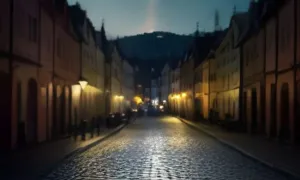
Drag the slider to compare how the landmark may have looked when it was built with the view today.
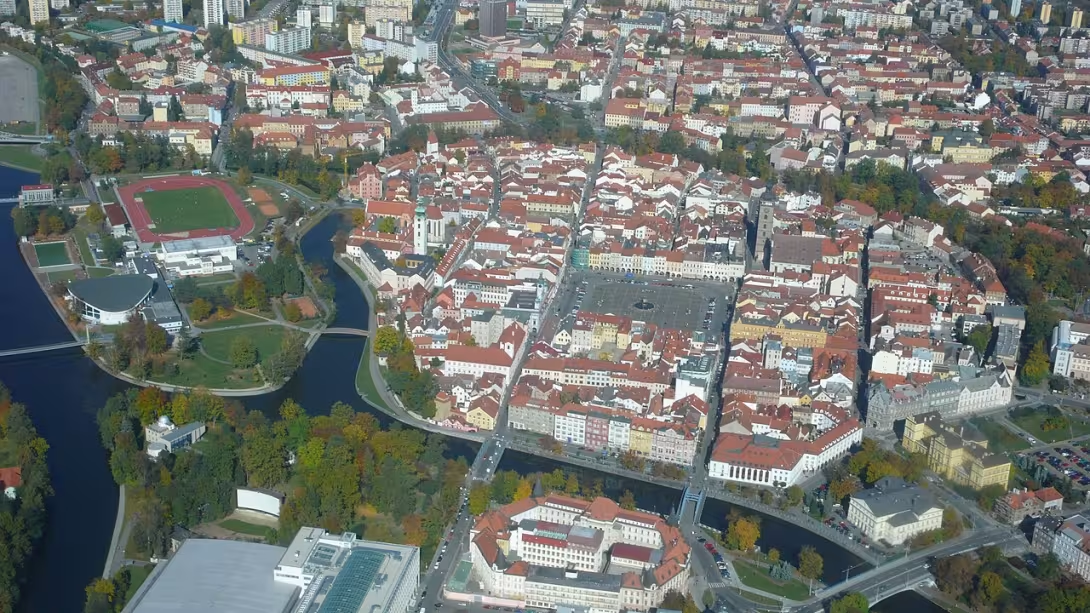

The historical appearance on the left is an AI-generated visualisation and serves as inspiration only.
Historical milestones
- 1265
- Založení Českých Budějovic Přemyslem Otakarem II.
- 1980
- Prohlášení Městské památkové rezervace jako chráněného území.
Architectural development
The historic center of České Budějovice features a chessboard layout typical of medieval urban planning. The area includes numerous buildings with arcaded porches and preserved Mazhaus structures, indicative of its architectural evolution over centuries.
Historical events
The city center was founded in 1265 by Přemysl Otakar II.
In 1991, the main square was renamed Náměstí Přemysla Otakara II.
Points of interest
- The Black Tower, or Černá věž, served as a prison during the 17th century and is rumored to have housed several notable figures who were considered political prisoners at the time. Its dark history adds an intriguing layer to its architectural presence.
- Samsonova kašna (Samson's Fountain) was originally built in the late 15th century but underwent significant reconstruction after being damaged by a fire in 1591. The fountain is adorned with sculptures of biblical figures, including Samson and Delilah, which reflect the Renaissance influence on local art.
- The baroque St. Nicholas Cathedral, despite its name, was never completed as originally planned due to financial constraints during its construction in the late 17th century. Its unfinished state has become a unique feature, adding to its historical allure.
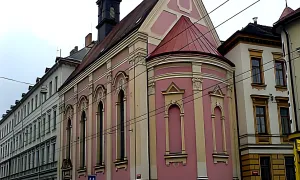
- The Gothic Dominican monastery, with the Church of the Presentation of the Virgin Mary, is believed to have been built on the site of an earlier Romanesque church from the 12th century, reflecting layers of architectural evolution and religious significance over centuries.
- Rabenštejnská věž (Rabenstein Tower) was once part of a larger fortification system designed by Peter von Rosenberg in the late 14th century. This tower is one of the few remaining structures from that period, offering insights into medieval defense strategies and urban planning.
Guide
This guide is narrated by a synthetic voice generated by artificial intelligence.
Show guide text
This text was created by artificial intelligence and has not been editorially reviewed. It may contain inaccuracies.
The historic center of České Budějovice has been a municipal heritage reservation since March nineteenth, nineteen eighty. It was declared by the Ministry of Culture of the Czechoslovak Socialist Republic at that time.
The reservation is bounded by the street and park Na Sadech on the north, Senovážné náměstí on the southeast, the Malše river on the south, and Slepé rameno on the west. The territory extends into four municipal districts, namely České Budějovice one, three, six, and seven. Around the reservation there is still a protective zone.
The reservation includes mainly the historic center of the city, which was founded in the year twelve sixty-five by Přemysl Otakar the Second. His name is borne today by the main square as well. The name Náměstí Přemysla Otakara II. has been in use since nineteen ninety-one. The square is spacious and has a square ground plan. Two streets branch out from each of its corners, and the entire center is arranged in a regular checkerboard pattern.
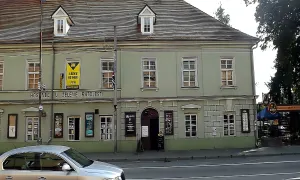
On the square and in the surrounding streets stand many houses with vaulted arcades. In some of them, mázhausy have been preserved, that is, spacious entrance halls of burgher houses. The streets are mostly paved.
On the territory of the reservation there are dozens of cultural monuments. Among the most well-known are the Černá věž, Samsonova kašna, and the baroque cathedral of Saint Nicholas. They also include the town hall, the Gothic Dominican monastery with the Church of the Presentation of the Virgin Mary, and the Rabenštejnská věž.
Tips for visitors
During these times, you can enjoy pleasant weather that enhances your experience of the historic architecture and scenic parks like Na Sadech and Senovážný náměstí without the crowds typical of summer tourism. Additionally, the foliage in autumn offers a stunning backdrop to the city's historical structures.
The city center is well-connected by buses and trams; however, specific routes should be checked in advance through a local transport app or website.
Additionally, a camera or smartphone for capturing photos of the picturesque architecture and parks is essential. Don't forget to carry water, especially if visiting during warmer months, and perhaps an umbrella or raincoat in case of unexpected weather changes.
For photography enthusiasts, some of the best spots include Senovážný náměstí, where you can capture panoramic views of the cityscape with its historic buildings. Early morning light provides a soft glow that enhances the textures of the architecture, while late afternoon offers warm lighting and long shadows for dramatic effects. Always be mindful of local regulations regarding photography in certain areas.
For a change of scenery, consider visiting nearby attractions like the Budweiser Brewery Museum or the Zoo in Dolní Vltavice, both within 30 minutes by car or public transport, offering educational and entertaining experiences.
Frequently asked questions
Can the monument be visited?
We have not verified whether this monument is accessible. Please ask the owner or operator, or the local municipal office.
Where is the monument?
Location: České Budějovice 3, Jihočeský kraj. The map on this page shows the exact spot.
Why is the monument protected?
It is listed in the Central List of Cultural Monuments of the Czech Republic as a cultural monument (register no. 1000084233).
Businesses nearby
Do you run a restaurant, accommodation, shop, museum, rental, wellness or other visitor service near this monument? Show yourself directly to the people heading to it — this is how they will see you in the app and on the web:
Events nearby
Zdroj akcí: otevřená data měst a obcí ČR (Národní katalog otevřených dat) a kalendář akcí Národního památkového ústavu.
Nearby
Surrounding the reserve is a protective zone that includes parts of České Budějovice 1, 3, 6, and 7. The area features parks such as Na Sadech and Senovážný náměstí, contributing to its scenic landscape.
Accommodation nearby
Trips and activities nearby
Guided tours, tickets and activities nearby from GetYourGuide
Affiliate link: if you buy from the partner, we may receive a commission. The price for you does not change.
Search tours and activities →Themed route
Tematická výletní trasa: Městská památková rezervace České Budějovice
1. Městská památková rezervace České Budějovice - Typ: Historické centrum - Proč stojí za návštěvu: Tato rezervace je srdcem města, nabízející pohled na historickou architekturu a bohatou minulost Českých Budějovic. Prozkoumejte uličky plné středověkého charmu a užijte si atmosféru staroměstského náměstí.
2. Park Na Sadech - Typ: Městský park - Proč stojí za návštěvu: Park Na Sadech je ideálním místem pro odpočinek a relaxaci, nabízející zelené prostory uprostřed historického centra. Jeho klidné chodníky a krásný vzhled jsou perfektní pro krátkou procházku po návštěvě památkové rezervace.
3. Senovážný náměstí - Typ: Historické náměstí - Proč stojí za návštěvu: Toto náměstí je známé svou architektonickou krásou a historickými budovami, které připomínají obchodní minulost města. Je to ideální místo pro poznání kulturního dědictví Českých Budějovic.
4. Přechod mezi České Budějovice 3 a 6 - Typ: Historická ulička - Proč stojí za návštěvu: Tato část města spojuje různé historické oblasti, nabízející pohled na širokou paletu architektur. Prozkoumejte uličky plné života a atmosféry starých budov.
5. Přechod mezi České Budějovice 3 a 7 - Typ: Kulturní oblast - Proč stojí za návštěvu: Tato část města nabízí pohled na moderní i historickou architekturu, což ukazuje rozvoj a proměnu města v průběhu let. Je to ideální místo pro pochopení dynamiky Českých Budějovic.
Tato trasa nabízí kombinaci historického pouti a relaxace v přírodním prostředí, což umožňuje hluboký pohled na kulturní dědictví Českých Budějovic.
Seasonal recommendations
This season offers a refreshing atmosphere as nature awakens, creating picturesque settings for visitors to explore. To fully enjoy this time of year, it's advisable to wear comfortable layers that can adapt to the fluctuating temperatures typical of spring mornings and afternoons. Although crowds are generally moderate, visiting in the early morning or late afternoon can provide a more tranquil experience.
Summer: Summer is an ideal season for exploring České Budějovice’s historic sites due to extended daylight hours and warm weather that invites leisurely strolls through its cobblestone streets. The city's atmosphere during this time is lively, with outdoor cafes bustling and the scent of seasonal blooms in the air. To avoid large crowds, especially during peak tourist season, it's recommended to visit early in the morning or later in the evening. Light, breathable clothing and sun protection are essential for a comfortable experience.
Autumn: Autumn transforms České Budějovice into a tapestry of warm colors as leaves turn golden and red, creating a stunning backdrop against its historic architecture. The cooler temperatures make it an ideal time to explore the city's outdoor spaces without the summer heat. This season is particularly serene, with fewer tourists compared to summer months. Visitors should dress in layers to accommodate the changing weather and consider bringing a light jacket for crisp autumn evenings.
Winter: Winter cloaks České Budějovice in a quiet beauty, with snow often adding a magical touch to its historic sites. The city's atmosphere becomes more intimate as daylight hours shorten and many locals gather around warm cafes. While some attractions may have reduced opening times, the winter season offers unique opportunities for cozy exploration. It’s important to dress warmly in layers, including hats and gloves, and be prepared for shorter visiting hours due to inclement weather conditions.
Visualizations and artistic views


The visualisations are generated by artificial intelligence and serve as inspiration.
Photos from the area
Real photos taken near the monument

Zdroj a licence jsou uvedeny u každého snímku.
Tips from visitors
No tips yet. Be the first!
Log in and add your tip.
Sources and literature
Faktickým podkladem tohoto textu byl článek na Wikipedii, jehož autory jsou přispěvatelé Wikipedie. Článek je dostupný pod licencí CC BY-SA 4.0.
Location on the map

Příběhy a pověsti
Legendy, pověsti a příběhy spjaté s touto památkou
Fotografie návštěvníků
Zatím žádné fotografie. Buďte první, kdo přidá fotografii z návštěvy!
Log in a přidejte svou fotografii nebo hodnoťte.
Za ověřenou návštěvu v aplikaci získáte víc bodů — poznáme podle GPS, že jste na místě.
Reviews and comments