



Kestřany Castle
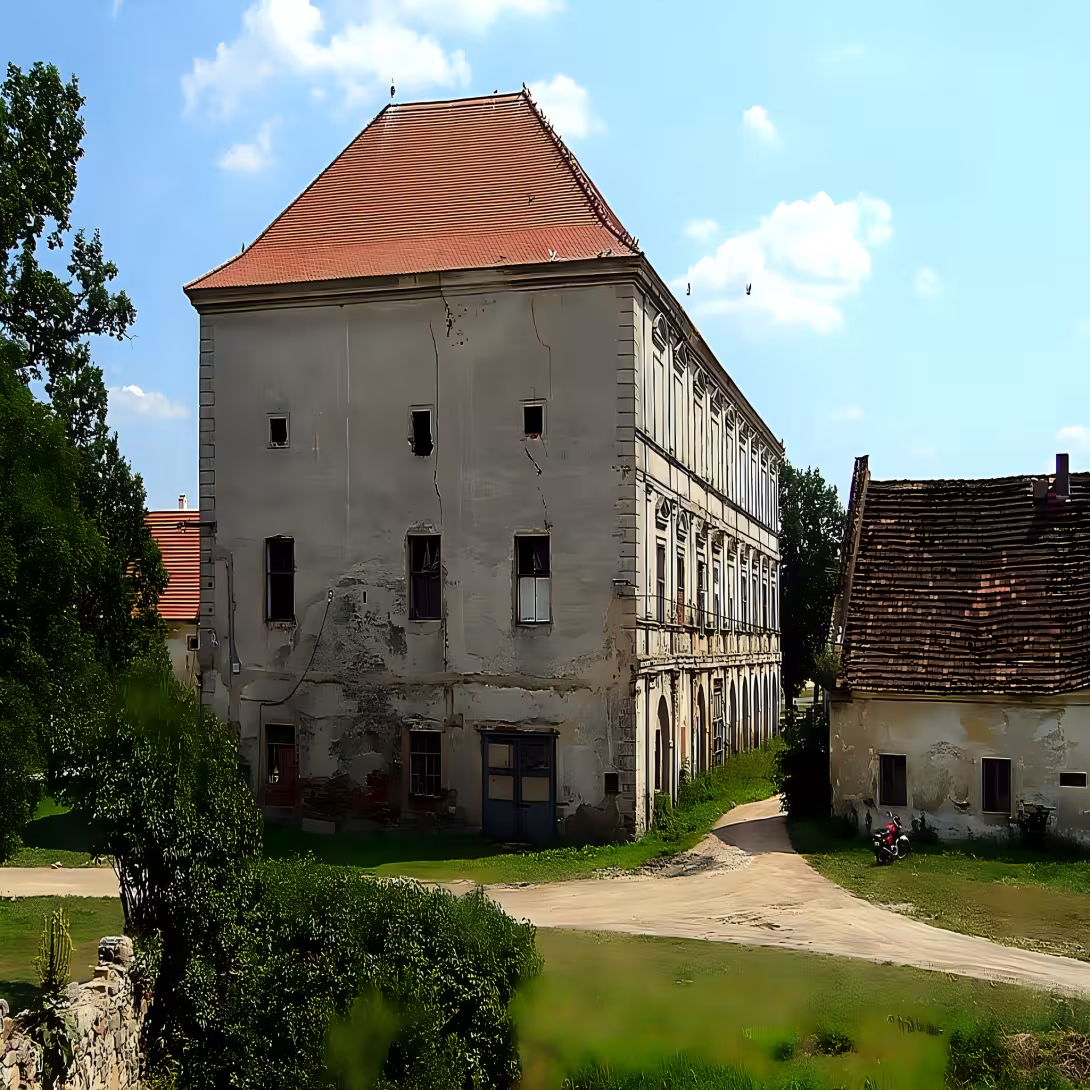
Kestřany Castle is a remarkable Baroque structure located in Kestřany village, within the South Bohemian Region of the Czech Republic. This historical monument stands as a testament to 17th-century architectural elegance and offers insights into the opulent lifestyle of its noble owners. The castle, along with two Gothic fortresses, forms part of a significant cultural heritage site in this picturesque landscape.
The origins of Kestřany Castle date back to the mid-17th century when Františka Polyxena ze Švamberka deemed the original fortress unsuitable and commissioned the construction of a new Baroque castle nearby. This decision was influenced by broader political and social changes occurring in Bohemia under Habsburg rule, which saw a flourishing of Baroque art and architecture across Europe. The castle's construction reflected the grandeur and power of the nobility during this period.
Architecturally, Kestřany Castle features an oblong two-story structure with short side wings and a former arcade walkway along its eastern facade. Notable elements include high pilasters and a cornice on the main facade, contributing to its Baroque elegance. The construction was reportedly very costly, amounting to 55,000 gold coins, highlighting the investment in creating such an opulent residence.
Ownership of Kestřany Castle has seen several notable figures throughout history. Františka Polyxena ze Švamberka initially owned it before selling the estate to Eliška Zuzana Vratislavová z Geršdorfu in 1678. The estate was later purchased by Adam Humprecht Fortunat Koc z Dobrše on June 7, 1685. Finally, Ferdinand Vilém Eusebius ze Schwarzenbergu acquired the estate for 167,500 gold coins on January 20, 1700. These transitions reflect the castle's significance and desirability among the nobility.
While specific events at Kestřany Castle are not extensively documented, its construction under the guidance of architect Pavel Ignác Bayer in 1720 is noteworthy. A large economic farm was built during this time, further enhancing the estate's functionality and prestige.
Today, only the Horní Fortress within the Kestřany complex is open to the public, though plans for opening other parts are underway as they undergo gradual repairs. The castle remains a significant cultural site, surrounded by the scenic landscape typical of Southern Bohemia. Visitors can appreciate its architectural beauty and historical significance, making it a worthwhile destination for those interested in Baroque art and history.
Kestřany Castle offers a unique glimpse into the past, showcasing the grandeur of 17th-century nobility and the rich cultural heritage of the region. Its preservation and potential future accessibility promise to provide even more opportunities for exploration and appreciation. Visitors are invited to experience this historical monument and immerse themselves in its storied legacy.
Then and now
Drag the slider to compare how the landmark may have looked when it was built with the view today.
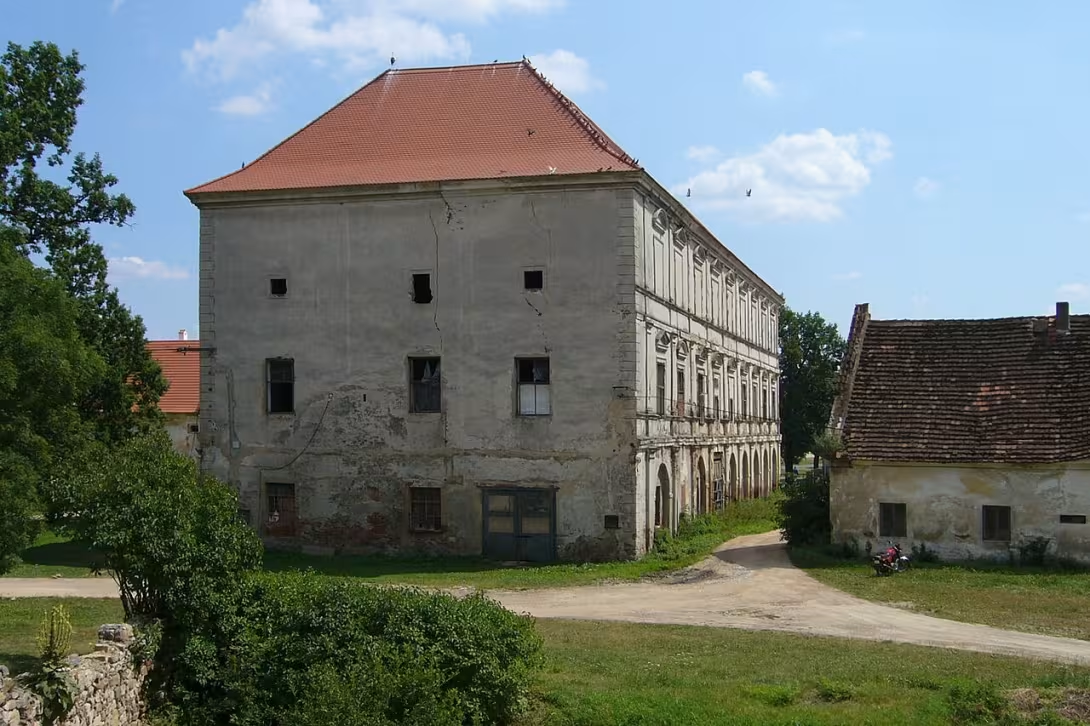
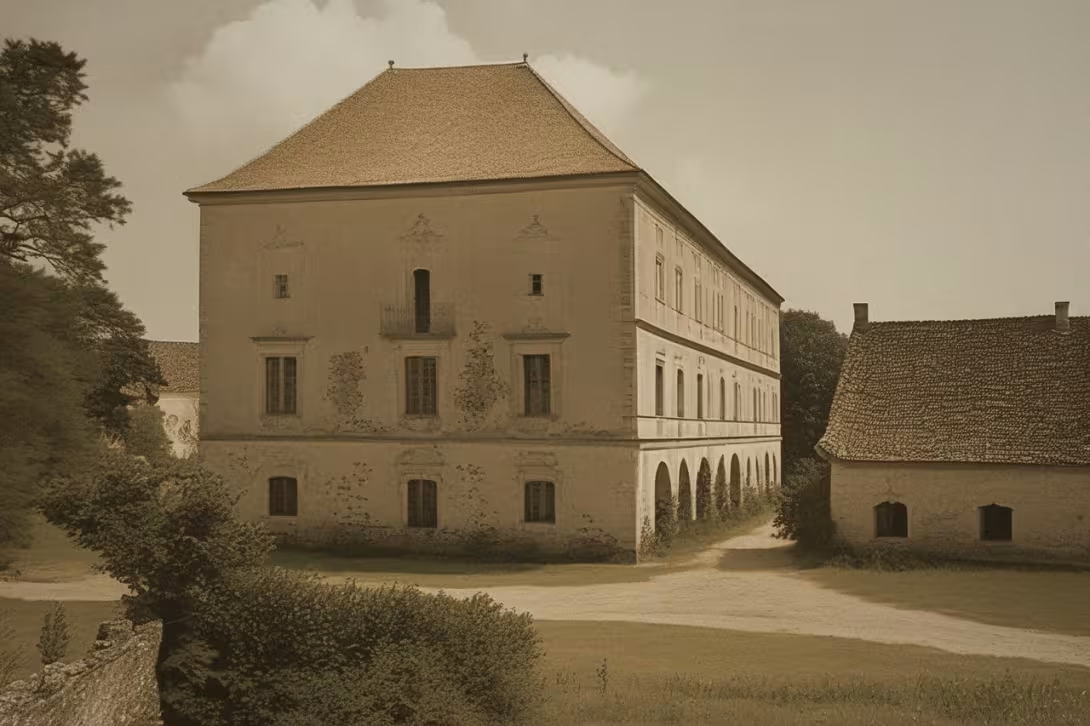
The historical appearance on the left is an AI-generated visualisation and serves as inspiration only.
Historical milestones
- 1652
- Františka Polyxena became the owner of Kestřany.
- 1678
- Estate sold to Eliška Zuzana Vratislavová z Geršdorfu.
- 1685
- Adam Humprecht Fortunat Koc z Dobrše purchased the estate.
- 1700
- Ferdinand Vilém Eusebius ze Schwarzenbergu acquired the estate.
Architectural development
The original Kestřany fortress was deemed unsuitable by its new owners in the mid-17th century, leading to the construction of a baroque castle nearby. The building features an oblong two-story structure with short side wings and a former arcade walkway along the eastern facade. Notable architectural elements include high pilasters and a cornice on the main facade.
Historical events
Františka Polyxena sold the estate to Eliška Zuzana Vratislavová z Geršdorfu in 1678.
Adam Humprecht Fortunat Koc z Dobrše purchased the estate from Eliška Zuzana Vratislavová z Geršdorfu on June 7, 1685.
Ferdinand Vilém Eusebius ze Schwarzenbergu acquired the estate for 167,500 gold coins on January 20, 1700.
Owners
Karel Paar and Františka Polyxena ze Švamberka (mid-17th century)
Eliška Zuzana Vratislavová z Geršdorfu (1678–1685)
Adam Humprecht Fortunat Koc z Dobrše (1685–1700)
Ferdinand Vilém Eusebius ze Schwarzenbergu (1700 onwards)
Points of interest
- The construction of Kestřany Castle was influenced by the Baroque art and architecture flourishing in Bohemia under Habsburg rule during the 17th century, reflecting broader European trends.
- Architect Pavel Ignác Bayer oversaw the castle's construction in 1720, a period marked by significant architectural advancements that contributed to its grandeur and elegance.
- The original fortress deemed unsuitable by Františka Polyxena ze Švamberka led to the commissioning of Kestřany Castle as a new Baroque structure, showcasing the shift from Gothic to Baroque styles among Bohemian nobility.
- Ownership transitions included notable figures such as Eliška Zuzana Vratislavová z Geršdorfu and Adam Humprecht Fortunat Koc z Dobrše before Ferdinand Vilém Eusebius ze Schwarzenbergu purchased the estate for 167,500 gold coins in 1700.
- A large economic farm was constructed during the castle's development under architect Pavel Ignác Bayer, enhancing its functionality and prestige as a noble residence.
Guide
This guide is narrated by a synthetic voice generated by artificial intelligence.
Show guide text
This text was created by artificial intelligence and has not been editorially reviewed. It may contain inaccuracies.
The Castle Kestřany stands in the village of the same name in the Písek region. It was founded in the second half of the seventeenth century by Count Karel Paar together with his wife Františka Polyxena from Švamberka. Together with the lower and upper fortified farms, it is protected today as a cultural monument.
The Kestřany estate belonged for a long time to the lords of Švamberka. The last of the family was Jan Vilém from Švamberka, who died on June 6, 1651. He bequeathed his property to his three daughters, and Kestřany fell to Františka Polyxena on October 12, 1652. The estate then included the villages of Kestřany, Lhota, Sudoměř, Dobev, Malé and Velké Nepodřice, and Zátaví.
The new owners were not satisfied with the old Kestřany fortress. They therefore had an early Baroque castle built near it. The construction was reportedly very expensive and cost fifty-five thousand gold coins. Along with the castle, an ornamental garden and vineyard were created.
The widowed Františka Polyxena sold the estate on August 17, 1678, to Eliška Zuzana Vratislavová from Geršdorf. On June 7, 1685, Adam Humprecht Fortunat Koc from Dobrše bought it from her. He devoted himself more to the manufacture of medicines than to managing the estate, and meanwhile thefts became rampant on the property.
On January 20, 1700, Prince Ferdinand Vilém Eusebius from Schwarzenberg bought Kestřany for one hundred sixty-seven thousand five hundred gold coins and attached it to Protivín. The Schwarzenbergs built an extensive farm yard at the castle according to the design of architect Pavel Ignác Bayer from 1720. The castle then belonged to their family until the land reform in 1924, when the estate passed to the state. In the second half of the twentieth century, the castle grounds contained apartments, grain storage, and workshops.
The core of the castle is a rectangular two-story building with two short side wings. An arcaded corridor once ran along the eastern façade. The main façade is emphasized by tall pilasters and a cornice. On the ground floor there was a sala terrena with stucco decoration and a barrel vault with lunettes. The same vault is found in other ground-floor rooms.
Frequently asked questions
Can the monument be visited?
Some buildings of this kind are open for guided tours, others serve another purpose or are privately owned. We have not verified whether and when this monument is open – please ask the operator.
What are the opening hours and admission?
We have not verified the opening hours or admission. Current information is published by the operator.
Where is the monument?
Location: Kestřany, Jihočeský kraj. The map on this page shows the exact spot.
Why is the monument protected?
It is listed in the Central List of Cultural Monuments of the Czech Republic as a cultural monument. It is protected as part of a larger listed ensemble.
Businesses nearby
Do you run a restaurant, accommodation, shop, museum, rental, wellness or other visitor service near this monument? Show yourself directly to the people heading to it — this is how they will see you in the app and on the web:
Nearby
Kestřany Castle is surrounded by a scenic landscape typical of Southern Bohemia. The area includes other historical sites such as lower and upper fortresses, contributing to its cultural significance.
Accommodation nearby
Themed route
Kestřany Castle Thematic Tour
1. Kestřany Castle (Zámek)
Type: Historical Castle
Why Visit: Kestřany Castle is a stunning example of Renaissance architecture, surrounded by the picturesque landscapes typical of Southern Bohemia. The castle's rich history and well-preserved interiors make it an essential stop for anyone interested in cultural heritage.
2. Lower Fortress (Dolní hrad)
Type: Historical Site
Why Visit: Located near Kestřany Castle, the Lower Fortress offers a glimpse into medieval fortifications. Its strategic position on a hill provides panoramic views of the surrounding area and adds depth to understanding the region's historical significance.
3. Upper Fortress (Horní hrad)
Type: Historical Site
Why Visit: The Upper Fortress stands as an imposing structure that complements the Lower Fortress, offering insights into the defensive strategies of the past. Its elevated position offers breathtaking views and a sense of connection to the historical landscape.
4. Castle Gardens (Zámecké zahrady)
Type: Garden/Outdoor Space
Why Visit: The gardens surrounding Kestřany Castle are beautifully landscaped, featuring a variety of plants and serene pathways perfect for leisurely strolls. They provide a peaceful retreat to enjoy the natural beauty and tranquility of the area.
5. Castle Courtyard (Zámecké nádvoří)
Type: Historical Outdoor Area
Why Visit: The castle courtyard is an open space that invites exploration, offering insights into the daily life within a Renaissance castle. It's an ideal spot for photography and appreciating the architectural details of Kestřany Castle.
This tour offers a comprehensive experience of Kestřany Castle and its immediate historical surroundings, providing both cultural enrichment and scenic enjoyment.
Seasonal recommendations
Spring: Visiting Kestřany Castle during spring offers a unique experience as the surrounding landscape bursts into life with vibrant colors and fresh blooms. The natural beauty of blooming flowers, budding trees, and lush greenery creates an enchanting atmosphere that enhances the historical allure of the castle. This period is ideal for photography enthusiasts who wish to capture the picturesque scenery against the backdrop of the ancient architecture. With milder temperatures, it's a pleasant time to explore, though visitors should be prepared for occasional rain showers typical of spring weather. Arriving early can help avoid larger crowds that often gather during this popular season.
Summer: Summer at Kestřany Castle is characterized by long days and warm evenings, making it perfect for leisurely strolls around the grounds or picnics in the open spaces nearby. The castle's gardens are particularly beautiful as they come alive with a variety of flowers and well-manicured lawns, offering an idyllic setting for relaxation. Comfortable clothing and sun protection are essential, as the weather can be quite warm during this time.
Autumn: Autumn transforms Kestřany Castle into a stunning spectacle of warm colors with its rich tapestry of reds, oranges, and yellows in the surrounding foliage. The cooler temperatures make it an ideal season for exploring the castle without the summer heat, offering a more serene experience as visitor numbers dwindle compared to other seasons. The crisp air enhances the historical ambiance, creating a perfect setting for photography or simply enjoying the tranquil atmosphere. It's recommended to dress warmly and carry layers, as evenings can be quite chilly during this time.
Winter: Winter at Kestřany Castle presents a magical experience with its snow-covered grounds and frosty landscapes that add an enchanting touch to the historical site. The castle takes on a mystical appearance under the soft glow of winter light, making it a popular destination for those seeking a unique holiday atmosphere. Warm clothing and sturdy footwear are essential, and it's advisable to check ahead for any seasonal closures or changes in accessibility during this time.
Visualizations and artistic views


The visualisations are generated by artificial intelligence and serve as inspiration.
Photos from the area
Real photos taken near the monument


Zdroj a licence jsou uvedeny u každého snímku.
Atmosphere of the place
This atmospheric visualisation of the place and period was generated by artificial intelligence. It is not real footage of the location.
Tips from visitors
No tips yet. Be the first!
Log in and add your tip.
Sources and literature
Photos: Petr Kinšt / CC BY-SA 4.0, rozlišení zvýšeno umělou inteligencí — Wikimedia Commons. The author and licence also appear when you hover over the image.
Faktickým podkladem tohoto textu byl článek na Wikipedii, jehož autory jsou přispěvatelé Wikipedie. Článek je dostupný pod licencí CC BY-SA 4.0.
Location on the map




Příběhy a pověsti
Legendy, pověsti a příběhy spjaté s touto památkou
Fotografie návštěvníků
Zatím žádné fotografie. Buďte první, kdo přidá fotografii z návštěvy!
Log in a přidejte svou fotografii nebo hodnoťte.
Za ověřenou návštěvu v aplikaci získáte víc bodů — poznáme podle GPS, že jste na místě.
Reviews and comments