






Klášter bosých karmelitánek Monastery
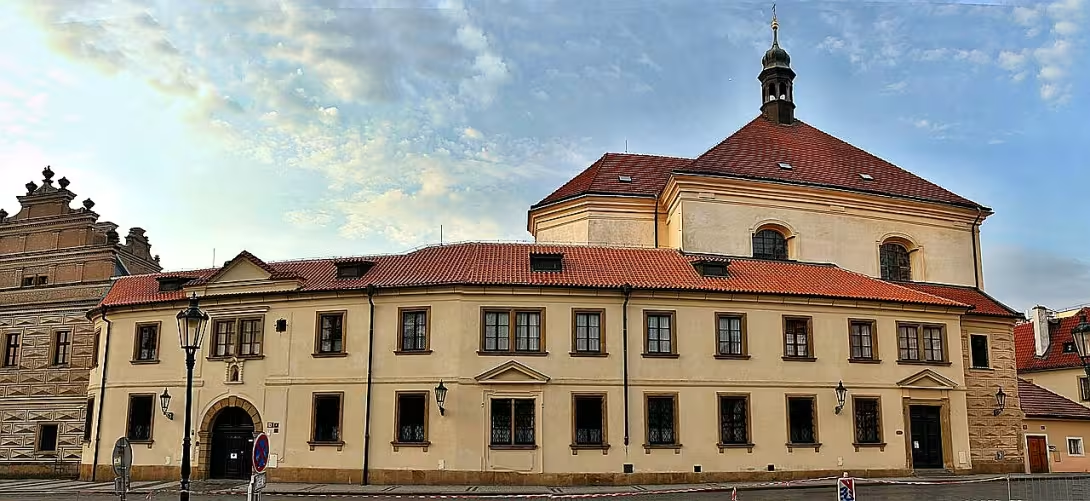
The Klášter bosých karmelitánek is a Baroque monastery located in the southwestern part of Hradčanské Square in Prague 1. It is notable for its historical significance and architectural beauty. Originally established as a Barnabite monastery in 1655, it later became home to the Order of Barefoot Carmelites in 1792. Over centuries, the site has undergone significant transformations, including serving as a luxury hotel during communist rule before being returned to religious use in 1992.
The origins of Klášter bosých karmelitánek trace back to the mid-17th century when Bohemia was under Habsburg rule following the Thirty Years' War. In 1626, the property was dedicated to the Barnabites, who constructed the monastery by 1655. The Baroque period's religious influence is evident in its architecture and history. However, Emperor Joseph II dissolved the monastery and church in 1786, only for it to be reassigned to the Carmelites a few years later in 1792.
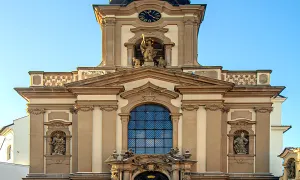
The architectural style of Klášter bosých karmelitánek is Baroque, with significant modifications over time. Initially built by the Barnabites, the site underwent major changes when reassigned to the Carmelites. Between 1985 and 1991, it experienced extensive reconstruction before being returned to religious use in 1992.
Ownership of the monastery has shifted dramatically throughout its history. The Barnabites owned it from 1655 until their dissolution in 1786. It was then reassigned to the Order of Barefoot Carmelites in 1792. During communist rule, the site became a luxury hotel before being returned to religious ownership in 1992.
Key events at Klášter bosých karmelitánek include its initial dedication to the Barnabites and subsequent reassignment to the Carmelites. The monastery also housed the mummified body of the venerated prioress Marie Elekta, which has been scientifically examined. Additionally, a ceramic workshop with a kiln was established at the site where nuns crafted souvenirs.
Today, Klášter bosých karmelitánek serves as a spiritual center for the Order of Barefoot Carmelites. The Church of Saint Benedict, part of the monastery complex, continues to host regular services accessible to the public. This historical and architectural gem offers visitors a glimpse into its rich past while providing an opportunity to experience contemporary religious life.
Klášter bosých karmelitánek stands as a testament to Prague's dynamic history and cultural heritage. Its journey from a Baroque monastery to a luxury hotel, and back to a place of worship, reflects the broader historical currents that have shaped the city. Visitors are invited to explore this remarkable site, where history and spirituality converge in a unique setting.
Then and now
Drag the slider to compare how the landmark may have looked when it was built with the view today.
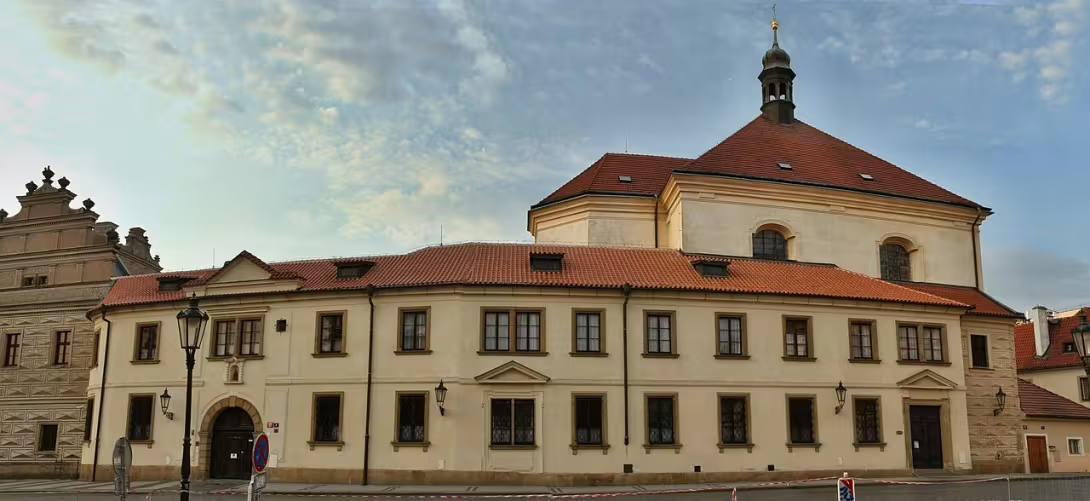
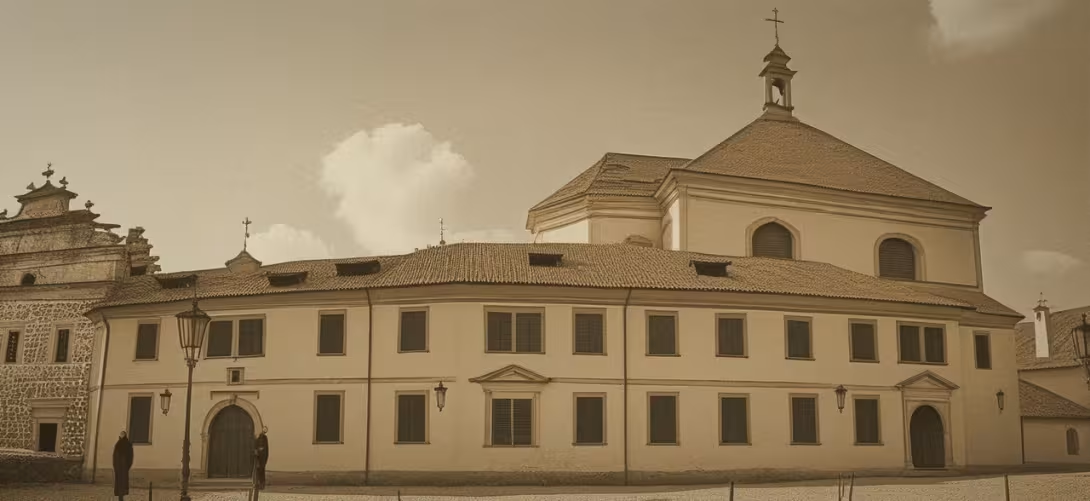
The historical appearance on the left is an AI-generated visualisation and serves as inspiration only.
Historical milestones
- 1626
- The property was dedicated to the Barnabites.
- 1655
- The Barnabites built the monastery.
- 1786
- Emperor Joseph II dissolved the monastery and church.
- 1792
- The Order of Barefoot Carmelites was reassigned to the site.
- 1992
- The property was returned to its religious purpose.
Architectural development
The monastery's architecture is Baroque, with significant modifications over time. Originally built by the Barnabites in 1655, it underwent major changes when reassigned to the Carmelites in 1792. The site was extensively reconstructed between 1985 and 1991 before being returned to religious use.
Historical events
In 1626, the property was dedicated to the Barnabites who built the monastery by 1655.
The monastery and church were dissolved by Emperor Joseph II in 1786 but reassigned to the Carmelites in 1792.
During communist rule, it was converted into a luxury hotel.
In 1992, the property was returned to its religious purpose.
Owners
The monastery was initially owned by the Barnabites from 1655 until their dissolution in 1786. It was then reassigned to the Order of Barefoot Carmelites in 1792. During communist rule, it became a luxury hotel before being returned to religious ownership in 1992.
Points of interest
– The mummified body of the venerated prioress Marie Elekta is housed at Klášter bosých karmelitánek. Her remains have been scientifically examined, adding a layer of intrigue to the monastery's history.
– During its time as a luxury hotel under communist rule, the monastery's original Baroque architecture was preserved and adapted for modern use, showcasing an unusual blend of historical preservation with contemporary function.
Guide
This guide is narrated by a synthetic voice generated by artificial intelligence.
Show guide text
This text was created by artificial intelligence and has not been editorially reviewed. It may contain inaccuracies.
Welcome to the historic site of Klášter bosých karmelitánek, nestled in the southwestern part of Hradčanské Square in Prague 1. As you stand here, take a moment to absorb the grandeur and tranquility that surrounds this Baroque masterpiece. The serene atmosphere invites contemplation as you prepare to delve into its rich history.
The story of this site begins in 1626 when it was dedicated to the Barnabites, an order known for their educational and charitable work. However, a significant transformation occurred in 1655 when they constructed the monastery on this land. The building that stands before you is not just a structure but a testament to resilience and faith. In 1786, Emperor Joseph II dissolved the monastery and church, marking a period of uncertainty. Yet, history took another turn in 1792 when the Order of Barefoot Carmelites was reassigned here, breathing new life into its walls.
As you look around, notice the Baroque architecture that defines this site. The Church of Saint Benedict, originally serving as a parish church for Hradčany and dedicated to the Barnabites after the Battle of White Mountain, is an integral part of this complex. Its design reflects the artistic and spiritual aspirations of its time.
One cannot speak of Klášter bosých karmelitánek without mentioning Marie Elekta, the venerated prioress whose mummified body is housed here. Her remains have been scientifically examined, adding a layer of intrigue to the monastery's history. This connection to a figure of such devotion and mystery invites reflection on the lives that have intertwined with this sacred space.
During its time under communist rule, the monastery underwent another transformation, serving as a luxury hotel. This period left its mark, yet today, it stands proudly returned to its religious purpose since 1992. The layers of history are palpable here, each era contributing to the tapestry of stories that make this place unique.
As you continue your exploration, let yourself be drawn into the narrative woven through centuries. From its origins with the Barnabites to its rebirth as a Carmelite monastery, and its intriguing role in more recent history, Klášter bosých karmelitánek invites curiosity and reverence.
We encourage you to take your time, wander thoughtfully through this historic site, and immerse yourself in the stories that echo within these walls. Thank you for allowing us to guide you on this journey through time at Klášter bosých karmelitánek. May your visit inspire reflection and discovery.
Tips for visitors
The best time to visit the Klarissenkloster is during late spring or early autumn when the weather is pleasant, allowing you to comfortably explore both the monastery's interiors and its beautiful gardens. During these seasons, the natural light beautifully illuminates the Baroque architecture of the Church of Saint Benedict, enhancing your experience. Additionally, visiting outside peak tourist season can mean fewer crowds, providing a more serene atmosphere for reflection or photography.
Transportation to the Klarissenkloster is convenient by both public transport and car. The monastery is accessible via Prague's extensive tram network, with several lines passing through nearby Hradčanské Square. For those driving, there are parking options in the vicinity of Hradčany district; however, it's advisable to check for any restrictions or permits required due to its historical significance. Always verify current transport connections and parking regulations before your visit.
When visiting Klarissenkloster, consider bringing comfortable walking shoes as you'll likely be exploring on foot both inside the monastery and in the surrounding area. A camera is recommended to capture the stunning Baroque details of the Church of Saint Benedict, especially during golden hour when the light creates a warm glow perfect for photography. Additionally, carrying a water bottle and some snacks can enhance your visit, particularly if you plan to spend time exploring nearby sites.
For families with children, Klarissenkloster offers an enriching experience with its peaceful gardens providing a great space for kids to explore after touring the church interiors. Nearby attractions within 30 minutes include Prague Castle and the historic Hradčanské Square, both offering educational insights into Czech history and architecture that can engage children's curiosity. Plan your visit during weekdays if possible, as it might be less crowded, making it easier for families to navigate.
Businesses nearby
Events nearby

Zdroj akcí: otevřená data měst a obcí ČR (Národní katalog otevřených dat) a kalendář akcí Národního památkového ústavu.
Nearby
Located in Prague's Hradčany district, the monastery is near historical sites such as Hradčanské Square and close to other cultural landmarks within the city.
Accommodation nearby
Trips and activities nearby
Guided tours, tickets and activities nearby from GetYourGuide
Affiliate link: if you buy from the partner, we may receive a commission. The price for you does not change.
Search tours and activities →Themed route
Thematic Walking Tour: The Barefoot Carmelites Monastery and Its Surroundings
1. Barefoot Carmelite Monastery (Main Attraction) - Type: Religious Site - Why Visit: Located in the historic Hradčany district, this monastery is renowned for its serene atmosphere and stunning Baroque architecture. It offers visitors a glimpse into the spiritual life of the Barefoot Carmelites, with beautiful gardens and an opportunity to explore the church's interior.
2. Hradčanské Square - Type: Historical Square - Why Visit: Just a short walk from the monastery, Hradčanské Square is steeped in history and offers stunning views of Prague Castle. It serves as a perfect spot to appreciate the cityscape and learn about its historical significance, making it an ideal place for reflection after visiting the monastery.
3. Church of Our Lady Victorious - Type: Religious Site - Why Visit: Situated near Hradčanské Square, this church is notable for its impressive Baroque architecture and rich history. It houses a unique collection of art and relics, offering insights into Prague's religious heritage and artistic achievements.
4. Karmelitská Garden - Type: Historical Garden - Why Visit: Adjacent to the monastery, this garden is one of Prague’s oldest surviving gardens. Its well-preserved layout provides a tranquil environment for visitors to enjoy nature while reflecting on its historical significance and connection to the nearby monastery.
This tour offers a comprehensive experience of the cultural and spiritual heritage surrounding the Barefoot Carmelite Monastery in Prague's Hradčany district, allowing visitors to immerse themselves in history and tranquility.
Seasonal recommendations
Spring: Visiting the Order of Barefoot Carmelites Monastery during springtime offers a unique experience as nature awakens around Prague 1. The monastery grounds are adorned with blooming flowers and lush greenery, creating an idyllic setting that enhances the serene atmosphere of this historic site. As daylight stretches longer into the evening, the soft natural light accentuates the architectural beauty of the monastery, making it a particularly photogenic time to visit. This season tends to attract fewer visitors compared to summer, allowing for a more tranquil exploration. It's advisable to wear comfortable walking shoes and layers, as temperatures can vary. Arriving in the morning is recommended to fully enjoy the peaceful ambiance before any potential increase in foot traffic.
Summer: The monastery shines during summer with its vibrant atmosphere complemented by Prague’s warm weather. With longer daylight hours, visitors have ample time to explore the grounds and appreciate the detailed architecture under bright sunlight. This season sees a higher number of tourists, especially during peak holiday periods, so it's wise to arrive early in the morning to avoid larger crowds. Light, breathable clothing is recommended due to the heat, along with sun protection such as hats or sunglasses. The lively summer ambiance makes this an ideal time for those seeking both historical insight and a pleasant outdoor experience.
Autumn: Autumn brings a distinct charm to the Order of Barefoot Carmelites Monastery, with Prague 1 enveloped in warm hues of reds, oranges, and yellows. The cooler temperatures and shorter days create a cozy atmosphere that is perfect for leisurely strolls through the monastery’s gardens, which are now adorned with fallen leaves. This season tends to be less crowded than summer, offering a more intimate experience. Visitors should dress warmly in layers to accommodate fluctuating weather conditions and consider bringing an umbrella or raincoat, as autumn can bring unpredictable showers. The soft light of late afternoon is particularly enchanting, making it a great time for photography.
Winter: Winter transforms the monastery into a serene haven amidst Prague's snow-covered landscape. The quietness of this season, coupled with the potential for gentle snowfall, creates an almost magical atmosphere around the historic site. However, visitors should be prepared for shorter opening hours and potentially icy pathways on the grounds. Warm clothing is essential to ensure comfort during your visit, including thermal layers, a winter coat, hats, gloves, and sturdy boots. Although fewer tourists are likely to venture out in colder weather, it's still advisable to arrive early to maximize your time at the monastery before any closing announcements due to inclement weather conditions.
Visualizations and artistic views


The visualisations are generated by artificial intelligence and serve as inspiration.
Photos from the area
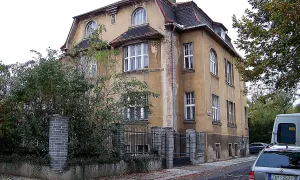
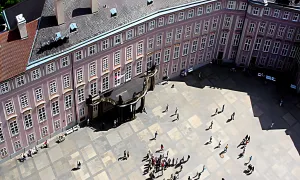
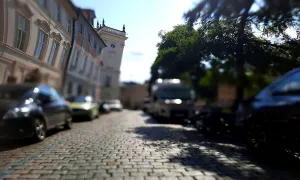
Real photos taken near the monument


Zdroj a licence jsou uvedeny u každého snímku.
Tips from visitors
No tips yet. Be the first!
Log in and add your tip.
Sources and literature
Fotografie: VitVit / CC BY-SA 4.0 — Wikimedia Commons. The author and licence also appear when you hover over the image.
Faktickým podkladem tohoto textu byl článek na Wikipedii, jehož autory jsou přispěvatelé Wikipedie. Článek je dostupný pod licencí CC BY-SA 4.0.
Location on the map

Příběhy a pověsti
Legendy, pověsti a příběhy spjaté s touto památkou
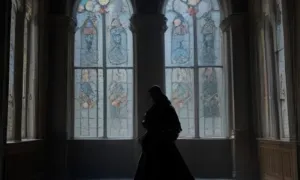
Příběh: Klášter bosých karmelitánek
Bylo to v pondělí ráno, kdy Martin zjistil, že klášterní refektorium chybí jejich nejpříslibnější dítě. Odpoledne byla slibná doba průzkumu rukopisů, které z…
Číst příběh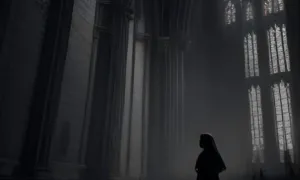
Pověst: Klášter bosých karmelitánek
Traduje se, že v tichých chodbách kláštera na jihozápadním rohu Hradčanského náměstí přebývá přítomnost, které neodolal ani čas ani zkáza. Staří obyvatelé Hr…
Číst příběhFotografie návštěvníků
Zatím žádné fotografie. Buďte první, kdo přidá fotografii z návštěvy!
Přihlaste se a přidejte svou fotografii nebo hodnoťte.
Za ověřenou návštěvu v aplikaci získáte víc bodů — poznáme podle GPS, že jste na místě.
Reviews and comments