






Klášter milosrdných bratří (Praha 1) Monastery
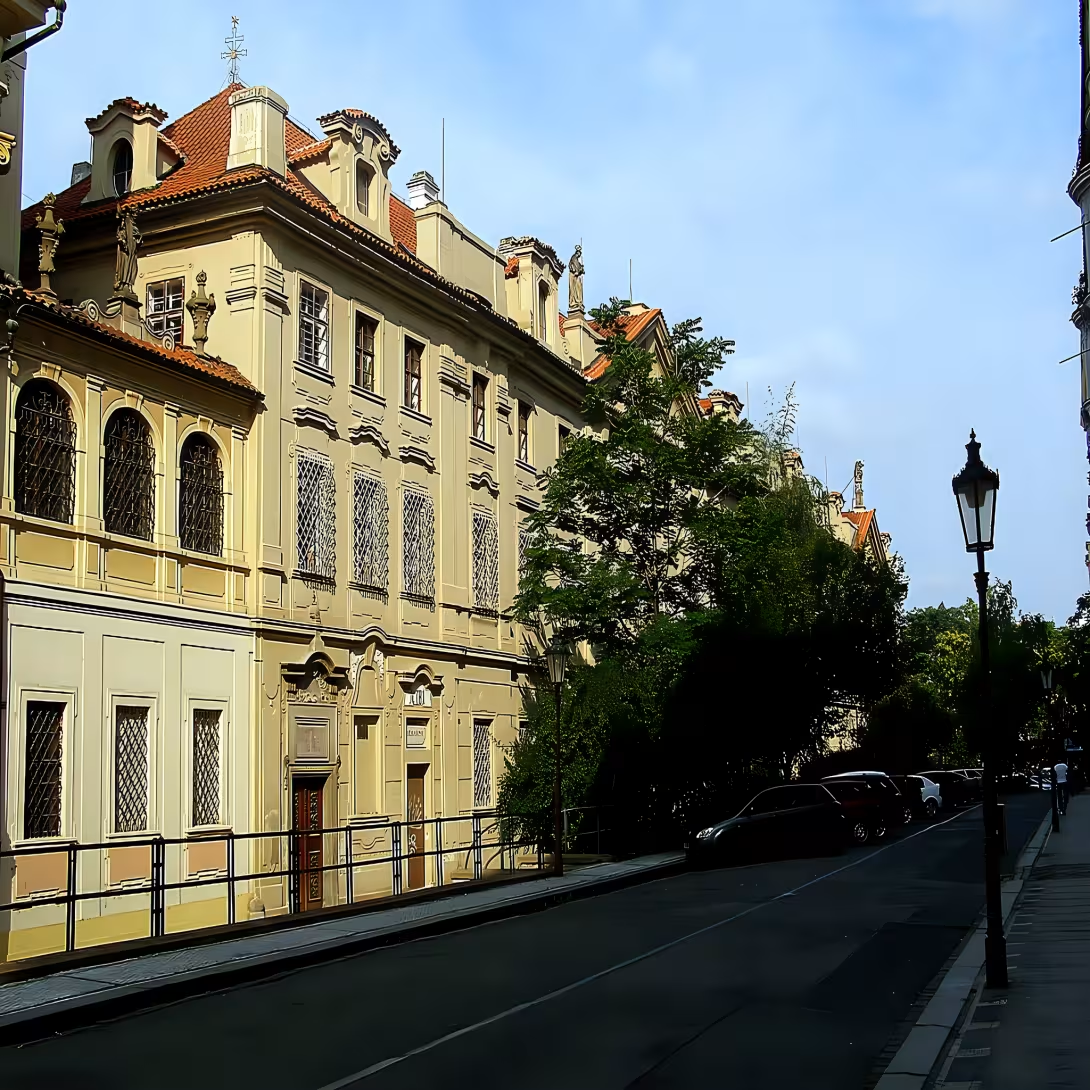
The Klášter Milosrdných Bratří in Prague's Old Town is a historically significant complex, serving as a healthcare center since at least the mid-14th century. Situated on the Vltava River banks, this Baroque monastery and church dedicated to Saints Simon and Jude have been crucial in providing medical care and religious services for centuries. Its continuous role in healthcare underscores its importance in Prague's charitable history.
The origins of Klášter Milosrdných Bratří trace back to the mid-14th century when Bohuslav z Olbramovic established a hospital and chapel on this site, known as Na Františku. This initial setup aimed to serve the poor, marking its long-standing healthcare association. By 1354, Arnošt z Pardubic, the first Prague archbishop, consecrated the chapel dedicated to Saints Simon and Jude. The early history reflects Bohemia’s integration into the Holy Roman Empire under King John of Luxembourg.
The architectural evolution of Klášter Milosrdných Bratří is notable for its transitions through various styles and periods. Initially, a Gothic-Renaissance church was constructed between 1620 and 1653 by the Order of Brothers Hospitallers of St. John of God after they took over the site on Christmas Day in 1620. This new complex replaced an earlier hospital that had disappeared during the 16th century. The monastery underwent significant Baroque renovations around 1700-1730, transforming its appearance and functionality. Further modifications were made in the 20th century to adapt the facilities for modern medical use.
Ownership of the site has shifted over time, reflecting broader historical changes. After Bohuslav z Olbramovic's initial establishment, Václav Vilém z Roupova acquired it in 1615 for the Czech Brethren. However, political and religious upheavals during the Thirty Years' War led to its acquisition by the Order of Brothers Hospitallers of St. John of God in 1620. These transitions underscore the site's importance amidst shifting power dynamics.
Several key events have shaped Klášter Milosrdných Bratří’s history. The construction of a new church for the Czech Brethren was halted in 1617 due to a vault collapse, delaying its completion until June 14, 1620. This delay coincided with political turmoil that limited the use of the original structure by its initial religious community. Despite these challenges, the site has remained dedicated to healthcare since its inception.
Today, Klášter Milosrdných Bratří stands as a testament to Prague's rich history and architectural evolution. The complex continues to function as a hospital, maintaining its historical role in providing medical care. Its location near significant landmarks like Charles Bridge and Prague Castle makes it an accessible and worthwhile visit for those interested in exploring the intersection of healthcare, religion, and architecture in Prague.
Visitors are invited to explore Klášter Milosrdných Bratří not only as a historical monument but also as a living institution that continues to serve the community. Its enduring legacy offers insights into the charitable traditions and architectural transformations that have shaped Prague over centuries.
Then and now
Drag the slider to compare how the landmark may have looked when it was built with the view today.
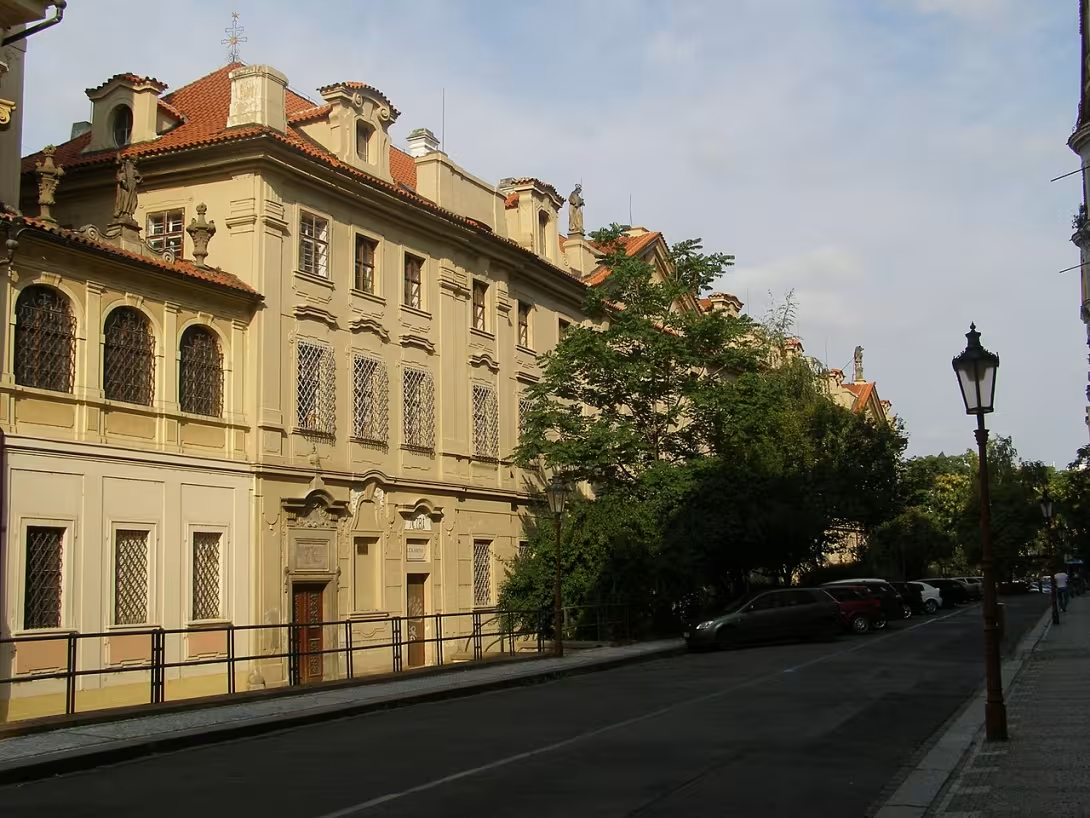

The historical appearance on the left is an AI-generated visualisation and serves as inspiration only.
Historical milestones
- 1354
- Bohuslav z Olbramovic established a hospital and chapel.
- 1617
- Construction halted due to a vault collapse during the building of a new church.
- 1620
- The Order of Brothers Hospitallers took over the site, initiating construction of a new church and monastery complex.
Architectural development
The original hospital from the 14th century was replaced by a new complex between 1620 and 1653. Initially featuring Gothic-Renaissance architecture, it underwent extensive Baroque renovations around 1700-1730. The site has seen further modifications in the 20th century to accommodate modern medical facilities.
Historical events
1354: Bohuslav z Olbramovic established a hospital and chapel.
1617: Construction halted due to a vault collapse during the building of a new church.
1620: The Order of Brothers Hospitallers took over the site, initiating construction of a new church and monastery complex.
Owners
Founded by Bohuslav z Olbramovic around 1354
Acquired by Václav Vilém z Roupova in 1615 for the Czech Brethren
Taken over by the Order of Brothers Hospitallers of St. John of God on Christmas Day, 1620
Points of interest
- The initial chapel on the site of Klášter Milosrdných Bratří was consecrated in 1354 by Arnošt z Pardubic, highlighting its early significance as a place of worship dedicated to Saints Simon and Jude.
- A significant architectural transition occurred when the Gothic-Renaissance church was constructed between 1620 and 1653 after the Order of Brothers Hospitallers of St. John of God took over the site on Christmas Day in 1620, replacing an earlier hospital that had vanished during the 16th century.
- The complex underwent major Baroque renovations around 1700–1730, which transformed its appearance and functionality, reflecting broader trends in architectural style and religious influence at the time.
- In a notable historical shift, Václav Vilém z Roupova acquired the site in 1615 for the Czech Brethren. However, due to political and religious upheaval during the Thirty Years' War, ownership transferred to the Order of Brothers Hospitallers of St. John of God just five years later.
- The construction of a new church intended for the Czech Brethren was delayed by a vault collapse in 1617, illustrating how architectural challenges intersected with political turmoil during this era, ultimately impacting its completion date and usage.
Guide
This guide is narrated by a synthetic voice generated by artificial intelligence.
Show guide text
This text was created by artificial intelligence and has not been editorially reviewed. It may contain inaccuracies.
Welcome to the Klášter milosrdných bratří, a site steeped in history and architectural evolution nestled in Prague's Old Town. As you stand here, enveloped by the aura of centuries past, imagine the stories these walls could tell if they spoke.
The origins of this remarkable complex trace back to 1354 when Bohuslav z Olbramovic established a hospital and chapel on this site. Initially serving as a sanctuary for healing and spiritual solace, it was consecrated by Arnošt z Pardubic in honor of Saints Simon and Jude, marking its significance as an early place of worship.
As you gaze upon the structures before you, notice how they encapsulate a tapestry of architectural transitions. Though the original architects remain unknown, the site underwent significant transformations over centuries, reflecting its evolving purpose from healthcare to monastic life. The Gothic-Renaissance church that stands here today is a testament to these changes, embodying both resilience and beauty.
Let us delve into some key narratives tied to this place. In 1617, construction was abruptly halted due to a vault collapse during the building of a new church. This event marked a pivotal moment in its history, yet it did not deter the Order of Brothers Hospitallers from taking over the site in 1620. Under their stewardship, they initiated the construction of the current church and monastery complex, further enriching the site's historical tapestry.
Now, let your curiosity be piqued by an intriguing aspect of this place: its enduring legacy as a healthcare institution since at least the mid-14th century. This unique blend of spiritual and healing missions has made Klášter milosrdných bratří not just a monument but a living testament to compassion and care through ages.
As we conclude our brief journey, I invite you to explore further, to wander around this historic site at your own pace, and immerse yourself in its rich history. Whether it's the intricate details of the architecture or the silent stories whispered by the walls, there is much to discover here. Thank you for joining me today, and may your visit be both enlightening and inspiring.
Tips for visitors
The best time to visit Klášter milosrdných bratří is during the late spring or early fall, when the weather is pleasant and the crowds are smaller compared to peak tourist seasons. These months offer a comfortable climate for exploring both indoors and outdoors, allowing you to appreciate the historical architecture without the summer heat or winter chill. Additionally, visiting in these periods often coincides with local festivals or events that can enhance your experience.
Visitors can use trams or buses that connect directly to nearby landmarks like Charles Bridge and Prague Castle. Public transportation is a reliable alternative, offering easy access to the monastery.
When visiting Klášter milosrdných bratří, consider bringing comfortable walking shoes as you'll likely be exploring various parts of Prague's Old Town on foot. A light jacket or sweater might also be useful due to variable weather conditions. Don't forget your camera to capture the stunning architecture and scenic views along the Vltava River. Additionally, carrying a water bottle can help keep you hydrated during your visit.
Photography enthusiasts will find several spots around Klášter milosrdných bratří ideal for capturing its beauty. The morning light offers soft illumination that highlights the intricate details of the monastery's architecture. For river views and reflections, head to the nearby Charles Bridge early in the day when it’s less crowded. The changing light throughout the day provides different perspectives, so consider returning at sunset for dramatic lighting.
Within a 30-minute walk or short public transport ride from Klášter milosrdných bratří are several attractions worth visiting. Charles Bridge offers stunning views and historical significance, while Prague Castle presents an impressive array of palaces and gardens. The Jewish Quarter is rich in history and culture, featuring synagogues and the Old-New Synagogue. These sites provide a deeper understanding of Prague's diverse heritage.
For families with children, Klášter milosrdných bratří can be an engaging visit if planned well. The area around the monastery is pedestrian-friendly, making it safe for kids to explore. Nearby Charles Bridge and its surrounding areas offer plenty of photo opportunities and interesting sights that can captivate young minds. Additionally, Prague Castle has interactive exhibits and open spaces where children can run around. Consider visiting during weekdays or off-peak hours to avoid large crowds.
Frequently asked questions
Can the monument be visited?
Religious buildings are usually open mainly during services; at other times a visit is normally arranged with the parish or the operator. We have not verified specific times.
Where is the monument?
Location: Na Františku 847/8, Staré Město, Praha, Hlavní město Praha. The map on this page shows the exact spot.
Why is the monument protected?
It is listed in the Central List of Cultural Monuments of the Czech Republic as a cultural monument (register no. 38201/1-31).
Businesses nearby
Do you run a restaurant, accommodation, shop, museum, rental, wellness or other visitor service near this monument? Show yourself directly to the people heading to it — this is how they will see you in the app and on the web:
Events nearby

Zdroj akcí: otevřená data měst a obcí ČR (Národní katalog otevřených dat) a kalendář akcí Národního památkového ústavu.
Nearby
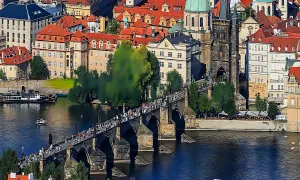
Located on the banks of the Vltava River in Prague's Old Town, the monastery is surrounded by historical buildings and landmarks. Within a 5 km radius are notable sites such as Charles Bridge, Prague Castle, and the Jewish Quarter.
Accommodation nearby
Trips and activities nearby
Guided tours, tickets and activities nearby from GetYourGuide
Affiliate link: if you buy from the partner, we may receive a commission. The price for you does not change.
Search tours and activities →Themed route
Thematic Walking Tour: Spiritual and Historical Journey through Prague's Old Town
1. Klášter milosrdných bratří (Prague 1) - Type: Monastery - Why Visit: Begin your journey at the serene Klášter milosrdných bratří, a historic monastery nestled on the banks of the Vltava River. This spiritual haven offers a glimpse into the rich monastic life and architectural beauty that has stood since its founding in 1655. Its tranquil gardens and baroque architecture make it an ideal starting point for exploring Prague's Old Town.
2. Charles Bridge - Type: Historical Bridge - Why Visit: A short walk from the monastery, Charles Bridge is a must-see landmark that connects the Old Town with Lesser Town (Malá Strana). This iconic bridge, adorned with 30 statues and statuaries, offers stunning views of Prague’s skyline. Walking across it provides an opportunity to appreciate its Gothic architecture and historical significance as one of Europe's most visited tourist attractions.
3. Prague Castle - Type: Historic Castle - Why Visit: Located just a few kilometers from the monastery, Prague Castle is a sprawling complex that has been at the heart of Czech history for over a millennium. As you explore this UNESCO World Heritage site, marvel at its stunning architecture and rich tapestry of cultural heritage. The castle grounds include palaces, churches, and gardens, making it an essential stop to understand the historical narrative of Prague.
4. Jewish Quarter (Josefov) - Type: Historic District - Why Visit: Conclude your tour in the Jewish Quarter, a historically significant area that offers deep insights into the Jewish heritage of Prague. This district is home to several important sites, including synagogues and the Old New Synagogue, which is one of Europe's oldest active synagogues. The area’s cobblestone streets and preserved architecture provide a poignant reminder of the vibrant cultural history that has shaped this part of the city.
This thematic tour offers a blend of spiritual reflection, architectural beauty, and historical exploration, perfectly encapsulating the essence of Prague's Old Town.
Seasonal recommendations
Spring: Visiting the Church of the Merciful Brothers in Prague during spring offers a unique experience as nature awakens around this historic site. The blooming gardens and fresh greenery create a serene atmosphere, perfect for leisurely exploration. As daylight extends, visitors can enjoy longer hours to appreciate the intricate details of the church's architecture. It's advisable to wear comfortable walking shoes and layers, as temperatures can vary throughout the day. Springtime tends to attract fewer crowds than summer, making it an ideal time for those seeking a quieter visit.
Summer: The Church of the Merciful Brothers is particularly vibrant during the summer months when Prague experiences its peak tourist season. Long daylight hours allow visitors to fully explore both the church and its surrounding area. However, this is also the busiest time, so arriving early in the day can help avoid larger crowds. Lightweight clothing and sunscreen are recommended due to higher temperatures. The lively atmosphere of summer adds a dynamic backdrop to your visit, with the city bustling around you.
Autumn: Autumn brings a different charm to the Church of the Merciful Brothers as the leaves change color, creating picturesque views against the historic architecture. The cooler weather makes for pleasant walking conditions, and fewer tourists mean more space to appreciate the site's beauty. It's wise to wear layers that can be adjusted with fluctuating temperatures throughout the day. This season offers a tranquil experience, ideal for those who enjoy exploring historical sites in a more relaxed setting.
Winter: Winter transforms the Church of the Merciful Brothers into a serene and almost mystical destination. The shorter days mean visits should be planned earlier to make the most of daylight hours. Snow can add a magical touch, though it's important to dress warmly with coats, hats, gloves, and sturdy boots for comfort during your visit. While winter might see fewer tourists compared to summer, it's still wise to check opening times as they may vary due to shorter days or weather conditions. The quietness of the season offers a peaceful atmosphere, perfect for reflection amidst the historic surroundings.
Visualizations and artistic views


The visualisations are generated by artificial intelligence and serve as inspiration.
Photos from the area
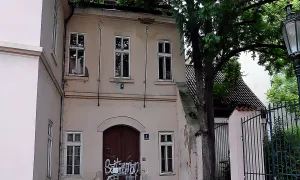
Real photos taken near the monument

Zdroj a licence jsou uvedeny u každého snímku.
Tips from visitors
No tips yet. Be the first!
Log in and add your tip.
Sources and literature
Photos: Michal Kmínek / CC BY-SA 3.0, rozlišení zvýšeno umělou inteligencí — Wikimedia Commons. The author and licence also appear when you hover over the image.
Faktickým podkladem tohoto textu byl článek na Wikipedii, jehož autory jsou přispěvatelé Wikipedie. Článek je dostupný pod licencí CC BY-SA 4.0.
Location on the map

Příběhy a pověsti
Legendy, pověsti a příběhy spjaté s touto památkou

Fotografie návštěvníků
Zatím žádné fotografie. Buďte první, kdo přidá fotografii z návštěvy!
Log in a přidejte svou fotografii nebo hodnoťte.
Za ověřenou návštěvu v aplikaci získáte víc bodů — poznáme podle GPS, že jste na místě.
Reviews and comments