






Kostel Nanebevzetí Panny Marie (Kytín) Church
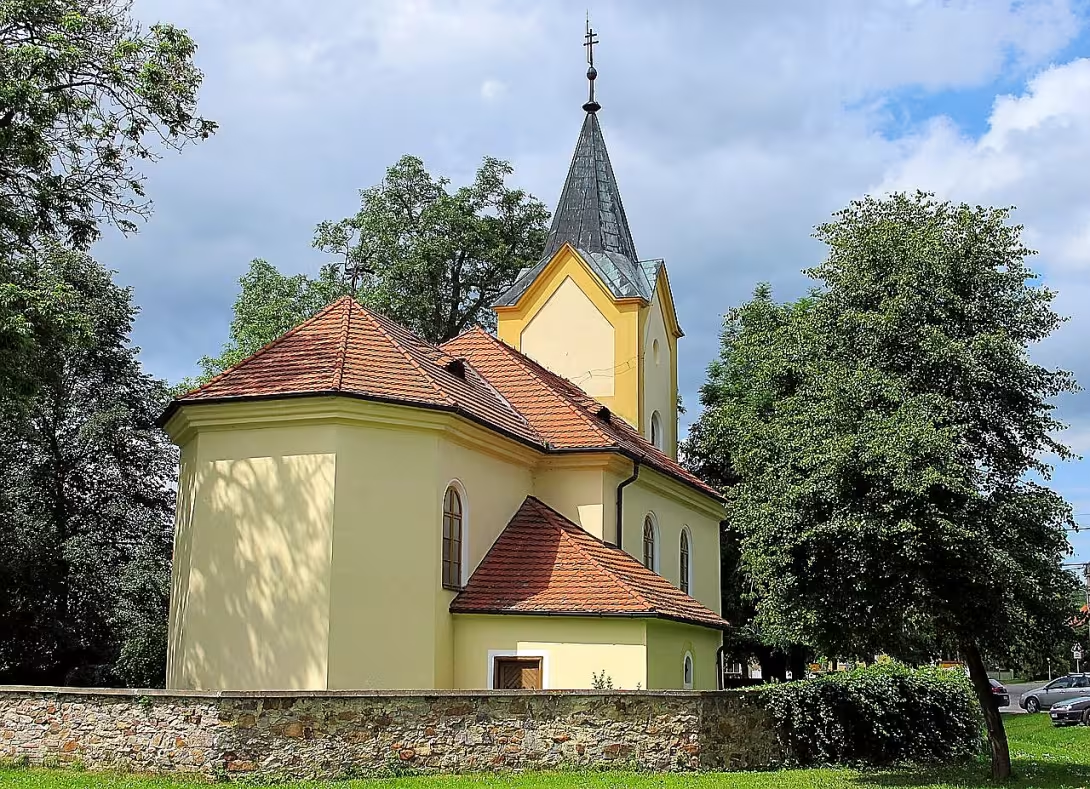
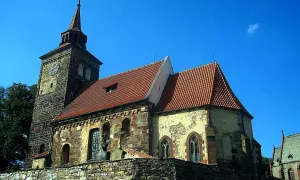
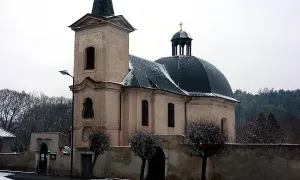
Kostel Nanebevzetí Panny Marie in Kytín is a cultural monument of historical importance located on the village square beside a pond. Originally built in the Gothic style during the early 14th century, it underwent significant Baroque renovations after 1674 and was expanded with a front tower in 1866. This church has been a pilgrimage site since at least the 19th century, attracting visitors for its miraculous well and Marian image now housed in a chapel on Malá Svatá Hora. Despite damage during World War I and theft in 1993, it remains an active filial of the Roman Catholic parish in Mnichovice pod Brdy.
The church's origins trace back to the early 14th century when Bohemia was part of the Holy Roman Empire, a period marked by significant Gothic architectural development. By 1352, a parish had been established at the site, indicating its importance as a religious center from an early stage. The Baroque renovations in the late 17th century coincided with a broader European trend of religious and artistic transformation, reflecting changes in both style and function.
Architecturally, Kostel Nanebevzetí Panny Marie began as a Gothic structure before being transformed into the Baroque style. In 1866, it was extended by adding a front tower. The church features flat ceilings in the nave and apse, with vaulted sacristies. Its interior includes baroque altars and rare original rococo organs from the early 19th century crafted by Gartner of Tachov. These elements highlight the architectural evolution and artistic richness that characterize this monument.
Throughout its history, Kostel Nanebevzetí Panny Marie has experienced various changes in fortune. The church underwent Baroque renovations after 1674 and expanded with a front tower in 1866. Despite being damaged during World War I and suffering theft in 1993, it remains an active religious site under the Roman Catholic parish of Mnichovice pod Brdy.
Key events associated with this monument include its establishment as a pilgrimage site in the 19th century, drawing visitors for its miraculous well believed to have healing properties for eye diseases. This well has been venerated for over 500 years and was renovated and blessed during the village's 690th anniversary celebrations in 2011. Additionally, the church is linked to a local legend involving Paní Korutanská, who reportedly founded Kytín after her blind son regained sight upon using water from the well.
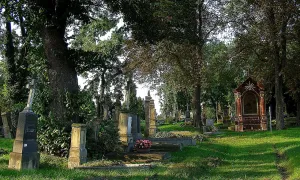
Today, Kostel Nanebevzetí Panny Marie stands as an active place of worship and cultural heritage site. It is situated on a village square next to a pond, with a small cemetery enclosed by a wall that has not been used for burials for about 150 years. The church's historical significance, architectural beauty, and the legendary well make it a worthwhile visit for those interested in history, architecture, or spirituality.
Kostel Nanebevzetí Panny Marie offers a unique glimpse into the religious and cultural evolution of the region. Its blend of Gothic and Baroque elements, coupled with its rich historical narrative and enduring spiritual significance, invites visitors to explore and appreciate this remarkable monument.
Then and now
Drag the slider to compare how the landmark may have looked when it was built with the view today.
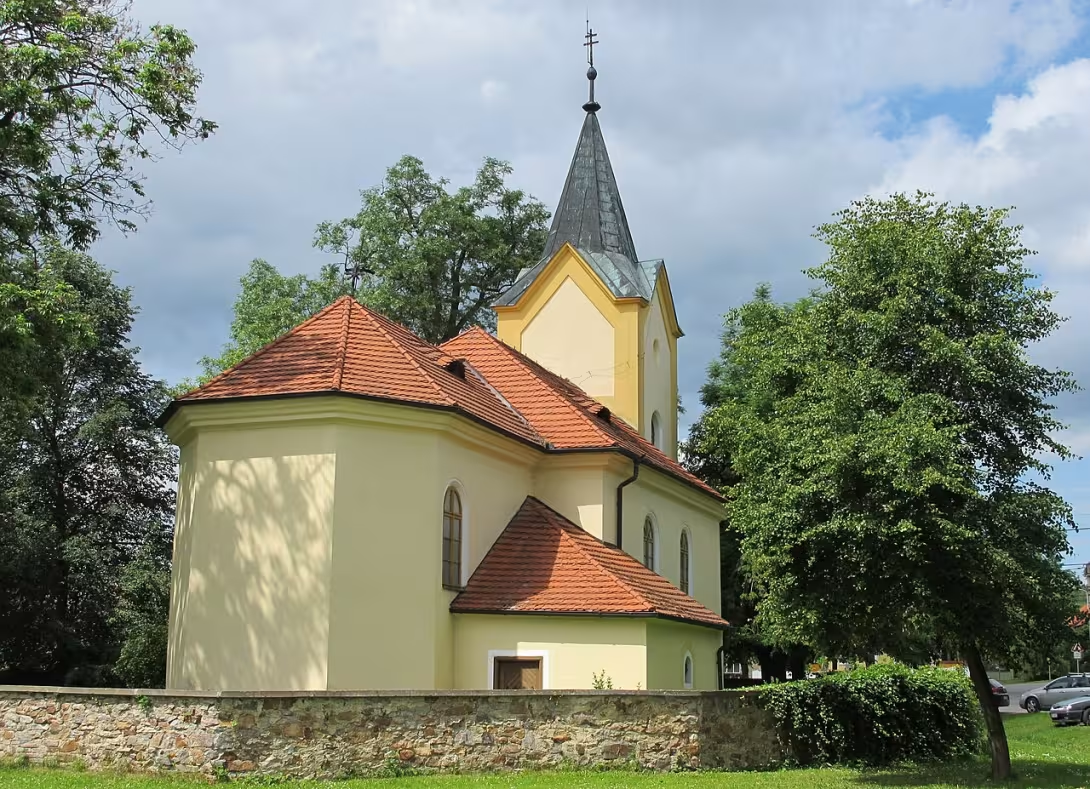
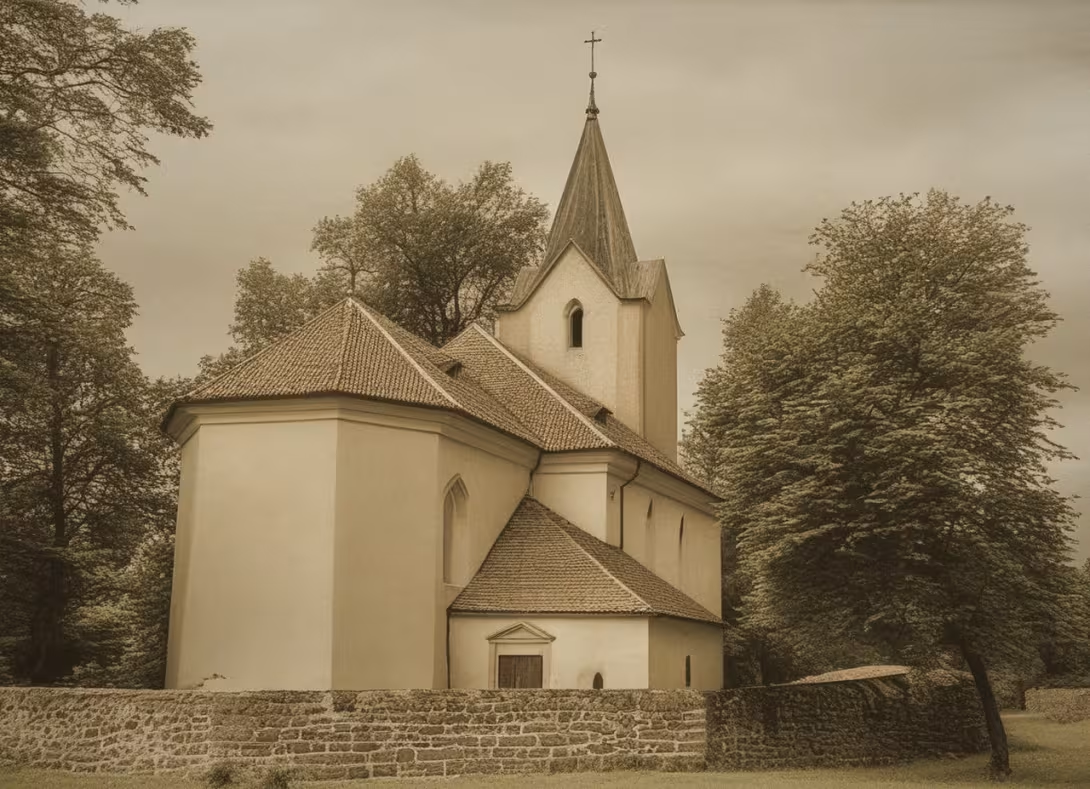
The historical appearance on the left is an AI-generated visualisation and serves as inspiration only.
Historical milestones
- 1352
- A parish was established at the church site.
- 1674
- The Gothic structure underwent Baroque renovations.
- 1866
- The church was expanded with a front tower.
Architectural development
Kostel Nanebevzetí Panny Marie began as a Gothic structure, later transformed into Baroque style. In 1866, it was extended by adding a front tower. The church features flat ceilings in the nave and apse, with vaulted sacristies. Its interior includes baroque altars and rare original rococo organs from early 19th century crafted by Gartner of Tachov.
Historical events
In 1352, a parish was established at the church site.
The church underwent Baroque renovations after 1674 and expanded with a front tower in 1866.
Points of interest
- The church features rare original rococo organs from the early 19th century crafted by Gartner of Tachov, highlighting a unique aspect of its musical heritage that is not commonly found in many other churches.
- Despite suffering damage during World War I and experiencing theft in 1993, Kostel Nanebevzetí Panny Marie has remained an active religious site, demonstrating resilience through turbulent historical periods.
Guide
This guide is narrated by a synthetic voice generated by artificial intelligence.
Show guide text
This text was created by artificial intelligence and has not been editorially reviewed. It may contain inaccuracies.
Welcome to the enchanting village of Kytín, where history and spirituality converge at the heart-stirring site of Kostel Nanebevzetí Panny Marie. As you stand here on this picturesque square beside a serene pond, take a moment to absorb the unique atmosphere that envelops this cultural monument.
The origins of this sacred place trace back to 1352 when a parish was established at the church site. Over centuries, it has witnessed transformations reflective of evolving architectural styles and spiritual needs. Originally built in the Gothic style, the church embraced significant Baroque renovations after 1674, adding layers of grandeur that still captivate visitors today. In 1866, its silhouette was further enhanced with a front tower, marking yet another chapter in its storied existence.
As you gaze upon this architectural marvel, notice how it harmoniously blends Gothic foundations with Baroque elegance. The front tower draws your eye upward, inviting contemplation of the craftsmanship and vision that shaped this sacred space over the centuries.
Kostel Nanebevzetí Panny Marie has not only been a place of worship but also a beacon for pilgrims since at least the 19th century. Its reputation as a pilgrimage site is linked to the miraculous well and the cherished Marian image now housed within, drawing those in search of solace and spiritual connection.
One of the church's most intriguing features are its rare original rococo organs crafted by Gartner of Tachov in the early 19th century. These exquisite instruments highlight an exceptional aspect of the church’s musical heritage, offering a unique auditory experience that is not commonly found elsewhere.
Despite enduring damage during World War I and suffering theft in 1993, Kostel Nanebevzetí Panny Marie stands resilient, its spirit undiminished by time or tribulation. This resilience speaks to the enduring faith and dedication of those who have cherished this place through generations.
As you conclude your visit, we invite you to linger a little longer, perhaps exploring the village surrounding this historic church. Each corner holds stories waiting to be discovered, each path leading to new insights into Kytín's rich tapestry of history and culture.
Thank you for joining us on this journey through time and spirit at Kostel Nanebevzetí Panny Marie. May your visit inspire reflection and a deeper appreciation for the enduring legacy of this cherished landmark. Safe travels as you continue to explore the wonders that await in Středočeský kraj.
Businesses nearby
Do you run a restaurant, accommodation, shop, museum, rental, wellness or other visitor service near this monument? Show yourself directly to the people heading to it — this is how they will see you in the app and on the web:
Events nearby



Zdroj akcí: otevřená data měst a obcí ČR (Národní katalog otevřených dat) a kalendář akcí Národního památkového ústavu.
Nearby
The church is situated on a village square next to a pond. The surrounding area includes a small cemetery enclosed by a wall, which has not been used for burials for about 150 years.
Accommodation nearby
Themed route
Thematic Walking Tour: Kytín and its Historical Gems
1. Kostel Nanebevzetí Panny Marie (Kytín) - Church Begin your journey at the heart of Kytín, where the charming Kostel Nanebevzetí Panny Marie stands majestically on a village square. This historic church is not only an architectural marvel but also serves as a spiritual beacon for the community. Its serene ambiance and intricate design make it a must-visit for anyone interested in religious architecture or local history.
2. Village Square with Pond - Natural Feature After exploring the church, take a leisurely stroll around the village square where the church is located. The adjacent pond adds to the picturesque setting, offering a tranquil spot perfect for reflection and relaxation. This area exemplifies traditional Czech village life and provides an excellent opportunity to appreciate the natural beauty surrounding Kytín.
3. Small Cemetery - Historical Site A short walk from the church will lead you to a quaint cemetery enclosed by a wall, located near the village square. Although it has not been used for burials for about 150 years, this site holds historical significance and offers insight into past generations of Kytín's residents. Walking among the old gravestones provides a unique connection to the town’s heritage.
4. Church Vicinity - Exploration Spend some time exploring the immediate surroundings of the church. The area around this central landmark is rich with history and offers numerous opportunities for discovery, from architectural details on the church itself to the charming village paths that weave through Kytín. This exploration allows visitors to immerse themselves in the local culture and history.
5. Return to Village Square - Reflection Conclude your tour by returning to the village square. Reflect on the sights and stories encountered during your visit, perhaps enjoying a moment of quiet contemplation by the pond or engaging with locals for insights into Kytín’s past and present. This final stop provides closure to an enriching journey through one of Středočeský kraj's hidden gems.
This thematic walking tour offers a comprehensive exploration of Kytín, focusing on its historical and cultural landmarks while providing a serene experience in the heart of this charming village.
Seasonal recommendations
Spring: Visiting the Church of the Assumption of the Virgin Mary in Kytín during spring offers a unique experience as nature awakens around this historic site. The surrounding landscapes are adorned with blooming flowers and lush greenery, creating a picturesque setting that enhances the church's architectural beauty. As daylight extends, the natural light beautifully illuminates the stained glass windows, casting vibrant colors inside the church. Visitors might encounter occasional rain showers, so wearing layers is advisable to stay comfortable. Early morning visits can be particularly serene, allowing you to enjoy the tranquility before larger crowds arrive.
Summer: Summer in Kytín brings vibrant life to the Church of the Assumption of the Virgin Mary with longer days and warm weather inviting visitors to explore both indoors and outdoors. The church grounds are lush and green, providing a perfect backdrop for photography enthusiasts. During this peak tourist season, it's wise to arrive early to avoid crowds and secure parking. Light, breathable clothing is recommended due to the warmer temperatures. Don't forget your hat and sunscreen for protection against the sun while exploring.
Autumn: Autumn offers a magical experience at Kytín with its warm hues of reds, oranges, and yellows enveloping the church and surrounding nature. The changing foliage creates an enchanting atmosphere, making it ideal for photography or simply enjoying a peaceful walk around the site. Cooler temperatures mean you can comfortably explore without the summer heat, but carrying a light jacket is advisable as evenings can get chilly. This season tends to have fewer visitors compared to summer, providing a more intimate experience of this historic landmark.
Winter: Winter transforms Kytín into a serene and quiet setting, with the Church of the Assumption of the Virgin Mary standing stark against the snowy landscape. The shorter days mean that visits should be planned during daylight hours, as some services or tours might have reduced schedules. Wearing warm clothing is essential to stay comfortable while exploring the church grounds. Snow can add a magical touch but may also lead to limited access on certain paths, so checking ahead for any closures or advisories is wise. Despite the cold, the quiet beauty of winter offers a unique and peaceful way to appreciate this historic site.
Visualizations and artistic views


The visualisations are generated by artificial intelligence and serve as inspiration.
Photos from the area
Real photos taken near the monument


Zdroj a licence jsou uvedeny u každého snímku.
Tips from visitors
No tips yet. Be the first!
Log in and add your tip.
Sources and literature
Fotografie: Huhulenik / CC BY 3.0 — Wikimedia Commons. The author and licence also appear when you hover over the image.
Faktickým podkladem tohoto textu byl článek na Wikipedii, jehož autory jsou přispěvatelé Wikipedie. Článek je dostupný pod licencí CC BY-SA 4.0.
Location on the map

Příběhy a pověsti
Legendy, pověsti a příběhy spjaté s touto památkou

Příběh: Kostel Nanebevzetí Panny Marie (Kytín)
Bylo to v pondělí ráno, kdy Oldřich zjistil, že všechno se změnilo — neboli právě začalo být jiné. Stál u kostela Nanebevzetí Panny Marie, kam ho přivedla zo…
Číst příběh
Pověst: Kostel Nanebevzetí Panny Marie (Kytín)
Podle místní pověsti sahá původ vesnice Kytín až k jednomu z těch tichých zázraků, o nichž se šeptá od pokolení k pokolení a jejichž stopy lze dodnes vysledo…
Číst příběhFotografie návštěvníků
Zatím žádné fotografie. Buďte první, kdo přidá fotografii z návštěvy!
Přihlaste se a přidejte svou fotografii nebo hodnoťte.
Za ověřenou návštěvu v aplikaci získáte víc bodů — poznáme podle GPS, že jste na místě.
Reviews and comments