






Kostel Nanebevzetí Panny Marie (Neratov) Church
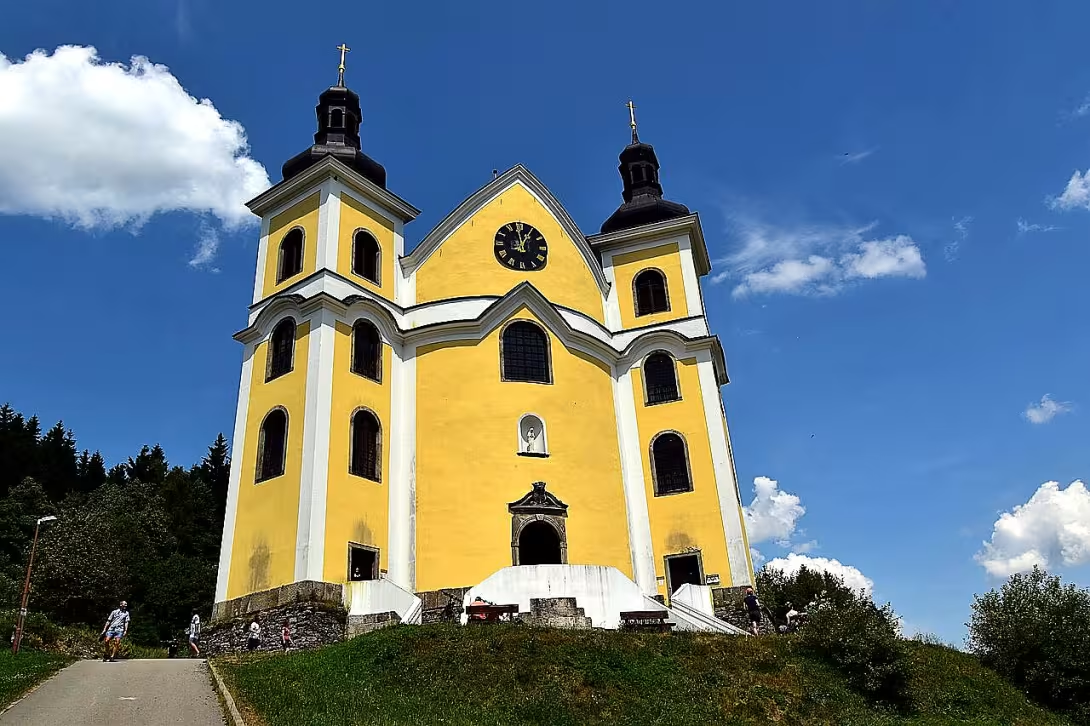
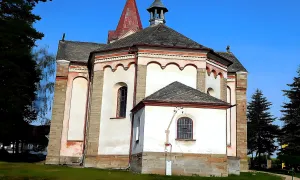
Kostel Nanebevzetí Panny Marie in Neratov is a baroque church located in the Orlické Mountains of the Královéhradecký kraj region. Constructed in the early 18th century, this monument highlights its historical and cultural importance, having been designated a protected cultural heritage site since 1992. It gained further recognition when included among the pilgrimage sites of the Hradec Králové diocese in 2011.
The origins of Kostel Nanebevzetí Panny Marie date back to the mid-16th century, when German settlers who were glassmakers and forestry workers built a wooden church. By the early 17th century, this small church expanded under Christoph Mauschwitz von Armenruh, owner of the Rokytnice estate. During his tenure, it served as a Lutheran parish, reflecting the era's religious diversity. However, following Mauschwitz's assassination in 1616 by rebellious peasants—a potentially religion-related incident—the area experienced re-Catholicization after the Bohemian Revolt's defeat.
In the mid-17th century, a tradition of Marian pilgrimage began at this site. By 1667–1668, a new stone church replaced the original wooden structure, with only its presbytery surviving today as a cemetery chapel. The current baroque church was constructed between 1723 and 1733, replacing an earlier wooden building. Although the architect is not definitively known, Giovanni Battista Alliprandi has been suggested as a possible designer. Jan Karel von Nostitz-Rieneck laid the foundation stone on August 14, 1723, with its consecration occurring on August 24, 1733.
Throughout its history, the church faced significant challenges, most notably during World War II when it was destroyed by shelling from a Soviet tank. Subsequent neglect and adverse conditions under communist rule led to further deterioration until restoration efforts began after 1989. These efforts initially focused on preserving the damaged walls against natural elements before moving towards full reconstruction.
Today, Kostel Nanebevzetí Panny Marie stands as a symbol of resilience and cultural heritage in Neratov. Its partial glass roof, reminiscent of St. Anne's Chapel in Jeseníky, adds to its architectural intrigue. The church is not only a site of historical interest but also a place where new traditions are being formed, such as the annual pilgrimage that began in 1990. Visitors can explore this monument and appreciate its significance within the broader context of Czech history and Marian devotion.
Kostel Nanebevzetí Panny Marie offers more than architectural beauty; it is a living testament to the region's rich cultural tapestry. Its story reflects broader historical currents, from religious transformations in post-Reformation Europe to the impacts of modern conflicts. As such, it stands as an inviting destination for those interested in history, architecture, and spirituality, offering insights into both past and present.
Then and now
Drag the slider to compare how the landmark may have looked when it was built with the view today.
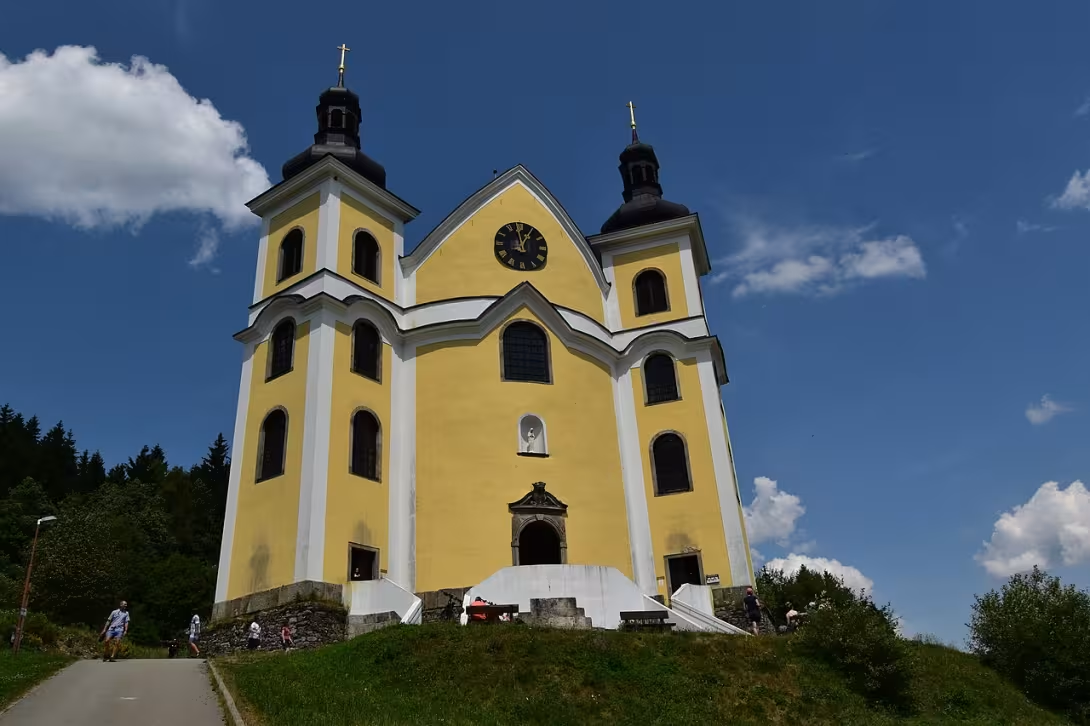
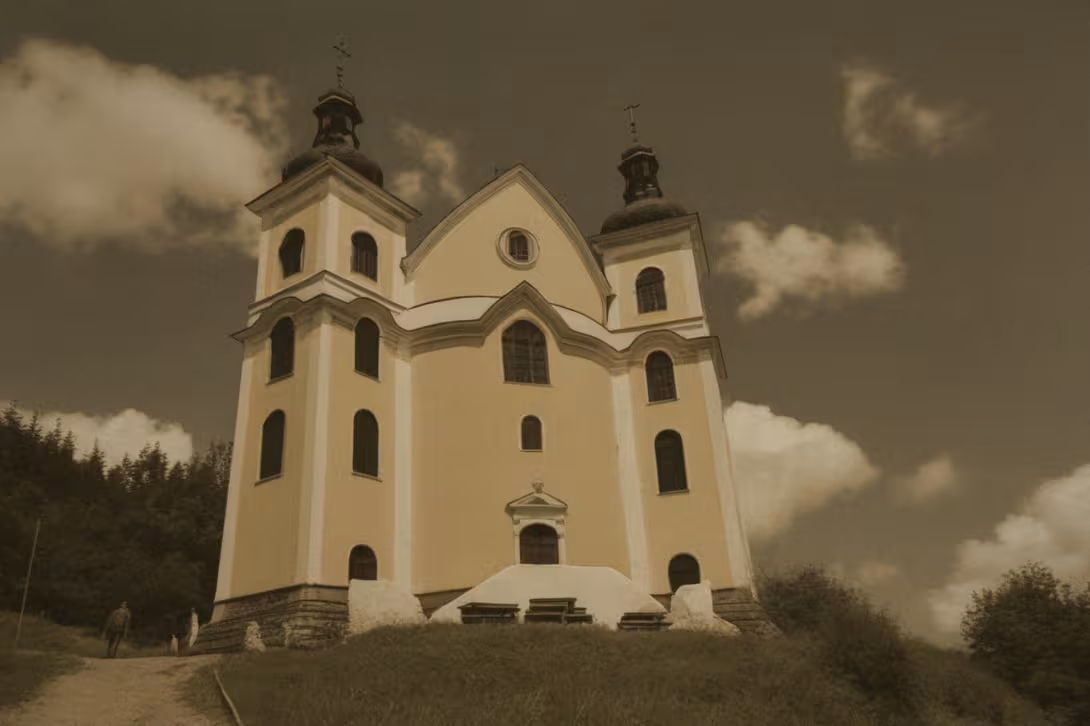
The historical appearance on the left is an AI-generated visualisation and serves as inspiration only.
Historical milestones
- 1603
- Dokončení rozšíření původního kostelíku.
- 1667-1668
- Postavení nového kamenného kostela na místě dřevěného kostelíku.
- 1723
- Položení základního kamene pro barokní chrám Janem Karelzem z Nostitz-Rienecku.
- 1733
- Vysvěcení nového barokního chrámu.
Architectural development
Originally, the wooden chapel built around the mid-16th century was expanded in the early years of the 17th century and became a Lutheran parish. Between 1667–1668, it was replaced by a stone church, from which only the cemetery chapel remains. The Baroque church, constructed between 1723–1733, was reconstructed after being rebuilt following a fire during World War II in the year 2000.
Historical events
- 1616
- Kryštof Mauschwitz was murdered by rebellious peasants, which may have had a religious context.
- 1723-1733
- The construction of the new Baroque church of the Assumption of the Virgin Mary.
- 1945
- The church was destroyed during World War II by anti-tank fire.
Points of interest
- The church's origins can be traced back to the mid-16th century when German glassmakers and forestry workers established a wooden church, highlighting the region’s early multicultural influences.
- Following Christoph Mauschwitz von Armenruh's assassination in 1616 by rebellious peasants, possibly due to religious tensions, the area underwent re-Catholicization after the Bohemian Revolt, showcasing the turbulent religious dynamics of that era.
- The original wooden church was replaced with a stone structure between 1667 and 1668, but only its presbytery remains today as a cemetery chapel, illustrating the layers of architectural evolution at the site.
- Despite being destroyed during World War II by shelling from a Soviet tank, Kostel Nanebevzetí Panny Marie underwent significant restoration after 1989, symbolizing resilience and renewal in post-communist Czech history.
- The church's partial glass roof is reminiscent of St. Anne’s Chapel in Jeseníky, adding an architectural connection between different Marian sites across the region.
Guide
This guide is narrated by a synthetic voice generated by artificial intelligence.
Show guide text
This text was created by artificial intelligence and has not been editorially reviewed. It may contain inaccuracies.
Welcome to Neratov, a small place full of history and beauty where you find yourself in front of the Baroque Church of the Assumption of the Virgin Mary. This church, with its elegant lines and serene presence, is the focal point in the Orlické Mountains. Notice the ancient façade that tells a story of resilience and renewal after being destroyed during World War II.
Let's delve into its origins. In the 16th century, a wooden chapel was built on this site to serve German glassmakers and forestry workers. This first church became known as a Marian pilgrimage site. By 1603, an expansion of the original chapel was completed, indicating its importance for the community at that time.
In 1667-1668, a new stone structure replaced the wooden chapel. However, this was not the end of its evolution. In 1723, Jan Karel z Nostitz-Rieneck laid the foundation stone for the Baroque church you see before you today. This new church was consecrated in 1733 and is the work of Giovanni Battista Alliprandi, whose architectural skills are evident in the intricate decorations and harmonious arrangement.
Now look up at the façade. Although specific details are not specified, notice the elegant design characteristic of Baroque architecture from that era. The atmosphere of this place is one of calm and history, where every stone has its story.
This church also bears traces of dramatic events. In 1616, Kryštof Mauschwitz z Armenruh was murdered in a peasant uprising, adding a dark chapter to its history and highlighting the tense relationships between the nobility and the population at that time.
An interesting aspect is that the original wooden chapel from the 16th century suggests early multicultural influences in the development of this site. The German community brought their culture and traditions, enriching Neratov's cultural landscape.
Now that you've immersed yourself in the history and beauty of the Church of the Assumption of the Virgin Mary in Neratov, it might be time to explore the surrounding areas. Every street and corner of the Orlické Mountains has its stories waiting to be discovered. I hope your visit to this place was captivating for you. Until we meet again with more historical beauties!
Businesses nearby
Do you run a restaurant, accommodation, shop, museum, rental, wellness or other visitor service near this monument? Show yourself directly to the people heading to it — this is how they will see you in the app and on the web:
Nearby
The church is located in the Orlické Mountains, an area known for its natural beauty and other cultural landmarks such as Skalka Castle in Podbřezí.
Accommodation nearby
Themed route
Thematic Tour Itinerary: Orlické Hory Cultural and Natural Exploration
1. Kostel Nanebevzetí Panny Marie (Neratov) - *Type:* Church - *Why Visit:* This stunning Baroque church, located in the heart of Neratov, is a testament to the rich religious and architectural heritage of the Orlické Hory region. Its intricate design and historical significance make it an essential visit for anyone interested in cultural history.
2. Zámek Skalka (Podbřezí) - *Type:* Castle - *Why Visit:* Situated approximately 10 kilometers from Neratov, Zámek Skalka offers a glimpse into the aristocratic past of the Orlické Hory. The castle's picturesque setting and well-preserved architecture provide insight into the region’s noble history and its role in shaping local culture.
3. Orlické hory Natural Landscape (General Area) - *Type:* Natural Landscape - *Why Visit:* While not a specific site, exploring the surrounding natural beauty of Orlické Hory enriches your visit to Neratov and Zámek Skalka. The area's lush forests, rolling hills, and diverse wildlife offer serene hiking opportunities and breathtaking views that highlight the region’s environmental significance.
This itinerary offers a balanced exploration of both cultural heritage and natural beauty within the Orlické Hory region, providing visitors with a comprehensive experience of its unique charm.
Seasonal recommendations
Spring: Visiting the Church of the Assumption of the Virgin Mary in Neratov during spring offers a unique experience as nature begins to awaken around this historic site. The re-emergence of greenery and blooming flowers creates an enchanting atmosphere, enhancing the beauty of the church's architecture against a backdrop of vibrant colors. This is an ideal time for photography enthusiasts who wish to capture the church surrounded by blossoms. However, spring can bring unpredictable weather, so visitors should dress in layers and carry rain gear just in case. The site may still be experiencing some reconstruction activities, so it’s wise to check ahead for any specific areas that might be closed.
Summer: Summer is a popular time to visit the Church of the Assumption due to its warm, inviting atmosphere and extended daylight hours, perfect for exploring the church's historical details. The lush greenery surrounding the site provides a picturesque setting, making it an excellent choice for leisurely walks after your visit. However, summer also brings larger crowds, particularly during peak tourist season, so arriving early in the morning can help avoid long lines and ensure a more serene experience. Light clothing is recommended to stay comfortable under the sun, along with sunscreen and water.
Autumn: Autumn presents a stunning palette of colors as the leaves around the Church of the Assumption turn vibrant shades of red, orange, and yellow. This makes it an ideal time for visitors who appreciate nature's beauty in its most colorful form. The cooler temperatures are perfect for walking tours or picnics nearby, allowing you to fully enjoy the serene atmosphere without the summer heat. While this season is generally less crowded than summer, some areas might still be under reconstruction, so checking ahead remains advisable. Layered clothing will keep you comfortable as the days cool down.
Winter: Winter offers a unique charm at the Church of the Assumption with its snow-covered surroundings providing a serene and almost mystical atmosphere. The church can appear more majestic against the stark winter landscape, offering a different perspective from other seasons. However, visitors should be prepared for shorter opening hours due to the cold weather, and it's advisable to dress warmly in insulated layers to enjoy your visit comfortably. While fewer tourists might mean less crowding, some parts of the site could still be closed for reconstruction, so checking updates before visiting is recommended.
Visualizations and artistic views


The visualisations are generated by artificial intelligence and serve as inspiration.
Photos from the area
Real photos taken near the monument

Zdroj a licence jsou uvedeny u každého snímku.
Tips from visitors
No tips yet. Be the first!
Log in and add your tip.
Sources and literature
Fotografie: Lukáš Nekolný / CC BY-SA 4.0 — Wikimedia Commons. The author and licence also appear when you hover over the image.
Faktickým podkladem tohoto textu byl článek na Wikipedii, jehož autory jsou přispěvatelé Wikipedie. Článek je dostupný pod licencí CC BY-SA 4.0.
Location on the map
More monuments – Bartošovice v Orlických horách
Show all in the municipality

Příběhy a pověsti
Legendy, pověsti a příběhy spjaté s touto památkou

Příběh: Kostel Nanebevzetí Panny Marie (Neratov)
Bylo to v pondělí ráno, kdy Jan z Vratu, místní rybníkář a dlužník na více stranách než je možné spočítat, stál u kostela Nanebevzetí Panny Marie s váhou hří…
Číst příběh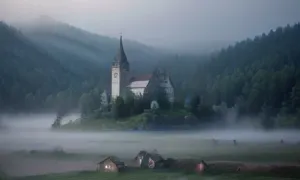
Pověst: Kostel Nanebevzetí Panny Marie (Neratov)
Podle místní pověsti se to přihodilo v době, kdy na neratovský kraj doléhala tíha nedávného neštěstí. Byl rok šestnáct set šestnáct a na zámku v Rokytnici je…
Číst příběhFotografie návštěvníků
Zatím žádné fotografie. Buďte první, kdo přidá fotografii z návštěvy!
Přihlaste se a přidejte svou fotografii nebo hodnoťte.
Za ověřenou návštěvu v aplikaci získáte víc bodů — poznáme podle GPS, že jste na místě.
Reviews and comments