






Kostel Nanebevzetí Panny Marie (Planá) Church
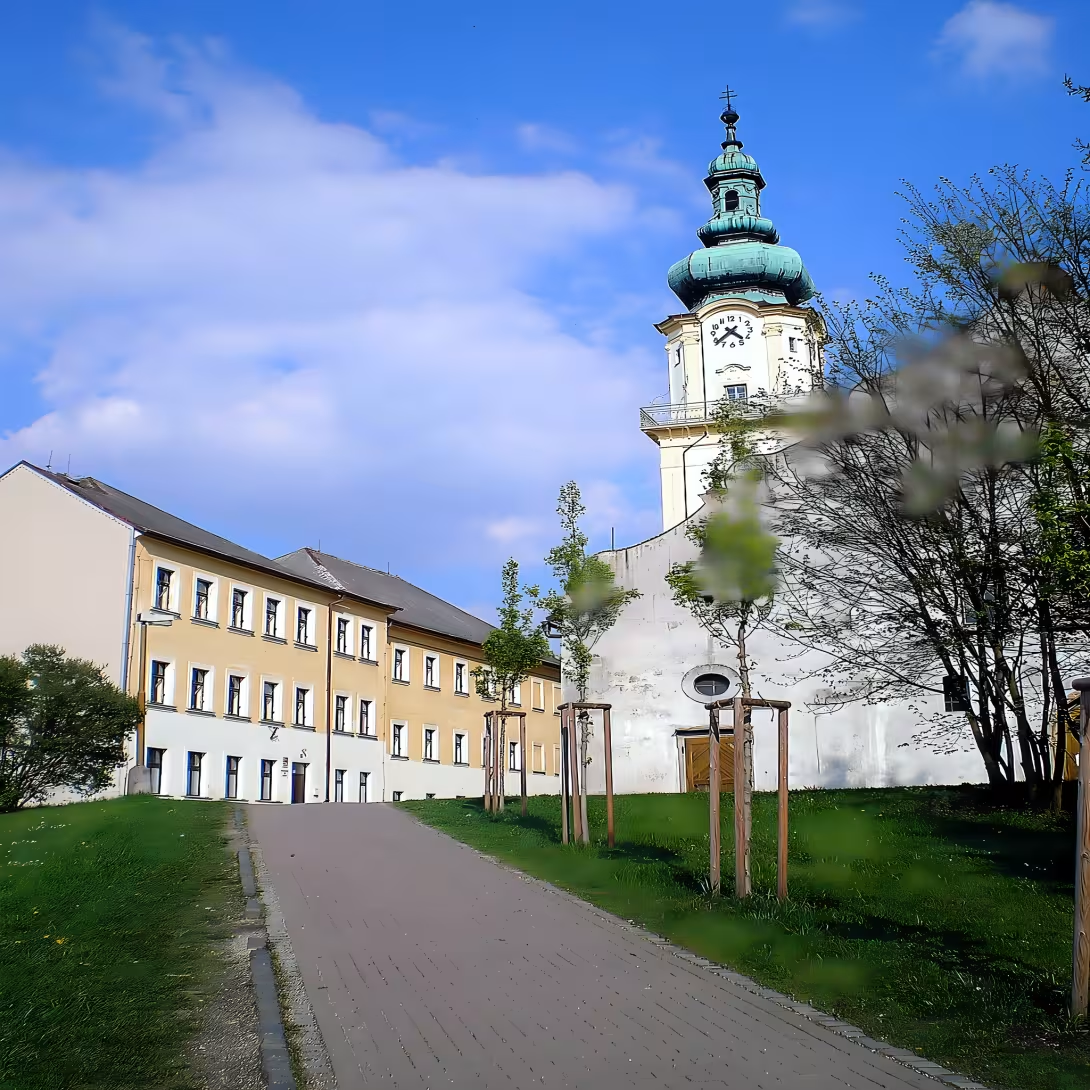
Planá is first documented in 1251 and the first building of the church is likely to come from the time it was founded. The original temple was a late Romanesque building with a five-sided presbytery and two prism towers. From this oldest construction phase, the presbytery was preserved mainly by the corner guides and the main ship with the west portal.
In the second half of the 14th century there was a Gothic reconstruction. She was connected to two lower side ships which significantly changed the appearance of the building. During the first half of the 16th century получé the main ship of late Gothic cross vaults - an element that remained one of the characteristic characteristics of the church until today.
The most fundamental changes brought about by the 18th century, when the church became the subject of the interest of powerful benefactors. František Václav Sinzendorf, owner of the local estate, initiated the first stage of Baroque reconstruction in 1745-1747. The builder Tomáš Pötzl, under his leadership, built into the church a circle and side empores, modified the walls and broke new windows in side ships. The interior was decorated with rich stucco and paint decoration by local native W. Schmidt.
The second stage of the Baroque reconstruction took place between 1765- 1768 and focused mainly on the presbytery. Polír M. Neuner from Jihlava created a new vault with a rich stucco frame according to Adam Lauterer's design. Another minor modification was made in the 19th century - 1872 and 1882.
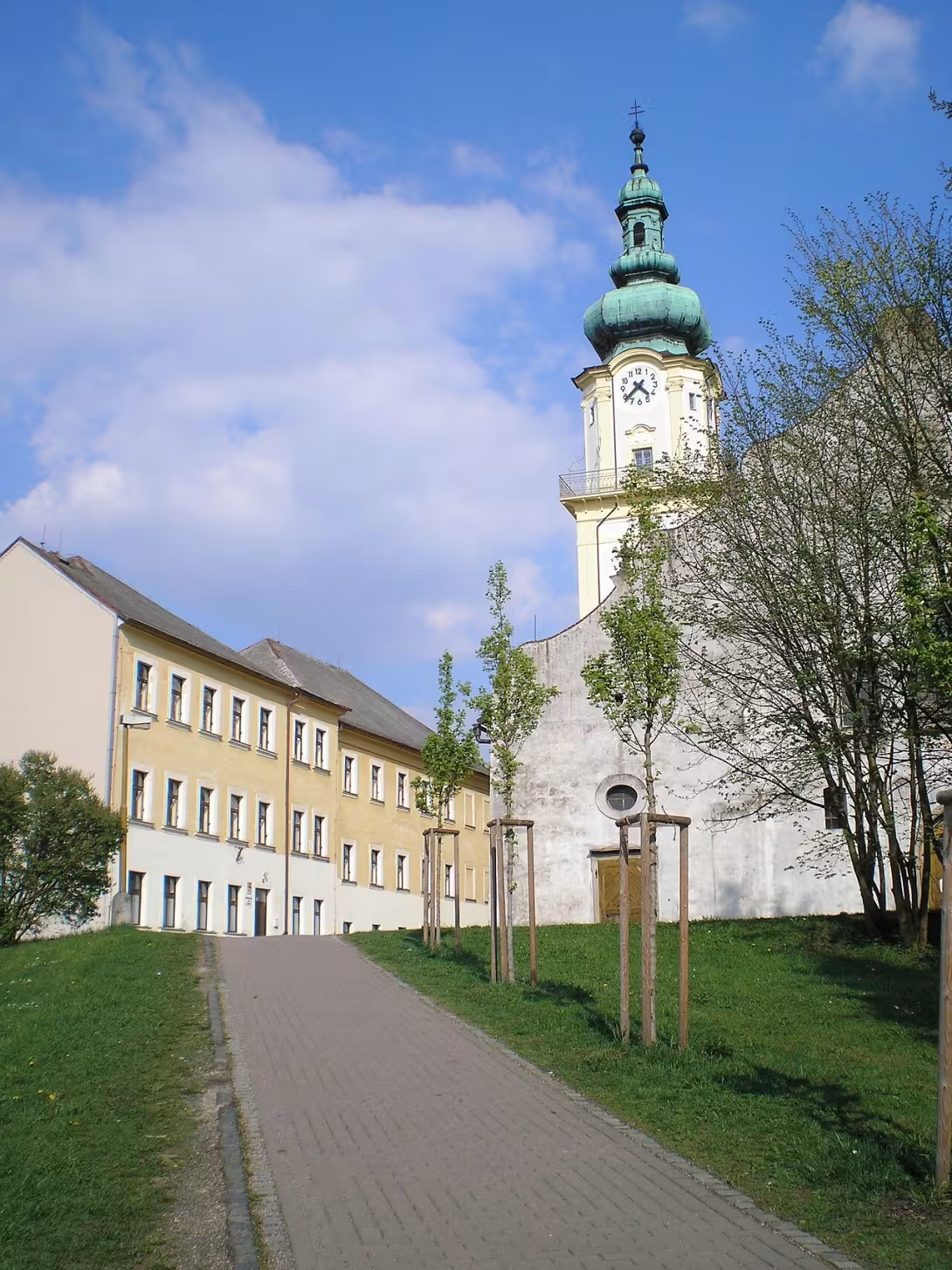
The fate of the church was greatly shaken by the Thirty Years' War, in which the South Tower died. The North Tower lasted until the early 20th century when it was demolished due to poor statics. In 1902, its upper floor was demolished, and two years later, in 1904, it was replaced by today's neo-Baroque tower.
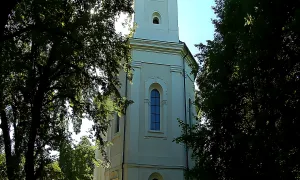
Today's construction form indicates all stages of development. The three-boat basilica boasts a tripod closed by a presbytery on whose south side there is a square chapel and rectangular sacristy. The western facade of the church culminates with a high three-storey shield with volutes and a sharp portal with columns. The shield is decorated with a high window with two other segment windows on the sides. The side walls are broken down by high windows with champagne. Neo-Baroque prism tower with eight-sided superstructure and onion fighting with lantern dominates the city.
Inside, the historical layers are harmonically supplemented. The Gothic cross-rib arches with stucco details of the late baroque are lifted by rococo pilasters. Empores with convex strained breasts and a ring in the western part complete the spacious interior. The presbytery with its baroque plaque and decoration ranks in continuity with the overall style of the 18th century.
Together with the neighboring parish, the church has been protected as a cultural monument since 1964. In his tower today, there is a town gallery, giving the temple a new sense of life for Plana. The church remains not only an important spiritual building, but also an architectural reminder of the rich cultural tradition of the city.
Then and now
Drag the slider to compare how the landmark may have looked when it was built with the view today.
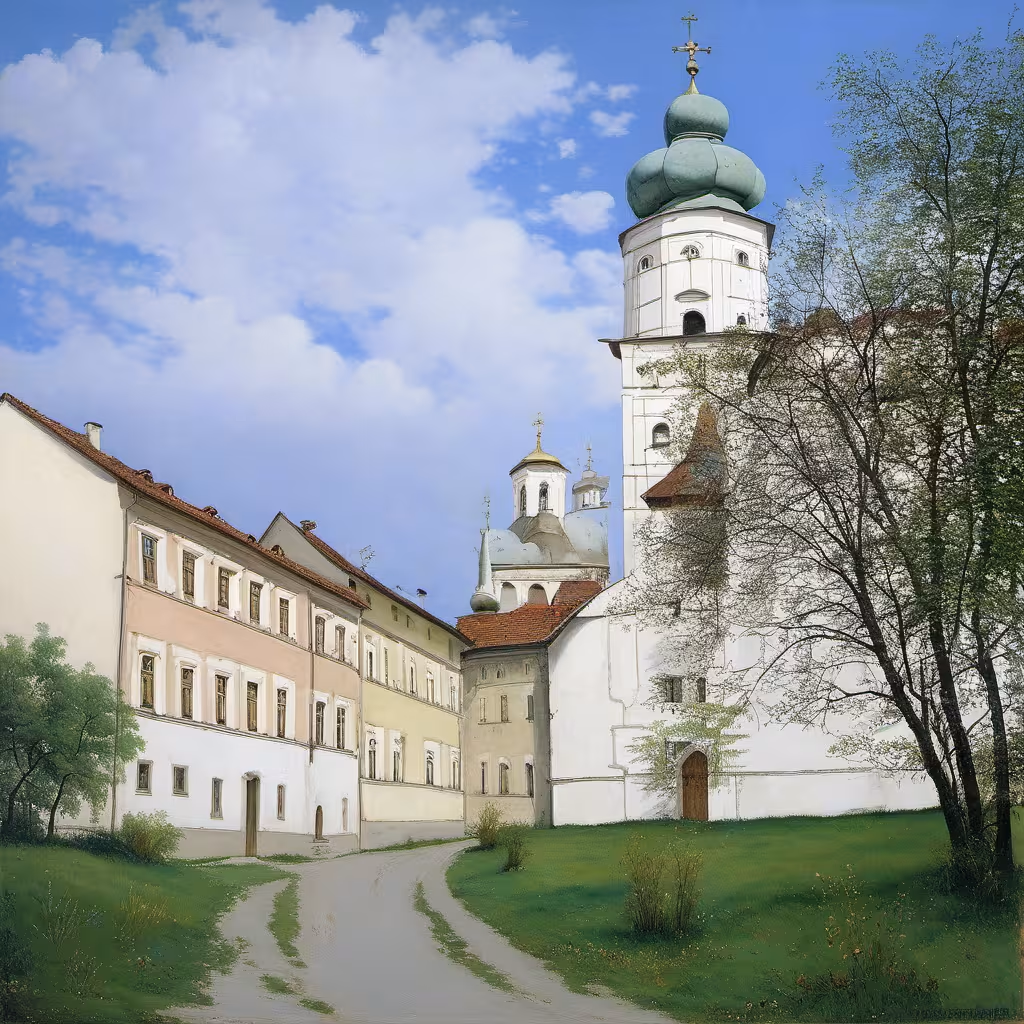
The historical appearance on the left is an AI-generated visualisation and serves as inspiration only.
Historical milestones
- 1964
- Protected as a cultural monument
Architectural development
The church began as a late Romanesque building in the 13th century, underwent Gothic modifications in the 14th and 16th centuries, and a major Baroque reconstruction in the 18th century. In 1904 a neo-Baroque tower was built.
Historical events
- 1251
- 1745
- 1765
Owners
parish
municipality
Points of interest
- Planá is first documented in 1251 and probably comes from the same time the first building of the church. - The original temple was a late Romanesque - a single-boat building with a five-sided presbytery and two prism towers. - In the second half of the 14th century, there was a Gothic reconstruction, when two lower side ships were connected. - During the first half of the 16th century, the main ship received late Gothic cross vaults - an element that remained a characteristic of the church. - The most fundamental changes were brought by the 18th century with Baroque reconstruction initiated by František Václav Sinzendorf, which included the construction of a circle and side emperors, modified walls and new windows.
Guide
This guide is narrated by a synthetic voice generated by artificial intelligence.
Show guide text
This text was created by artificial intelligence and has not been editorially reviewed. It may contain inaccuracies.
Welcome to Plana. You are standing in front of one of the most important construction sites in the entire region. Look at this massive building that dominates the whole city so strongly and patiently. It's the Church of the Assumption of the Virgin Mary. Do you feel the weight of history that radiates from these walls? This three-boat basilica is not just a building of stone and mortar, it is a living chronicler of the city who witnessed many centuries of transformation, human destiny and changing styles of human expression. Feel the atmosphere of peace and at the same time the monumental nature surrounding you.
Now let's go back to the past together to understand how this temple came into being. To understand the essence of this place, we have to move on to 1251. This is the year when Planá was first documented in writing. It is very likely that at this time, in the mid-13th century, the first foundations of this church began to emerge. Imagine the period landscape, much wilder then, and people then built with emphasis on resilience and stability. The original building was in late Romanesque style. It wasn't as large a building as you see today. It was a one-legged temple that had a five-sided presbytery and two prism towers. At that time, this church was probably the center of the whole settlement, a place where people met in the most important moments of their lives.
Now try to think about how this space changed over time. Architecture is never static, she breathes along with the people who create it. In the second half of the 14th century there was a fundamental change when the temple was rebuilt into a Gothic style. This era has brought new perception of space and dimensions. Two lower side ships were connected to the original single-deck structure. With this step, the church began to expand, to gain its complexity today, and to commemorate the magnificent basilica you see before you. This Gothic layer was another important step in the long way that this object had offended.
But now pay attention to what you see in its present, most distinctive form. The great transformation that breathed into the church his baroque face today came only in the eighteenth century. It was at this time that extensive reconstruction took place, which changed the character of the whole place. This Baroque era was complex and took place in several stages, each stage adding a new dimension to the church. Now, if you look at the overall structure of the building, feel the harmony that baroque architecture has brought into it. It's a fascinating process where different centuries and different ways of building have interconnected into one whole.
This incredible transformation is behind specific people whose names we must mention in order to fully understand the scope of this work. The first stage of the Baroque reconstruction was managed by builder Tomáš Pötzl. He was a man who had to bring a new spiritual and aesthetic dimension to his original structure. This process was not possible without proper support, and this is where the figure will appear, which was the patron saint of the first stage of the Baroque reconstruction, František Václav Sinzendorf. Without his will and resources, the baroque face of this place would probably not be created as we know it.
Over time, the work on the church continued and other masters entered the game. Adam Lauterer, who was responsible for the design of the main altar, was then involved in the process in the second stage of the Baroque reconstruction. The altar is the heart of every church and its design required not only technical skill, but also deep artistic feeling. And if you look now at the inner spaces, especially the vault of the presbytery, you must know that for its precise and artistic execution in the second stage of the Baroque reconstruction, Master M. Neuner of Jihlava is responsible for it. Each of these men left an invisible but tangible mark in these walls.
There's something here that might interest you. It's the incredible subtlety of time. This church is not just one style, it's like a book where each chapter was written by a different hand at a different time. You have Romanesque stability, a gothic expanding structure and baroque richness. This combination of styles is rare and makes this place a real architectural unique. It's fascinating how these different worlds were able to unite in one body to create a monumental entity that resisted centuries.
The importance of this place for our heritage is so high that since 1964 the Church of the Assumption of the Virgin Mary has been protected as a cultural monument. This is clear proof that this object is not just part of the city, but an integral part of our history and identity.
But now I will not take you only with words, but with sounds. I appreciate you taking the time to listen to me. Now we invite you to further explore. Walk around, feel the atmosphere, look at the details and try to imagine the thousands of people who stood before you at different times. Let the history of this place consume you. Thank you for your visit and we wish you a pleasant continuation in discovering the beauty of Plana.
Tips for visitors
For the best experience we recommend a visit in the morning, when natural light best highlights baroque elements and the architecture of massive basilica.
The monument can be easily transported by car and public transport; please check the current connection and parking possibilities in the traffic search engines.
For the best photos of the exterior we recommend to use the space in front of the church, which allows you to capture its entire power. We recommend taking small money with us for any fees and drinking water.
Families with children should observe calm behavior in order not to disturb the spirit of the place. Due to historical construction, it is advisable to check the availability of the space for movement with the pram in advance.
Within 30 minutes of the monument, no other attractions are listed in the information provided.
Frequently asked questions
Is Kostel Nanebevzetí Panny Marie (Planá) open to the public?
Yes, the church is open to the public all year round. The best time to visit the church is during spring and summer months, when the weather is the hottest.
How do I get to the place by car / public transport?
You can get to Plana by bus from nearby town. Parking is possible near the church.
How much is the entrance fee and is it paid on the spot?
Admission is free, but you can contribute to the maintenance of the church.
Is the tour suitable for children and seniors?
Yes, the tour is suitable for all ages. For children you can bring a small guide or download it on your phone.
How long does the tour take?
The church tour takes approximately 30 minutes.
What are the opening times and booking is required?
The church is open daily from 9: 00 to 18: 00. Reservation is not necessary, but we recommend contacting the local parish in advance.
What's interesting in the immediate vicinity?
Near the church there is a small square with several sights and refreshments. In the vicinity of Plana you can visit other historical monuments such as Švihov Chateau or Kynžvart Chateau.
For kids
Imagine going back to the past... Until everything was different and every word had a different meaning. It was a time when people believed in angels, faith and miracles. And it was at that time that the Church of the Assumption of the Virgin Mary stood on the hill above the Edge River.
Businesses nearby
Do you run a restaurant, accommodation, shop, museum, rental, wellness or other visitor service near this monument? Show yourself directly to the people heading to it — this is how they will see you in the app and on the web:
Nearby
Planá
Lower Blatna
Accommodation nearby
Themed route
1. Interior of the Church of the Assumption of the Virgin Mary, sacral space: A place for admiring architecture and religious art in the main ships. 2. Church tower, sightseeing building: It offers panoramic views of the city Planá and surrounding landscape. 3. Church area, outdoor area: Quiet zone for walking and thinking in the immediate vicinity of the temple.
Seasonal recommendations
Spring: In spring, the Church of the Assumption of the Virgin Mary in Plana offers an unforgettable view, where the sun's rays illuminate the stone architecture and revive the green nature around. Flowers in the area are beginning to bloom, which gives the church a vital touch. It is advisable for visitors to visit a monument in the early spring season, when the crowd has not yet been able to reach full strength and opening times are long. It is recommended to wear light clothes with the possibility to add a layer because temperatures can be medium.
Summer: Summer in Plana offers ideal conditions for a tour of the Church of the Assumption of the Virgin Mary. Long sunny days and warm noon bring a bright lighting interior where visitors can enjoy architectural details in full light. This season, it is recommended to visit the memory early in the morning or late in the afternoon to avoid the peak hours when the crowd increases significantly. Hot clothes and sun protection are key to comfortable experience.
Autumn: Autumn season in Plana offers the Church of the Assumption of the Virgin Mary a unique touch, when the colour of the leaves turns into a golden and red palette. Sunshine days take turns with wet afternoons, which gives the atmosphere a romantic character. This season the opening hours are usually shorter, so it is recommended to visit the memory in the early part of the day. Clothes should be suitable for colder weather with the possibility to add a layer.
Winter: Winter offers the Church of the Assumption of the Virgin Mary in Plana a a completely different touch. Snow sheets and ice patterns on the roof can add a mystical atmosphere, especially during sunny days. The opening hours are usually shorter and the traffic is lower, so there is an excellent opportunity for a quiet tour. Hot clothing, moisture protection and suitable footwear are necessary for a comfortable visit in cold weather.
Visualizations and artistic views


The visualisations are generated by artificial intelligence and serve as inspiration.
Photos from the area
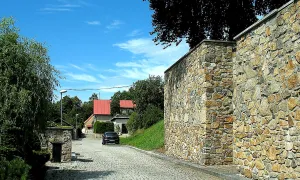
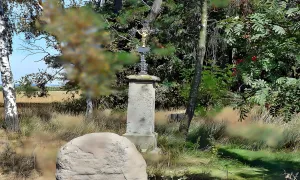
Real photos taken near the monument


Zdroj a licence jsou uvedeny u každého snímku.
Atmosphere of the place
This atmospheric visualisation of the place and period was generated by artificial intelligence. It is not real footage of the location.
Tips from visitors
No tips yet. Be the first!
Log in and add your tip.
Sources and literature
Fotografie: HonzaXJ at Czech Wikipedia / Public domain, rozlišení zvýšeno umělou inteligencí — Wikimedia Commons. The author and licence also appear when you hover over the image.
Faktickým podkladem tohoto textu byl článek na Wikipedii, jehož autory jsou přispěvatelé Wikipedie. Článek je dostupný pod licencí CC BY-SA 4.0.
Location on the map
Příběhy a pověsti
Legendy, pověsti a příběhy spjaté s touto památkou
Fotografie návštěvníků
Zatím žádné fotografie. Buďte první, kdo přidá fotografii z návštěvy!
Přihlaste se a přidejte svou fotografii nebo hodnoťte.
Za ověřenou návštěvu v aplikaci získáte víc bodů — poznáme podle GPS, že jste na místě.
Reviews and comments