






kostel Nanebevzetí Panny Marie v Poděbradech Church
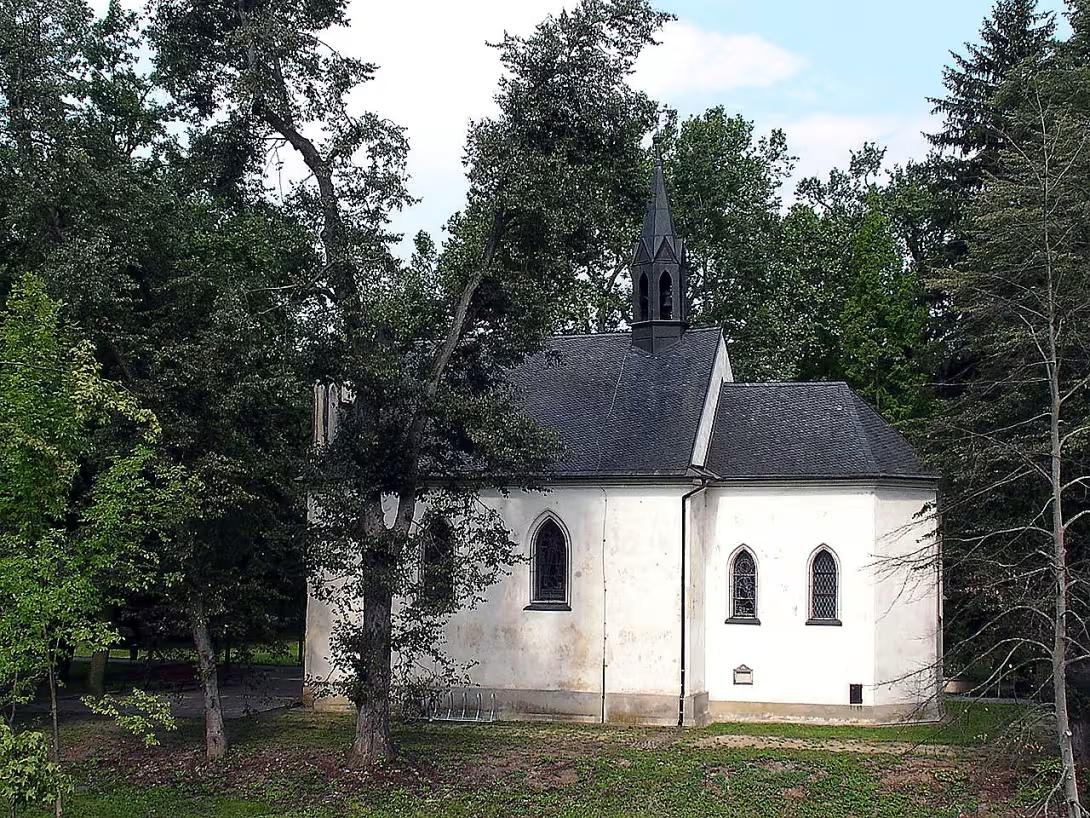
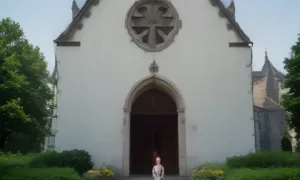
The Church of the Assumption of the Virgin Mary, also known as Havířský kostel, is a Roman Catholic church in Poděbrady, Czech Republic. This historical monument stands outside the town center on the Elbe River's left bank. It marks where ten leaders of the Kutná Hora miners' uprising were executed in August 1496.
Originally built as a wooden structure in 1516, it has undergone several transformations over the centuries, reflecting its resilience and historical significance. The church's origins are linked to Bohemia's turbulent early 16th-century history, marked by religious tensions leading up to the Protestant Reformation. In 1496, ten leaders of the Kutná Hora miners' uprising were executed there, highlighting struggles for miners' rights against oppressive feudal practices under Habsburg rule.
Initially constructed as a wooden church on this execution site at Prague citizen Ondřej Prachovec's behest, it was destroyed by Swedish forces in 1634 during the Thirty Years' War. Between 1665 and 1666, a brick baroque church replaced the original structure, later enhanced with pseudogothic renovations in the late 19th century.
Architecturally, Havířský kostel began as a wooden edifice before transforming into a brick building adorned with baroque features. The late 19th-century renovations introduced pseudogothic elements, including a decorative portal featuring a relief of the Assumption of the Virgin Mary and stained glass windows by artist Adolf Liebscher.
Ownership and administration have changed significantly over time. Initially maintained by two hermits until its secularization under Joseph II in 1784, it was later restored as a chapel. From 1921 to 1937, the Czechoslovak Church used the building before transferring it to Poděbrady's city in 1964. Today, the church's inventory is preserved by the Polabské muzeum, and while it remains open to the public only occasionally, its historical significance makes it noteworthy.
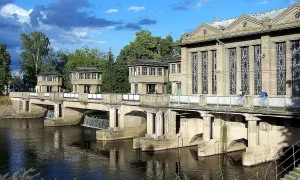
The area surrounding Havířský kostel adds to its historical allure. A belfry from around 1516 stands nearby, rebuilt after a fire in 1921. Additionally, a stone well serves as a remnant of former iron baths, and an inundation bridge leads to Jordán Pond, once part of a larger lake. The church's proximity to the Obora estate, originally established by Emperor Ferdinand I Habsburg, further enriches its historical context.
Today, Havířský kostel stands as a testament to the region's complex history, from miners' uprisings to architectural transformations. Its significance lies not only in its religious function but also in its role as a witness to pivotal historical events and cultural shifts. Visitors are invited to explore this monument, appreciating its unique blend of architectural styles and its place within Czech history.
Then and now
Drag the slider to compare how the landmark may have looked when it was built with the view today.
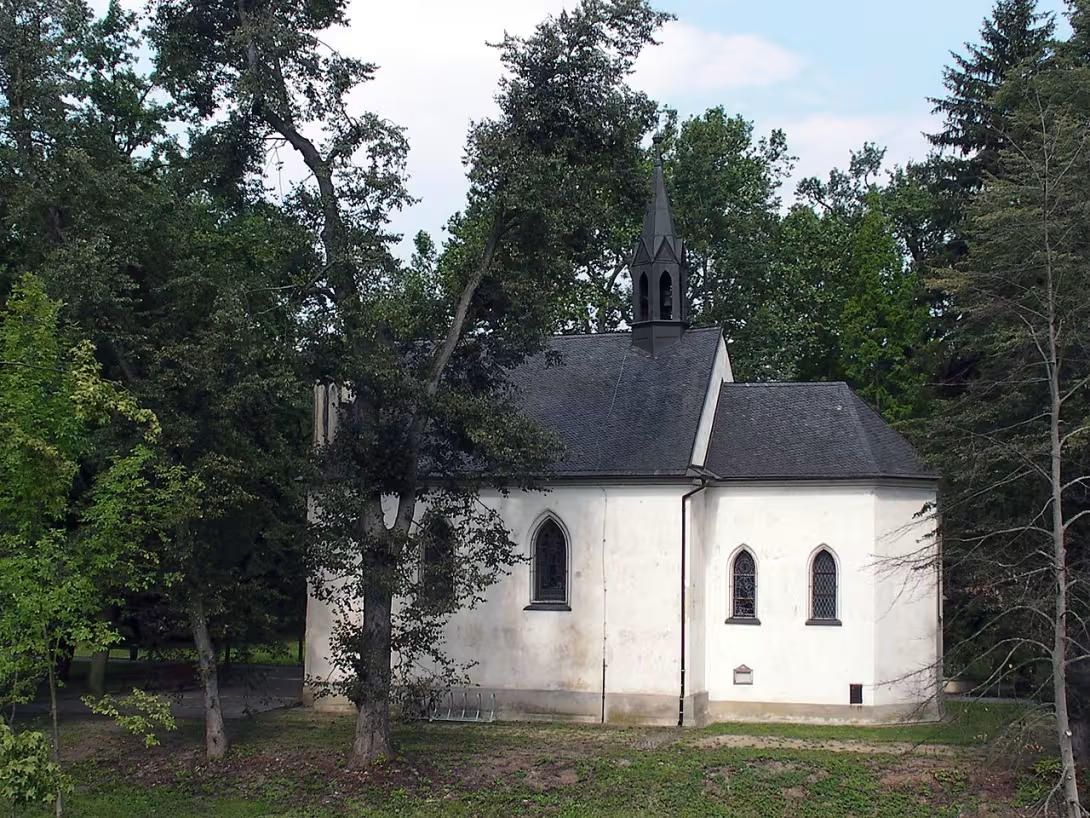
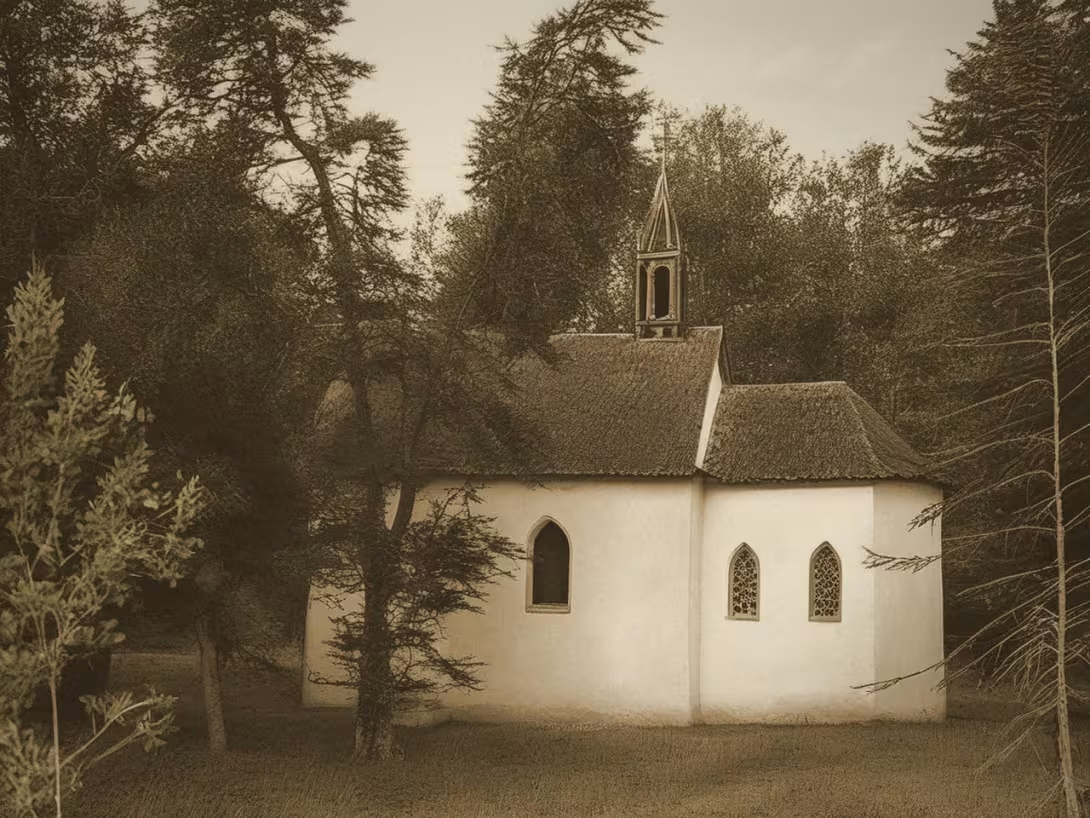
The historical appearance on the left is an AI-generated visualisation and serves as inspiration only.
Historical milestones
- 1496
- Execution of ten leaders from the Kutná Hora miners' uprising.
- 1634
- Destruction by Swedish forces.
- 1665
- Rebuilding as a brick baroque church.
Architectural development
The church began as a wooden structure in 1516, rebuilt as a brick edifice with baroque elements after its destruction by Swedish forces. In the late 19th century, it was pseudogothically renovated, featuring decorative portals and stained glass windows.
Historical events
In August 1496, ten leaders of the Kutná Hora miners' uprising were executed at this site.
The original wooden church was destroyed by Swedish forces in 1634.
Rebuilt as a brick baroque structure between 1665 and 1666.
Owners
Initially maintained by two hermits until its secularization under Joseph II in 1784. Later restored as a chapel, it was used by the Czechoslovak Church from 1921 to 1937 before being transferred to the city of Poděbrady in 1964.
Points of interest
- The Church of the Assumption of the Virgin Mary, also known as Havířský kostel, was originally built in 1516 as a wooden structure, reflecting the construction practices and materials available at that time.
- In 1634, during the Thirty Years' War, Swedish forces destroyed the original wooden church, demonstrating the widespread destruction caused by this prolonged conflict across Europe.
- The brick baroque church constructed between 1665 and 1666 replaced the earlier wooden structure, showcasing a shift in architectural styles and building techniques that were prevalent in post-war reconstruction efforts.
- A notable feature of Havířský kostel is its decorative portal with a relief of the Assumption of the Virgin Mary, which was added during late 19th-century renovations, highlighting the influence of pseudogothic style on local architecture.
- The church's stained glass windows were created by artist Adolf Liebscher in the late 19th century, adding an artistic dimension to its architectural evolution and enhancing its aesthetic appeal.
Guide
This guide is narrated by a synthetic voice generated by artificial intelligence.
Show guide text
This text was created by artificial intelligence and has not been editorially reviewed. It may contain inaccuracies.
Welcome to the Church of the Assumption of the Virgin Mary in Poděbrady, a place where history and architecture intertwine to tell a captivating story. As you stand here, take a moment to absorb your surroundings. The church, known locally as Havířský kostel, exudes an aura of resilience and transformation that has withstood the test of time.
The origins of this sacred site date back to 1516 when it was initially constructed on hallowed ground. This location holds significant historical weight, being the very spot where ten leaders from the Kutná Hora miners' uprising were executed in 1496. Their legacy is forever etched into the church's foundation, a testament to their struggle and sacrifice.
In 1634, during the tumultuous period of the Thirty Years' War, Swedish forces ravaged this original wooden structure, reducing it to ashes. Yet, from these remnants arose a new vision—a brick baroque edifice rebuilt in 1665. This transformation speaks volumes about the community's determination to preserve their spiritual and cultural heritage.
As you walk around, take note of the church’s robust brickwork that characterizes its baroque architecture. While specific architectural details aren't documented here, the very fabric of this structure tells a story of rebirth and endurance. Notice how the bricks have weathered over time, each one holding whispers of the past.
This site is also intertwined with notable historical figures such as Ondřej Prachovec and Vladislav Jagellonský. Their influence and actions are threads woven into the fabric of this place's history, adding layers to its rich narrative tapestry.
A fascinating aspect that draws visitors here is the church’s connection to the miners' uprising—a pivotal event in local history. This link not only highlights the socio-political dynamics of the time but also underscores the church's role as a witness to both conflict and reconciliation.
As you continue your exploration, let yourself be enveloped by the atmosphere of this historic site. Each step is an opportunity to connect with the past, to feel the echoes of history that resonate through these walls.
Thank you for joining us on this journey through time. We invite you to delve deeper into the stories and secrets that Poděbrady holds. Explore further, discover more, and carry with you the spirit of resilience and transformation embodied by the Church of the Assumption of the Virgin Mary. Safe travels as you continue your adventure!
Tips for visitors
The best time to visit the Church of the Assumption of the Virgin Mary in Poděbrady is during late spring or early autumn. During these seasons, you can enjoy pleasant weather that enhances your experience as you explore both the church and its surrounding historical features like the belfry from around 1516 and the stone well. Additionally, visiting outside peak tourist seasons means fewer crowds, allowing for a more tranquil exploration of this historic site.
Parking and transportation options are convenient when planning your visit to this location. The area is accessible by both car and public transport. If you're driving, there are parking facilities nearby where you can leave your vehicle. For those preferring public transport, check the latest connections via an online search tool to find suitable bus or train routes that will take you close to Poděbrady I.
When planning your visit, it's advisable to bring comfortable walking shoes as exploring the church and its surroundings involves some walking. Also, consider bringing a camera to capture the architectural beauty of the church and the adjacent historical structures like the belfry and stone well. For photography enthusiasts, early morning or late afternoon light provides the best natural lighting conditions for capturing stunning images.
Nearby attractions within a 30-minute drive include the small pond Jordán, which was once part of a larger lake. This serene spot is perfect for a leisurely stroll or a picnic, offering picturesque views and a peaceful atmosphere. For families with children, this area provides an opportunity to explore nature while learning about local history.
For families visiting with children, there are several activities that can make the trip enjoyable. The historical site offers educational insights into the region's past, which can be engaging for kids when explained in an interactive manner. Additionally, exploring the Jordán pond and its surroundings provides a chance to enjoy outdoor activities like walking or simply relaxing by the water.
Businesses nearby
Do you run a restaurant, accommodation, shop, museum, rental, wellness or other visitor service near this monument? Show yourself directly to the people heading to it — this is how they will see you in the app and on the web:
Nearby
Adjacent to the church is a belfry from around 1516 and a stone well, remnants of former iron baths. A long inundation bridge leads to a small pond, Jordán, once part of a larger lake.
Accommodation nearby
Trips and activities nearby
Guided tours, tickets and activities nearby from GetYourGuide
Affiliate link: if you buy from the partner, we may receive a commission. The price for you does not change.
Search tours and activities →Themed route
Poděbrady Výletní Trasa
1. Kostel Nanebevzetí Panny Marie v Poděbradech (Church) *Type: Historical Church* Begin your journey at the stunning Kostel Nanebevzetí Panny Marie, a masterpiece of Renaissance architecture that stands as a testament to the region's rich cultural heritage. The church is renowned for its intricate design and historical significance, making it an essential visit for anyone interested in history and art.
2. Belfry (Bell Tower) *Type: Historical Structure* Adjacent to the church lies the impressive belfry from around 1516. This tower offers a glimpse into medieval times with its robust structure and historical significance as part of the town's defense system. Climbing the belfry provides panoramic views of Poděbrady, making it an exciting spot for photography enthusiasts.
3. Stone Well (Stone Well) *Type: Historical Remnant* Nearby, you'll find a stone well that serves as a remnant of the former iron baths once prevalent in the area. This well is not only a piece of history but also a symbol of the town's past industrial activities related to health and wellness.
4. Jordán Pond (Pond Jordán) *Type: Natural Feature* A short walk along an ancient inundation bridge leads you to the small pond known as Jordán. This charming spot, once part of a larger lake, offers a serene environment perfect for relaxation and reflection. The tranquil waters make it ideal for a peaceful pause during your exploration.
5. Inundation Bridge (Bridge) *Type: Historical Structure* Conclude your tour by crossing the long inundation bridge that connects the church area to Jordán Pond. This historic structure is an engineering marvel of its time, providing insight into past methods of water management and infrastructure development in Poděbrady.
This thematic itinerary offers a comprehensive exploration of Poděbrady's historical and natural attractions, ensuring visitors experience both cultural depth and scenic beauty within the town.
Seasonal recommendations
Spring: The arrival of spring at the Church of the Assumption of the Virgin Mary in Poděbrady brings a refreshing atmosphere as nature awakens. The surrounding gardens and landscapes burst into vibrant colors with blooming flowers, creating a picturesque setting that enhances the church's historical beauty. This season offers a peaceful ambiance, ideal for those seeking tranquility away from the summer crowds. Visitors are advised to wear comfortable walking shoes for exploring the grounds and light layers to adjust to varying temperatures throughout the day.
Summer: Summer in Poděbrady is characterized by its lush greenery and warm weather, making it an excellent time to visit the Church of the Assumption of the Virgin Mary. The church's architecture stands out beautifully against the backdrop of vibrant foliage, while the longer daylight hours allow for extended exploration. As this is a peak tourist season, arriving early in the day can help avoid larger crowds. Visitors should dress in light, breathable clothing and consider bringing sunscreen and water to stay comfortable during their visit.
Autumn: Autumn transforms Poděbrady into a tapestry of warm hues, offering a stunning backdrop for visiting the Church of the Assumption of the Virgin Mary. The falling leaves create a magical atmosphere, perfect for photography enthusiasts. This season is less crowded than summer, providing a more relaxed experience. Visitors should dress in layers to accommodate cooler temperatures and unpredictable weather, ensuring they can enjoy their visit comfortably.
Winter: Winter at the Church of the Assumption of the Virgin Mary presents a serene and enchanting scene with snow-covered surroundings that add a touch of magic to its historic architecture. The shorter days mean visiting hours are more limited, so planning ahead is essential. Visitors should dress warmly in layers and wear comfortable footwear suitable for potentially icy conditions. Despite fewer tourists during this time, experiencing the church's quiet beauty can be particularly rewarding.
Visualizations and artistic views


The visualisations are generated by artificial intelligence and serve as inspiration.
Photos from the area
Real photos taken near the monument

Zdroj a licence jsou uvedeny u každého snímku.
Tips from visitors
No tips yet. Be the first!
Log in and add your tip.
Sources and literature
Fotografie: Michal Louč / CC BY-SA 3.0 — Wikimedia Commons. The author and licence also appear when you hover over the image.
Faktickým podkladem tohoto textu byl článek na Wikipedii, jehož autory jsou přispěvatelé Wikipedie. Článek je dostupný pod licencí CC BY-SA 4.0.
Location on the map

Příběhy a pověsti
Legendy, pověsti a příběhy spjaté s touto památkou
Fotografie návštěvníků
Zatím žádné fotografie. Buďte první, kdo přidá fotografii z návštěvy!
Přihlaste se a přidejte svou fotografii nebo hodnoťte.
Za ověřenou návštěvu v aplikaci získáte víc bodů — poznáme podle GPS, že jste na místě.
Reviews and comments