



Kostel Narození Panny Marie (Starý Plzenec) Church
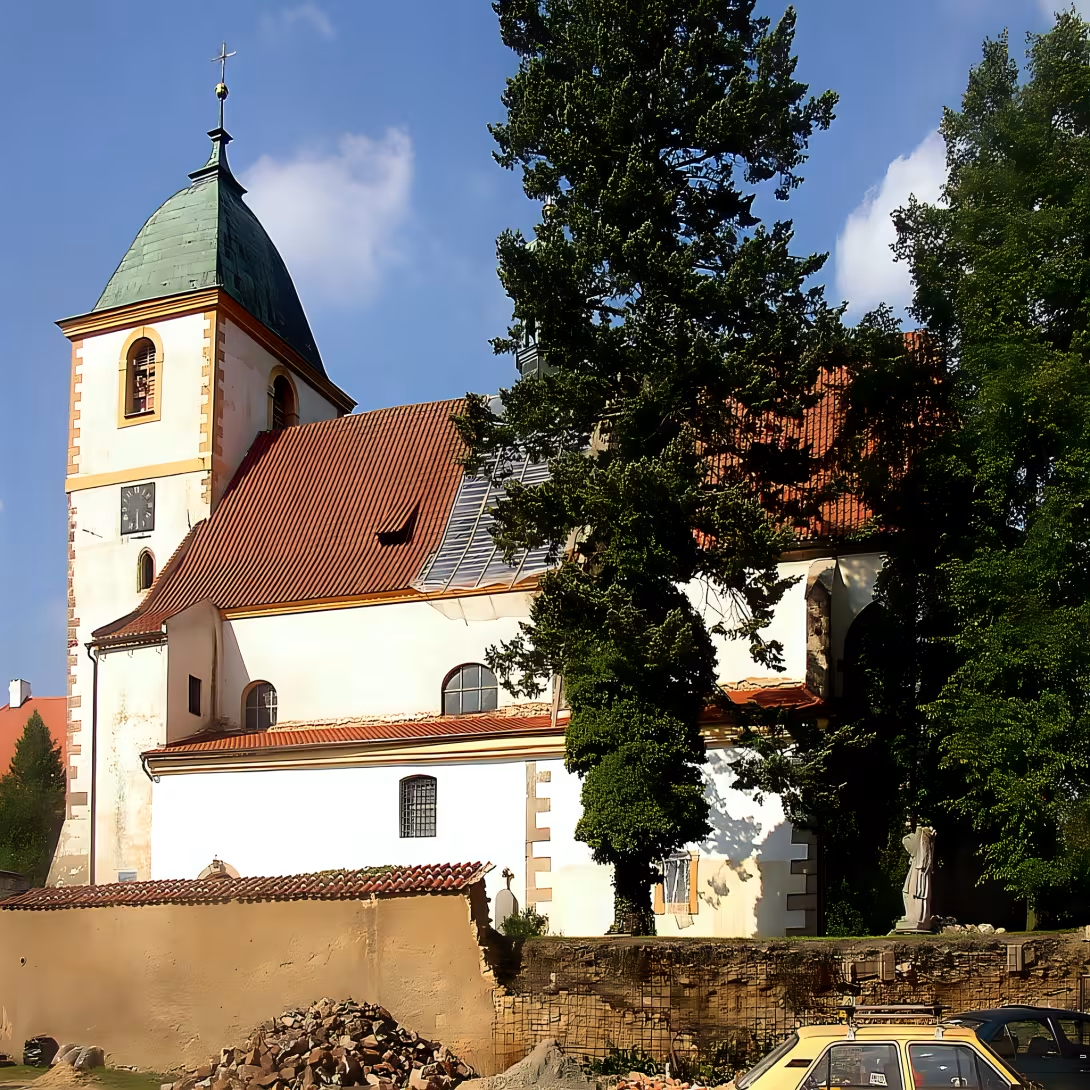
The Church of the Nativity of the Virgin Mary in Old Plzeň is a Gothic church with a rich history and is protected as a cultural monument of the Czech Republic. Part of its protection includes a Renaissance oriel chapel from 1560 next to the church, a parish building in Renaissance style, and an enclosing wall. Until the mid-19th century, a parish cemetery spread around the churches.
The oldest layer of the church's history reaches back to the time of legend. According to tradition, it was founded in 992 by Prague Bishop St. Wenceslas, with preparations made for 12 Benedictine monks who soon moved to the Břevnov Monastery. In the foundations of the western wall, remnants of the first church can still be found – a single-nave rectangular Romanesque building that was likely destroyed around 1280 by mercenaries of Otto of Brandenburg.
The building acquired its present form in the 14th century. By 1351, construction of the large Gothic church was completed and later supplemented with sacristies and a mighty Gothic tower. The presbytery had been adorned with Gothic frescoes before 1351 – featuring twenty-eight scenes from a Christological cycle of the New Testament. Some were partially repainted in the third quarter of the 15th century, and Gustav T. Miksch later restored them. Frescoes on the southern side and vault date from the end of the 15th century. The Hussite Wars burned and looted the church, but its Gothic roof was rebuilt and has survived as a unique architectural element to this day.
The modern era brought new forms to the church. After 1547, it became a parish church. The Gothic tower was raised with a Renaissance brick addition, and the nave of the church was reconstructed. In 1695, Count Jan Jindřich Kokořovec expanded it by adding two side spaces. The main altar features portal architecture adorned with sculptures of St. Wenceslas, Vojtěch, Ludmila, Markéta, and Archangel Michael, centered around a painting of the Nativity of the Virgin Mary purportedly from 1668. During the Baroque period (1692–1712), when local native Jakub Jan Lenk was parish priest, in 1699 he dedicated a bronze bell to the church made by the Prickveitho bell founders, which is still in use today. Around 1750, a baroque Chapel of the Holy Sepulchre was added on the northern side.
In the 19th century, remnants of the cemetery were transformed into a park with preserved gravestones in 1870. In 1885, new Neo-Gothic altars and confessionals were acquired. The First World War claimed two bells – only one returned. In the 1970s, the tower was repaired, its spire covered with copper sheeting, and the clock replaced by an aluminum replica.
The church offers visitors a rich layer of Czech history – from medieval frescoes and a Gothic roof to Baroque furnishings and details like the bell from 1699. The tower stands as a witness to millennia, guarding the faithful of its parish.
Then and now
Drag the slider to compare how the landmark may have looked when it was built with the view today.
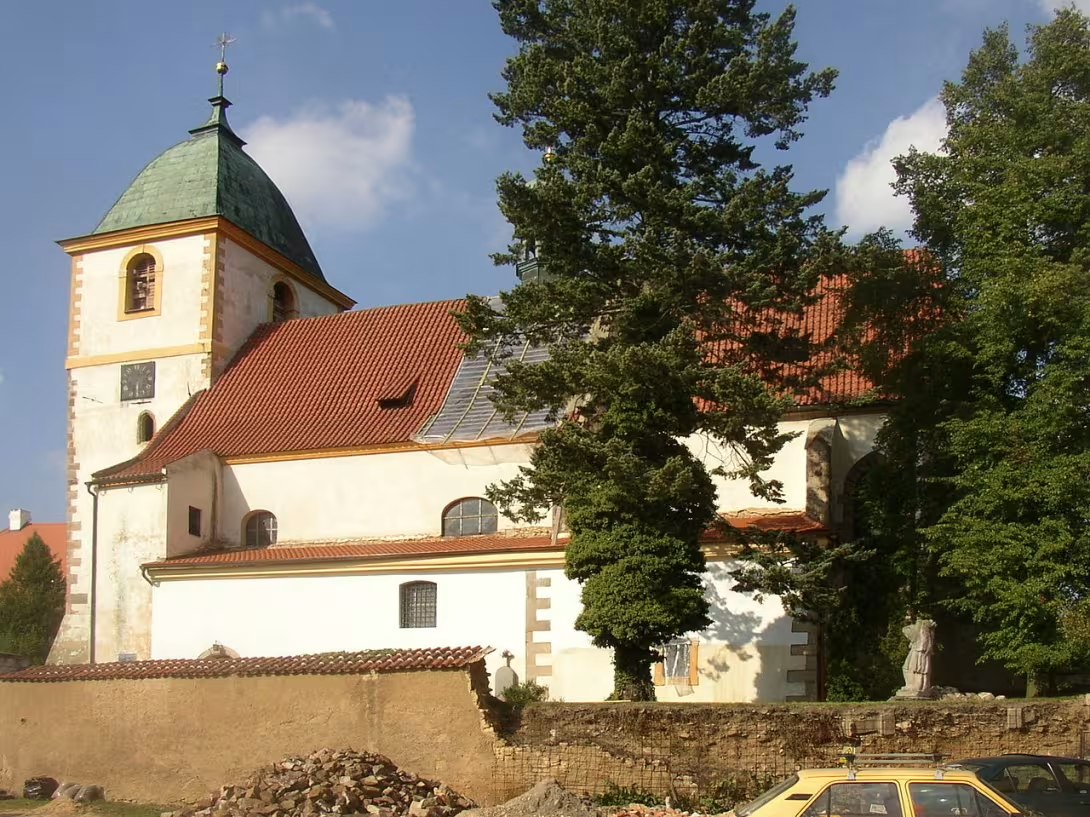

The historical appearance on the left is an AI-generated visualisation and serves as inspiration only.
Historical milestones
- 1351
- Completion of the Gothic church structure.
- 1560
- Addition of a Renaissance oratory chapel.
Architectural development
The Church of the Nativity of the Virgin Mary began as a smaller Romanesque building, later replaced by a Gothic structure in 1351. It was expanded with a sacristy and a taller Gothic tower during the same century. The church underwent significant Renaissance modifications, including raising the bell tower and adding side spaces in 1695. Baroque renovations occurred between 1692-1712, introducing new altars and other elements.
Historical events
- 1351
- Completion of the Gothic church structure.
- 1560
- Addition of a Renaissance oratory chapel.
Owners
Originally church property, later under the patronage of noble families like the Kokořovks and Waldštejns.
Points of interest
- The Church of the Nativity of the Virgin Mary in Starý Plzeňec is a Gothic church with rich history and is protected as a cultural monument of the Czech Republic. - The oldest layer of the church's history dates back to a legend from 992, when it was reportedly founded by Prague Bishop St. Vojtěch with twelve Benedictine monks who later moved to Břevnov Monastery; remnants of the first Romanesque building are found in the foundations of the western wall. - The current form of the church was achieved in the 14th century, with its large Gothic structure completed by 1351 and later enhanced with a sacristy and a massive Gothic tower; it features original Gothic frescoes from before 1351 depicting scenes from the New Testament. - During the Hussite Wars, the church was burned and looted, but its unique Gothic roof was restored and preserved to this day. - In the Baroque period (1692–1712), under local priest Jakub Jan Lenk, a bronze bell cast by Prickveitho in 1699 was donated to the church and is still used today.
Guide
This guide is narrated by a synthetic voice generated by artificial intelligence.
Show guide text
This text was created by artificial intelligence and has not been editorially reviewed. It may contain inaccuracies.
The Church of the Birth of the Virgin Mary in Starý Plzenec is the parish church of the local parish. Together with the Renaissance niche chapel from 1560 and the boundary wall, it is protected as a cultural monument. Next to the church stands a Renaissance rectory building.
Legend attributes the founding of the church to the Prague bishop Saint Vojtech. According to the legend, it was founded in the year 992, and that same year twelve Benedictine monks arrived here, who soon left for the Břevnov Monastery. The actual trace of the oldest structure are the remains of building elements in the western wall. According to them, it was a small single-nave rectangular Romanesque church. It was probably destroyed in 1280 by the mercenaries of Otto of Brandenburg.
In 1351, the Gothic structure was completed, which continued from the Romanesque church. Even then the church had its present form and for its time was very magnificent and expensive. In the 14th century, a sacristy and a powerful tower were added, somewhat lower than today's. The presbytery is decorated with Gothic frescoes, twenty-eight scenes from the life of Christ according to the New Testament. They were created before 1351 and in the third quarter of the 15th century were partially repainted.
During the Hussite Wars, the church was burned and plundered. The frescoes on the southern side and on the vault date from the end of the 15th century. From the same period is the new Gothic roof, which has survived to this day as a unique technical monument. Otherwise, nothing remained of the Gothic furnishings.
After 1547, the church became a parish church. The first vicar was Jiřík, son of the knight Jiří Kokořovec of Kokořov. The nave was reconstructed and the Gothic tower received a Renaissance brick superstructure instead of a wooden tower. In 1695, Count Jan Jindřich Kokořovec had the church extended with two side spaces. On the main altar is a painting of the Birth of the Virgin Mary, allegedly from 1668. The vicar Jakub Jan Lenk, a local native, donated in 1699 together with the sexton Jan Aškan a bronze bell by bell founder Štefan Prickweit. The bell and its frame have survived and are still used today.
Around the middle of the 18th century, a Baroque chapel of the Holy Sepulchre was added on the northern side. The cemetery around the church was transformed into a park in 1870. Tombstones of notable people remained there, for example the director of the Waldstein iron works Jan Belaní. In 1885, new Neo-Gothic side altars replaced the dilapidated ones, acquired from donations by the faithful. During the First World War, two bells were confiscated, only one was returned. In the 1970s, the church tower's helm was repaired and covered with copper sheet.
Tips for visitors
To experience the best atmosphere within the Kostel Narození Panny Marie, plan your visit during the morning or late afternoon. The natural light during these periods is ideal for observing the intricate details of the significant Gothic frescoes.
Access to Starý Plzenec is available by both car and public transport. For public transport users, it is recommended to verify current connections and schedules using a local transit search engine before your journey.
When visiting, it is advisable to bring a camera capable of handling indoor lighting to capture the historical artwork. Additionally, please ensure your attire is respectful of the religious nature of this Roman Catholic church.
For families with children, the church provides an educational opportunity to learn about mid-14th-century history and art. We recommend maintaining a quiet demeanor to respect the sanctity of the site during your visit.
Frequently asked questions
Can the monument be visited?
Religious buildings are usually open mainly during services; at other times a visit is normally arranged with the parish or the operator. We have not verified specific times.
Where is the monument?
Location: Třebízského náměstí, Starý Plzenec, Plzeňský kraj. The map on this page shows the exact spot.
Why is the monument protected?
It is listed in the Central List of Cultural Monuments of the Czech Republic as a cultural monument (register no. 16904/4-462).
For kids
Imagine going back to a time when our country was full of life and faith. The town Starý Plzenec was a small town, where there lived people who believed in God and His grace.
How did it look here? Who lived here? What happened here? In the Middle Ages, this land was full of chateaux, gardens and rivers. The town Starý Plzenec was surrounded by forests and meadows. People lived in small houses where they held together. The Church of the Birth of the Virgin Mary was the most important place in the city.
Businesses nearby
Do you run a restaurant, accommodation, shop, museum, rental, wellness or other visitor service near this monument? Show yourself directly to the people heading to it — this is how they will see you in the app and on the web:
Events nearby


Zdroj akcí: otevřená data měst a obcí ČR (Národní katalog otevřených dat) a kalendář akcí Národního památkového ústavu.
Nearby
Hůrka Hradiště, river Úslav, city Starý Plzenec.
Accommodation nearby
Trips and activities nearby
Guided tours, tickets and activities nearby from GetYourGuide
Affiliate link: if you buy from the partner, we may receive a commission. The price for you does not change.
Search tours and activities →Themed route
1. Kostel Narození Panny Marie (Exterior) – Architecture: Admire the historical facade and the structural beauty of this significant religious landmark in Starý Plzenec.
2. Kostel Narození Panny Marie (Interior) – Sacred Space: Explore the nave and the altar to experience the spiritual atmosphere and the artistic details of the church.
3. Kostel Narození Panny Marie (Tower) – Lookout: Climb the tower to enjoy a panoramic view of the surrounding village and the landscape of the Plzeňský kraj.
4. Kostel Narození Panny Marie (Churchyard) – Outdoor area: Take a peaceful walk around the immediate precinct to appreciate the serenity and the historical setting of the site.
Seasonal recommendations
Spring: Visiting the Church of the Nativity of the Virgin Mary (Starý Plzenec) during spring offers a refreshing and vibrant atmosphere as nature awakens. The surrounding landscape is adorned with blossoming flowers, providing picturesque views that enhance the historical charm of the site. As daylight lasts longer, it's an ideal time to explore without feeling rushed by shorter days. Visitors should wear comfortable walking shoes for strolls around the area and consider bringing a light jacket in case of cooler mornings or evenings.
Summer: Summer at Starý Plzenec is characterized by lush greenery and warm weather, making it perfect for enjoying outdoor activities near the Church of the Nativity of the Virgin Mary. The longer daylight hours allow ample time to explore both the church's interior and its scenic surroundings. It’s advisable to visit early in the day or later in the afternoon to avoid large crowds that gather during peak tourist season. Light, breathable clothing is recommended, along with sunscreen and a hat for sun protection.
Autumn: Autumn brings a stunning display of colors as the leaves change around Starý Plzenec, creating a serene and picturesque setting for visiting the Church of the Nativity of the Virgin Mary. The cooler temperatures make it comfortable to spend time outdoors appreciating the natural beauty. It’s best to dress in layers to accommodate fluctuating weather conditions throughout the day. This season is also quieter than summer, offering a more peaceful experience.
Winter: Winter transforms Starý Plzenec into a quiet and enchanting destination with its snow-covered landscapes providing a magical backdrop for visiting the Church of the Nativity of the Virgin Mary. The shorter days mean visits should be planned during daylight hours to fully appreciate the site's beauty. Warm clothing, including coats, hats, gloves, and scarves, is essential due to the cold temperatures. Additionally, visitors might find that some services or access points have reduced operating hours during this season.
Visualizations and artistic views


The visualisations are generated by artificial intelligence and serve as inspiration.
Photos from the area
Real photos taken near the monument

Zdroj a licence jsou uvedeny u každého snímku.
Atmosphere of the place
This atmospheric visualisation of the place and period was generated by artificial intelligence. It is not real footage of the location.
Tips from visitors
No tips yet. Be the first!
Log in and add your tip.
Sources and literature
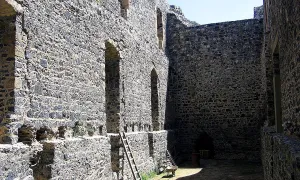
Photos: User:Miaow Miaow / Public domain, rozlišení zvýšeno umělou inteligencí — Wikimedia Commons. The author and licence also appear when you hover over the image.
Faktickým podkladem tohoto textu byl článek na Wikipedii, jehož autory jsou přispěvatelé Wikipedie. Článek je dostupný pod licencí CC BY-SA 4.0.
Location on the map
More monuments – Starý Plzenec
Show all in the municipality



Příběhy a pověsti
Legendy, pověsti a příběhy spjaté s touto památkou
Fotografie návštěvníků
Zatím žádné fotografie. Buďte první, kdo přidá fotografii z návštěvy!
Log in a přidejte svou fotografii nebo hodnoťte.
Za ověřenou návštěvu v aplikaci získáte víc bodů — poznáme podle GPS, že jste na místě.
Reviews and comments