






Kostel Panny Marie Bolestné (Sloup) Church
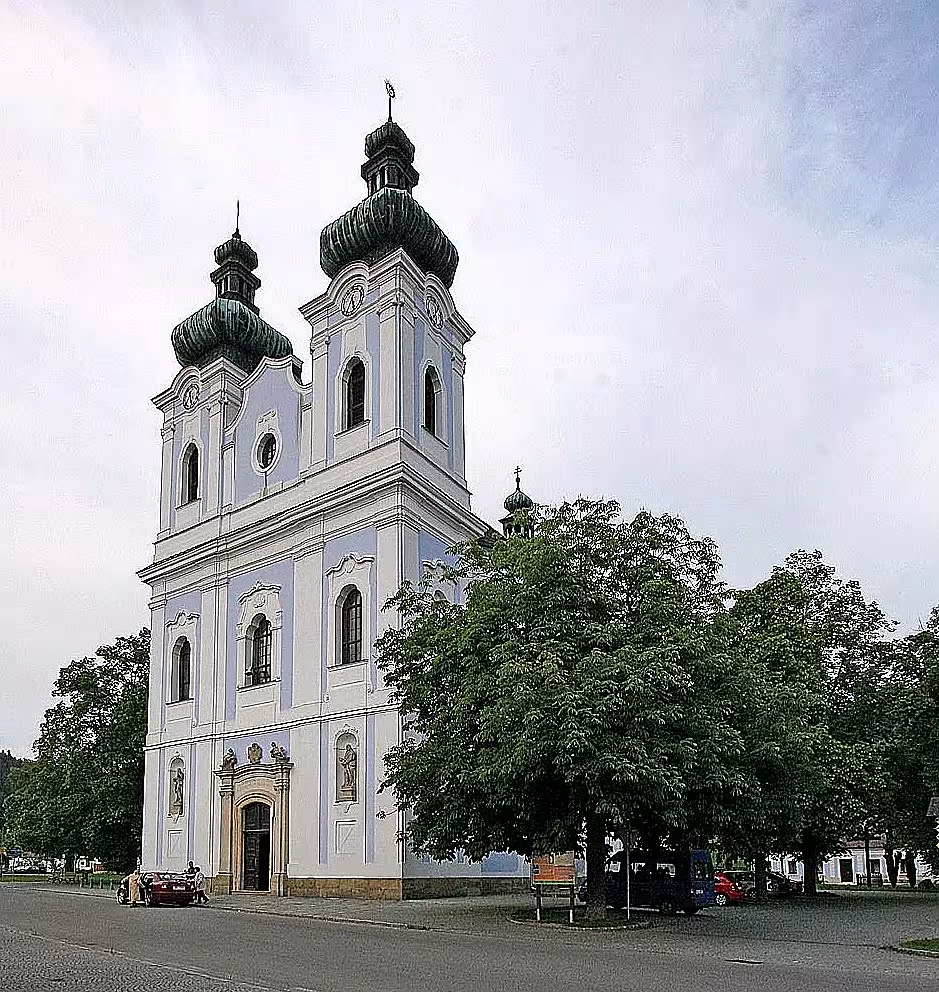
The Church of Our Lady of Sorrows in Sloup is a remarkable Baroque church located in the Jihomoravský kraj region of South Moravia. Constructed between 1751 and 1754, it stands as an emblematic site of Marian devotion, inspired by a miraculous healing attributed to a late Gothic statue of Our Lady of Sorrows. Its architectural design features a distinctive turtle-shaped floor plan, symbolizing protection, and is crowned with two forty-meter towers. Recognized for its well-preserved state, the church has been celebrated as one of South Moravia's best-maintained historical structures.
The origins of this church are deeply rooted in a miraculous event at the beginning of the 18th century. A local miller’s daughter was reportedly healed after praying before a statue of Our Lady of Sorrows, which had been gifted to her father by Count Karl Ludwig von Rogendorf as part of his support for repairs to a nearby chapel. This miracle spurred an influx of pilgrims and necessitated the construction of a larger church to accommodate them. The project was initiated by Countess Karolina von Rogendorf after her husband's death, with Isidor Marcello Canavale serving as the architect.
Architecturally, the Church of Our Lady of Sorrows is noted for its Baroque style, characterized by grandeur and intricate detail. Designed by Italian architect Isidor Marcello Canavale and overseen by local builder Vavřinec Pavel Mertha, it features a unique turtle-shaped floor plan and two imposing towers that dominate the western façade. The church’s design includes a Latin inscription above its main entrance, commemorating its divine inspiration and construction date.
Throughout its history, the church has undergone several restorations to maintain its structural integrity and aesthetic appeal. Notably, in 1854, it was repainted from green-white to yellow-white under the guidance of local priest Václav Wolf. Later, in the 1960s, it acquired its current white-blue color scheme following renovations initiated by Father Václav Kotoun. The most recent comprehensive restoration occurred in 1999.
The church's historical significance is further enhanced by its association with notable figures such as Count Karl Ludwig von Rogendorf and his wife, Countess Karolina. Their patronage was instrumental in the church’s construction, reflecting their deep religious devotion. After a fire at their estate in 1756, Countess Karolina settled permanently in Sloup, where she eventually passed away and was interred in the church's crypt.
Today, the Church of Our Lady of Sorrows remains an active pilgrimage site, attracting visitors with its rich history and architectural beauty. Its preservation as one of South Moravia’s best-maintained historical buildings underscores its cultural importance. Visitors are invited to explore this remarkable monument, which continues to inspire awe and devotion through its enduring legacy.
The Church of Our Lady of Sorrows in Sloup is not only a testament to Baroque architecture but also a symbol of faith and resilience. Its storied past and well-preserved state make it a must-visit destination for those interested in history, art, and spirituality.
Then and now
Drag the slider to compare how the landmark may have looked when it was built with the view today.
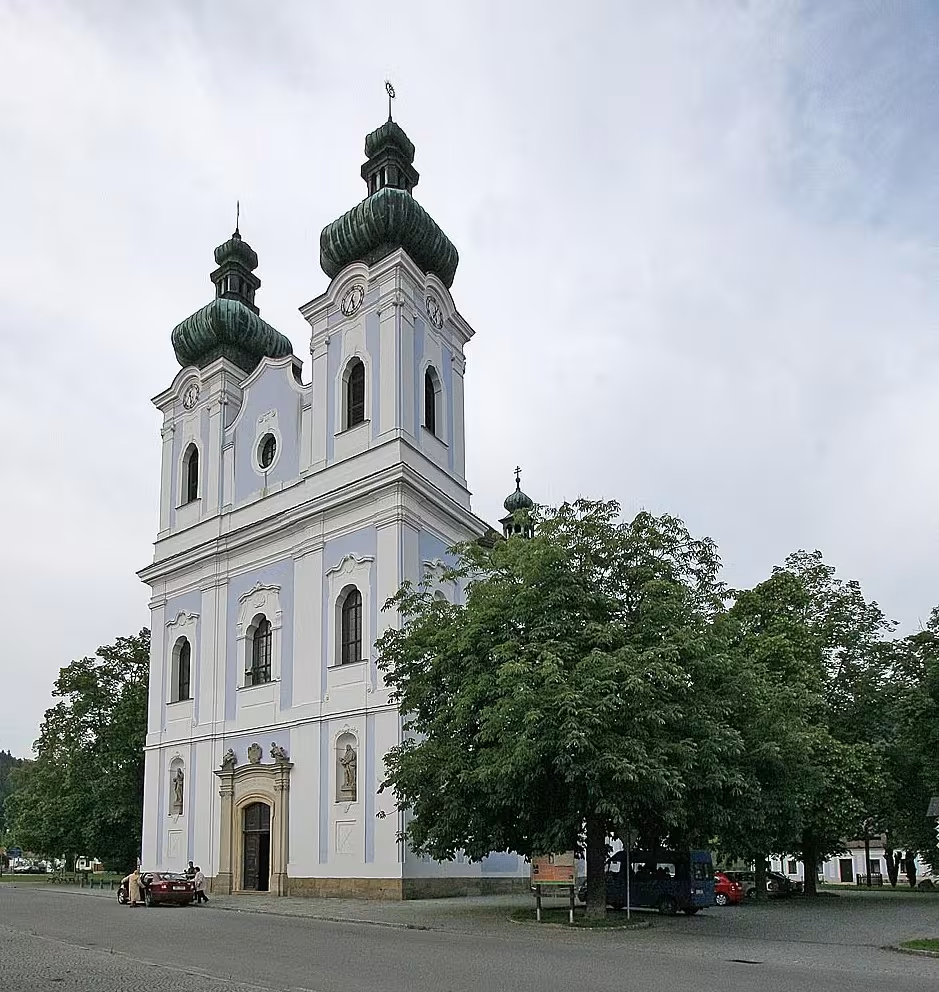
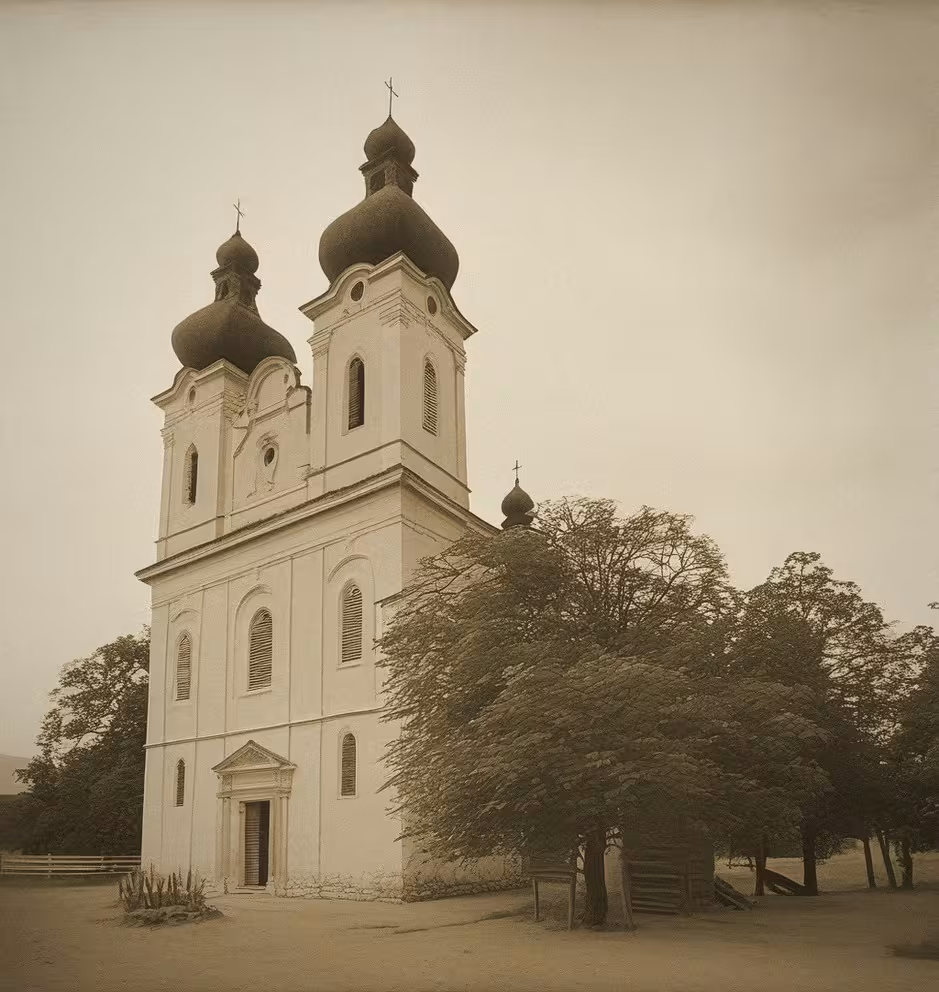
The historical appearance on the left is an AI-generated visualisation and serves as inspiration only.
Historical milestones
- 1700
- A miller's daughter's child was healed by prayer.
- 1751
- The beginning of the construction of the Church of Our Lady of Sorrows.
- 1754
- Completion and dedication of the Church of Our Lady of Sorrows.
- 1756
- A fire at the estate of Count Karl Ludwig von Rogendorf.
- 1854
- The church was repainted from green-white to yellow-white.
- 1999
- The last comprehensive reconstruction of the church.
Architectural development
Constructed between 1751 and 1754, the Church of Our Lady of Sorrows features a Baroque architectural style with a turtle-shaped floor plan. The church's design includes two forty-meter towers and was overseen by architects Isidor Marcello Canavale and Vavřinec Pavel Mertha. Over the years, it has undergone several restorations, most notably in 1854 and 1999.
Historical events
- 1728
- The first mass was held in the chapel of St. Cross after the statue's relocation.
- 1754
- The church was consecrated by Bishop Julius Troyer on October 27, marking its completion.
Points of interest
- The Church of Our Lady of Sorrows features a unique turtle-shaped floor plan, symbolizing protection and reflecting an unusual architectural choice that distinguishes it from other Baroque churches.
- Countess Karolina von Rogendorf's decision to settle permanently in Sloup after a fire at her estate in 1756 highlights the personal connection she developed with the town, further cementing its significance in her life and legacy.
- The church was originally painted green-white before being repainted yellow-white in 1854 under local priest Václav Wolf's guidance, showcasing how aesthetic changes over time reflect evolving artistic tastes and preservation efforts.
- A Latin inscription above the main entrance commemorates both the divine inspiration behind the church’s construction and its completion date, serving as a historical record of its origins and purpose.
- The miraculous healing of the miller’s daughter in the early 18th century not only spurred the initial pilgrimage to Sloup but also led to Count Karl Ludwig von Rogendorf's support for repairs to a nearby chapel, illustrating how personal faith translated into tangible community development.
Guide
This guide is narrated by a synthetic voice generated by artificial intelligence.
Show guide text
This text was created by artificial intelligence and has not been editorially reviewed. It may contain inaccuracies.
Welcome to the Church of Our Lady of Sorrows in Sloup, an exquisite gem nestled within this picturesque locality. As you stand here, take a moment to absorb the serene beauty that surrounds you. The church's Baroque architecture speaks volumes about the deep Marian devotion that inspired its creation. Notice how it harmoniously blends with the landscape, inviting you into a world of history and faith.
The story of this remarkable structure begins in 1751, following a miraculous event that would forever change Sloup. A local miller’s daughter was healed after praying before a late Gothic statue of Our Lady of Sorrows. This divine intervention inspired Countess Karolina von Rogendorf to commission the construction of a church dedicated to the same figure. The building process spanned from 1751 to 1754, culminating in a sanctuary that stands as a testament to faith and resilience.
As you gaze upon its design, take note of the unique turtle-shaped floor plan—an architectural choice that symbolizes protection and sets this Baroque masterpiece apart from others. The church is further distinguished by two towering spires, each reaching forty meters into the sky. These elements not only enhance its visual appeal but also reflect a deep symbolic meaning.
The architects behind this marvel were Isidor Marcello Canavale and Vavřinec Pavel Mertha, whose vision brought this sacred space to life. Their work has withstood the test of time, surviving events such as the fire in 1756 at Countess Karolina's estate, which led her to settle permanently in Sloup.
As you continue your exploration, remember that this church is not just a place of worship but also a repository of stories and legends. The decision by Countess Karolina von Rogendorf to make Sloup her permanent home after the fire adds a layer of personal history to its walls.
Now, let's delve into an intriguing aspect of this site: the unusual turtle-shaped floor plan. This architectural choice is not only distinctive but also serves as a symbol of protection—a fitting tribute to the church's namesake and the miraculous events that inspired its creation.
As we conclude our journey through the Church of Our Lady of Sorrows, I invite you to linger in this sacred space, absorbing its history and beauty. May your visit inspire reflection and wonder, encouraging you to explore further the rich tapestry of stories woven into the fabric of Sloup. Thank you for joining me on this enlightening tour, and may your path be filled with discovery and inspiration.
Tips for visitors
The best time to visit the Church of Our Lady of Sorrows in Sloup is during late spring or early autumn, when the weather is mild and pleasant for exploring both the church and its surrounding landscapes. These seasons offer a perfect balance of comfortable temperatures and fewer crowds, allowing visitors to fully appreciate the Baroque architecture and serene natural beauty typical of South Moravia.
Public transport can also be used; visitors should verify current routes and schedules using a travel planner or local transit websites to ensure smooth access to Sloup.
When planning your visit, consider bringing comfortable walking shoes as you may want to explore the surrounding landscapes and nearby historical sites. A camera is recommended to capture the stunning architecture of the church and its picturesque setting. Additionally, carrying water and some snacks can enhance your experience, especially if you plan on spending several hours exploring.
Photography enthusiasts will find many rewarding spots around the Church of Our Lady of Sorrows. The best light for capturing the intricate Baroque details is typically during the golden hour—shortly after sunrise or before sunset. These times offer soft lighting that highlights the church's architectural features and enhances the natural beauty of its surroundings.
Within a 30-minute drive from Sloup, visitors can explore other historical sites that complement their visit to the Church of Our Lady of Sorrows. These include nearby castles and manor houses that showcase the rich cultural heritage of South Moravia. Such excursions provide an opportunity to delve deeper into the region's history and enjoy its diverse attractions.
For families with children, visiting this site can be both educational and enjoyable. The church's serene environment offers a calm setting for learning about Baroque architecture and Marian devotion. Nearby natural landscapes are perfect for family walks or picnics, making it an ideal outing that combines cultural enrichment with outdoor activities.
Frequently asked questions
Can the monument be visited?
Religious buildings are usually open mainly during services; at other times a visit is normally arranged with the parish or the operator. We have not verified specific times.
Where is the monument?
Location: Sloup, Jihomoravský kraj. The map on this page shows the exact spot.
Why is the monument protected?
It is listed in the Central List of Cultural Monuments of the Czech Republic as a cultural monument (register no. 47141/7-598).
Businesses nearby
Do you run a restaurant, accommodation, shop, museum, rental, wellness or other visitor service near this monument? Show yourself directly to the people heading to it — this is how they will see you in the app and on the web:
Events nearby
Zdroj akcí: otevřená data měst a obcí ČR (Národní katalog otevřených dat) a kalendář akcí Národního památkového ústavu.
Nearby
Located in Sloup, Jihomoravský kraj, the church is surrounded by picturesque landscapes typical of South Moravia. Nearby are other historical sites and natural features that enhance its cultural significance.
Accommodation nearby
Trips and activities nearby
Guided tours, tickets and activities nearby from GetYourGuide
Affiliate link: if you buy from the partner, we may receive a commission. The price for you does not change.
Search tours and activities →Themed route
Thematic Walking Tour: The Church of Our Lady of Sorrows and Surroundings
1. Church of Our Lady of Sorrows (Sloup)
Type: Religious Site
Why Visit: This stunning church, located in the heart of Sloup, Jihomoravský kraj, is a remarkable example of South Moravian architecture. Its serene atmosphere and intricate design make it an essential stop for those interested in religious history and architectural beauty.
2. Surrounding Historical Sites
Type: Cultural Landmarks
Why Visit: The area around the Church of Our Lady of Sorrows is dotted with historical sites that provide a glimpse into the region's rich cultural tapestry. These locations offer insights into local traditions and history, enhancing your understanding of South Moravia’s heritage.
3. Picturesque Landscapes
Type: Natural Scenery
Why Visit: The landscapes surrounding Sloup are quintessentially South Moravian, featuring rolling hills and lush greenery that create a tranquil setting for reflection or leisurely walks. These natural features complement the cultural significance of nearby historical sites.
This tour provides an enriching experience through its blend of religious architecture, cultural history, and scenic beauty, all within the charming locale of Sloup.
Seasonal recommendations
Spring: Visiting the Church of Our Lady of Sorrows (Sloup) during spring offers a serene experience as nature begins to awaken around this historic site. The surrounding landscape is adorned with blooming flowers and lush greenery, creating a picturesque backdrop that enhances the spiritual atmosphere. As daylight extends into the evening, visitors can enjoy extended hours for exploring both the church's interior and its grounds. It’s advisable to wear comfortable walking shoes as you explore the nearby trails or gardens. Springtime may see an increase in tourists drawn by the beauty of nature, so arriving early is recommended to avoid larger crowds.
Summer: Summer at the Church of Our Lady of Sorrows (Sloup) provides a vibrant atmosphere with longer daylight hours and warm weather, ideal for exploring both the church's interior and its beautiful surroundings. The lush greenery around the site offers a refreshing setting, perfect for leisurely walks or picnics. During this peak season, it’s wise to visit in the early morning or late afternoon to avoid crowds and the midday heat. Light, breathable clothing is recommended, along with sun protection like hats and sunscreen. Despite its popularity during summer, planning ahead can ensure a more relaxed and enjoyable experience.
Autumn: Autumn brings a unique charm to the Church of Our Lady of Sorrows (Sloup) as the foliage transforms into vibrant hues of red, orange, and yellow. The cooler temperatures make it an ideal time for a leisurely visit without the summer crowds. The church’s architecture is beautifully complemented by the autumnal landscape, offering stunning photo opportunities. It's advisable to dress in layers to accommodate fluctuating temperatures throughout the day. Visiting during weekdays can also provide a quieter experience compared to weekends when more locals and tourists might be exploring the area.
Winter: Winter at the Church of Our Lady of Sorrows (Sloup) offers a tranquil and contemplative atmosphere, as snow may blanket the surrounding landscape, creating a serene and picturesque setting. The shorter days mean visiting hours are reduced, so it’s best to plan your visit during daylight for optimal viewing. Wearing warm clothing is essential due to the cold temperatures, including thermal layers, gloves, and a hat. While the church grounds might be quieter than in other seasons, the beauty of the winter scenery makes it well worth the visit. The crisp air and peaceful environment provide a perfect backdrop for reflection and appreciation of this historic site’s enduring presence through the seasons.
Visualizations and artistic views


The visualisations are generated by artificial intelligence and serve as inspiration.
Photos from the area
Real photos taken near the monument


Zdroj a licence jsou uvedeny u každého snímku.
Tips from visitors
No tips yet. Be the first!
Log in and add your tip.
Sources and literature
Photos: Prazak / CC BY 2.5 — Wikimedia Commons. The author and licence also appear when you hover over the image.
Faktickým podkladem tohoto textu byl článek na Wikipedii, jehož autory jsou přispěvatelé Wikipedie. Článek je dostupný pod licencí CC BY-SA 4.0.
Location on the map


Příběhy a pověsti
Legendy, pověsti a příběhy spjaté s touto památkou
Fotografie návštěvníků
Zatím žádné fotografie. Buďte první, kdo přidá fotografii z návštěvy!
Log in a přidejte svou fotografii nebo hodnoťte.
Za ověřenou návštěvu v aplikaci získáte víc bodů — poznáme podle GPS, že jste na místě.
Reviews and comments