






Kostel svaté Anny (Žižkov) Church
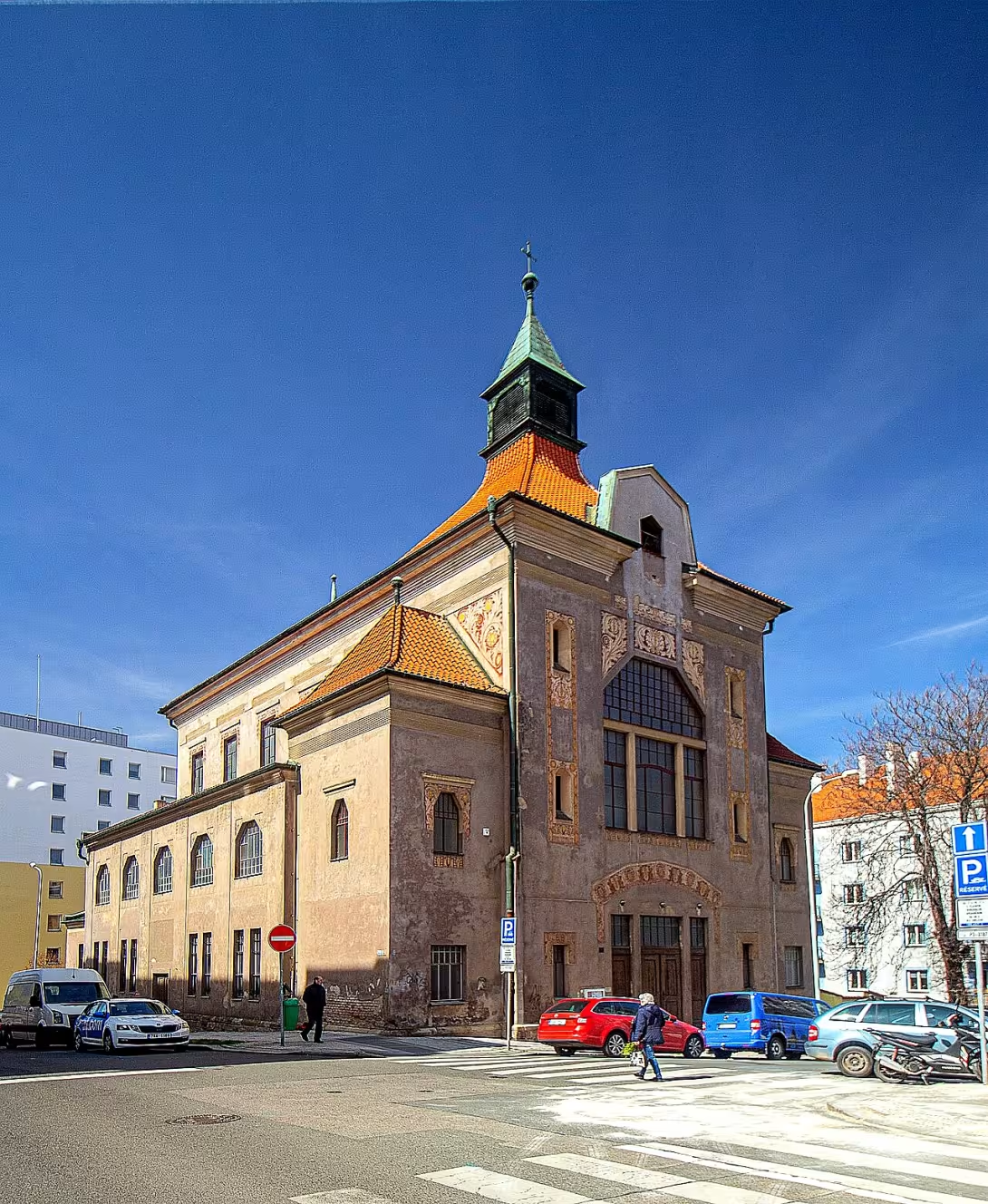
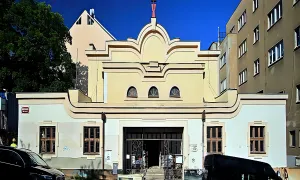
Kostel svaté Anny in Žižkov, Prague, is a Roman Catholic filial church built in 1911. It stands out for its distinctive Beuronese secession style, designed by architect Eduard Sochor. The church features innovative geometric ornamentation and plant motifs. Located at the corner of Ostromečská (formerly Šliková), Jeseniova, and Tovačovského streets in Prague's Žižkov district, it is part of a larger complex that includes former monastic buildings. The church, along with its adjacent former Carmelite monastery, has been protected as a cultural monument since 2002.
The church was consecrated on October 8, 1911, marking the completion of its construction under Eduard Sochor's guidance. This period in Bohemia saw significant cultural and architectural developments within the Austro-Hungarian Empire, with secessionist styles reflecting broader European trends towards modernism. A Carmelite monastery was established adjacent to the church in 1916 but dissolved by 1922. The former monastic buildings were subsequently repurposed for parish use.
Architecturally, Kostel svaté Anny is characterized by its late secessionist style, featuring a mix of smooth and rough plaster surfaces with geometrically arranged plant motifs. The building's design includes a three-aisled structure with a wide central nave flanked by narrower side aisles, all topped by an empore. Its façade is adorned with flat pilasters and vegetable decoration, creating a distinctive decorative appearance that emphasizes the overall composition of the structure.
Ownership and administration have seen changes over time. Initially, the church served as part of the Žižkov parish under the farnost u kostela sv. Prokopa. After the dissolution of the Carmelite monastery in 1922, the former monastic buildings were adapted for use by the parish. In 1949, there was an attempt to transfer the church and its associated structures to the Dominicans from Staré Město in Prague, but this did not materialize due to a lack of interest.
Today, Kostel svaté Anny remains a significant cultural monument, reflecting early 20th-century architectural innovation. Its unique design elements make it a fascinating site for visitors interested in architecture and history. The church's preservation as a cultural monument ensures its accessibility and continued relevance as a historical landmark. Visitors are invited to explore this remarkable example of Beuronese secession architecture, appreciating its artistic and historical significance within the vibrant Žižkov district.
Then and now
Drag the slider to compare how the landmark may have looked when it was built with the view today.
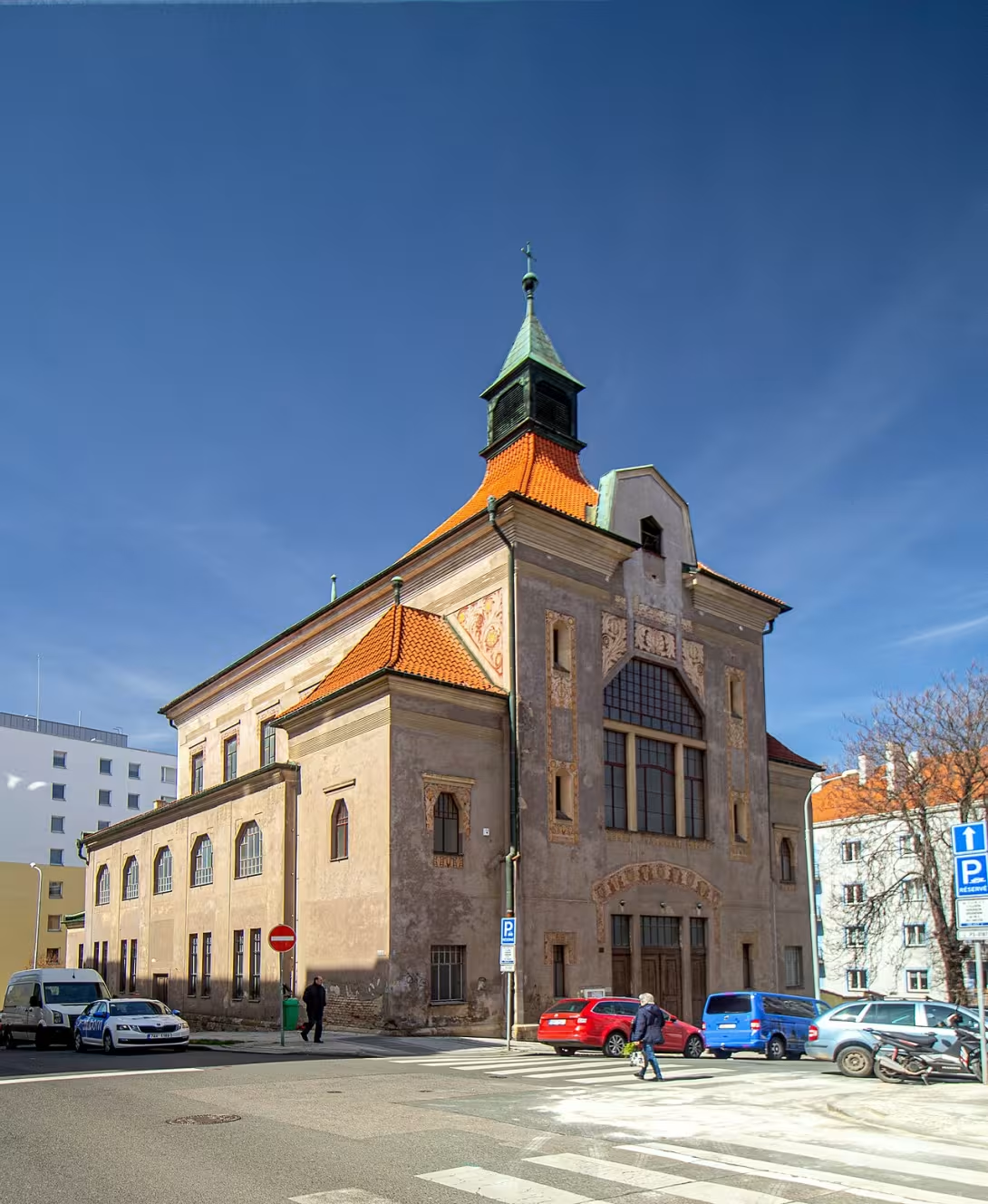
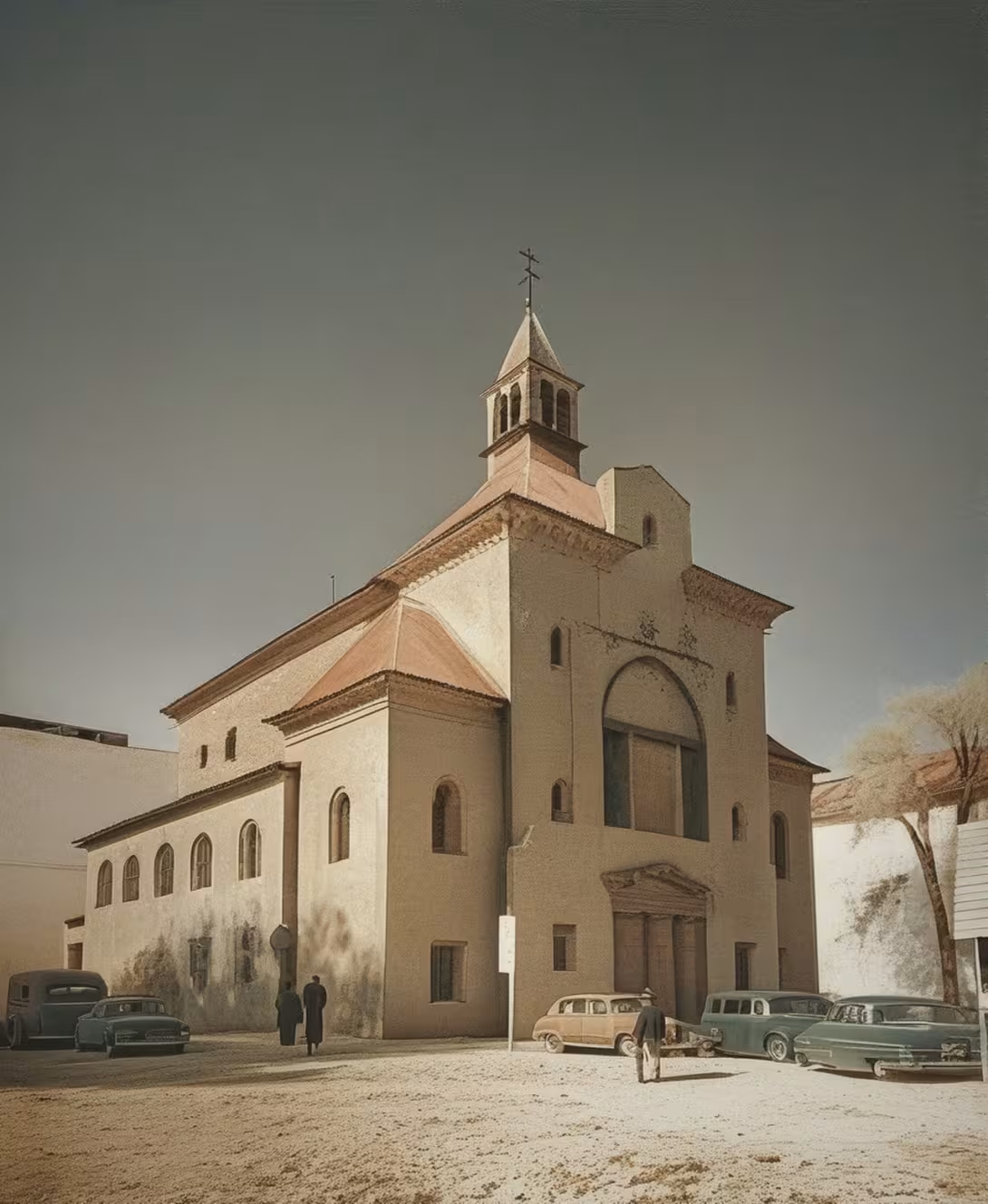
The historical appearance on the left is an AI-generated visualisation and serves as inspiration only.
Historical milestones
- 1911
- The Church of St. Anne was built and consecrated.
- 1916
- Establishment of the Carmelite monastery next to the church.
- 1922
- Dissolution of the Carmelite monastery and conversion of the buildings for parish use.
- 1949
- An unsuccessful attempt by the Dominicans from Old Town to take over the church.
- 2002
- The church and adjacent buildings were protected as a cultural monument.
Architectural development
Kostel svaté Anny was constructed between 1910 and 1911 under the guidance of architect Eduard Sochor. The building is characterized by its secessionist style, featuring a mix of smooth and rough plaster surfaces with geometrically arranged plant motifs. After the dissolution of the Carmelite monastery in 1922, the former monastic buildings were repurposed for parish use.
Historical events
The church was consecrated on October 8, 1911.
A Carmelite monastery was established adjacent to the church in 1916 but dissolved in 1922.
Points of interest
- Kostel svaté Anny is one of the few examples of Beuronese secession architecture in Prague, a style that blends traditional Romanesque elements with modernist influences, making it unique among Czech churches.
- The church's construction coincided with a period when Bohemia was experiencing a cultural renaissance within the Austro-Hungarian Empire, reflecting broader European trends towards artistic innovation and experimentation during the early 20th century.
Guide
This guide is narrated by a synthetic voice generated by artificial intelligence.
Show guide text
This text was created by artificial intelligence and has not been editorially reviewed. It may contain inaccuracies.
Welcome to the historic site of Kostel svaté Anny in Žižkov, Prague—a remarkable example of Beuronese secession architecture nestled within this vibrant neighborhood. As you stand here before it, take a moment to absorb its unique presence against the urban backdrop.
This church was designed by architect Eduard Sochor and completed in 1911, a time when Bohemia was experiencing cultural flourishing. The design reflects a blend of traditional Romanesque elements with modernist influences, setting it apart from other Czech churches. As you look at the church now, notice its distinctive geometric ornamentation adorned with plant motifs—a signature feature that captures the essence of Beuronese secession.
The history of Kostel svaté Anny is intertwined with significant events and transformations. In 1916, a Carmelite monastery was established adjacent to the church, marking an era of spiritual growth in the area. However, by 1922, this monastery was dissolved, and its buildings were repurposed for use by the parish—a testament to the evolving needs of the community.
An intriguing chapter unfolded in 1949 when there was an unsuccessful attempt by the Dominicans from Staré Město to take over the church, highlighting the site's importance within the religious landscape. Recognizing its cultural and historical significance, Kostel svaté Anny, along with its neighboring structures, has been protected as a cultural monument since 2002.
As you continue to explore, consider the architectural nuances that make this church stand out—its harmonious blend of styles and thoughtful design elements by Eduard Sochor. Allow yourself to be drawn into the stories embedded in its walls, from its construction to its role within the community over the decades.
Before we conclude our tour, take a moment to appreciate how Kostel svaté Anny remains an emblematic piece of Prague's architectural heritage. Its protection as a cultural monument ensures that future generations can experience its beauty and historical depth.
Thank you for joining this journey through time at Kostel svaté Anny. We invite you to continue exploring the rich tapestry of Žižkov, where history and modernity coexist in fascinating harmony. Safe travels on your further adventures!
Tips for visitors
The best time to visit Kostel svaté Anny is during the late morning or early afternoon, particularly on weekdays when it's less crowded. This timing allows you to appreciate the church’s architectural details and enjoy a peaceful atmosphere. The natural light filtering through the stained glass windows creates beautiful interior effects that are especially striking around midday.
Parking near Kostel svaté Anny can be challenging due to its location in the urban area of Žižkov, but there are several parking lots within walking distance. Public transportation is a convenient option; you can use trams or buses that serve the nearby streets like Ostromečská and Jeseniova. It's advisable to check current routes and schedules online before your visit for the most efficient travel plan.
When visiting Kostel svaté Anny, consider bringing comfortable walking shoes as exploring the surrounding area might involve some strolling on sidewalks or cobblestones. A camera is recommended if you're interested in photography, but remember to respect any signs regarding flash usage inside the church. Additionally, carrying a light jacket can be useful, especially during cooler months.
For photography enthusiasts, the best spots around Kostel svaté Anny are at street level where you can capture its Beuronese secession architecture against the backdrop of early 20th-century residential buildings. Inside, the church offers excellent lighting conditions for photos, particularly in the morning when sunlight enhances the stained glass windows. Always be mindful of other visitors and any photography restrictions.
Nearby attractions within a 30-minute walk include the former monastic buildings that are part of the larger complex around Kostel svaté Anny. These historic sites offer additional insights into the area's architectural heritage. For families with children, exploring these surroundings can be both educational and entertaining, providing opportunities to learn about local history while enjoying a leisurely stroll.
Businesses nearby
Events nearby

Zdroj akcí: otevřená data měst a obcí ČR (Národní katalog otevřených dat) a kalendář akcí Národního památkového ústavu.
Nearby
Located at the corner of Ostromečská (formerly Šliková), Jeseniova, and Tovačovského streets in Prague's Žižkov district, the church is part of a larger complex that includes former monastic buildings. The area features residential architecture from the early 20th century.
Accommodation nearby
Trips and activities nearby
Guided tours, tickets and activities nearby from GetYourGuide
Affiliate link: if you buy from the partner, we may receive a commission. The price for you does not change.
Search tours and activities →Themed route
Thematic Walking Tour: Žižkov's Architectural and Historical Gems
1. Kostel svaté Anny (Šlikova) *Type:* Church *Why Visit:* Begin your journey at the corner of Ostromečská, Jeseniova, and Tovačovského streets with this striking Art Nouveau church dedicated to Saint Anne. Built in 1907-1913 by architect Osvald Polívka, its unique design features a distinctive onion dome that has become an iconic symbol of the Žižkov district. The church is part of a larger complex that includes former monastic buildings, offering insight into early 20th-century religious architecture.
2. Former Monastic Buildings *Type:* Historical Complex *Why Visit:* Adjacent to Kostel svaté Anny are the remnants of former monastic structures, which add historical depth to your exploration. These buildings reflect the architectural and cultural history of Žižkov during a time when religious institutions played a central role in community life. Walking through these areas provides context for the church's significance within its original monastic setting.
3. Early 20th-Century Residential Architecture *Type:* Architectural Ensemble *Why Visit:* As you continue your tour, immerse yourself in the residential architecture that characterizes much of Žižkov from the early 1900s. The streets surrounding Kostel svaté Anny showcase a variety of styles and designs typical of this era, offering a glimpse into the everyday lives of its past inhabitants. This area highlights how urban development was influenced by both artistic movements and practical needs.
This walking tour offers a focused exploration of Žižkov's architectural heritage, centered around Kostel svaté Anny and its immediate surroundings. Each stop provides unique insights into the district’s historical and cultural evolution during the early 20th century.
Seasonal recommendations
Jaro: In the springtime, Church of St. Anne on Žižkov transforms into a lively spider's haven where sunbeams shine through a misty atmosphere, illuminating its architectural details. Nature around the church awakens from its winter slumber, bringing vibrant floral sprouts and green meadows that infuse the area with new life. It is an ideal time for visitors to stroll around the church and enjoy mild temperatures. It's best to arrive early in the morning or late afternoon to avoid the initial crowd enjoying the spring warmth. Dress in light clothing with layers you can add if it gets cooler.
Léto: Summer on Žižkov offers visitors to Church of St. Anne an exciting atmosphere where the sun lights up its roofs and ornate arcades. During peak summer, locals and tourists gather in outdoor spaces, which may lead to increased crowds. It's advisable to come early morning or late afternoon to enjoy the church and surroundings without too much pressure. Wearing light clothing, sunglasses, and plenty of water is key for comfort during your visit.
Podzim: In autumn, Church of St. Anne on Žižkov offers a unique atmosphere as green trees turn into vibrant hues and leaves cover the streets around the church. Sunlight illuminates its façade in new light while the slightly cooler air brings comfort for long walks. This period can be less crowded than summer, offering a more tranquil experience. It is recommended to wear layered clothing and possibly a hat for protection against sunlight.
Zima: A winter visit to Church of St. Anne on Žižkov offers a magical view where the church is lit up, standing in contrast with a white snow blanket or clouds. The atmosphere is calm and quiet, ideal for those seeking refuge from winter bustle. Opening hours may be shorter due to low temperatures, so it's important to check current times before your visit. Wearing warm clothing and winter boots is key for comfort, as well as planning your visit during the day when sunlight highlights the church in its best light.
Visualizations and artistic views


The visualisations are generated by artificial intelligence and serve as inspiration.
Photos from the area
Real photos taken near the monument


Zdroj a licence jsou uvedeny u každého snímku.
Tips from visitors
No tips yet. Be the first!
Log in and add your tip.
Sources and literature
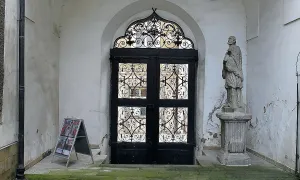
Fotografie: VitVit / CC BY-SA 4.0 — Wikimedia Commons. The author and licence also appear when you hover over the image.
Faktickým podkladem tohoto textu byl článek na Wikipedii, jehož autory jsou přispěvatelé Wikipedie. Článek je dostupný pod licencí CC BY-SA 4.0.
Location on the map
Příběhy a pověsti
Legendy, pověsti a příběhy spjaté s touto památkou
Fotografie návštěvníků
Zatím žádné fotografie. Buďte první, kdo přidá fotografii z návštěvy!
Přihlaste se a přidejte svou fotografii nebo hodnoťte.
Za ověřenou návštěvu v aplikaci získáte víc bodů — poznáme podle GPS, že jste na místě.
Reviews and comments