






Kostel svaté Kateřiny Alexandrijské (Merboltice) Church
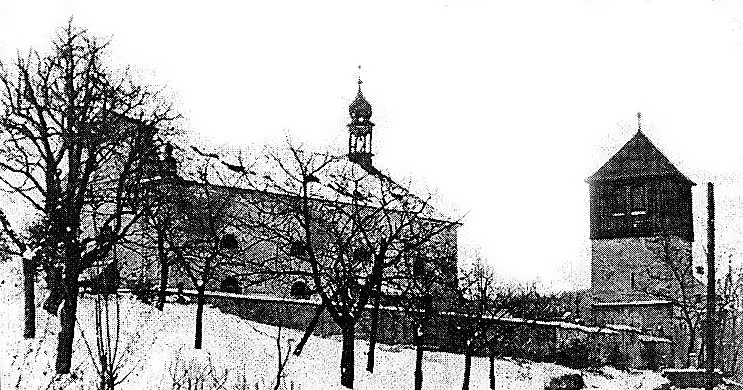
The Church of St. Catherine of Alexandria in Merboltice was a remarkable Baroque church, located in the rural village of Merboltice in the Ústí region of the Czech Republic. From 1708 to 1709 Zacharias Hoffmann served as a parish church for the Roman Catholic community under the leadership of Count František Antonín Špork. Its historical importance underlines its architectural style and cultural context during the period characterized by baroque influences in Bohemia, then part of the Habsburg monarchy.
The origin of this church dates back to 1352, when it first appeared as a parish church in the Papal Corporal. Over time, it underwent significant transformations, especially in the early 18th century, when Count František Antonín Špork entrusted Zacharias Hoffmann with rebuilding it into a baroque form. This period was characterised by culturally flourishing and architectural innovations throughout Europe, where Czechs experienced a sharp increase in grandiose designs.
In architecture, the church presented a single boat design with a rectangular plan. This included a recessed presbytery and centrally located square of sacristy. The facade was decorated with lisenas, large rectangular windows and two scissors, which were decorated with a triangle rectangle. Its undecorated side walls were pierced by rows of semi-circular windows. Inside, the ship was covered with the vault of a compressed barrel, while the entrance hall and sacristy had flat ceilings supported by Truss roof. The presbytery boasts a rough arch with lunnets, and the roof was shingled, with a bell tower in its back.
Owning the church initially rested with Count František Antonín Špork, who played a key role in its construction. After his demolition in 1975, as a result of the dismantling, there were no other owners who would cease to exist. The history of the church is characterized by important events such as its initial documentation in 1352 and the launch of Baroque reconstruction in 1708.
Key historical moments include his services as a Protestant place of worship between 1530 and 1624 before re-Catholicization, which led to him becoming a filial church. The independent parish was later restored in 1855, and the church underwent significant renovation in 1896. But the neglect of World War II led to a deterioration, culminating in the demolition of 1975.
Today, while the original church is no longer standing, efforts began in 2009 to restore the new structure on the ground. The cornerstone of this new building, originating from the original church, was blessed in 2009 by Pope Benedict XVI. This modern building aims to honor St. Catherine, St. Margaret and St. Apollo.
St. Catherine's Church of Alexandria in Merboltice has historical value as proof of Baroque architecture and cultural dynamics of the early 18th century Bohemia. His story reflects broader topics of religious transformation and architectural evolution within the region. Visitors who are interested in discovering this site can witness continued efforts to commemorate its legacy through a new church that offers a unique view of the rich historical tapestry in the area.
Then and now
Drag the slider to compare how the landmark may have looked when it was built with the view today.
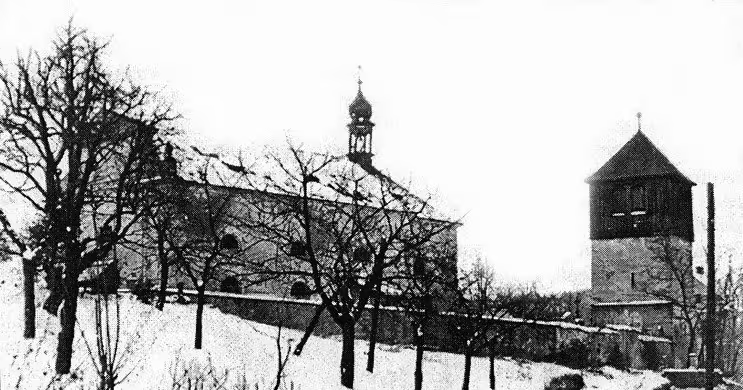
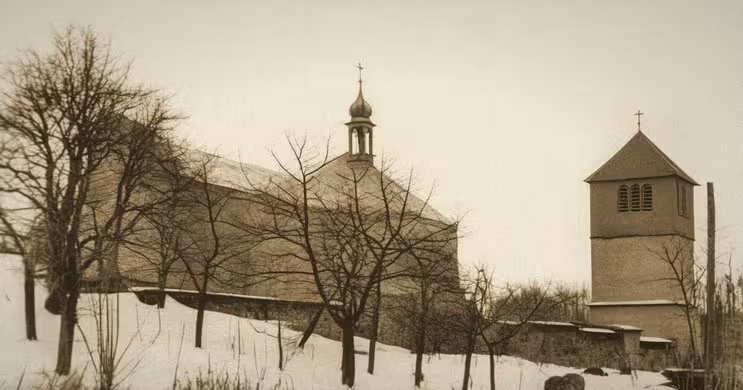
The historical appearance on the left is an AI-generated visualisation and serves as inspiration only.
Historical milestones
- 1352
- The first documented as a parish church in the Papal Titus.
- 1708
- Construction of the new Baroque church has begun.
- 1975
- the church was destroyed.
Architectural development
The original church, dating back to 1352, underwent a major transformation in the early 18th century when Zacharias Hoffmann was rebuilt as a Baroque structure. The new design represented one ship with an elongated plan and a recessed presbytery. Despite the renovation in 1896, the building deteriorated after World War II, leading to its possible demolition.
Historical events
1352: the church first appears in the records as a parish church in the papal tithe register.
1708-1709: Construction of the new Baroque church Zacharias Hoffmann.
1975: Demolition church due to disorder.
Owners
the church was originally named Count František Antonín Špork in the early 18th century. After the demolition in 1975, there were no other owners who would cease to exist.
Points of interest
- The Church of Saint Catherine of Alexandria was originally documented in the Papal Titus in 1352, which highlighted its long-term importance within the community.
- Between 1530 and 1624, the church served as a Protestant place of worship before being Catholic again, reflecting the religious shifts that took place at this time.
- After his demolition in 1975 as a result of the emergency, efforts began in 2009 to restore to its original place, with a foundation stone coming from the old structure blessed by Pope Benedict XVI.
Guide
This guide is narrated by a synthetic voice generated by artificial intelligence.
Show guide text
This text was created by artificial intelligence and has not been editorially reviewed. It may contain inaccuracies.
Welcome to the site of what once stood as a remarkable proof of Baroque architecture and religious history - the church of St. Catherine of Alexandria in Merboltice. As you stand here, imagine the grandeur that this single-boat church had to imagine when it was first built between 1708 and 1709.
The origin of this church stretches back centuries, with its first documentation appearing already in 1352 in the papal tithe register. This highlights its long-term importance within the community. the church served various purposes over time; At first the Roman Catholic parish church later became a Protestant place of worship between 1530 and 1624 before being Catholic again.
It was an architectural project commissioned by Count František Antonín Špork, with Zacharias Hoffmann as a mastermind behind his design. The structure contained an elongated floor plan, complete with embedded presbytery and square sacristy. As you stand here today, imagine these elements that once defined its form.
This site is more than architectural; It's a tapestry of history made by stories of faith and transformation. Count František Antonín Špork played a key role in the baroque rebirth of the church, reflecting its influence on religious architecture during this period.
The fascinating aspect of this place is its resilience through changing times and beliefs, serving different communities before they eventually collapse in 1975. This speaks of a dynamic history that has evolved here over the centuries.
As we conclude our research, I urge you to think about the layers of history built into this place. Although the church no longer lasts, its legacy continues to captivate those who visit it. Thank you for joining me today, and let your journey through Merboltice inspire further discovery and appreciation of his rich heritage.
Businesses nearby
Do you run a restaurant, accommodation, shop, museum, rental, wellness or other visitor service near this monument? Show yourself directly to the people heading to it — this is how they will see you in the app and on the web:
Events nearby

Zdroj akcí: otevřená data měst a obcí ČR (Národní katalog otevřených dat) a kalendář akcí Národního památkového ústavu.
Nearby
Merboltice is located in rural environment in the region of Ústecký, surrounded by nature. Near historical monuments include other churches and chapels that survived over time.
Accommodation nearby
Trips and activities nearby
Guided tours, tickets and activities nearby from GetYourGuide
Affiliate link: if you buy from the partner, we may receive a commission. The price for you does not change.
Search tours and activities →Themed route
Thematic walking tour: Merboltice and its historical churches
1. Kostel svaté Kateřiny Alexandrijské (Merboltice) - Church Start your journey in the heart of Merboltice with the Church of St. Catherine of Alexandria, a stunning example of Gothic architecture. This church is famous for its historical significance and complex design, making it a crucial stop for anyone interested in religious history or architectural beauty.
2. Chapel at Merboltice - Chapel A short walk from the main church takes you to the charming local chapel. This small but important place offers insight into the spiritual life of the region for centuries. Its peaceful setting and historical context provide a peaceful contrast to the size of the main church.
3. Local Historical Church in Merboltice - Church Explore another nearby church, which stands as proof of the rich church history of the area. This site is ideal for those who appreciate the development of religious architecture and community life in a rural environment. His proximity is an easy addition to your search.
4. Church of St. Catherine of Alexandria - Kostelín Return to St. Catherine's Church to explore his expansive cemetery. This area offers a quiet place to think and provides an additional context on the historical importance of the site, including tombstones and monuments that tell stories from the past centuries.
5. Tower (bell tower) Church of St. Catherine of Alexandria - Bell tower Close your tour by visiting the bell tower of the main church. Climbing to the top offers breathtaking views of Merboltice and surrounding landscapes that provide a perfect ending to the day immersed in history and architecture.
This themed walking tour provides an enrichment experience through Merboltice's historical churches that offer views of their architectural beauty and cultural importance.
Seasonal recommendations
Spring: The chateau of the demolished church of St. Catherine of Alexandria in Merboltice during spring offers a single opportunity to explore new versions of the arrival of historical pamas. Flowers and trees count the amount that can be a live and normal amount on the landscape that is ideal for photography. The atmosphere is calm and dying, with warm sunny days that are perfect for large prochs around. It is recommended that wet terrain and excess sunlight can not be used because the spring sun can be strong.
Summer: In the year, the town of St. Catherine of Alexandria church in Merboltice is represented by hot day products and potentially larger business tourists who are trying to get the historical part. The sunny world has broken structures that offer a dramatic and used base. For a relative quantity, it is delivered in due time or later, when this name is Difficult and calm. Wearing Light Clothes, sun helmet and drinking water supplies will be useful to ensure solutions.
Autumn: Autumn before melancholy and color lodged on the broken structures of the skeleton of St. Catherine of Alexandria, when my leaves are trees in living colors. This season offers a small temperature and a calm atmosphere, which offers challenging chemical ideals for relaxation and reflective. Despite a cold morning, the conditioning sun can become a pleasant addition to the walk, so it is saved that it has warm rounded and perhaps even rainy with it. This time of year is usually less demanding on the crowd, meaning more personal space to talk.
Winter: The visit in the country recalculates the peaceful and quiet atmosphere around the church of St. Catherine of Alexandria, which affects the historical character. The broken structures create dramatic states and contracts on a reduced background, which means they are visual zones. It is recommended that it is not necessary to make everyday shirts, blankets and protective shoes for lubricating measure. Winter hours are shorter, so they can have their own early in the morning, or they can have dinner, where the Sunshine Worlds plant broken structures in beautiful early in the morning.
Visualizations and artistic views


The visualisations are generated by artificial intelligence and serve as inspiration.
Photos from the area
Real photos taken near the monument


Zdroj a licence jsou uvedeny u každého snímku.
Atmosphere of the place
This atmospheric visualisation of the place and period was generated by artificial intelligence. It is not real footage of the location.
Tips from visitors
No tips yet. Be the first!
Log in and add your tip.
Sources and literature
Fotografie: autor neuveden / Public domain — Wikimedia Commons. The author and licence also appear when you hover over the image.
Faktickým podkladem tohoto textu byl článek na Wikipedii, jehož autory jsou přispěvatelé Wikipedie. Článek je dostupný pod licencí CC BY-SA 4.0.
Location on the map
More monuments – Merboltice
Show all in the municipality
Příběhy a pověsti
Legendy, pověsti a příběhy spjaté s touto památkou
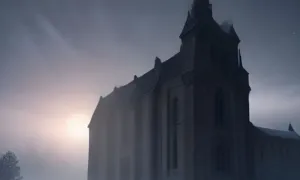
Příběh: Kostel svaté Kateřiny Alexandrijské (Merboltice)
Bylo to v pondělí ráno, kdy Jan Řezník zjistil, že se zdá, že jeho srdce nesedí správně v těle. Kostel svaté Kateřiny stál tmavý a vznešený před ním na osamě…
Číst příběh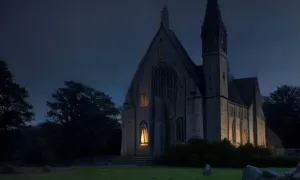
Pověst: Kostel svaté Kateřiny Alexandrijské (Merboltice)
Traduje se, že v merbolticích nikdo nevěřil, že kostel opravdu zmizí. Lidé si šeptali, jak starý Hoffmannův chrám přečkal reformaci, přečkal Josefovy dekrety…
Číst příběhFotografie návštěvníků
Zatím žádné fotografie. Buďte první, kdo přidá fotografii z návštěvy!
Přihlaste se a přidejte svou fotografii nebo hodnoťte.
Za ověřenou návštěvu v aplikaci získáte víc bodů — poznáme podle GPS, že jste na místě.
Reviews and comments