






Kostel svaté Kateřiny (Mladé Buky) Church
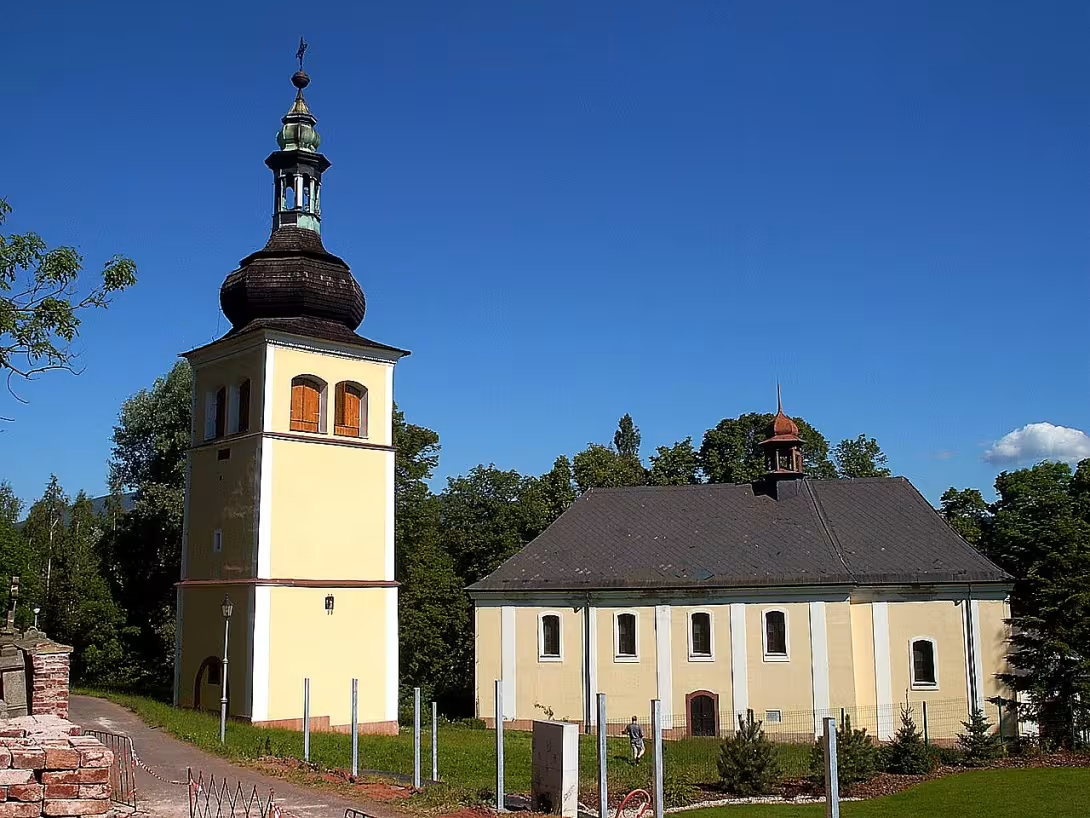
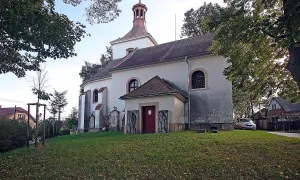
The Church of Saint Catherine in Mladé Buky is a Roman Catholic filial church with historical significance as a former parish. Situated on a hill southeast of the village center, it features a bell tower, rectory, oratory, and a cemetery established in 1866. This site is protected as a cultural monument of the Czech Republic due to its architectural transformation between 1777-1787.
Mladé Buky's parish origins date back to 1350 when it was first mentioned with a priest named Johanes. The Gothic church, referenced in 1384, includes surviving elements like a vaulted presbytery and parts of the nave wall. Initially part of the Holy Roman Empire under Charles IV during its mention in 1350, Mladé Buky experienced significant architectural influences from the prevalent European Gothic period.
The current form of the Church of Saint Catherine resulted from a Baroque reconstruction between 1777 and 1787 by architect Jan Jensch. This transformation gave the church its single-nave rectangular structure with a cross-ribbed vaulted presbytery, reflecting the stylistic shift to Baroque architecture. A technical dry restoration was carried out in 1995-2000, ensuring the preservation of this historical edifice. Architectural features include a Renaissance bell tower constructed in 1599 by Jacob Frumet and a new marble altar installed in 2000.
Throughout its history, Mladé Buky regained its status as a parish in 1682 with Mikuláš Schmitz appointed as the parish priest. In 1520, a bell dedicated to Saint Barbara was hung in the tower for miners from Svoboda, highlighting the church's connection to local communities and industries.
Today, the Church of Saint Catherine is notable for its interior furnishings predominantly from the 19th century, including a late Gothic baptismal font. The church remains an active site for worship with services held on Sundays at 11:00 AM. Its historical significance, architectural beauty, and cultural heritage make it a worthwhile visit for those interested in exploring Czech history and religious architecture.
The Church of Saint Catherine stands as a testament to the rich tapestry of Mladé Buky's past, inviting visitors to delve into its storied walls and appreciate its enduring legacy.
Then and now
Drag the slider to compare how the landmark may have looked when it was built with the view today.
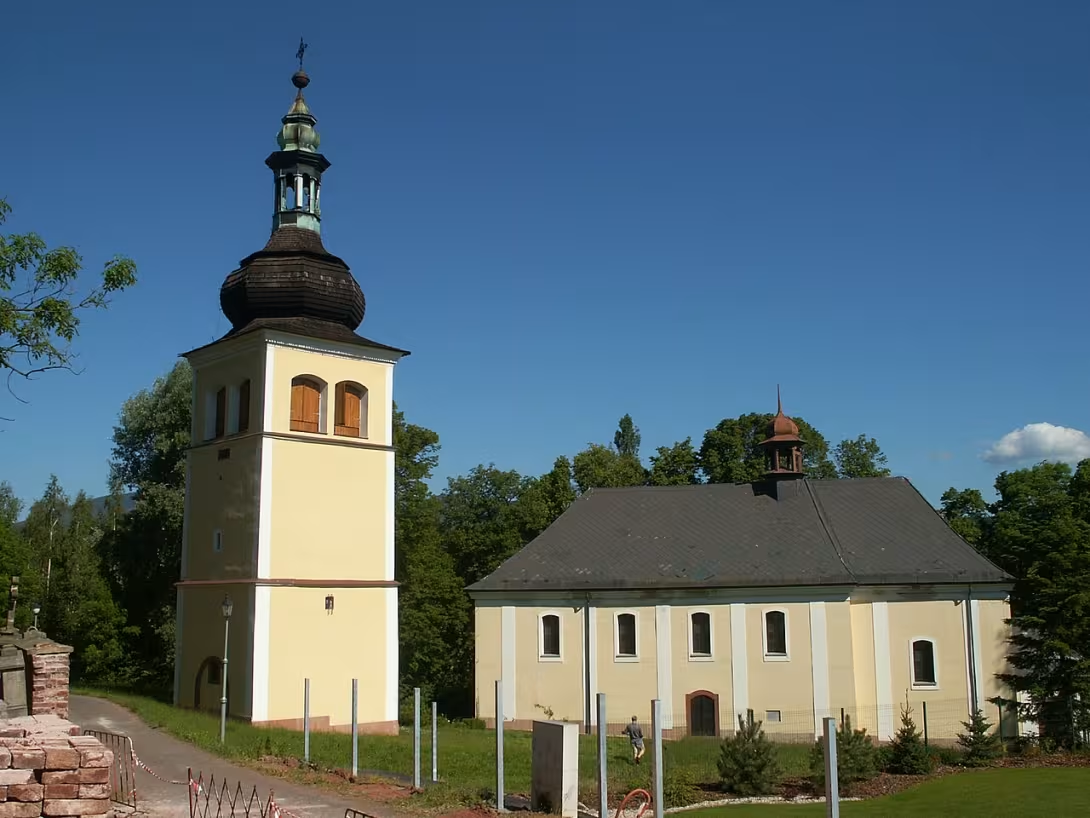
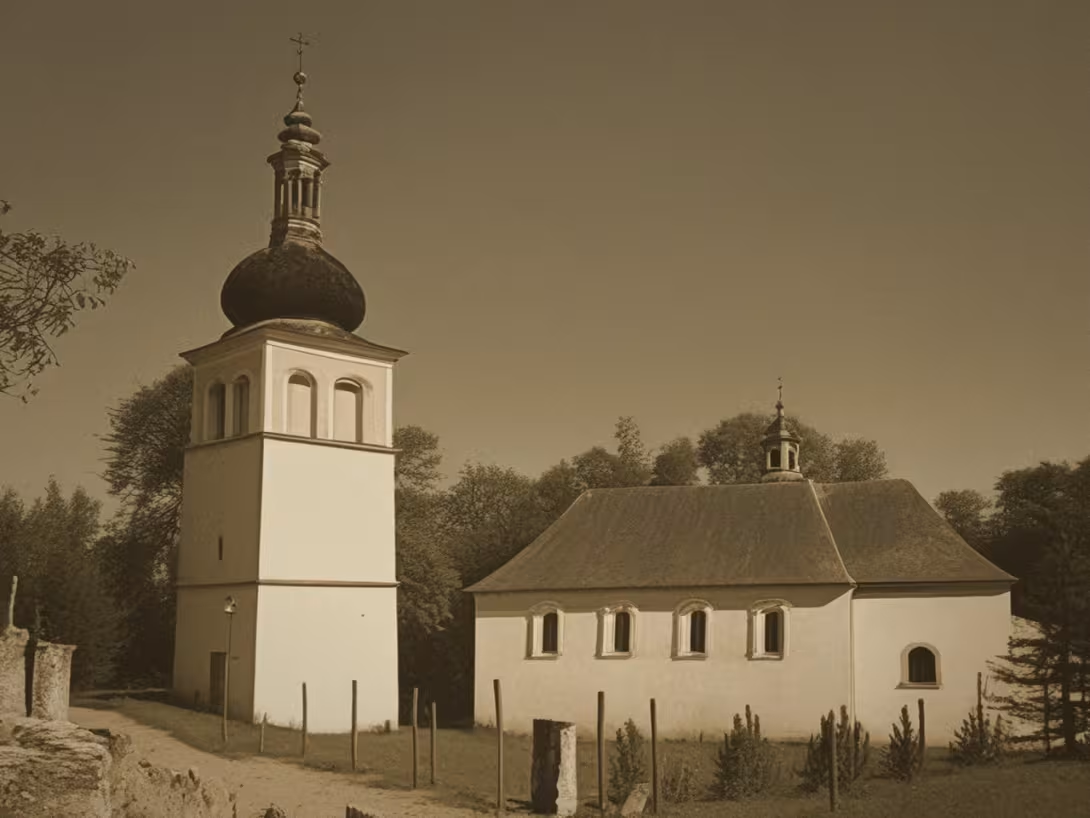
The historical appearance on the left is an AI-generated visualisation and serves as inspiration only.
Historical milestones
- 1350
- Mladé Buky first mentioned with a priest named Johanes.
- 1384
- Gothic church referenced, indicating existing structure.
- 1599
- Renaissance bell tower constructed by Jacob Frumet.
- 1682
- Mladé Buky regained parish status with Mikuláš Schmitz as priest.
- 1777
- Baroque reconstruction of the church began by Jan Jensch.
- 1787
- Completion of Baroque transformation of the Church of Saint Catherine.
Architectural development
The current form of the Church of Saint Catherine resulted from a baroque reconstruction between 1777 and 1787 by architect Jan Jensch. The church features a single-nave rectangular structure with a cross-ribbed vaulted presbytery, and underwent technical dry restoration in 1995-2000. A new marble altar was installed in 2000.
Historical events
The parish was first mentioned in 1350 with a priest named Johanes, and the Gothic church was referenced in 1384.
In 1682, Mladé Buky regained its status as a parish with Mikuláš Schmitz appointed as the parish priest.
Points of interest
- The Church of Saint Catherine originally had Gothic architectural elements that survived the Baroque transformation, such as a vaulted presbytery and parts of the nave wall, reflecting its long-standing historical significance.
- A bell dedicated to Saint Barbara was hung in the church's tower in 1520 specifically for miners from Svoboda, illustrating the church's unique connection with local mining communities and their traditions.
- The Renaissance-style bell tower, constructed in 1599 by Jacob Frumet, stands as a distinct architectural feature that predates the Baroque reconstruction of the main church building, highlighting the blend of different historical styles present at the site.
- In 1682, Mladé Buky regained its status as an independent parish with Mikuláš Schmitz appointed as the parish priest, marking a significant revival in the community's ecclesiastical history after periods of fluctuating religious oversight.
- The church underwent a comprehensive technical dry restoration between 1995 and 2000 to preserve its historical integrity, ensuring that future generations can continue to appreciate its architectural beauty and cultural heritage.
Guide
This guide is narrated by a synthetic voice generated by artificial intelligence.
Show guide text
This text was created by artificial intelligence and has not been editorially reviewed. It may contain inaccuracies.
Welcome to the Church of Saint Catherine in Mladé Buky, a remarkable testament to history and faith nestled on a hill southeast of this charming village center. As you stand here, surrounded by its serene beauty, take a moment to absorb the first impressions: the church's commanding presence is accentuated by its companions—a bell tower, rectory, oratory, and a cemetery established in 1866. Together, they form a harmonious ensemble that speaks volumes of the area's rich heritage.
The origins of this sacred site trace back to 1350 when Mladé Buky was first mentioned with a priest named Johanes. By 1384, there is evidence of a Gothic church, hinting at an existing structure that has stood the test of time. The Renaissance era brought further development in 1599 with the construction of the bell tower by Jacob Frumet. A significant milestone occurred in 1682 when Mladé Buky regained its parish status under the guidance of Mikuláš Schmitz as priest, marking a new chapter in its ecclesiastical history.
The transformation that truly defined the Church of Saint Catherine began in 1777 with Jan Jensch's Baroque reconstruction. By 1787, this ambitious project reached completion, leaving behind a masterpiece that intricately blends Gothic and Baroque elements—a testament to architectural evolution through centuries. As you explore, notice how the vaulted presbytery and parts of the nave wall whisper tales of its Gothic past, surviving amidst the grandeur of its Baroque transformation.
While specific historical figures tied directly to the church's narrative may not be widely documented, it is the spirit of those who have prayed here that imbues this place with life. The dedication of a bell to Saint Barbara in the tower adds another layer to its spiritual significance, inviting reflection on faith and protection.
As we conclude our journey through time at the Church of Saint Catherine, let your curiosity guide you further into its stories and secrets. Each stone, each architectural detail, holds a piece of history waiting to be discovered. We invite you to continue exploring this cultural monument, protected for its historical significance in the Czech Republic, and perhaps find inspiration in the enduring legacy it represents.
Thank you for joining us on this audio guide through Mladé Buky's cherished landmark. May your visit leave you with a deeper appreciation of the past and its connection to our present. Safe travels as you continue your exploration, and may the spirit of Saint Catherine accompany you always.
Frequently asked questions
Can the monument be visited?
Religious buildings are usually open mainly during services; at other times a visit is normally arranged with the parish or the operator. We have not verified specific times.
Where is the monument?
Location: Mladé Buky, Královéhradecký kraj. The map on this page shows the exact spot.
Why is the monument protected?
It is listed in the Central List of Cultural Monuments of the Czech Republic as a cultural monument (register no. 34858/6-3623).
Businesses nearby
Do you run a restaurant, accommodation, shop, museum, rental, wellness or other visitor service near this monument? Show yourself directly to the people heading to it — this is how they will see you in the app and on the web:
Accommodation nearby
Themed route
Tematická výletní trasa - Kostel svaté Kateřiny (Mladé Buky)
1. Kostel svaté Kateřiny (Mladé Buky)
Typ: Historická památka
Proč stojí za návštěvu: Tento barokní kostel, postavený v druhé polovině 18. století, je nejen duchovním centrem Mladých Buky, ale také architektonickou perli s bohatou historií a uměleckými prvky. Jeho interiér nabízí návštěvníkům krásné fresky a sochařské práce, které přitahují jak místní obyvatele, tak i cestovatele z dálky.
2. Náves
Typ: Městský prostor
Proč stojí za návštěvu: Náves v Mladých Bukách je živoucím svědectvím místního dneška a historie, kde se prolínají tradice s moderností. Je to místo pro setkání obyvatel i turistů, kde lze užít si klidné chvilky nebo zhlédnout okolní architekturu.
3. Obecní úřad
Typ: Historická budova
Proč stojí za návštěvu: Tato historická budova, která sloužila jako administrativní centrum obce, je příkladem místní architektury a historie. Její elegantní design a významná role ve společenském životě Mladých Buky ji činí zajímavou pro ty, kteří chtějí pochopit místní správu a historii.
4. Kaple svatého Jana Nepomuckého
Typ: Religiozní památka
Proč stojí za návštěvu: Tato kaple je malým, ale významným duchovním místem v Mladých Bukách. Její historie a architektura přitahují návštěvníky, kteří hledají klidné místo pro meditaci nebo si chtějí užít krásu malého sakrálního stavby.
Tato trasa nabízí pohled na kulturní a historický bohatství Mladých Buk, od hlavní památky kostela svaté Kateřiny po další významné místní body.
Seasonal recommendations
Spring: Visiting the Church of St. Catherine during spring offers a unique experience as nature awakens around Mladé Buky. The surrounding landscape is adorned with blooming flowers and fresh greenery, creating a picturesque setting that enhances the historical charm of the church. As daylight extends into the evening, soft natural lighting adds to the serene atmosphere. Visitors should dress in layers to accommodate fluctuating temperatures typical of this season. Early morning visits are recommended to avoid larger crowds as people come out to enjoy the pleasant weather.
Summer: The summer months bring vibrant life to the Church of St. Catherine and its surroundings, with lush greenery and longer daylight hours enhancing the beauty of Mladé Buky. This is the peak tourist season, so expect more visitors exploring the area. To fully appreciate the church's architecture without feeling crowded, consider visiting early in the morning or later in the afternoon when it is less busy. Light, breathable clothing is ideal for staying comfortable during your visit.
Autumn: Autumn presents a stunning backdrop of warm colors as leaves change around the Church of St. Catherine. The cooler temperatures and softer light create an inviting atmosphere perfect for exploring historical sites. This season often sees fewer tourists compared to summer, making it a great time to enjoy the church in relative tranquility. Dress warmly and consider bringing a jacket or sweater to stay comfortable during your visit.
Winter: Winter transforms Mladé Buky into a serene landscape with snow-covered surroundings that add a magical touch to the Church of St. Catherine. The cooler temperatures require warm clothing and sturdy footwear for walking on potentially icy paths. Visiting early in the day can help avoid any crowds that might gather during peak visiting times.
Visualizations and artistic views


The visualisations are generated by artificial intelligence and serve as inspiration.
Photos from the area
Real photos taken near the monument


Zdroj a licence jsou uvedeny u každého snímku.
Tips from visitors
No tips yet. Be the first!
Log in and add your tip.
Sources and literature
Photos: JiriMatejicek / CC BY-SA 3.0 — Wikimedia Commons. The author and licence also appear when you hover over the image.
Faktickým podkladem tohoto textu byl článek na Wikipedii, jehož autory jsou přispěvatelé Wikipedie. Článek je dostupný pod licencí CC BY-SA 4.0.
Location on the map


Příběhy a pověsti
Legendy, pověsti a příběhy spjaté s touto památkou

Příběh: Kostel svaté Kateřiny (Mladé Buky)
Bylo to v pondělí ráno, kdy Martin Březina zjistil, že jeho cesta se mění. Slunce ještě nerovnalo černé střechy Mladých Buk a široký pruh klidného světla pro…
Číst příběh
Pověst: Kostel svaté Kateřiny (Mladé Buky)
Podle místní pověsti, která se v Mladých Bukách předávala z otce na syna po celá staletí, zvon zavěšený ve věži kostela svaté Kateřiny není jen kusem ulitého…
Číst příběhFotografie návštěvníků
Zatím žádné fotografie. Buďte první, kdo přidá fotografii z návštěvy!
Log in a přidejte svou fotografii nebo hodnoťte.
Za ověřenou návštěvu v aplikaci získáte víc bodů — poznáme podle GPS, že jste na místě.
Reviews and comments