






Kostel svaté Máří Magdalény (Praha) Church
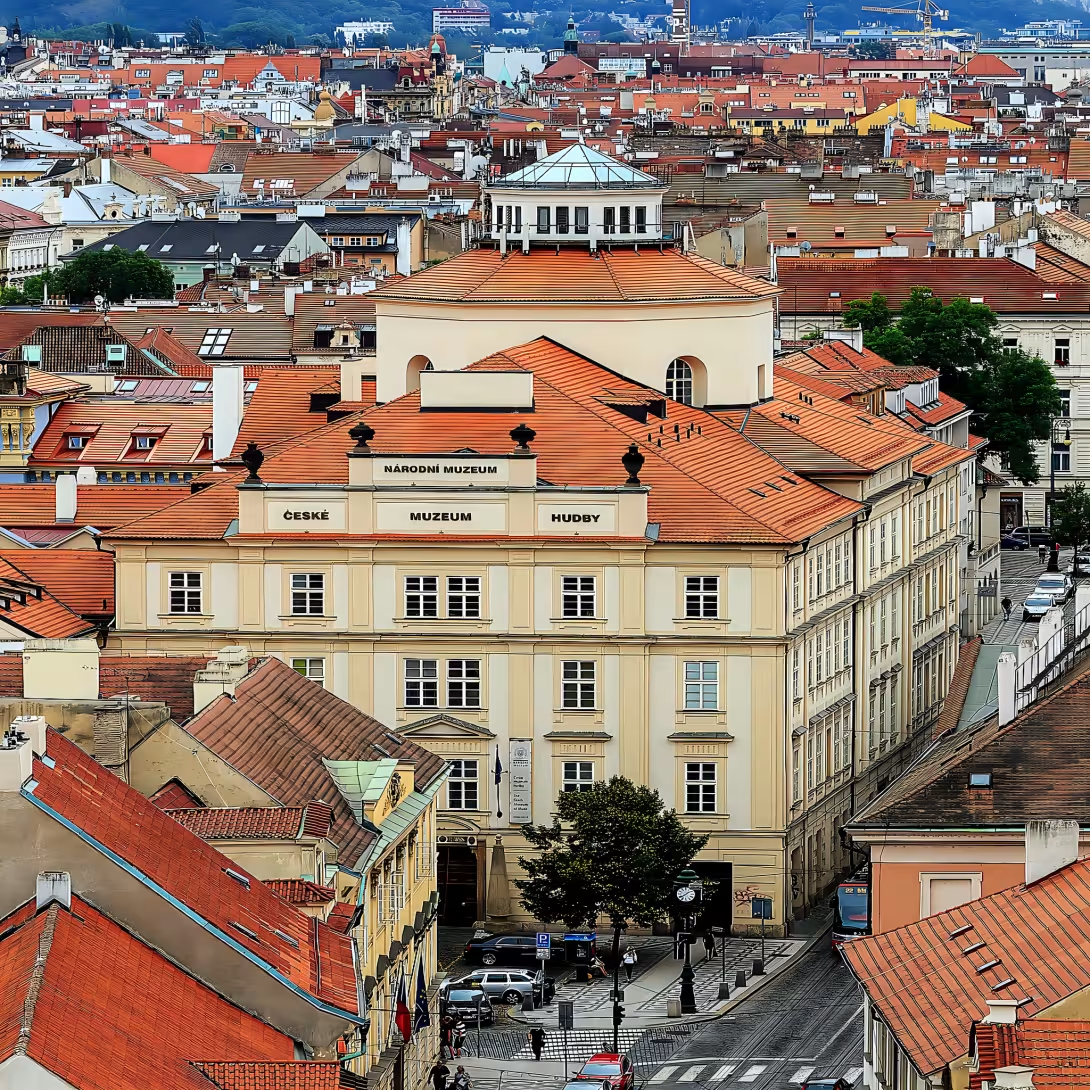
Kostel svaté Máří Magdalény in Prague's Malá Strana district stands as a testament to the city's rich baroque heritage. Originally constructed between 1654 and 1709, this former convent church served as a chapel for the Dominican Order before undergoing significant transformations that stripped it of much of its original sacred character. Today, it houses the Czech Museum of Music, part of the National Museum in Prague, making it a notable site both historically and culturally.
The origins of Kostel svaté Máří Magdalény trace back to 1315 when a Magdalenite convent and chapel existed on the site, later destroyed during the Hussite Wars. By 1630, the Dominican Order had moved into the ruins of these earlier structures, marking a new chapter in its history. The church was designed in early Roman baroque style by Francesco Caratti, with construction funded by the Michna family. Due to financial constraints, Kryštof Dientzenhofer completed a modified version in 1709. This period reflects Bohemia's complex religious and political landscape as part of the Habsburg Monarchy.
Architecturally, the church initially featured a grand baroque design with two towers at its northern façade. Over time, however, it underwent several secular adaptations that significantly altered its appearance. The original façade was replaced in 1792 by Josef Zobel and Ignác Jan Nepomuk Palliardi in a classical style, removing distinctive elements like the tympanum and pilasters. Internally, the church saw transformations into office spaces, apartments, stables, and storage areas, further distancing it from its sacred origins.
Ownership of the church shifted dramatically over time. The Dominican Order maintained control until 1783 when Emperor Joseph II's ecclesiastical reforms led to the dissolution of both the church and monastery. Subsequently, the building served various secular purposes, including as a warehouse, stables for a sugar refinery, and even Prague's first post office from 1791 to 1849. Later, it housed the central archive of the Ministry of Interior, reflecting its continued utility in state functions.
Throughout its history, Kostel svaté Máří Magdalény has been associated with notable figures in Prague's art scene. Dionysio Miseroni and the Dientzenhofer brothers were buried here, though their memorials have not survived. These connections underscore the church's cultural significance beyond its architectural features.
Today, Kostel svaté Máří Magdalény stands as a unique blend of historical layers, from its baroque origins to its modern role as part of the Czech Museum of Music. Visitors can explore its transformed interior, which now serves as an exhibition space, offering insights into both its past and present functions. The church's location on Malá Strana, near other historical sites like the Mandarin Oriental Hotel, adds to its appeal as a cultural destination.
Kostel svaté Máří Magdalény is more than just a monument; it is a living narrative of Prague's evolving history. Its journey from a sacred space to a museum encapsulates centuries of change and adaptation. For those interested in architecture, music, or history, a visit to this site offers a unique opportunity to connect with the past while appreciating its contemporary significance.
Then and now
Drag the slider to compare how the landmark may have looked when it was built with the view today.
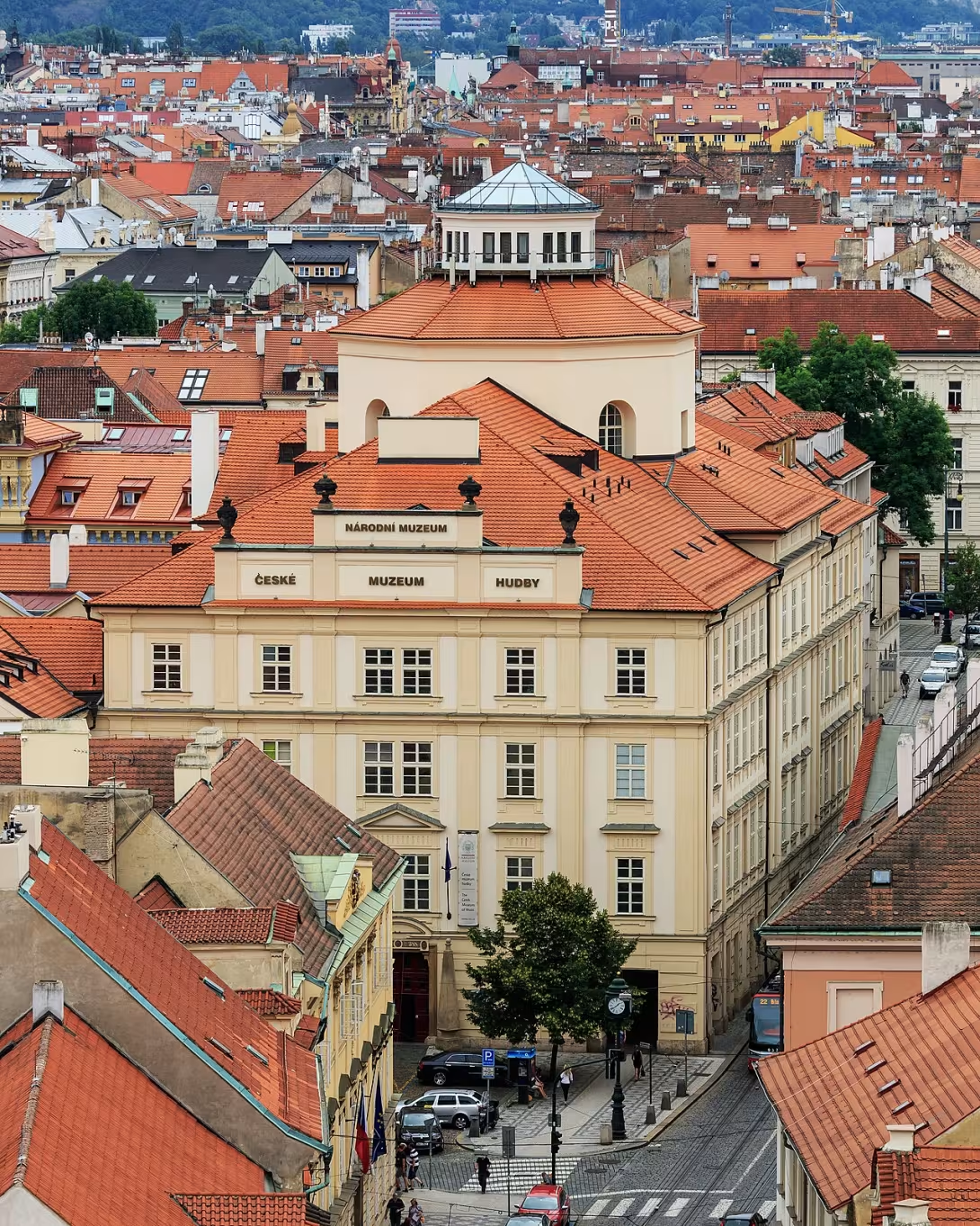
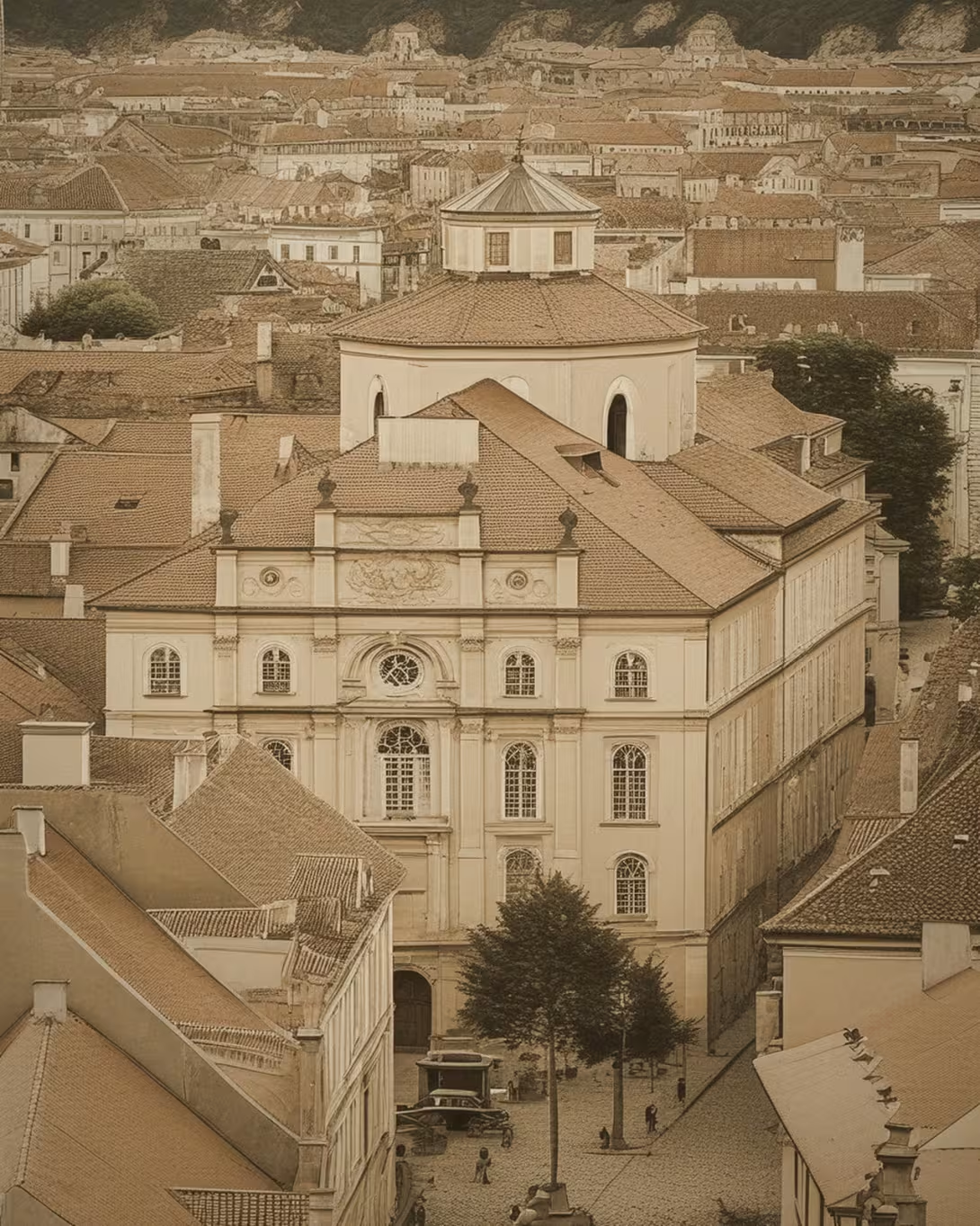
The historical appearance on the left is an AI-generated visualisation and serves as inspiration only.
Historical milestones
- 1315
- Original Magdalenite convent and chapel existed.
- 1630
- Dominican Order moved into the ruins of previous structures.
- 1783
- Church and monastery were dissolved as part of ecclesiastical reforms.
Architectural development
The church was initially designed in early Roman baroque style by Francesco Caratti, with construction funded by the Michna family. Due to financial constraints, Kryštof Dientzenhofer completed a modified version in 1709. Over time, it underwent several secular adaptations, losing its original façade and gaining new functions.
Historical events
- 1315
- Original Magdalenite convent and chapel existed, later destroyed during the Hussite Wars.
- 1630
- Dominican Order moved into the ruins of the previous structures.
- 1783
- Church and monastery were dissolved as part of Joseph II's ecclesiastical reforms.
Points of interest
- The church's original baroque façade was replaced in 1792 with a classical style by architects Josef Zobel and Ignác Jan Nepomuk Palliardi, who removed distinctive elements like the tympanum and pilasters.
- During its secular adaptations, the interior of Kostel svaté Máří Magdalény was transformed into office spaces, apartments, stables, and storage areas, significantly altering its original sacred purpose.
Guide
This guide is narrated by a synthetic voice generated by artificial intelligence.
Show guide text
This text was created by artificial intelligence and has not been editorially reviewed. It may contain inaccuracies.
Welcome to the historical site of Kostel svaté Máry Magdalény in Prague's charming Malá Strana district. As you stand here, take a moment to absorb your surroundings. The church before you once served as a baroque convent chapel and now stands as a testament to centuries of architectural evolution.
The origins of this site date back to 1315 when the original Magdalenite convent and chapel were established. By 1630, the Dominican Order had moved into the ruins of these earlier structures, breathing new life into the area. The church's construction spanned from 1654 to 1709 under the guidance of architects Francesco Caratti and Kryštof Dientzenhofer. However, in 1783, as part of broader ecclesiastical reforms, both the church and monastery were dissolved.
As you look at the building now, notice how its original baroque façade was replaced in 1792 with a classical style by architects Josef Zobel and Ignác Jan Nepomuk Palliardi. This transformation involved removing distinctive elements such as the tympanum and pilasters, giving it a new aesthetic that blends seamlessly into Prague's historic landscape.
This site is not just about its architecture but also its rich history of notable figures. Karel Ignác Michna z Vacínova and his son Václav Michna z Vacínova are among the key personalities associated with this place. Their contributions have left an indelible mark on its legacy.
One intriguing aspect of this church is how it has adapted over time. During its secular adaptations, the interior underwent significant transformations to serve new purposes, including housing the Czech Museum of Music as part of the National Museum in Prague today.
As you continue your exploration, consider the layers of history that have shaped this site and invite yourself to delve deeper into its stories. Thank you for joining us on this journey through time at Kostel svaté Máry Magdalény. We hope it inspires a lasting appreciation for its historical significance. Enjoy the rest of your visit!
Tips for visitors
The best time to visit the Church of St. Mary Magdalene is during late spring or early fall, when the weather is pleasant for walking around Malá Strana. These seasons offer mild temperatures and fewer crowds compared to summer, allowing you to appreciate the church's architecture and its surroundings more comfortably. Additionally, visiting in the morning can provide softer lighting for photography and a quieter atmosphere before the area becomes busier with tourists.
Transportation options to reach the Church of St. Mary Magdalene include both public transit and driving. The church is accessible by tram lines that run through Malá Strana, making it convenient for those using Prague's extensive public transportation network. For visitors driving, there are parking facilities in the vicinity, though spaces can be limited during peak tourist seasons. It’s advisable to check current transport options and parking availability online before your visit.
When visiting the Church of St. Mary Magdalene, it is recommended to bring comfortable walking shoes as you may want to explore more than just the church itself. A camera or smartphone for capturing photos is also suggested, especially if you're interested in architecture or photography. Since the area can be crowded at times, consider bringing a small bottle of water and perhaps some snacks if you plan on spending several hours exploring.
Photography enthusiasts will find several spots around the Church of St. Mary Magdalene offering unique perspectives. The best light for capturing the church’s baroque architecture is during the golden hour—shortly after sunrise or before sunset—when the sunlight casts a warm glow over the buildings. Additionally, standing on Charles Bridge provides a stunning backdrop to photograph the church with Prague Castle in view.
Nearby attractions within 30 minutes include the iconic Prague Castle and the picturesque Petřín Hill, which offers panoramic views of the city. For those interested in art and culture, the National Gallery’s modern art collection is also accessible from Malá Strana. These sites provide a well-rounded experience for visitors looking to explore more than just historical churches.
Businesses nearby
Events nearby

Zdroj akcí: otevřená data měst a obcí ČR (Národní katalog otevřených dat) a kalendář akcí Národního památkového ústavu.
Nearby
Located on Malá Strana, the church is near other historical sites like the Mandarin Oriental Hotel. The area features a mix of baroque architecture and modern developments.
Accommodation nearby
Trips and activities nearby
Guided tours, tickets and activities nearby from GetYourGuide
Affiliate link: if you buy from the partner, we may receive a commission. The price for you does not change.
Search tours and activities →Themed route
Tematická výletní trasa: Historické a architektonické skvosty Malé Strany
1. Kostel svaté Máří Magdalény (Praha) *Typ:* Kostel *Proč stojí za návštěvu:* Tento barokní kostel je architektonickým dílem od Františka Maxmiliána Kaňky. Jeho bohaté interiér a výhled z věže nabízejí jedinečnou perspektivu na Prahu, zejména pro ty, kteří mají rádi historii a architekturu.
2. Mandarin Oriental Hotel (Praha) *Typ:* Historický hotel *Proč stojí za návštěvu:* Tento luxusní hotel je postaven na místě bývalého paláce Schwarzenberků a zachovává historickou architekturu s moderním pohostinstvím. Jeho umístění nabízí vynikající výhledy na Pražský hrad a je ideální pro ty, kteří chtějí poznat historii a luxus.
3. Malá Strana - Procházka po ulicích *Typ:* Historické náměstí a ulice *Proč stojí za návštěvu:* Malá Strana je známá svými krásnými barokními domy, včetně legendárního Dvořákovského domu. Procházka po těchto ulicích nabízí pohled na bohatou historii a architekturu oblasti, která je plná kultury a tradice.
Tato trasa vás provede skrze barokní krásy Malé Strany, od hlavního kostela svaté Máří Magdalény přes luxusní Mandarin Oriental Hotel, až po historické uličky plné kultury a tradice.
Seasonal recommendations
Spring: Visiting the Church of Saint Mary Magdalene in Prague during spring offers a unique experience as nature begins to awaken, casting soft light through its stained glass windows and enhancing the church's vibrant interior with natural hues. The blooming flora around the area adds a fresh, lively atmosphere that contrasts beautifully with the historical architecture. Spring is an excellent time for photography enthusiasts due to the gentle lighting conditions. Visitors should consider wearing layers as temperatures can be mild but unpredictable, and it’s wise to arrive early to enjoy the church before crowds increase.
Summer: In summer, the Church of Saint Mary Magdalene shines under the bright sunlight, highlighting its intricate details and colorful façade. The surrounding gardens are lush and inviting, making this a perfect time for leisurely strolls after exploring the church's interior. However, summer is also the peak tourist season in Prague, so it’s advisable to visit early in the morning or later in the afternoon to avoid large crowds. Comfortable walking shoes and light clothing are recommended due to warmer temperatures.
Autumn: Autumn brings a magical transformation to the Church of Saint Mary Magdalene with its golden foliage providing a picturesque backdrop that enhances the church's historical charm. The cooler weather makes for pleasant visiting conditions, allowing guests to explore at their leisure without the summer crowds. As daylight hours shorten, it’s beneficial to plan your visit during midday when natural light is optimal for viewing the interior artworks and architecture.
Winter: During winter, the Church of Saint Mary Magdalene exudes a serene and mystical atmosphere as snow blankets the surrounding area, creating a picturesque scene that complements its gothic architecture. The shorter days mean visiting earlier in the day to fully appreciate the church's beauty under natural light. It’s important to dress warmly with layers and wear comfortable shoes for walking on potentially icy paths. Additionally, be mindful of reduced opening hours during this season.
Visualizations and artistic views


The visualisations are generated by artificial intelligence and serve as inspiration.
Photos from the area
Real photos taken near the monument


Zdroj a licence jsou uvedeny u každého snímku.
Tips from visitors
No tips yet. Be the first!
Log in and add your tip.
Sources and literature
Fotografie: A.Savin / FAL, rozlišení zvýšeno umělou inteligencí — Wikimedia Commons. The author and licence also appear when you hover over the image.
Faktickým podkladem tohoto textu byl článek na Wikipedii, jehož autory jsou přispěvatelé Wikipedie. Článek je dostupný pod licencí CC BY-SA 4.0.
Location on the map


Příběhy a pověsti
Legendy, pověsti a příběhy spjaté s touto památkou

Fotografie návštěvníků
Zatím žádné fotografie. Buďte první, kdo přidá fotografii z návštěvy!
Přihlaste se a přidejte svou fotografii nebo hodnoťte.
Za ověřenou návštěvu v aplikaci získáte víc bodů — poznáme podle GPS, že jste na místě.
Reviews and comments